





 Portuguese
  English
  Spanish
  4 min of reading
  2 comments





Reinhold Messner Climbed Alone and Without Oxygen All 14 Peaks Above 8,000 Meters, Faced Extreme Cold, and Redefined the Limits of Human Endurance.
The history of world mountaineering can be divided into two eras: before and after Reinhold Messner. Born in northern Italy, in the South Tyrol region, he grew up surrounded by the Alps and discovered early on that the mountains would be more than a backdrop — they would be a destination. What no one could foresee was that the young man from a mountain village would become the greatest mountaineer of all time, responsible for feats that still intimidate athletes, doctors, and experts in human physiology.
Messner became renowned for an achievement that seemed impossible: climbing alone and without supplemental oxygen all 14 peaks on the planet over 8,000 meters high, known as “the giants of the Himalayas.” Until then, most mountaineers relied on large expeditions, porters, fixed ropes, pre-established camps, and oxygen cylinders. Messner did the opposite. He ascended in what he called “pure alpine style”, carrying only his own gear, moving quickly, with no support, and facing the mountain as it truly is: unpredictable, violent, and with no margin for error.
The Climb That Shocked the Mountain World
His name firmly entered history when he became the first man to summit the Mount Everest Without Supplemental Oxygen, at a time when doctors believed such a feat could be lethal. The atmospheric pressure at the summit of Everest is so low that it drastically reduces the availability of oxygen in the blood.
-
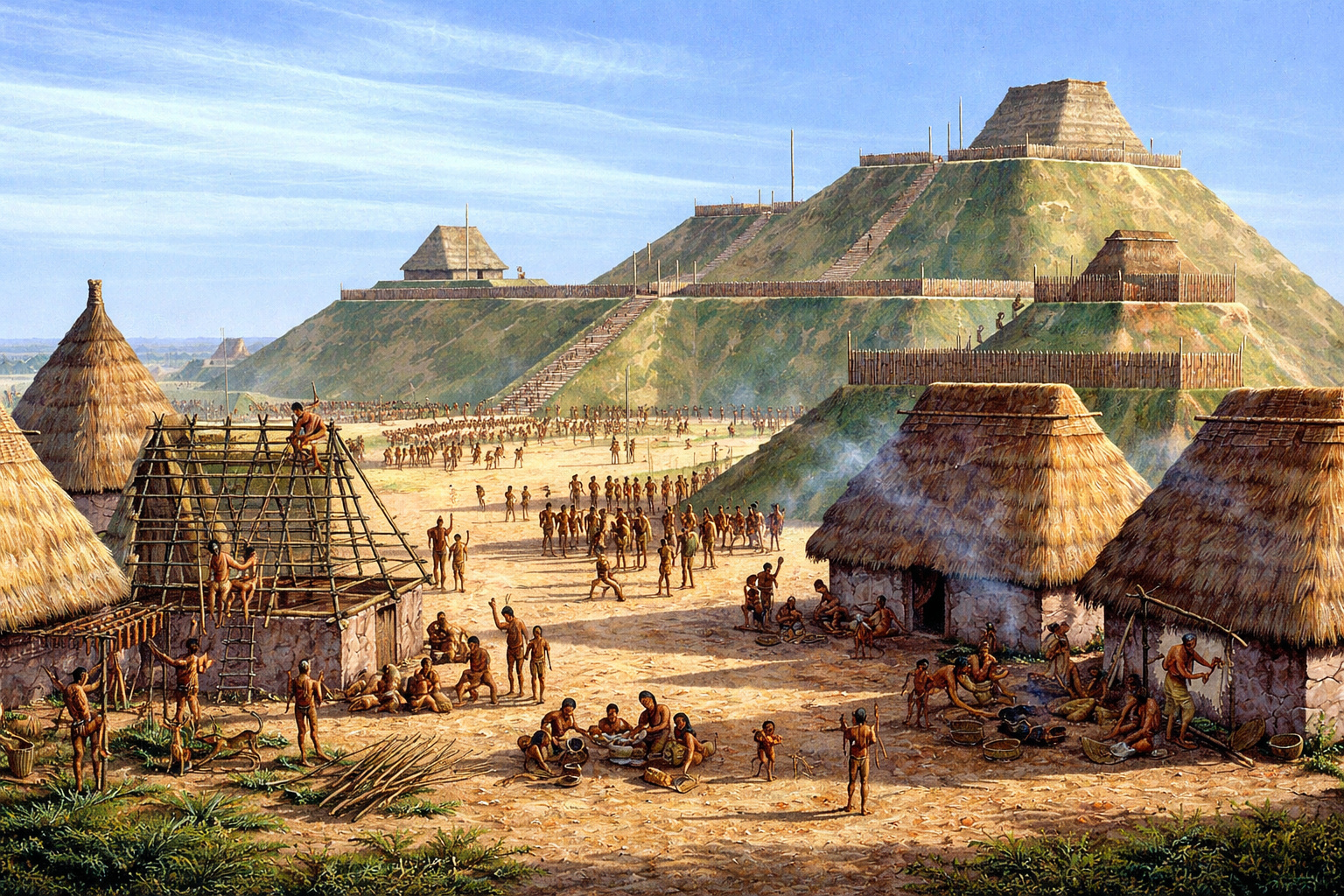
With over 14 million baskets of earth moved, an ancient North American metropolis built a monumental pyramid of 30 meters and established a city with 20,000 inhabitants nearly a thousand years ago.
-
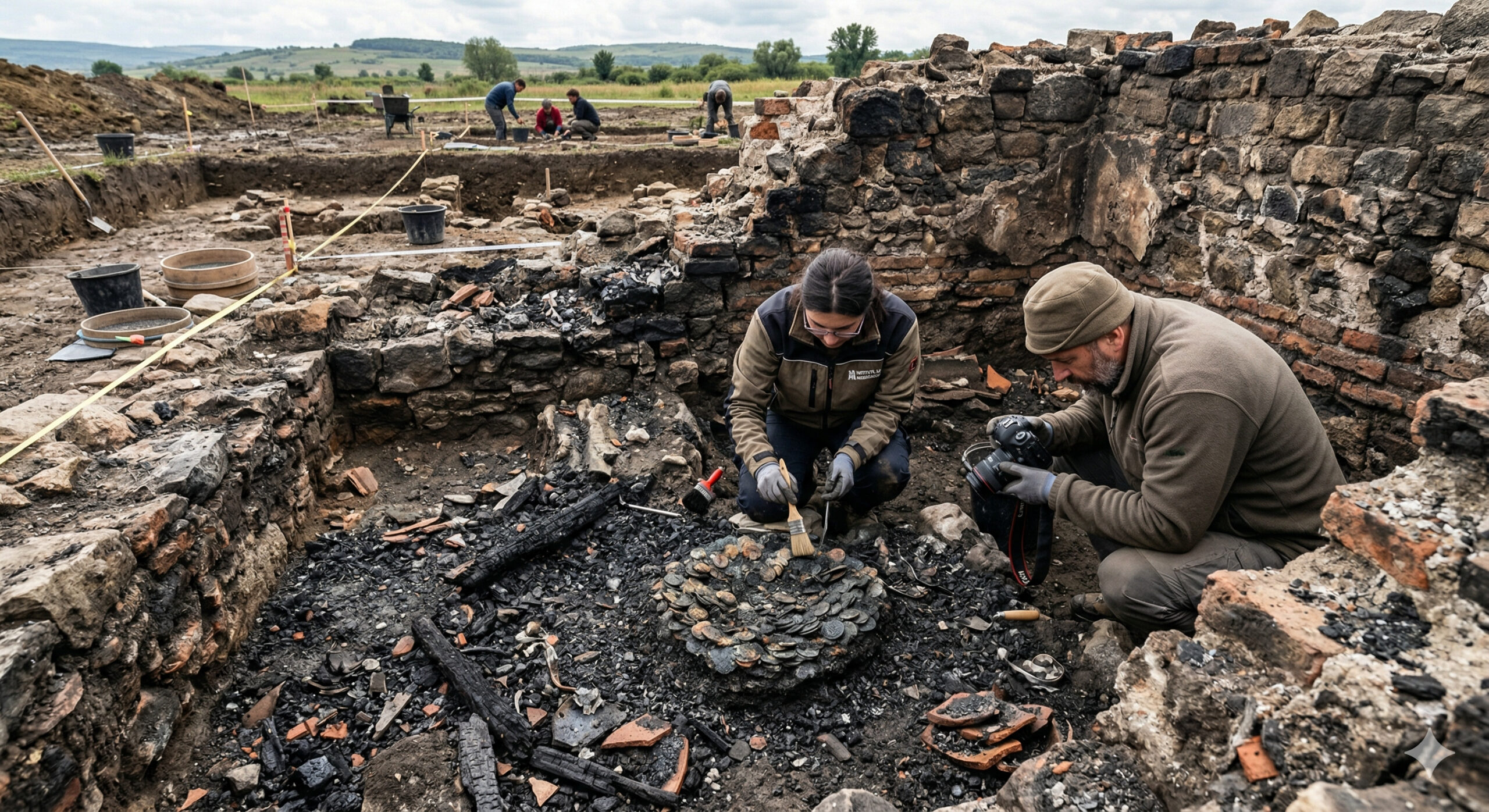
A 1,900-year-old treasure emerges from a Roman house destroyed by fire and sealed since antiquity in Romania, with coins and metals fused among the ashes.
-
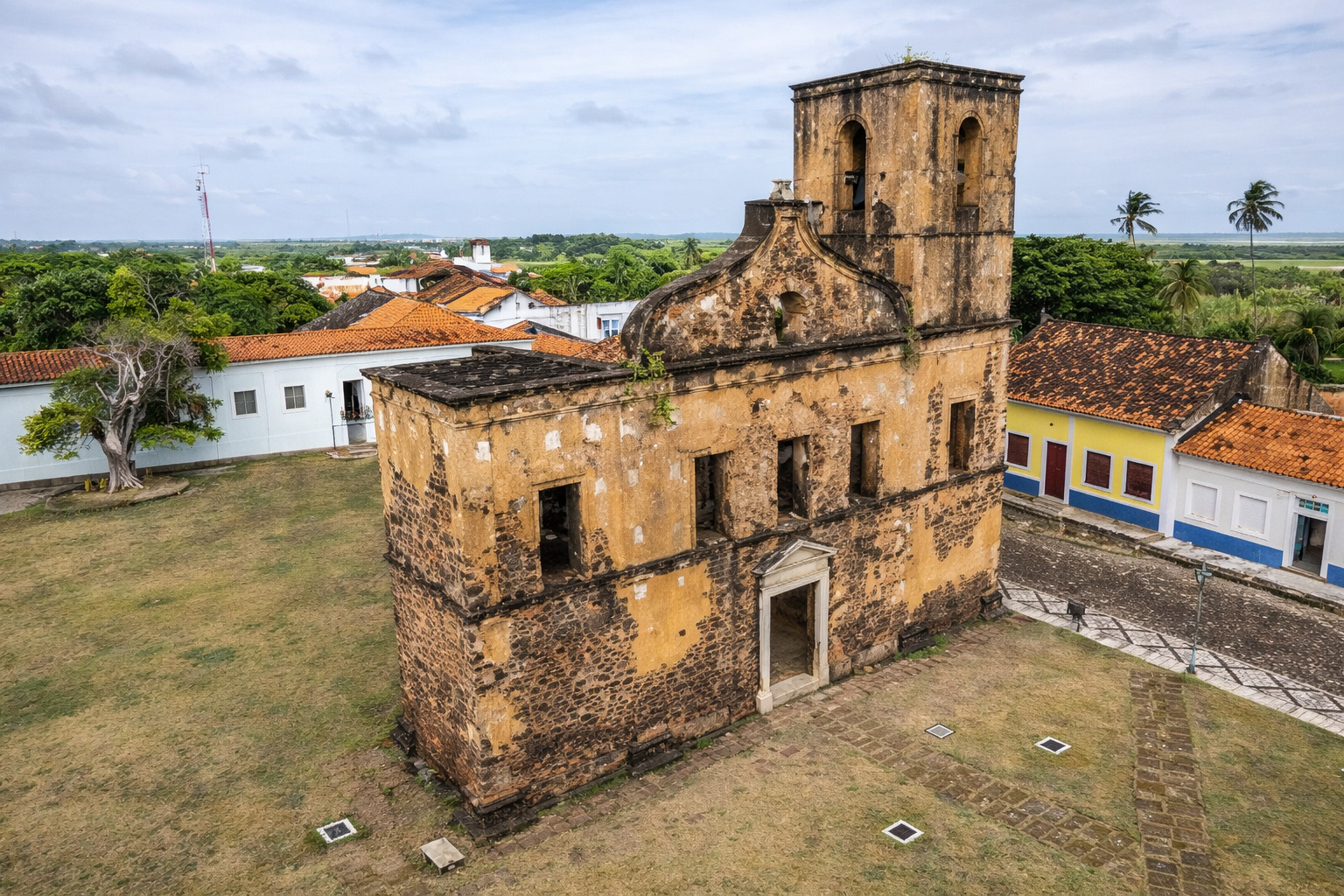
The Brazilian colonial city that stopped in time and shares territory with a rocket launch base.
-
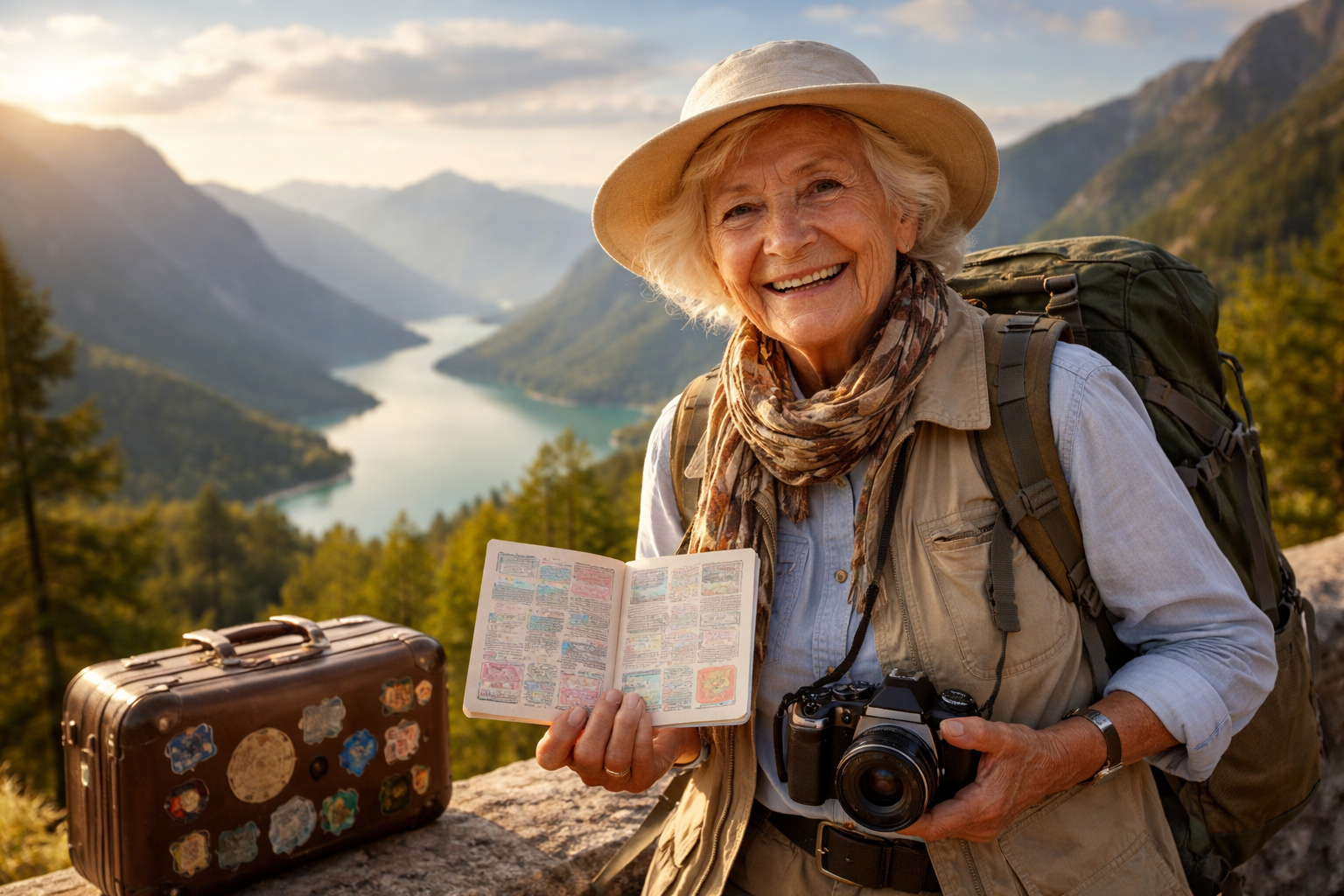
79-year-old woman challenges limits, visits 193 countries in the world after 56 years of planning and reveals the behind-the-scenes of a global journey that few have managed to accomplish.

The human body collapses if it remains there for too long. Still, Messner reached the top using only his own breath, defying medical predictions and demonstrating that human physiological limits were still poorly understood.


The impact was so great that the medical community reevaluated models of extreme altitude. Scholars from European and Asian universities began to study human adaptation capabilities, using Messner as a reference. His climb not only changed mountaineering but also research on survival in extreme environments.
The 14 Giants of the World, Conquered with Bare Hands
After his conquest on Everest, Messner directed his goal towards something even more ambitious: the 14 peaks above 8,000 meters. It took him 16 years to complete the list, finishing the last mountain in 1986. Among the most challenging are K2, known as the most technical mountain on the planet, Nanga Parbat, nicknamed “Killer Mountain,” and Annapurna, one of the mountains with the highest fatality rate in climbing history.
What makes the feat even more impressive is the set of conditions faced. At altitudes above 8,000 meters — the so-called “death zone” — the air is thin, muscular energy drops dramatically, the body loses heat quickly, and clarity begins to fail.
Temperatures can drop below -40 °C, and winds exceeding 100 km/h can knock a person down. Even so, Messner never gave up the solo style whenever possible.
While large expeditions moved with dozens of porters and tons of equipment, Messner moved alone, quickly, sleeping little, and making decisions in absolute silence. It was a solitary dance with the mountain — and any mistake could mean the end.
The Mountaineer Who Redefined the Word “Impossible”
Throughout his career, Messner continued to challenge extreme scenarios. He crossed the Gobi Desert on foot, traversed the Antarctica without the use of snowmobiles, and walked across Greenland, always maintaining the philosophy of self-sufficiency. Each expedition reinforced his reputation as an athlete who believed that technology and large teams, while important, should not replace human experience and resilience.
Documentaries, books, and studies began to present Messner as the most complete mountaineer in modern history. His view on the relationship between humans and mountains is widely cited in climbing courses, lectures, and training. For him, mountaineering is not about dominating nature but about understanding that we are vulnerable before it.
From Panic to Respect: The Trauma That Shaped His Journey
Messner’s journey was also marked by pain. During an expedition to Nanga Parbat, he lost his brother Günther, who disappeared on the descent after both reached the summit.
The tragedy became one of the most painful episodes of the mountaineer’s life, but it also reinforced his decision to continue exploring human limits now with the awareness that the mountain exacts a high price from those who challenge it.
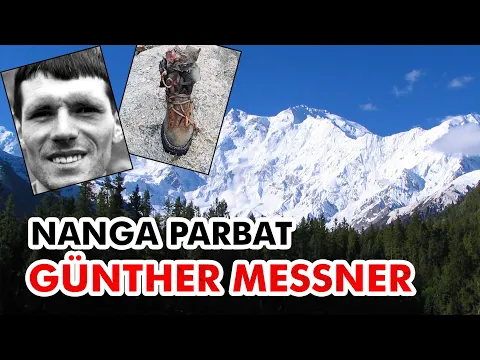
Years later, remains compatible with Günther were found on the Diamir side of Nanga Parbat, validating Messner’s account and ending decades of controversy. For the mountaineer, that moment was the emotional closure of a wound that had never stopped following his career.
The Legacy of Messner for Humanity
Today, Reinhold Messner is considered a living legend. He helped to establish museums dedicated to mountains, wrote dozens of books, participated in scientific research, and influenced generations of mountaineers.
His achievements continue to be analyzed by specialists in physiology, climatology, and extreme sports, who still seek to fully understand how an individual was able to reach such a level of performance without modern resources.
More than just climbing mountains, Messner climbed limits that no one had dared to touch. He showed that courage, preparation, and discipline can expand the boundaries of what is imaginable. His story is remembered not as a radical adventure, but as proof that when a single person decides to face the impossible, they can profoundly alter human knowledge.







Mesmo assim eu tiro o meu chapéu, não é qualquer pessoa que tem essa coragem de subir essas montanhas . Eu sou um, altura pra mim estou longe. Meus parabéns para essa pessoa
Tem um cara do Nepal que subiu as 14 montanhas em 6 meses não somente ele mas três amigos e ninguém comenta porquê será? Só porque ele é do Nepal. Já que vcs fazem fazem jornalismo.