





 Portuguese
  English
  Spanish
 4 min of reading
  12 comments


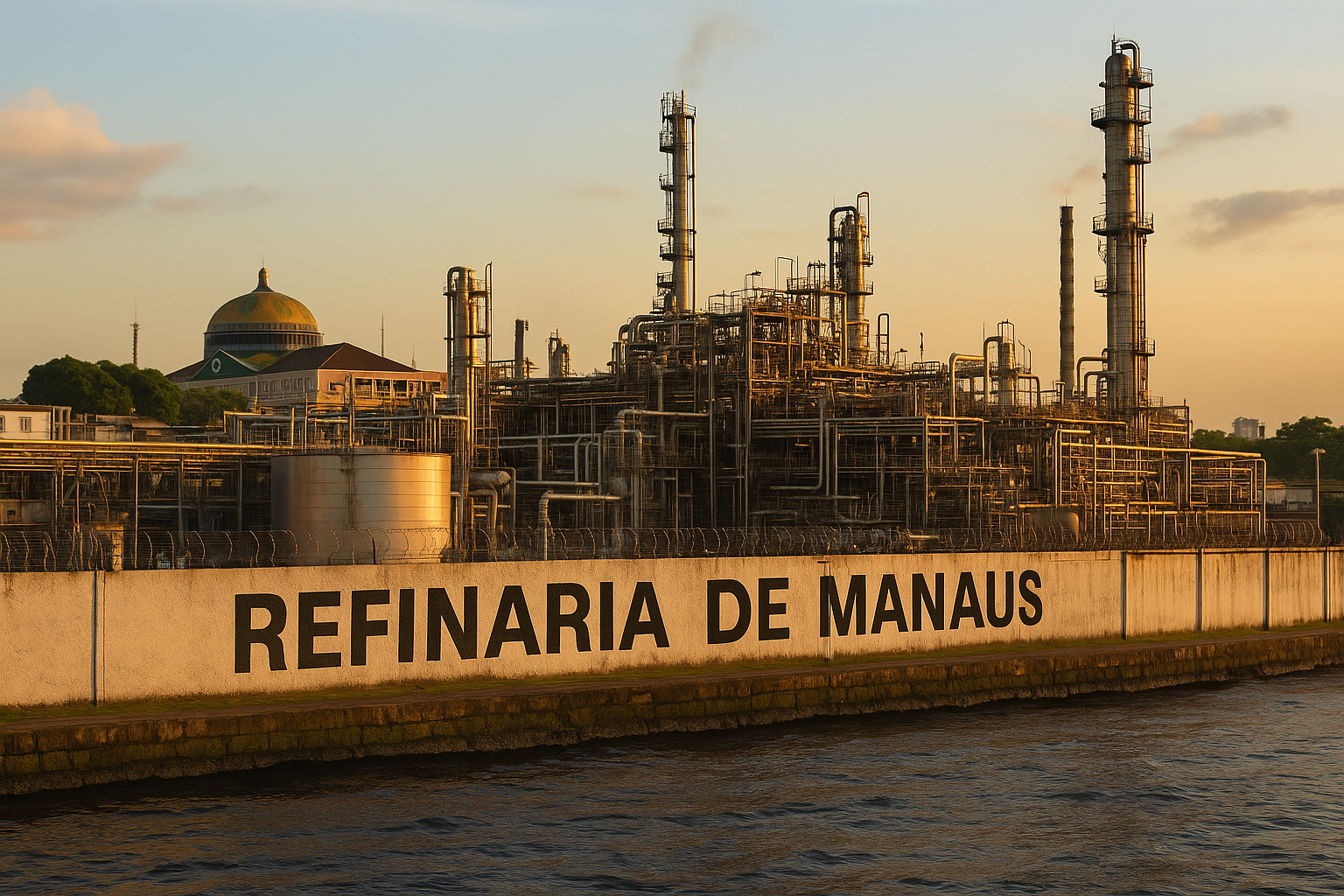

More Than Two Years After Privatization, the Manaus Refinery Stops Producing Fuels and Turns Northern Supply into a Logistical and Economic Challenge.
The Manaus Refinery (Ream), formerly Isaac Sabbá (Reman), was privatized in December 2022 and came under the control of the Atem Group. Since then, the facility has stopped operating as an oil refinery, according to a complaint from the Amazon Oil Workers Union (Sindipetro-AM) to the Administrative Council for Economic Defense (Cade).
According to the union, all the oil extracted in Urucu (AM) is transported to São Sebastião (SP), where Petrobras refines it. The maritime route takes between 14 and 16 days. This operation increases logistical costs and makes consumers in the North pay up to 10% more for gasoline, diesel, and cooking gas.
Official Investigations Point to Anticompetitive Practices
The Ministry of Mines and Energy (MME) sent letters to Cade in June 2025, requesting an investigation into possible anticompetitive practices. According to the agency, the prices charged by Ream are above the national average and exceed the Import Parity Price (PPI). This difference especially penalizes consumers in the Northern Region.
-
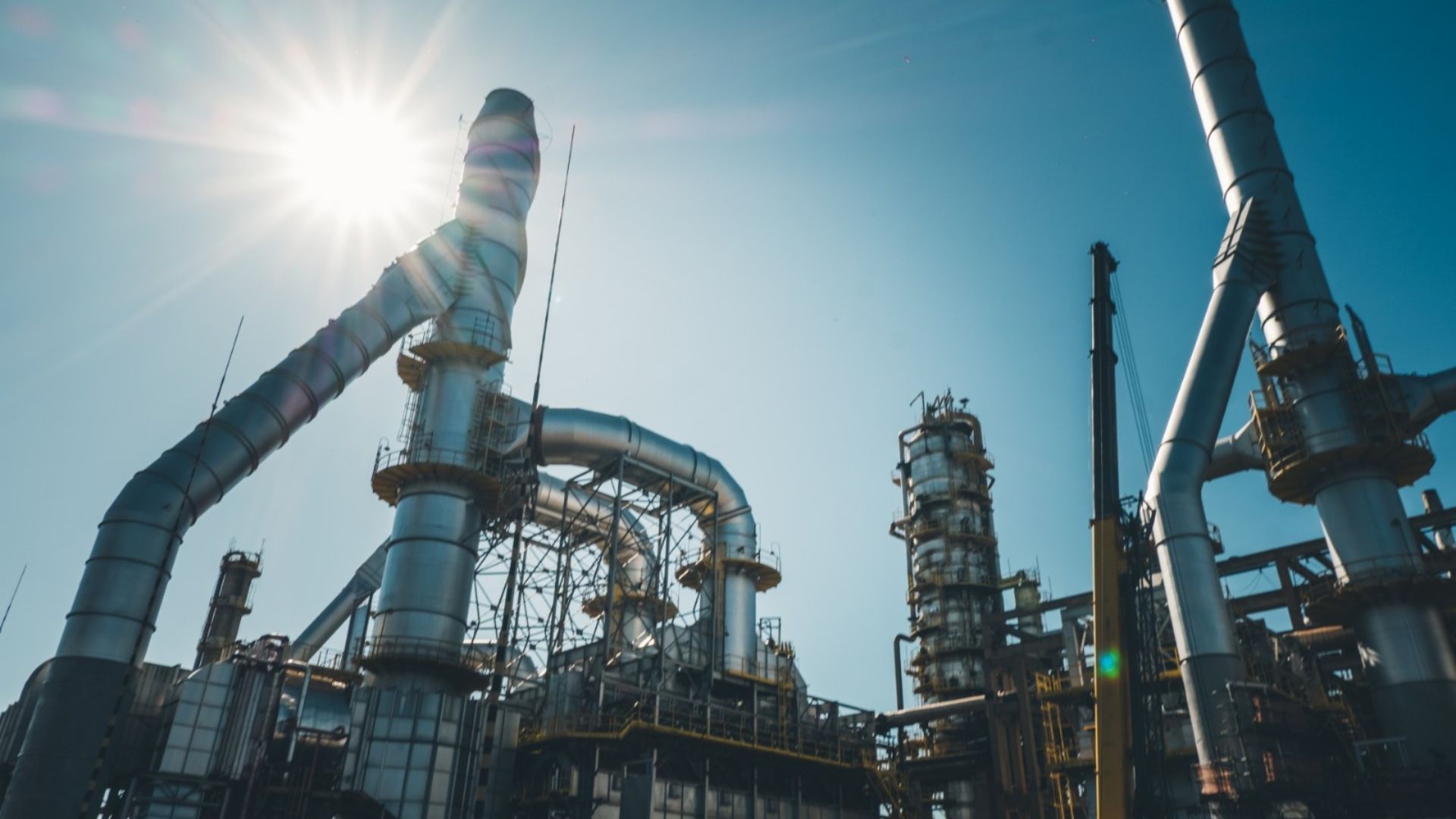
Petrobras Expands Refining in Brazil, Increases Production of Diesel S-10 and Gasoline, Enhances Operational Efficiency, and Reduces Import Dependence Between 2023 and 2025
-
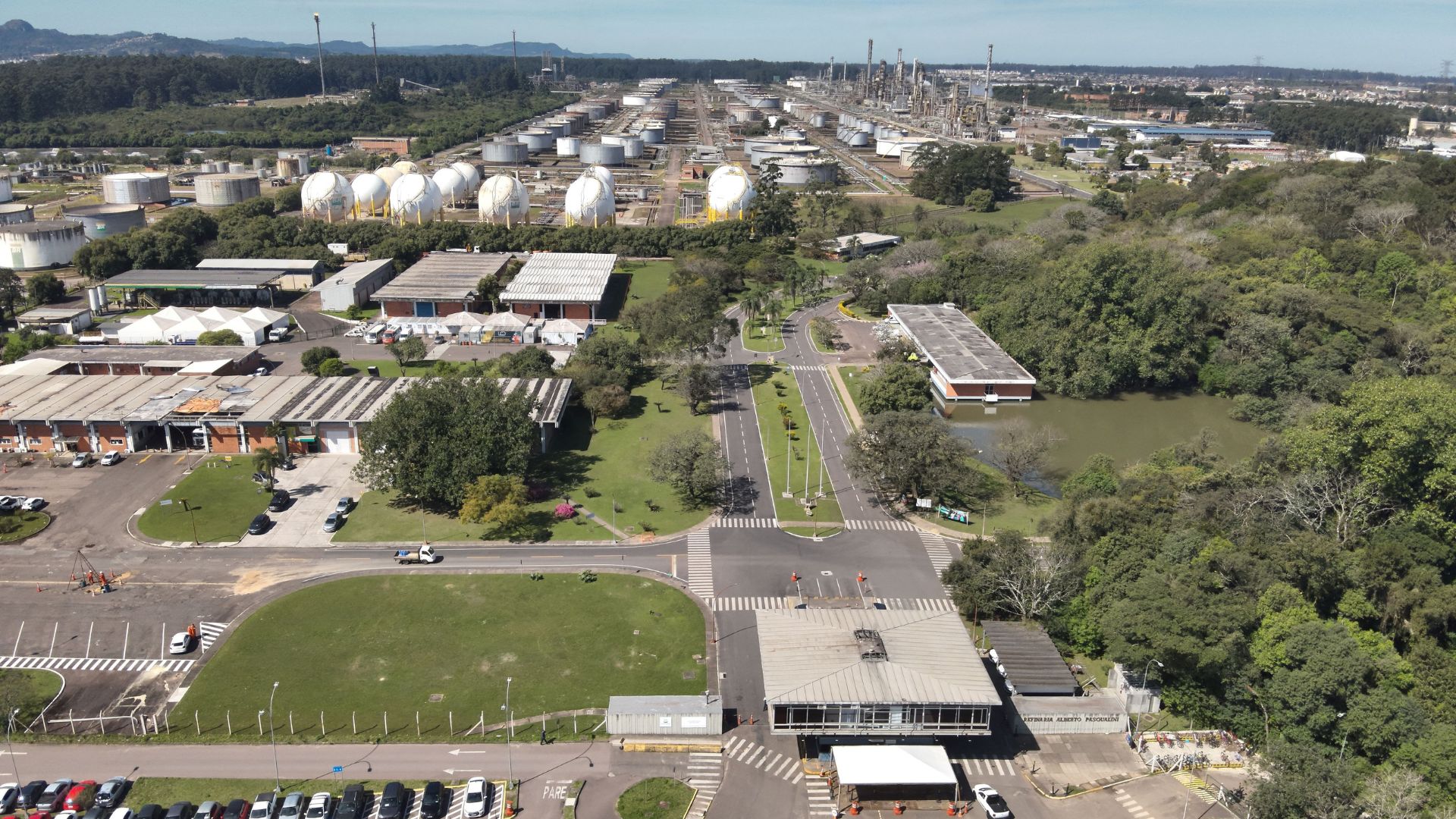
Petrobras’ Refap Sets Historic Records for Gasoline and S-10 Diesel Production in Canoas in Q4 2025, Surpassing Previous Figures
-
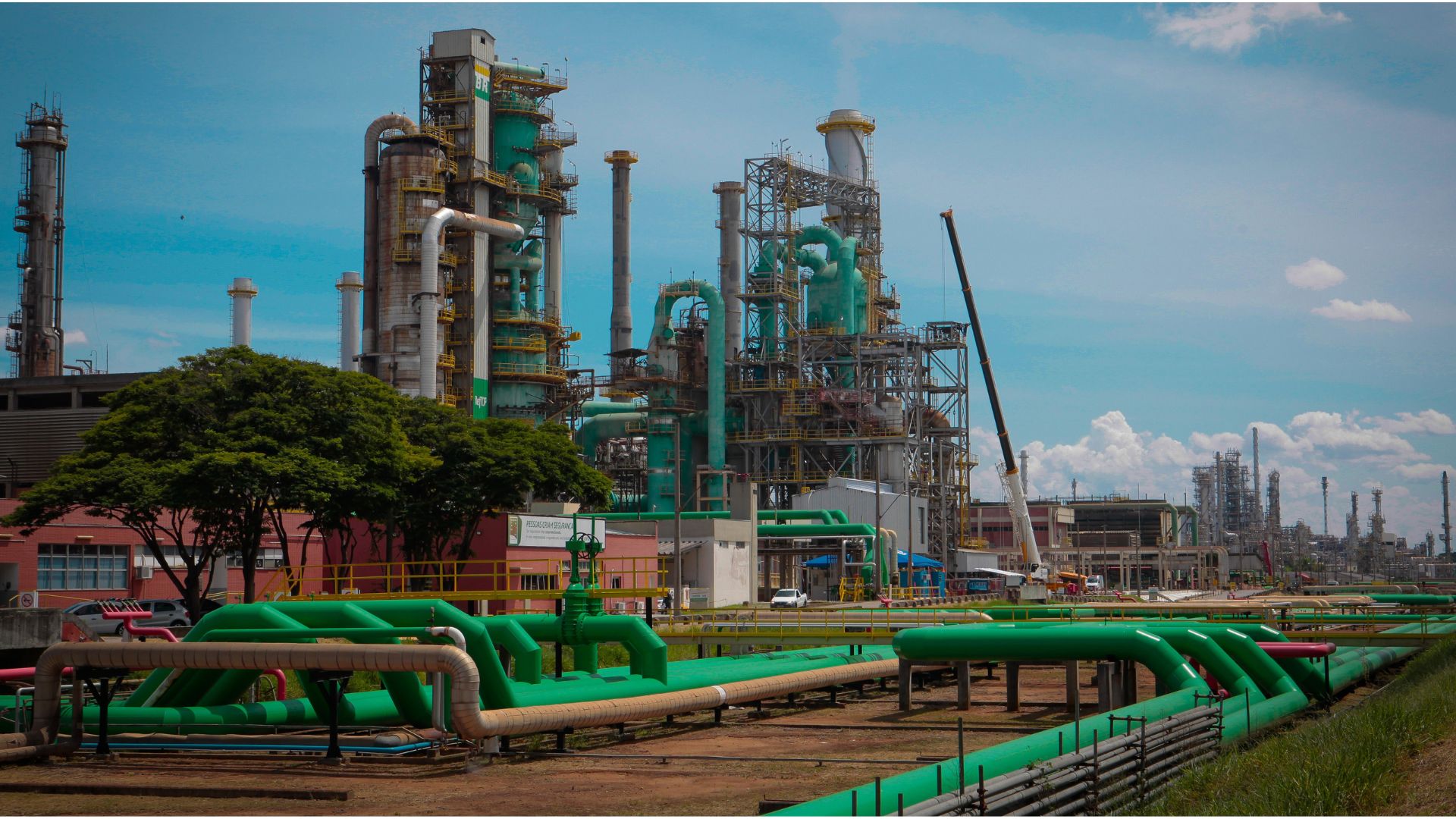
Revap Starts Operation of Modernized HDT and Petrobras Expands S-10 Diesel Production by 80% at the Refinery, Boosting Supply of Less Polluting Fuel in Brazil
-
Thermal Power Plant in Rio Grande do Sul Is Key to Attracting GWM

Between 2020 and 2022, the refinery maintained a daily average of 40,000 barrels, according to data from the National Oil Agency (ANP). After privatization, the volume dropped to less than 30,000 barrels/day in 2023. In 2024, production plummeted to less than 10,000 barrels/day. Finally, operations were completely halted in February 2025.
The general coordinator of the Unified Federation of Oil Workers (FUP), Deyvid Bacelar, stated that “the only refinery in the Northern Region no longer refines any liter of oil, while fuels remain among the most expensive in Brazil“.
Sindipetro-AM Denounces Noncompliance with Refinery Function
On June 18, 2025, the Sindipetro-AM filed a formal complaint against Ream, accusing the controlling group of failing to comply with commitments made during the privatization process. The entity claimed that the facility has been disqualified and turned into a logistics terminal, which puts regional supply at risk.
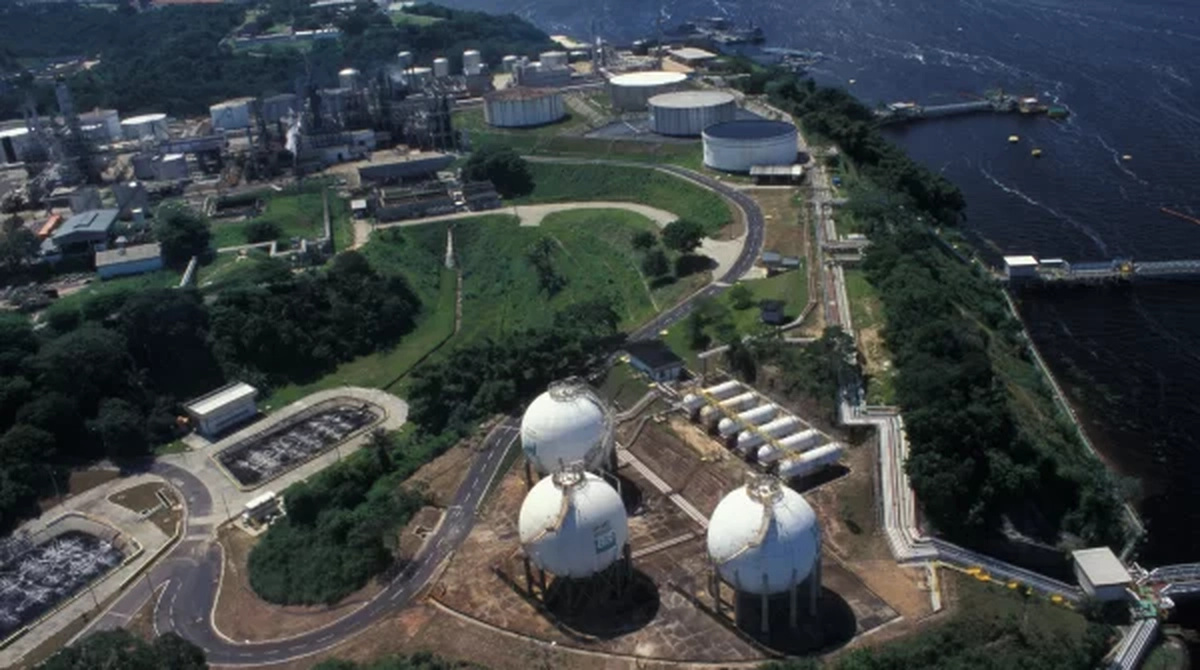
The MME emphasized to Cade the importance of assessing the impacts of the halt on the local market. Meanwhile, the ANP conducted inspections on June 24 and 26, which resulted in two violation notices. The agency also launched a technical audit to investigate the case. The final report, expected by the end of 2025, has not yet been released.
ANP technicians highlight that the inspections assessed the integrity of the facilities and the operational risks of prolonged inactivity. According to them, the halt could lead to economic and environmental losses for the local energy sector.
Price Increase and Public Dissatisfaction
As the oil from Urucu takes more than two weeks to reach São Paulo, prices in the North soar. A survey by the ANP in July 2025 shows that the price of gasoline in Amazonas is up to 10% above the national average. In some cities, the price exceeds R$ 6.70.
Additionally, Petrobras absorbs high logistical costs to transport the oil to the Southeast. This operation impacts the entire supply chain and reduces the competitiveness of the regional economy. Thus, the lack of local refining has become a setback for the development of the Amazon, which now depends on fuels processed in other regions.
Currently, Cade keeps the process confidential, while the MME awaits responses to the letters sent. The ANP, after completing the audit, may impose new penalties and determine immediate measures to restore market balance.
Uncertainties and Political Pressure on Ream’s Future
With the only refinery in the Northern Region paralyzed, political pressure on the federal government is increasing. The goal is to reevaluate the privatization model and understand its social and economic impacts. Both Sindipetro-AM and FUP are asking for greater transparency in operations and continuous oversight of Ream. These actions aim to ensure supply and preserve fair competition.
According to the MME, the case remains under monitoring until the end of 2025. The agency reported that Cade and ANP are expected to disclose corrective measures later this year. In the meantime, consumers in the North continue to pay the highest fuel prices in the country, awaiting solutions to the impasse at the Manaus refinery.
Do you believe the government should retake control of the refinery to ensure fair supply or strengthen oversight of the private sector to curb price increases?









… [Trackback]
[…] Find More Information here on that Topic: en.en.clickpetroleoegas.com.br/No-refining–no-relief–northern-Brazil-pays-the-highest-bill-after-the-shutdown-of-the-Manaus-refinery./ […]
… [Trackback]
[…] Read More Info here to that Topic: en.en.clickpetroleoegas.com.br/No-refining–no-relief–northern-Brazil-pays-the-highest-bill-after-the-shutdown-of-the-Manaus-refinery./ […]
… [Trackback]
[…] Info on that Topic: en.en.clickpetroleoegas.com.br/No-refining–no-relief–northern-Brazil-pays-the-highest-bill-after-the-shutdown-of-the-Manaus-refinery./ […]