





 Portuguese
  English
  Spanish
  4 min of reading
  0 comments


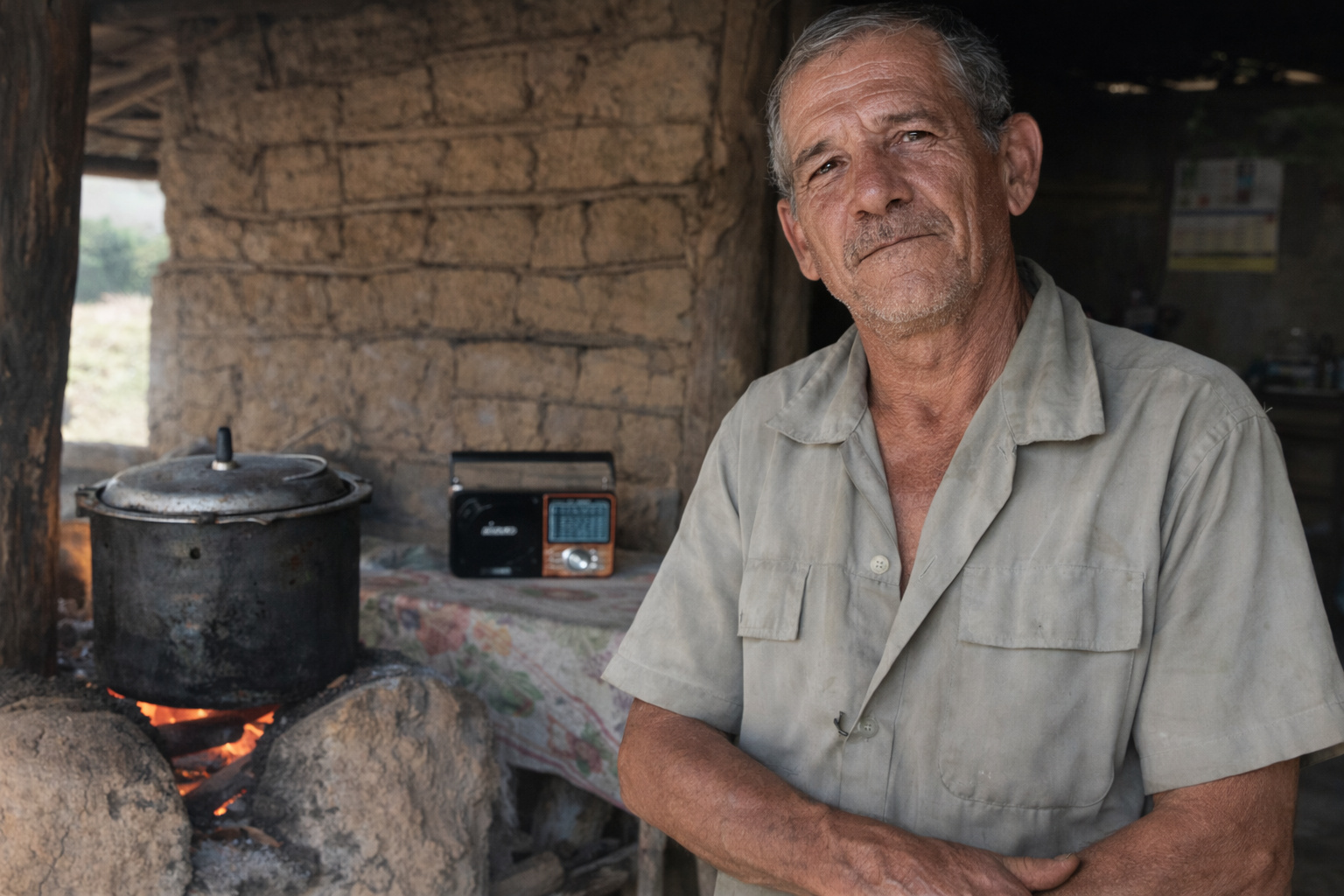
Simple Routine in the Country Reveals Resilience, Rural Tradition and Survival Strategies in a Small Property Surrounded by Giant Farms and Marked by the Drought of the Dam
In the heart of the countryside, far from the noise of the city and surrounded by large farms, a field worker maintains a routine that mixes tradition, resilience, and rural survival strategy. Mr. Vicente lives alone on the farm known as Gruta Seca, a small property isolated among much larger areas. Still, even amid gigantic structures around, he preserves a simple, functional way of life that is deeply rooted in Brazilian rural culture.
The information was shared by a YouTube channel that follows the daily lives of small rural producers, documenting day-to-day life in the countryside. According to the published video, the routine starts early, with preparing the firewood to cook beans, a practice that has crossed generations and continues to be essential for those living far from urban infrastructure.
As soon as he arrives, one detail catches the eye: the old little house where he used to live still stands. However, as there is no fence around, the cattle from neighboring properties are coming through the land. According to his own account, “before long, the cattle will knock it down.” The structure resists, but time and the cattle advance.
-
New 100% clean fuel produced in Brazil could retire diesel.

-
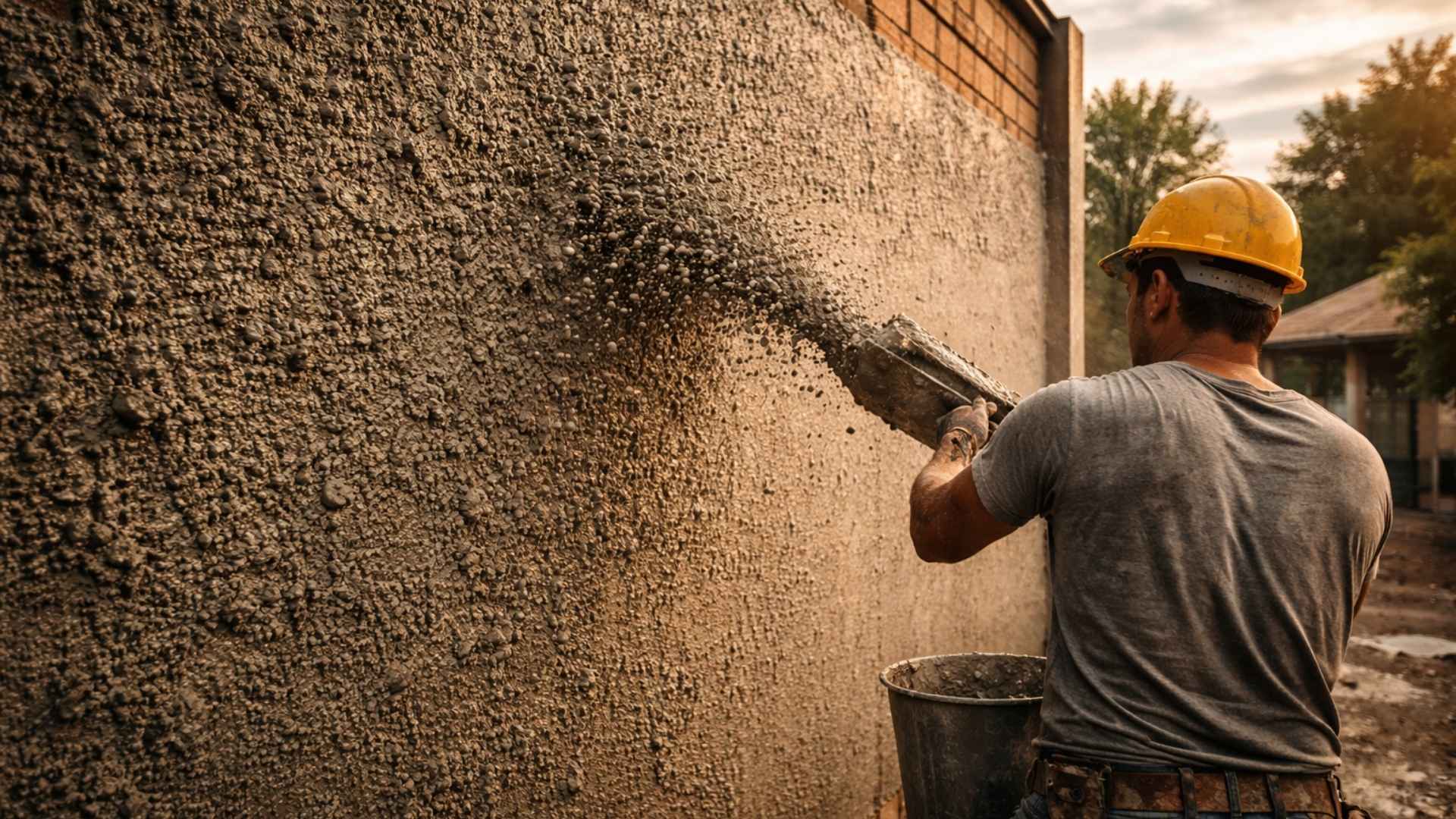
Plastered walls become a trend and end up being the perfect choice for finishing; the secret of the 2 coats that prevent waste in painting.
-
With 333 meters and equivalent to a 20-story building: China launches a supertanker that transports 2 million barrels, has 540,000 m² of area, and saves $5 million per year.

-
Brazil becomes a beacon of hope for ending plastic waste by leading a global plan that could prevent millions of tons from entering the oceans.

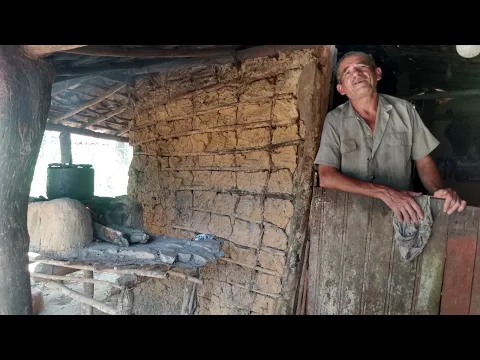

Living on an Isolated Farm Among Large Farms Requires Strategy and Adaptation
Although surrounded by gigantic farms, the Gruta Seca farm demonstrates that size does not define productivity. Even though it is a small rural property, the place has cattle and a little horse used to herd the cattle when necessary.
At the back of the property, there is a dam. However, currently, the scenario is one of drought. The dam has completely dried up. And it is precisely at this moment that the strategy comes into play. When the water disappears, the fertile and still-moist soil starts being utilized to plant crops. In other words, the drought ceases to be just a problem and transforms into a cultivation opportunity.
Additionally, the farm maintains productive fruit trees. A heavy jackfruit tree demonstrates that even with structural limitations, the land continues to respond to constant care. Thus, even though small and isolated, the farm remains active and productive.
Another relevant point is the financial decision. Mr. Vicente states that he does not sell the farm to “spend the money.” He would only sell it if it were to buy another place. This logic demonstrates a rural mindset of property preservation. In the countryside, land is not just material wealth — it is security, continuity, and future.

Firewood, Beans, and the Economy of Every Detail
The daily routine starts with preparing the fire. To light it, he uses pieces of plastic bag. Then, with a small fan made of coconut leaves, he helps the flame grow. The simple object cost R$ 3, according to him.
It may seem little, but in the context of the rural economy, every expense counts. Every tool needs to fulfill a real function. The firewood, in turn, is stored strategically before the rainy season. Thus, when winter arrives, there is already a stock of dry wood to keep the stove running.
The beans go into the pot while the water boils. The dry wood catches quickly. “A good fire catches too quickly,” he comments during the preparation. It is not just about cooking. It is about preserving a traditional method that still works efficiently.
Moreover, there is care for the inside space. A chicken tries to get in. He quickly comments that if it enters, “it will mess up the whole house.” Controlling the environment is part of the rural routine. Every detail interferes with the organization.

R$ 180 Radio and Small Achievements That Make a Difference
Even without a television, the rural worker invested in a radio. The device cost R$ 180. According to him, after he started receiving monthly payments, he decided to buy something important for the house. The radio serves to tell the time, listen to the news, and maintain some connection with the world.
In isolated areas, communication is essential. Therefore, the radio represents more than entertainment. It symbolizes autonomy and access to information.
On the same day, he also bought chairs. Four of one model and four of another — one of them appears right there in the house. “When a person arrives, they always want to sit,” he explains. Hospitality remains a central value in the countryside.
Meanwhile, the cat rejects the food. The chicken roams around. The fire crackles. The beans cook. The dry dam waits for the next rain. And life goes on.
Without declared inheritance, without luxury and without large structures, the field worker maintains stability through simple and consistent decisions. He does not sell the farm without planning. He stores firewood before winter. He plants when the dam dries. He buys the radio when he can afford it. He invests in chairs to receive visitors.
Between large farms and extensive properties, there lies a small area that resists through consistency. And although the scene seems modest, it reveals something greater: rural autonomy built in the daily routine.
Source: Agreste Verde




-

2 pessoas reagiram a isso.