





 English
  Francês
  Alemão
  Italiano
  Japonês
  Norueguês
  Portuguese
  Spanish
  3 min of reading


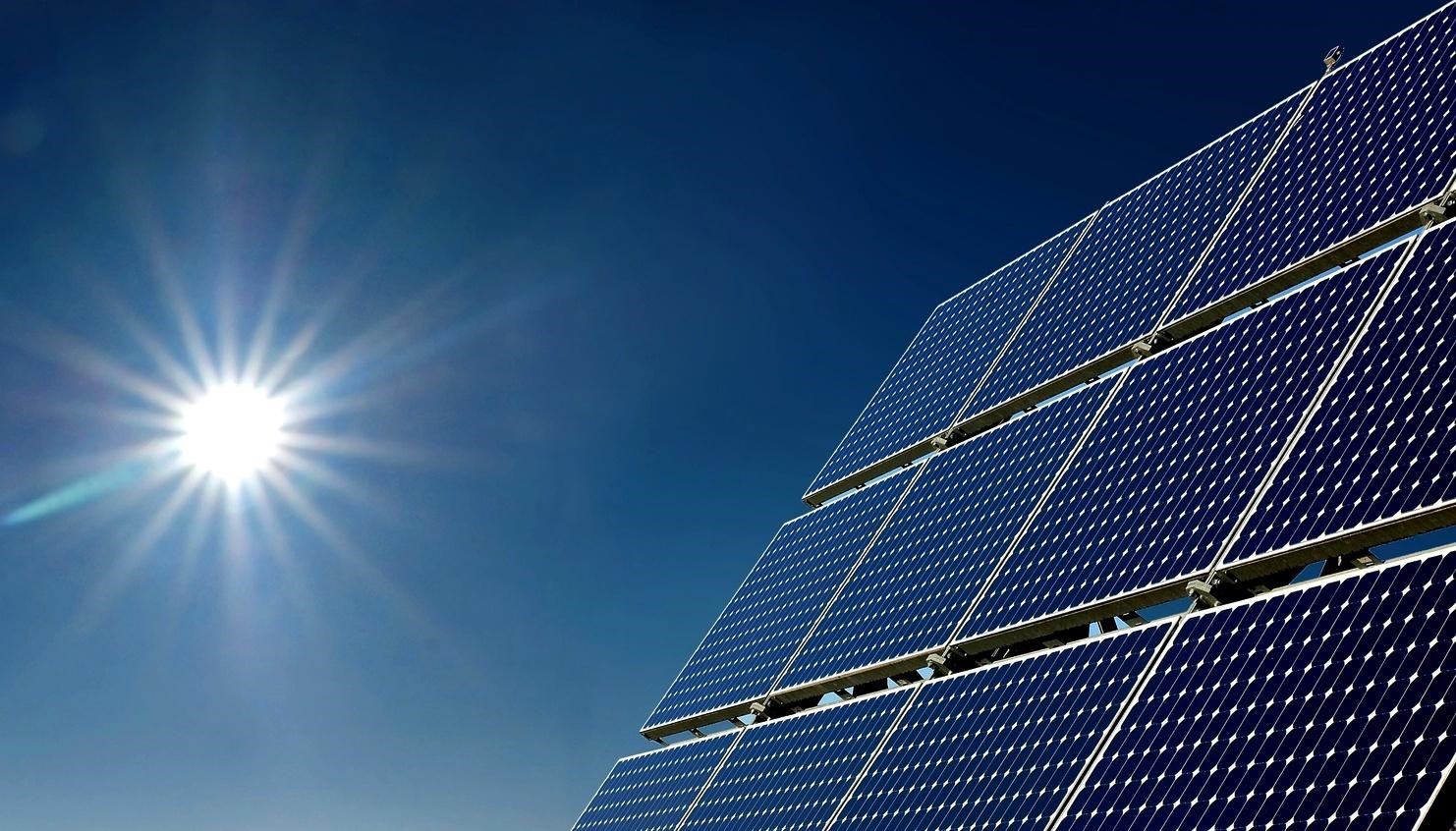
With Adjusted Benefits, The Report Returns To The Chamber Of Deputies For Final Approval On Distributed Generation And The Main Changes Sought For The Own Generation Of Solar Energy
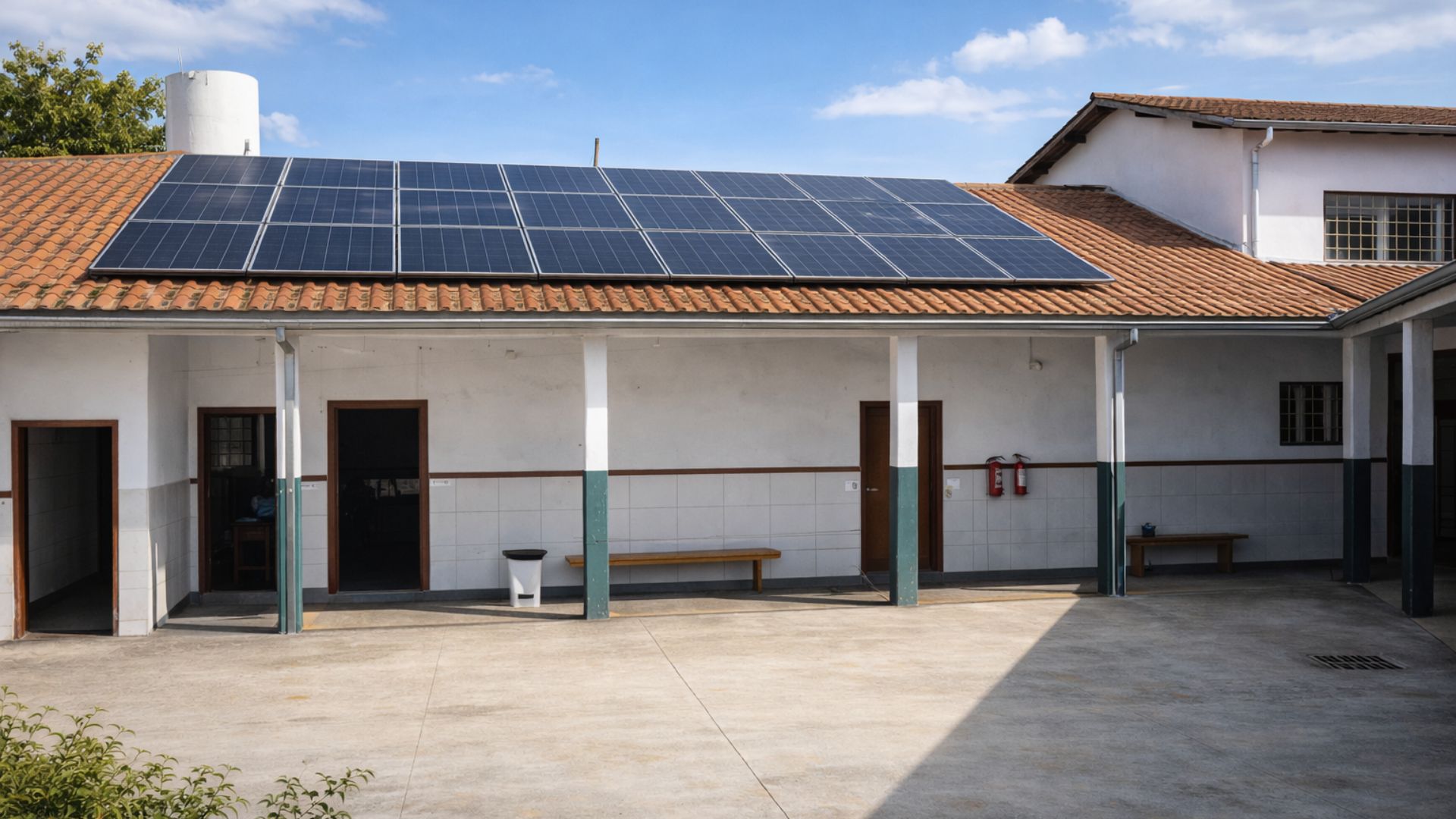
The Senate approved, last Wednesday, the 15th, the bill considered as the Legal Framework for Distributed Generation in Brazil, which is nothing more than the generation of energy made by consumers themselves, using the solar energy capture system. The report will now return to the Chamber of Deputies, as there were changes made by the senators to the initial report.
Read Other Related News
Even though 9 amendments have been approved in total and 6 other amendments unified with the report that had been approved by the Chamber of Deputies in mid-August, the Senate, by mutual agreement, maintained the essence of the project, which highlighted that those already in the market for solar energy generation and distribution, or those who enter the market at least 1 year after the official publication of the law, will have their benefits maintained until the year 2045. However, those who enter much later than the stipulated deadline will have their benefit only until 2028.
Learn More About The Benefit Created To Stimulate Solar Energy Generation And Distributed Generation In Brazil
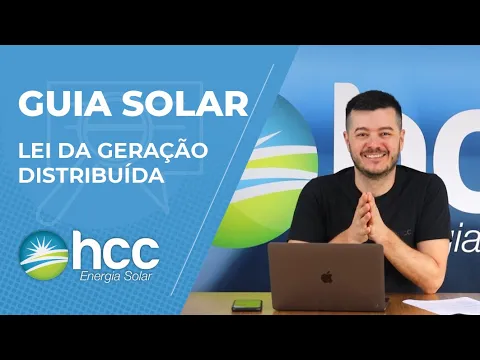

The benefit created in 2012 by the National Electric Energy Agency – Aneel, aimed to create an incentive for the emergence of companies that worked with solar energy generation and also for large energy companies to readjust their way of generating energy.
-
With 160,000 m² of collectors, an area larger than 20 football fields, Silkeborg, in Denmark, hosts a solar thermal plant that heats 19,500 homes and could become the largest solar heating plant in the world.

-
A study reveals the expansion of renewable energy procurement in Brazil and shows how companies are taking advantage of opportunities to reduce expenses, ensure energy efficiency, and strengthen strategic environmental commitments.

-
Roraima bets on the sun to escape high tariffs: Amid the energy crisis and price hikes, solar energy is growing in Roraima and transforming consumption in the North region.
-
Mato Grosso do Sul excels in the sugar-energy sector: the state reaches a milestone of 22 operating mills and accelerates the production of clean energy in MS with a focus on sustainability.

However, since 2018, when there was a high and rapid growth of solar energy projects and installations in Brazil, Aneel calculated that this subsidy would generate, between 2020 and 2035, a loss greater than R$ 65 billion to all other consumers of conventional sources.
News Of The Amendments Approved By The Senate
In the new amendments drafted and already approved by the Senate, among the main novelties is the use of floating panels in hydroelectric plants, which will allow classification as floating photovoltaic solar panels, which will remain in reservoirs as Microgeneration and Minigeneration Distributed. In the electrical sector, these newly approved possibilities by the Senate were already being considered.
According to the report approved in the Chamber, the cost calculations made by Aneel would have a maximum deadline of 18 months for the benefits of distributed generation to finally be delivered to the electrical sector.
The Senate also put forward other cost calculations that need to be made, in addition to the inclusion of Small Hydroelectric Plants, the PCHs, which had already been authorized by Aneel, in the category of Distributed Microgeneration. The Senate also increased the power limits concerning the situation of minigeneration companies from 5 MW to 10 MW.
Other Situations Addressed
Regarding hydroelectric sources, the limit remains at 30 MW. If an extension of the generation deadline is needed, generators – of any type of source – will have about 9 months to start injecting energy into the transmission networks. Initially, it would be just 4 months, according to what had been approved by the Chamber in the initial report.






Seja o primeiro a reagir!