





 Portuguese
  English
  Spanish
 3 min of reading



The Petrobras Central Hub In Rio De Janeiro Will Be Connected Via Satellite Technology To All Remote Offshore And Onshore Units Of The Company After Sencinet Wins The Bid From The State-Owned Company In Search Of A Service Provider.
On last Friday, (07/22), Petrobras announced that Sencinet was the big winner of its bid for the selection of the company that will carry out the satellite interconnection between the state-owned company’s central station (hub) in Rio de Janeiro and its production units. Thus, the state-owned company will have the technology of the company to make its production even more modernized and controlled in the region.
The Bid From Petrobras For Satellite Interconnection Service Between Productive Hub And Units Is Won By The Company Sencinet, Which Will Provide Satellite Technology To The State-Owned Company
Petrobras continues to advance in search of more technology, modernization, and safety in its operations throughout Brazil and announced that the company Sencinet was the winner of its bid for the satellite connection of onshore and offshore units to the production hub in Rio de Janeiro. The company will provide its technology and services to ensure greater control over the state-owned company’s production processes.
The contract between Petrobras and Sencinet has a validity period of a total of five years and also provides for the supply, installation, and maintenance of the necessary equipment kits for operation in offshore and onshore locations in the oil and natural gas sector in Brazil.
-
Lack of workers and an aging population: Japan bets on AI robots in factories, logistics, and infrastructure to keep the economy and essential services active.

-
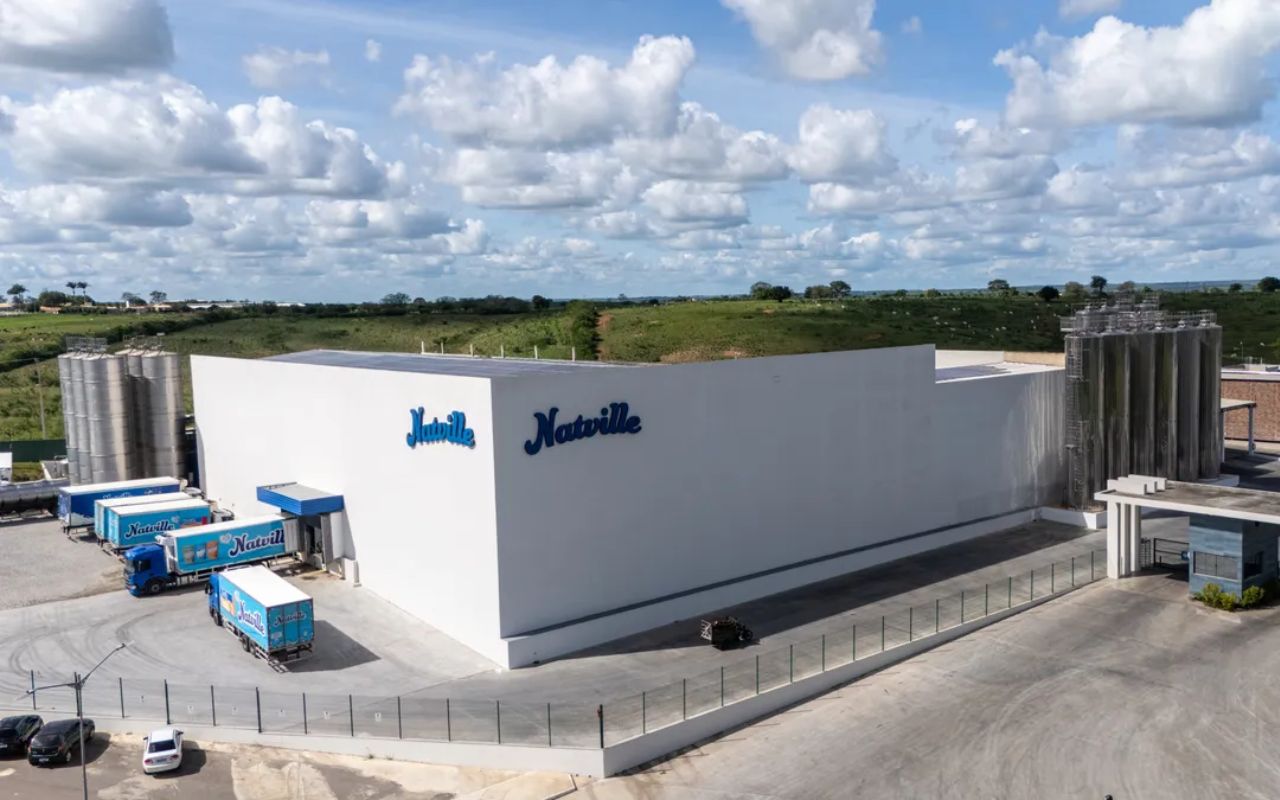
Natville puts R$ 700 million on the table for new factories in the Northeast, generating jobs and boosting the local economy.
-
With 74% of companies facing difficulties in hiring, technicians and engineers in renewable energy are becoming scarce in Brazil and are essential to support the expansion of solar, wind, and green hydrogen projects.

-
Europe is trying to create an ammonia-powered marine engine without auxiliary fuel, which could unlock the race for giant emission-free ships. The technology aims to eliminate one of the biggest obstacles to clean maritime propulsion.

Thus, there will be remote operation of platforms, vessels, offices, refineries, and other facilities of the company through the satellite interconnection technology that will be provided by Sencinet to the state-owned company.
In addition, the executive director of sales and marketing of Sencinet, Jayme Ribeiro, commented on the main differentiators of the company for being the winner of the bid and highlighted the quality of the technology service and the attractive price.
“Since the largest concentration of Petrobras traffic occurs in the Campos dos Goytacazes and Santos basins, for example, we will use a specific beam that covers the Southeast Region. It will deliver greater power at lower costs. For other regions of the country, we will use traditional technology that offers sufficient conditions for the operations of the oil company,” commented the executive.
Sencinet Will Invest In Modernization Of Its Satellite Technology To Provide Services To The State-Owned Company After Winning The Bid For Interconnection Of Units
Among the main points that attracted Sencinet to Petrobras is the differentiator of the company’s satellite connection technology, called “Spot Beam,” in which satellite signals are directed to specific points on the Earth’s surface, while in the traditional model, the entire coverage area has a single beam.
And, to ensure the best utilization of this technology, the company intends to make significant investments in the modernization of its telecommunications system located at the teleport in Hortolândia, in the state of São Paulo.
The main short-term investment will be the installation of an antenna of about nine meters that will point towards the satellites operating in the Spot Beam technology. Furthermore, the company will invest in data-sharing technology, since the bid provides for the delivery of an average bandwidth capacity of 240 megabits per second over the five years of the contract, primarily directed towards offshore units in the Campos and Santos basins, including the pre-salt.
Now, Petrobras continues to invest in the modernization of controlling its operations and will leverage the satellite connection technology of its units by Sencinet to continue its expansion plan in the country.










Seja o primeiro a reagir!