





 Portuguese
  English
  Spanish
  4 min of reading
  0 comments



The MAF Sensor, Which Measures Air Flow in the Engine, Can Cause Failures and Increased Consumption Without Lighting Up Warning Lights on the Dashboard, Requiring Maintenance That Can Cost Up to R$ 1,000.
When the car starts to stutter, hesitate, and consume more fuel, many drivers’ first reaction is to check the spark plugs, fuel injectors, and air filter. However, in many cases, the real culprit is right in front of the intake system: the MAF (Mass Air Flow) Sensor, or air flow sensor. It is responsible for measuring the exact amount of air entering the engine, allowing the electronic control unit to calculate the correct mixture ratio with the fuel. When dirty, damaged, or reading incorrectly, the MAF deceives the injection module — and the car starts to consume more, lose power, and misfire, even without any lights on the dashboard.
Experts say this is one of the most difficult failures to diagnose, because the sensor rarely generates error codes and, therefore, the automotive scanner often does not indicate any problems. Meanwhile, the driver continues to drive with an unregulated and inefficient engine, believing it to be something simple or temporary.
What the MAF Sensor Does and Why It Is So Important
The MAF sensor measures the amount of air entering the engine and sends this information to the electronic control unit (ECU). The ECU, in turn, calculates how much fuel should be injected to ensure that the mixture is perfect — neither too rich (with excess gasoline) nor too lean (with excess air).
-
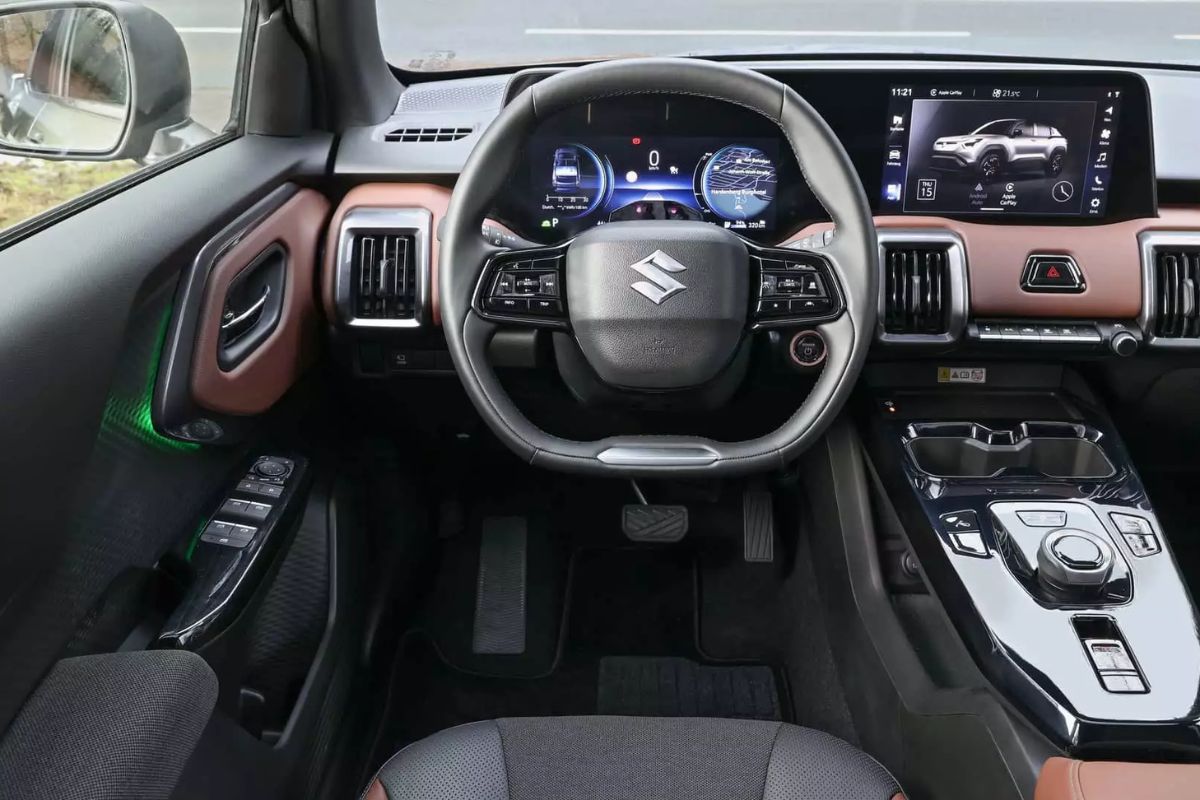
The 2026 electric Vitara arrives in Brazil and proves that Suzuki is not leaving: 4×4 traction, 184 hp, 61 kWh LFP battery, 293 km range, R$ 259,000, and a trunk capacity of 224 L.
-
Hyundai has unveiled the Boulder, a square SUV with a body-on-frame design, 37-inch mud tires, and carriage-style doors that seems to be made to take on the Ford Bronco and the Scout Traveller in the United States.

-
The Toyota Hilux is R$ 75.5 thousand cheaper and bets on the 2.8 turbodiesel engine with up to 204 hp and 50.9 kgfm to catch up with the VW Saveiro, which leads with 4,472 sales.

-
The new Renault Koleos has a screen exclusively for the passenger that is invisible to the driver, heated rear seats, and 29 assistance systems, but its Chinese competitors cost R$ 40,000 less and deliver more power.




When the MAF is dirty or defective, the reading sent is inaccurate. This causes the system to inject excess fuel, resulting in idle misfires, stuttering, loss of power, and increased consumption. In some cases, the car may even stall on its own at low RPM, especially at traffic lights or in traffic jams.
According to automotive engineer Carlos Moura, technical consultant at Bosch, “the MAF sensor is one of the most sensitive components of the electronic injection system. When it is dirty, the car’s behavior changes completely, but the driver rarely suspects that the problem comes from there.”
Most Common Symptoms of the Failure
Among the classic signs of a faulty MAF, experts highlight:
- Loss of power when accelerating, especially uphill;
- Stuttering and slow responses when pressing the accelerator;
- Sudden increase in fuel consumption;
- Irregular idle, with slight fluctuations in RPM;
- Cold start difficulty;
- And, in more advanced cases, carbon buildup in the catalyst.
Since the sensor is responsible for regulating the entire air and fuel mixture, even the slightest deviation in its reading affects the combustion balance. The engine starts burning fuel poorly, resulting in vibration, noise, and a strong gasoline smell from the exhaust.
Why the MAF Sensor Fails
The primary reason is the dirt accumulated on the sensor’s filaments, which are extremely sensitive. Just a small deposit of dust or oil particles from the air filter can compromise the measurement.
Another factor is the use of contaminated fuels, which release harmful vapors that corrode the electronic component. Moisture is also an enemy of the MAF — small droplets of water can cause oxidation and alter the electrical signal sent to the module.
Therefore, in vehicles that frequently operate in dusty areas or with irregular air filter maintenance, the defect tends to occur earlier. And since the sensor rarely “burns out” completely, the problem manifests slowly, even confusing professionals.
How to Prevent and Fix the Problem
The good news is that the MAF sensor is easy to clean and, in most cases, does not need to be replaced. There are specific cleaning sprays for air flow sensors that remove dirt without damaging the sensitive element.
Experts recommend cleaning the MAF every 10,000 kilometers or whenever the air filter is changed. It is essential never to use abrasive products or blow air on the sensor with compressed air, as the internal filament is extremely fragile.

If the component already shows electrical failures or oxidation, it is best to replace it. Prices range from R$ 200 to R$ 1,000, depending on the vehicle model — much less than the loss caused by an incorrect diagnosis or by increased consumption in the long term.
The Final Warning
Ignoring the defect in the MAF sensor is like driving with a “blind” engine. Without knowing the exact amount of air entering, the system injects fuel blindly, straining the pistons, the catalyst, and the exhaust system.
Over time, fuel consumption rises, performance falls, and damage multiplies.
Tackling this problem early is simple and inexpensive. But if neglected, the small sensor can cause thousands of reais in damage — a high price for an almost invisible defect.










-

Uma pessoa reagiu a isso.