





 Portuguese
  English
  Spanish
  6 min of reading
  0 comments


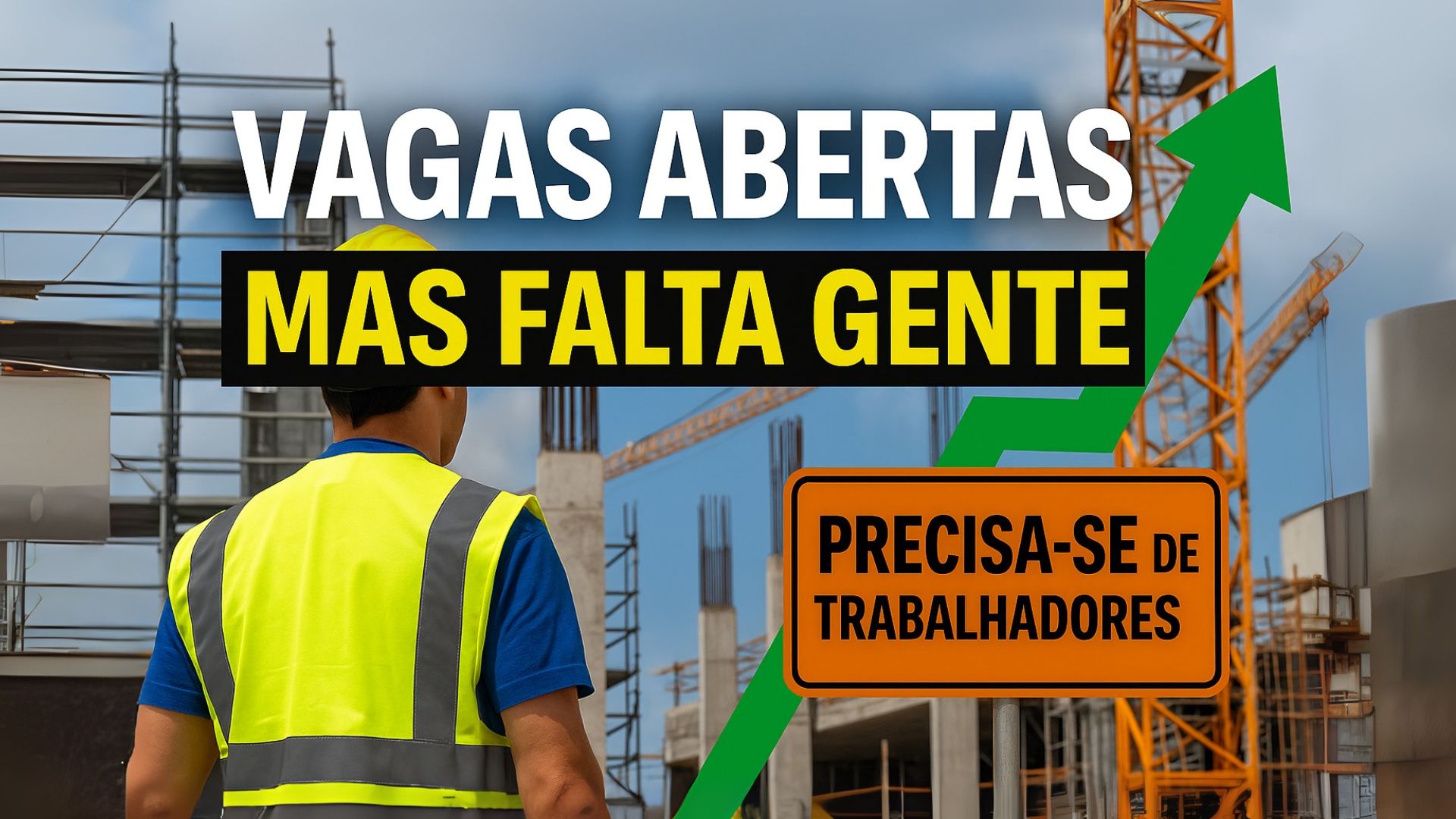
Construction Sector Advances Above GDP, but Faces Shortage of Skilled Workers, with Millions of Job Openings Expected by 2027. Free and Paid Courses Promise to Open Doors for Those Looking to Enter or Update Themselves in the Field.
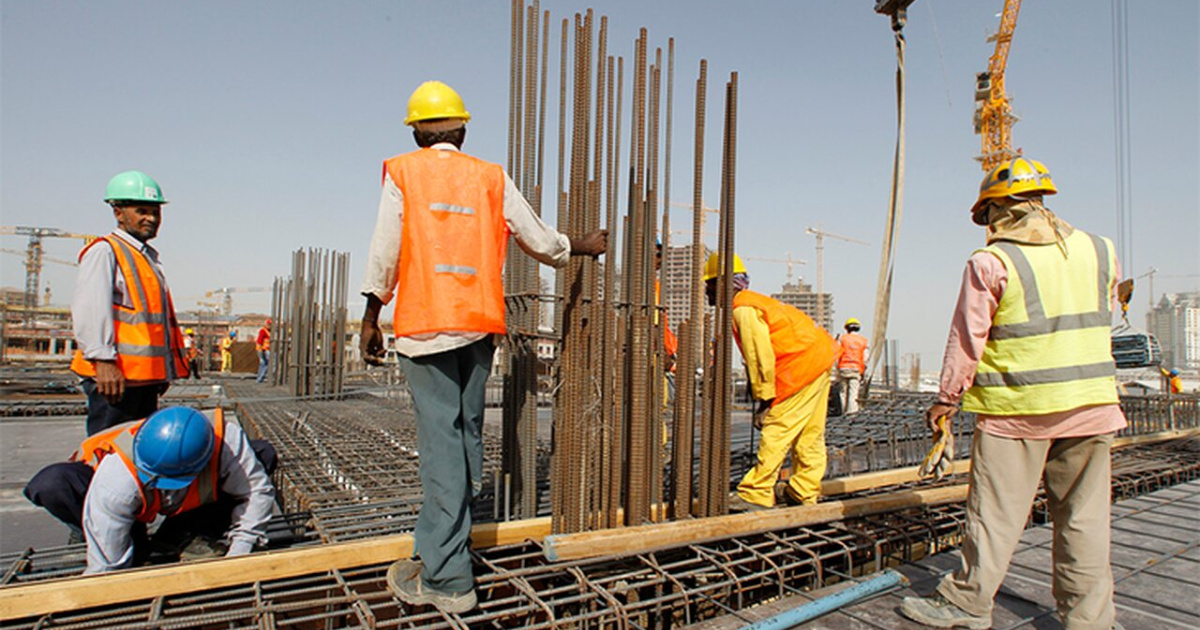
The construction sector continues to accelerate and faces a shortage of qualified workers.
The Industrial Labor Map from the National Confederation of Industry projects a need to train about 14 million professionals between 2025 and 2027, totaling 2.2 million new entrants and 11.8 million requalifications.
Of this total, construction is the second area with the highest demand for training, accounting for 10% of the workforce, equivalent to 1.4 million people.
-
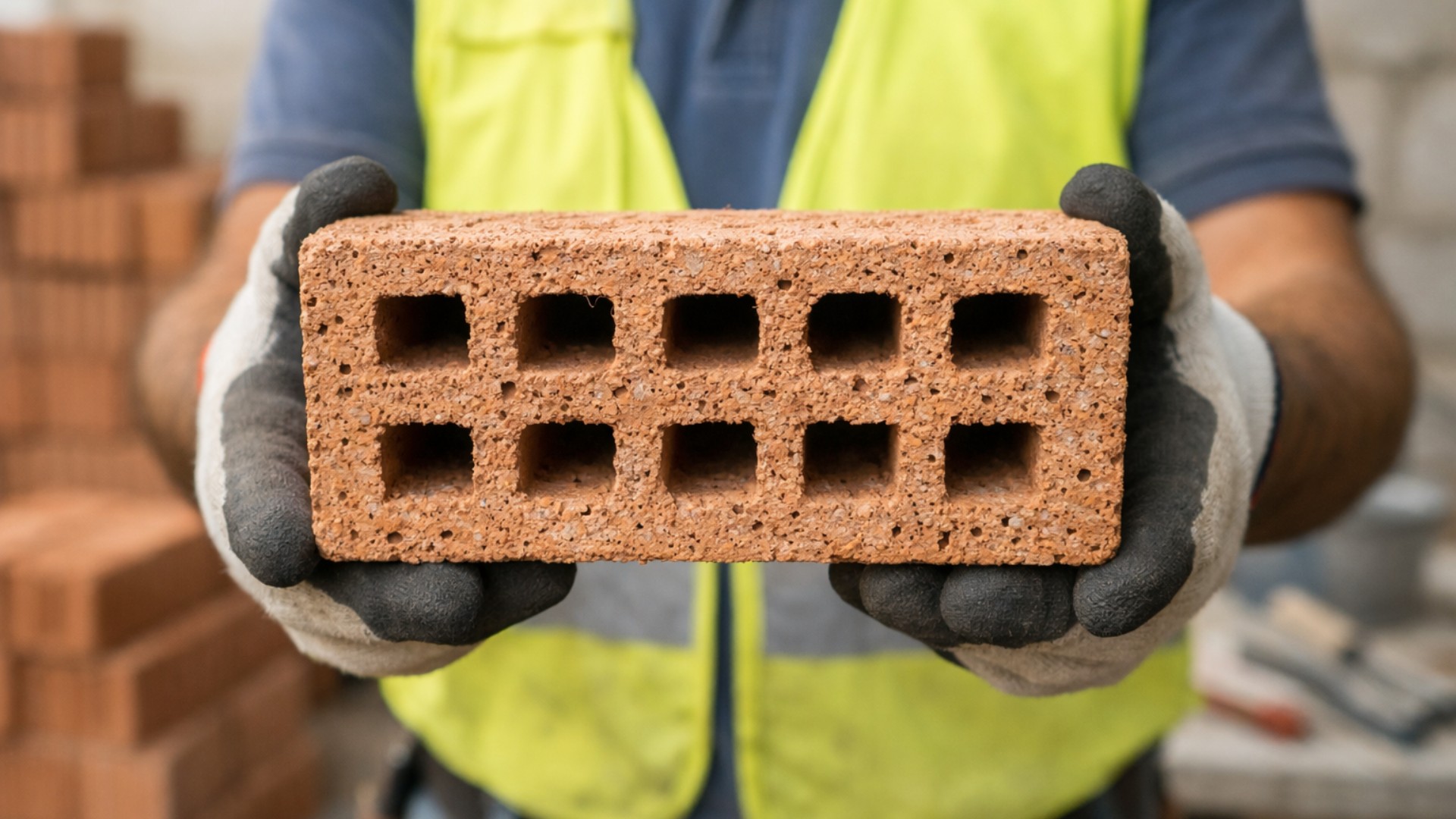
Scientists use sawdust mixed with clay to create a lighter brick, promising efficient thermal insulation and impressing by transforming waste into a solution for construction.
-
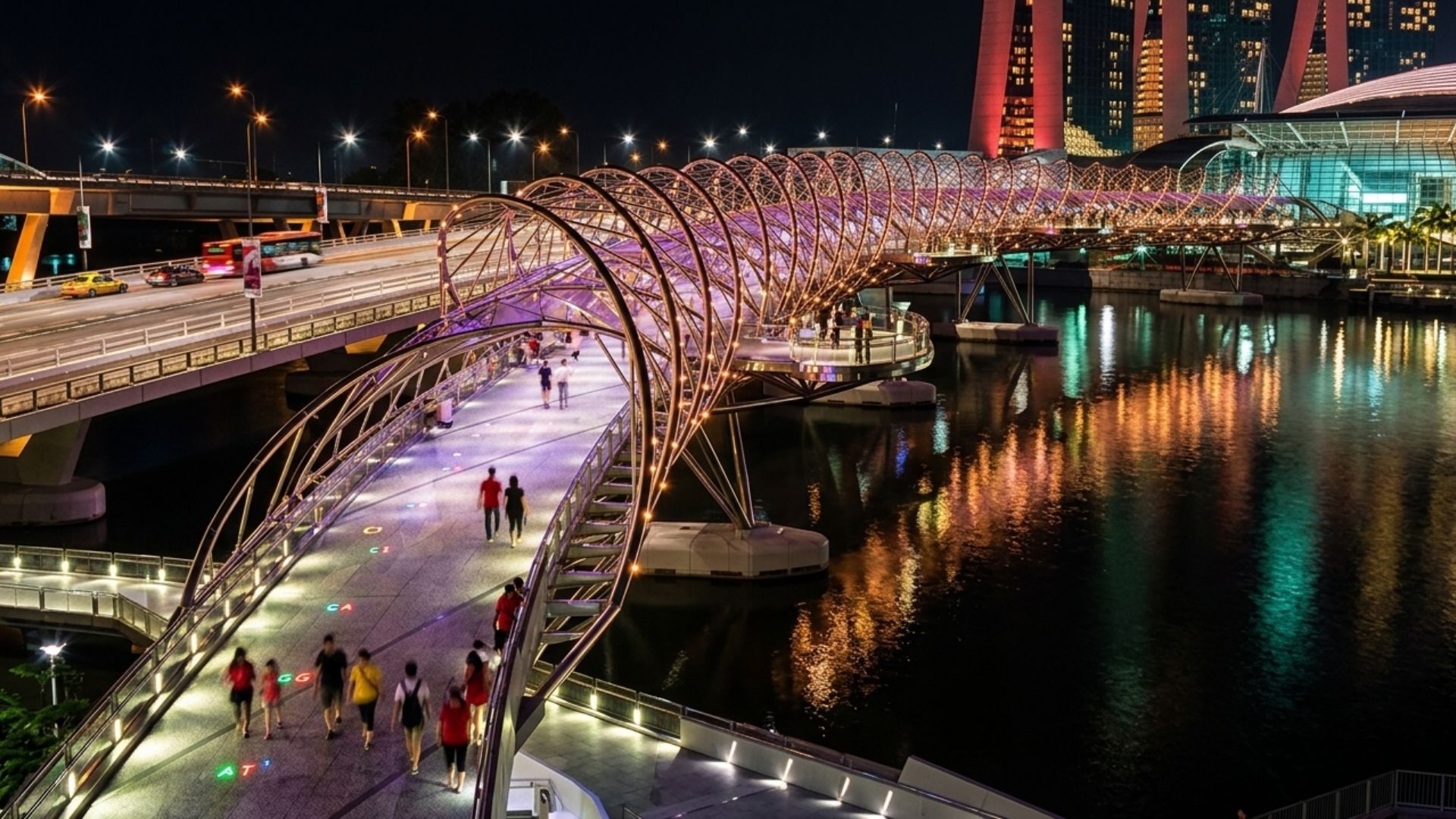
With a DNA shape, this bridge in Singapore draws attention in modern architecture and surprises tourists by transforming a simple crossing into an unforgettable visual experience in the urban heart.
-
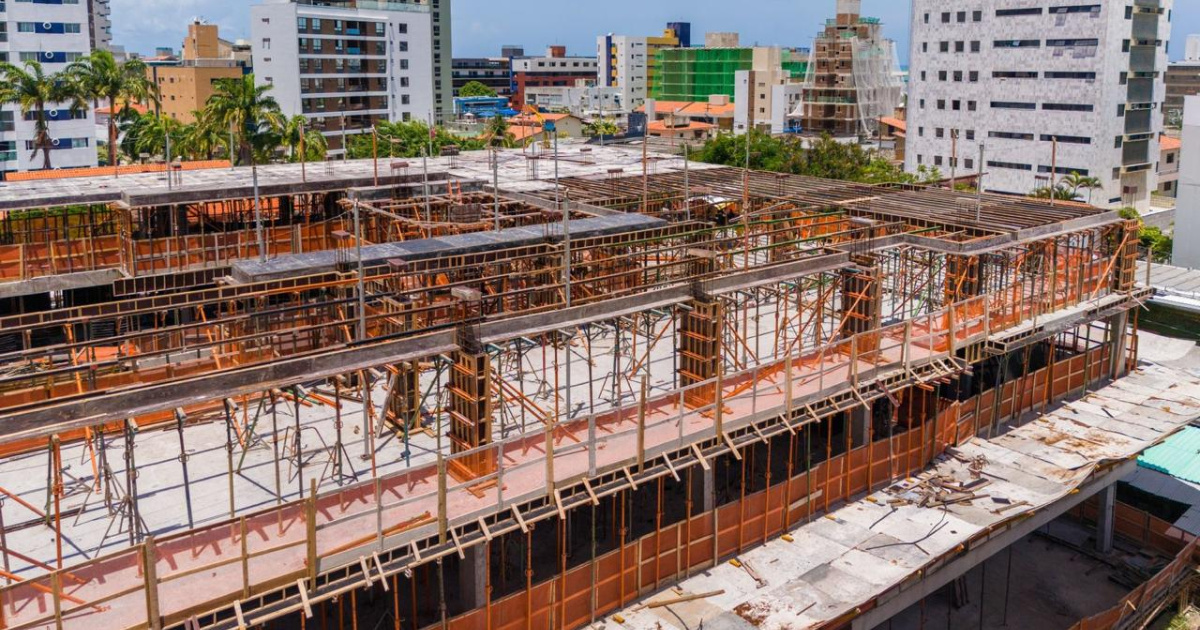
Giant underwater pipeline begins to take shape with a R$ 134.7 million project at the Port of Santos: the 1.7 km structure uses 12-meter and 700 mm pipes to supply water to 450,000 people in Guarujá.

-
A mason reveals a professional plastering technique that uses aligned guides and a 3-meter ruler to plaster an entire wall in up to 3 hours, without visible seams, with uniform thickness, perfect plumb, and a finish ready for painting without rework.


In 2024, the sector grew 4.3% in GDP, and the expectation for 2025 is 2.5%, which maintains the positive pace and increases the pressure for labor.
Demand for Qualification by 2027
The survey by CNI indicates that, in addition to making room for those seeking their first job, the industry will require the retraining of already active professionals, updating technical and socioemotional skills.
In construction, the shortage is distributed from the job sites to support functions, passing through machine operators, foundation workers, and specialists in masonry, finishing, and installations.
In the State of Rio, the projection indicates 103.2 thousand new opportunities for the period, in roles such as earthworks, civil works assistant, and structural activities.
Sector Grows Above GDP, but There’s a Lack of People
The recent growth occurred alongside difficulties in hiring.
“We reduced, but we continue to grow. And the issue of labor is critical, as we are currently experiencing a shortage in the sector,” says Marcelo Kaiuca, vice president of Firjan.
This assessment is shared by business and technical leaders who monitor the market and point to the combination of investments, housing programs, and the resumption of works as factors that sustain demand.
Sector Debate: Rio Construction Summit 2025
To discuss hiring and qualification solutions, the Rio Construction Summit 2025 will bring together more than 200 specialists at the Píer Mauá, in downtown Rio, from the 24th to the 26th of this month.
The event will focus on key topics such as professional training, productivity, safety, and innovation in materials and processes.
The aim is to bring together companies, educational institutions, and workers, focusing on training paths that reduce the mismatch between supply and the actual need of job sites.
Why Formalize Qualification
Although many learn “on the job,” formal qualification remains a differentiator.
According to Ana Paula Pillar, director of Initial and Continuing Education at Faetec, the classroom expands repertoire and employability.
“The professional learns techniques, safety, new tools, and updated processes, which makes a difference in the quality of work,” she states.
According to her, even in occupations with lower demand at times — such as masonry worker, ceramic coating applicator, and construction carpenter — certification increases the chances of hiring and enhances salary.
Voices from the Job Site: Real Traction in Careers
There are paths that summarize the effect of qualification on income and resume.
Rafael Vieira, 37, started as a laborer, without a course, and sought training while gaining experience in the field.
“I discovered in the works that there were other functions, asking for opportunities to practice and taking courses at the same time,” he recounts.
Today, he works as an electrical helper and is taking a Construction Electrician course at Senai to officially register the occupation.
With the revival of construction and the electrical sector, he aims for a degree in Renewable Energy Engineering.
Among the offered content, there are also subjects focused on behavioral competencies.
Kátia Cerqueira, 18, a student of Buildings at Faetec, highlights the importance of subjects related to relationships and teamwork.
She had, in the first and second years, the discipline Psychology of Human Relations, which addresses sociability, proactivity, and group dynamics.
In the student’s assessment, this foundation accelerates the transition to internships and facilitates communication on the job site.
From the companies’ side, qualification serves as a certification of safety and compliance.
For Aluísio Mendes Filho, president of Seconci-Rio, “the workforce must be qualified, both due to legal requirements and for safety and training issues. This is a guarantee for companies and workers.”
In parallel, analyses from the National Industry Observatory indicate that, after a strong expansion in 2024, activity and number of employees continue to advance in 2025, albeit at a more moderate pace, sustained by investments and housing demand.
Challenges such as high-interest rates and access to credit persist, factors that may limit new projects.
Courses That Open Doors: Where to Study
For those seeking a quick entry or career advancement, there are free and paid options starting throughout the second half and early next year.
The requirements vary, but most basic courses require at least 5th or 6th grade of elementary school and a minimum age between 16 and 18 years.
Technical courses often require high school in progress.
At Firjan Senai, the program expects 10,000 free spots this year, in about 40 courses related to construction.
In the state of Rio, there are 692 spots in qualification starting between September and December, in pathways such as Drywall Installer, Building Painter, and Masonry Bricklayer.
In related areas, such as Electricity and Renewable Energies, there are more than 330 free spots expected to start by November.
Faetec opens more than three thousand free spots every semester in qualification courses.
Among the most sought-after trainings are Electrician, Painter, Locksmith, Welder, Mason, Coating Applicator, and Solar Photovoltaic Energy Systems Installer.
The institution also announces new technical classes — with a focus on Buildings — in a calendar starting in October.
In partnership with Senai-RJ, the Municipal Labor Secretariat (SMTE) will offer 1,048 free spots in the construction area, with pathways such as Structural Mason, Construction Carpenter, Boilermaker, Drywall Systems Installer, and Building Painter.
The requirements vary according to the course but generally include a minimum of 16 years and 5th grade of elementary school.
The training is on-site at Senai units in the city, with workload of 180 to 540 hours.
The retailer Obramax maintains the Professionals Academy, with free classes on Saturdays at stores in Benfica, Jacarepaguá, and Guadalupe in the capital, and in Duque de Caxias and Mesquita in Baixada.
There are exclusive classes for women and offerings of virtual classes during the week in the evenings, focused on good practices in execution, quality, safety, and efficiency.
In the field of safety and health at work, Seconci-Rio recruits interested individuals for free courses and directs them to Senai.
The entity also offers normative training — such as NR-5 (CIPA) and NR-23 (Fire Protection) — with prices ranging from R$ 30 to R$ 700, conducted at its headquarters at Praça da Bandeira.
Workers from associated construction companies have special conditions.
For careers in engineering and architecture, G+P Lab announced, starting in January 2026, paid and free courses in budgeting, construction management, personal finance, planning, project management, and career, in EAD and in-person format in Barra da Tijuca.
Those working in the real estate market with active registration in Creci can find, on the platform Uniphacz, free pathways of two to six weeks focused on sales, negotiation, public speaking, personal marketing, well-being, and technical content applied to the sector.
The Tenda also conducts periodic selections aimed at immigrants interested in training to work in construction.
Having elementary education and the ability to handle materials and tools is desirable.
After selection, the apprentices begin training focused on the job site, emphasizing Structure — formwork assembly, reinforcement, embedded elements, and finishes.
How to Choose Your Pathway
According to industry specialists, hiring tends to occur more quickly when the worker combines recognized certification, supervised practice, and constant updating.
Courses in electrical installations, drywall systems, structural masonry, and building painting are recurring entry points.
For those looking to advance in salary and responsibility, technical training such as Buildings and qualifications in solar photovoltaic energy and renewable energies broaden the scope.
Experts suggest starting with an occupation with high local demand and then expanding practical experience in construction, renovations, and internships.
In light of this heating scenario, what qualification do you intend to pursue first to secure your spot in 2025?








Seja o primeiro a reagir!