





 English
  Francês
  Alemão
  Italiano
  Japonês
  Norueguês
  Portuguese
  Spanish
  3 min of reading
  0 comments


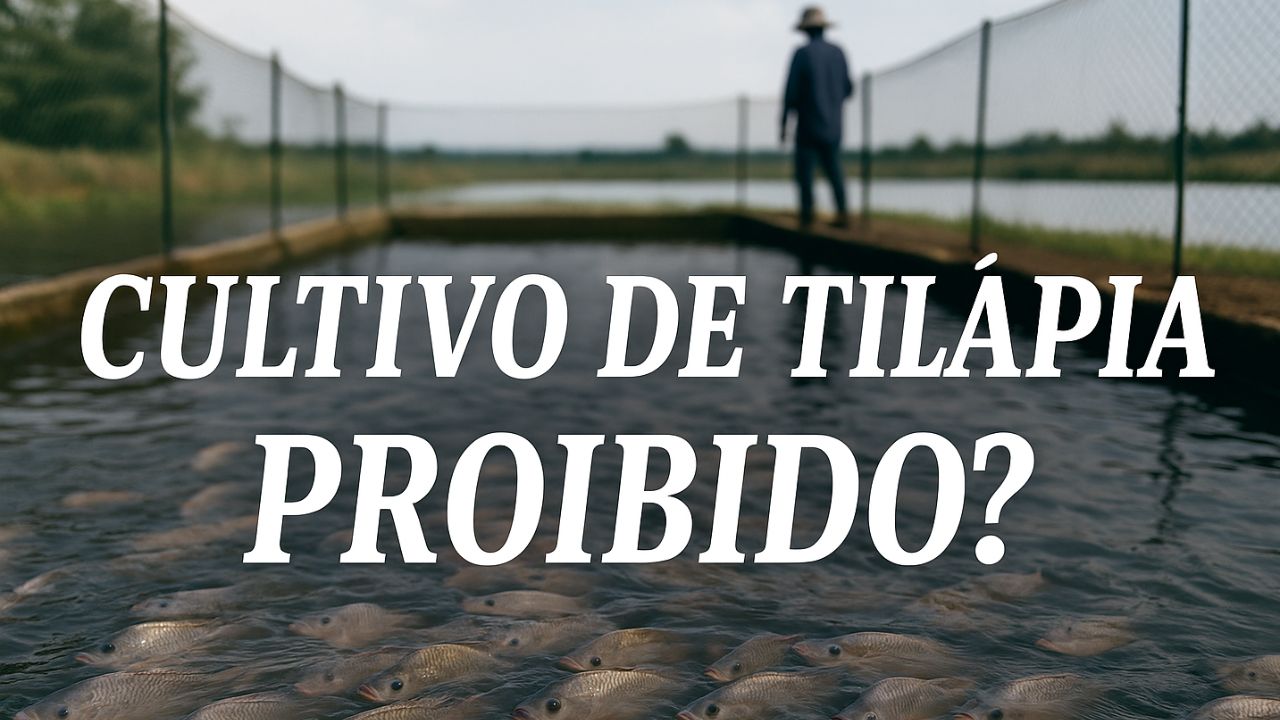
Government Confirms That Tilapia Farming is Still Allowed in Brazil, Even With Conabio’s Analysis on Invasive Species.
The Ministry of the Environment and Climate Change (MMA) confirmed this week that there is no plan to prohibit tilapia farming in the country.
The clarification was announced after rumors that the species could be banned for being included in a new list of invasive exotic species, currently under review by the National Biodiversity Commission (Conabio).
The proposal, which will still be voted on in December, raised concerns among producers and representatives of the aquaculture sector.
-
While Russia dominates the global wheat market, Brazil emerges as an unexpected competitor in the Cerrado, offering grain available in July and August when stocks in the Northern Hemisphere are at their lowest point of the year.

-
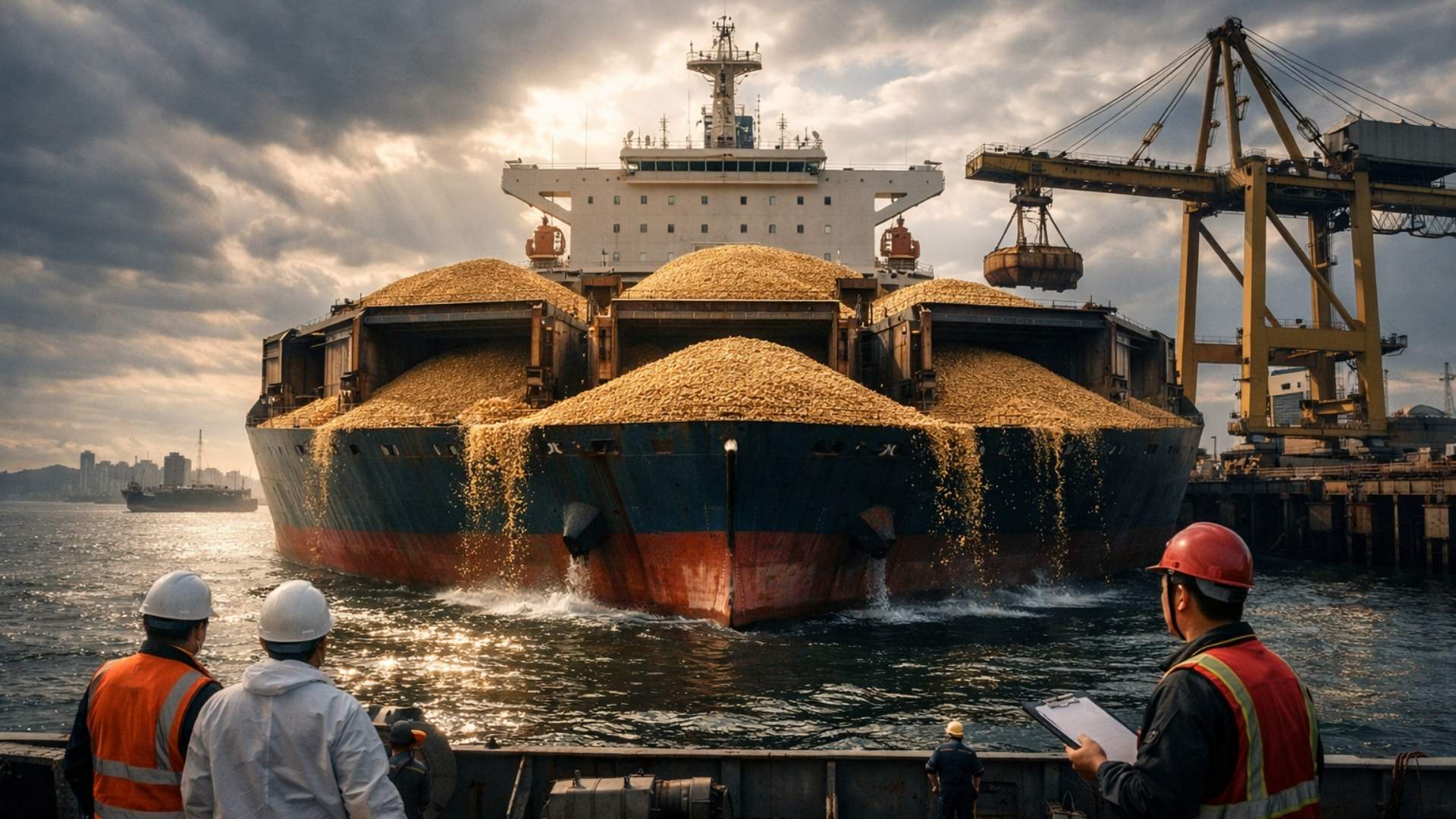
China returned almost 20 Brazilian ships with soybeans, but now everything could change: the country that buys 80% of the grain is considering relaxing regulations after impurities held up shipments of thousands of tons and caused million-dollar losses.
-
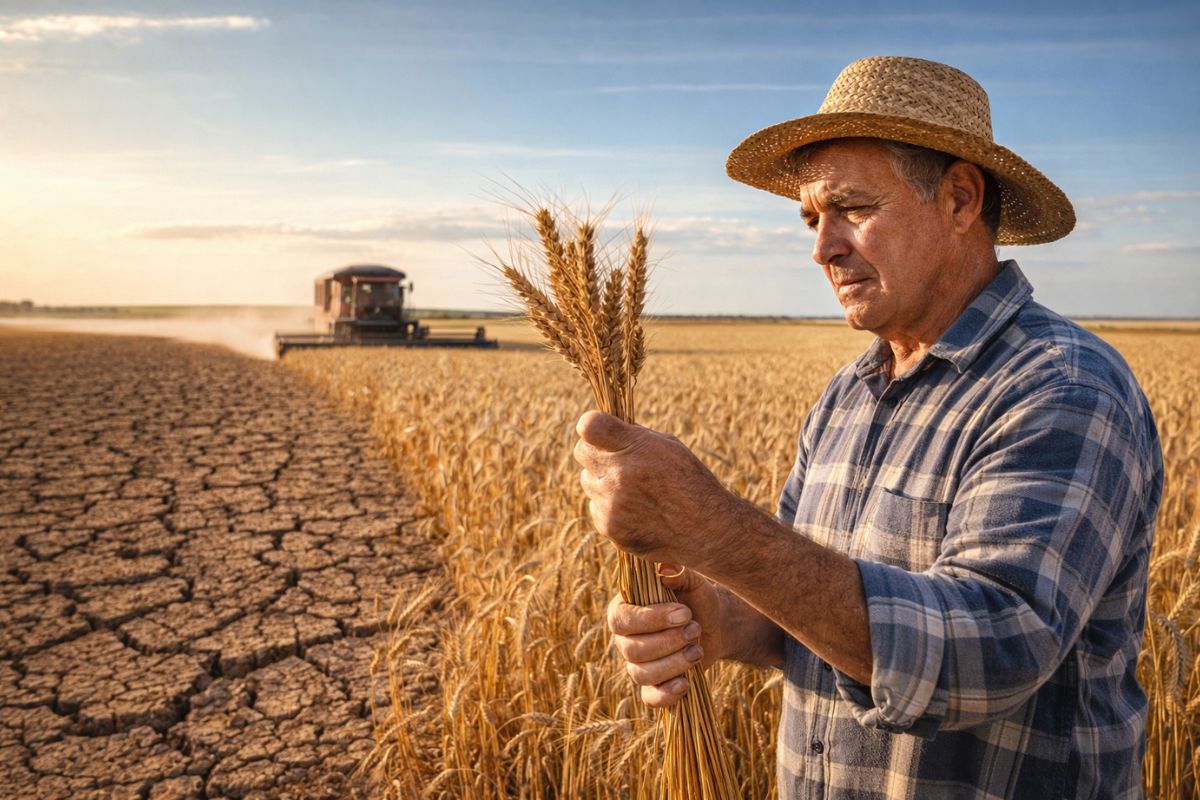
The drought of the cerrado was considered an enemy of wheat, but Brazilian scientists turned the lack of rain into a competitive advantage by creating a grain with quality that is already attracting the attention of international mills around the world.
-
THE OWNER of Brazil: a farmer who came from laundries, created an ’empire’ and today runs a company valued at R$ 42 billion after tripling its value in less than a year and receiving a billion-dollar investment from the USA.


According to the MMA, the potential inclusion of tilapia in the list does not imply production restrictions. The ministry emphasized that the goal is technical and preventive, aiming only to map species with potential environmental impact and guide public control policies.

Tilapia is Highlighted in National Fish Production
Currently, Brazil is one of the largest producers of tilapia in the world. In 2024, the species accounted for 68% of total farmed fish production, equivalent to 662,200 tons, according to industry data.
Being an adaptable and fast-growing species, tilapia has become essential for the national aquaculture economy, creating thousands of direct and indirect jobs.
The Brazilian Institute of Environment and Renewable Natural Resources (Ibama), responsible for authorizing the farming of exotic species, also reinforced that tilapia farming continues to be allowed and regulated.
The agency states that there is “no proposal or plan to halt this activity,” highlighting that the farming is conducted within specific environmental standards.
The Role of Conabio and the Debate on the Environment
The Conabio, responsible for evaluating and approving the list of invasive exotic species, includes representatives from 12 ministries, agencies, universities, farmers, and environmental organizations.
According to the MMA, the group analyzes each case collectively, considering the balance between environmental preservation and economic development.
“Recognizing exotic species with potential impact on native biodiversity is a technical and preventive measure, not implying banishment, prohibition of use, or cultivation,” the ministry emphasized in a statement.
According to the Ministry, the debate is crucial to prevent new biological invasions and develop rapid response strategies when necessary.
The Productive Sector Warns of Economic Impacts
The proposal, however, prompted immediate reactions from aquaculture-related entities. The Brazilian Association of Aquaculture (PeixeBR) classified the possibility of tilapia being treated as an invasive species as “concerning.”
For the entity, the measure would equate the fish to harmful animals, such as wild boars, which are the target of eradication policies.
“PeixeBR sees this proposal with extreme concern, as its foundation lacks comprehensive technical debate and updated, impartial studies. Decisions of this magnitude must not disregard the socioeconomic impact on thousands of families that rely on aquaculture,” the association stated in a note.
PeixeBR also criticized the lack of adequate timeframe for the sector’s defense, arguing that the proposal could harm producers who operate within legality and follow strict environmental norms.
Parliamentarians and Associations Call for Review of the Proposal
The president of the Parliamentary Front of Agriculture (FPA), deputy Pedro Lupion (PP-PR), called Conabio’s draft a “bad joke,” stating that it “creates considerable problems for the management of species” and does not reflect the production reality of the country.
Meanwhile, Marilsa Patrício Fernandes, executive secretary of the Association of Farmers in Paulista Waters and the Union (Peixe SP), emphasized the importance of balancing environment and economy:
“We recognize the importance of protecting native biodiversity. However, the generalized classification of tilapia as ‘invasive’, in the context of a licensed and highly technological activity, constitutes a grave error that could lead to irreversible socioeconomic impacts.”
Reconciliation Between Production and Sustainability
As the debate progresses, the government asserts that it will continue to seek balanced solutions between environmental conservation and sustainable production.
Tilapia farming, according to the MMA, will remain authorized and supervised by technical criteria, respecting current environmental guidelines.
Thus, Brazil reaffirms its commitment to responsible aquaculture, reconciling economic growth and biodiversity protection — two fundamental pillars for the future of the environment and food security in the country.










Seja o primeiro a reagir!