





 Portuguese
  English
  Spanish
  4 min of reading
  0 comments



Energy Sector Expands Hiring in 2026, Boosts Technical Careers and Offers Salaries Above R$ 5 Thousand with High Stability.
In 2026, the energy sector is set to take a central position in the Brazilian job market. Driven by the energy transition, the expansion of renewable sources, and the modernization of electrical infrastructure, the segment today combines a rare mix of stability, constant demand, and salaries above the national average.
Unlike other sectors, growth does not solely depend on the economic cycle, but on structural policies and long-term investments.
At the same time, the requirement for a university degree has lost prominence. Technical courses, professional certifications, and practical experience have become sufficient to secure a monthly income above R$ 5 thousand in various roles.
-
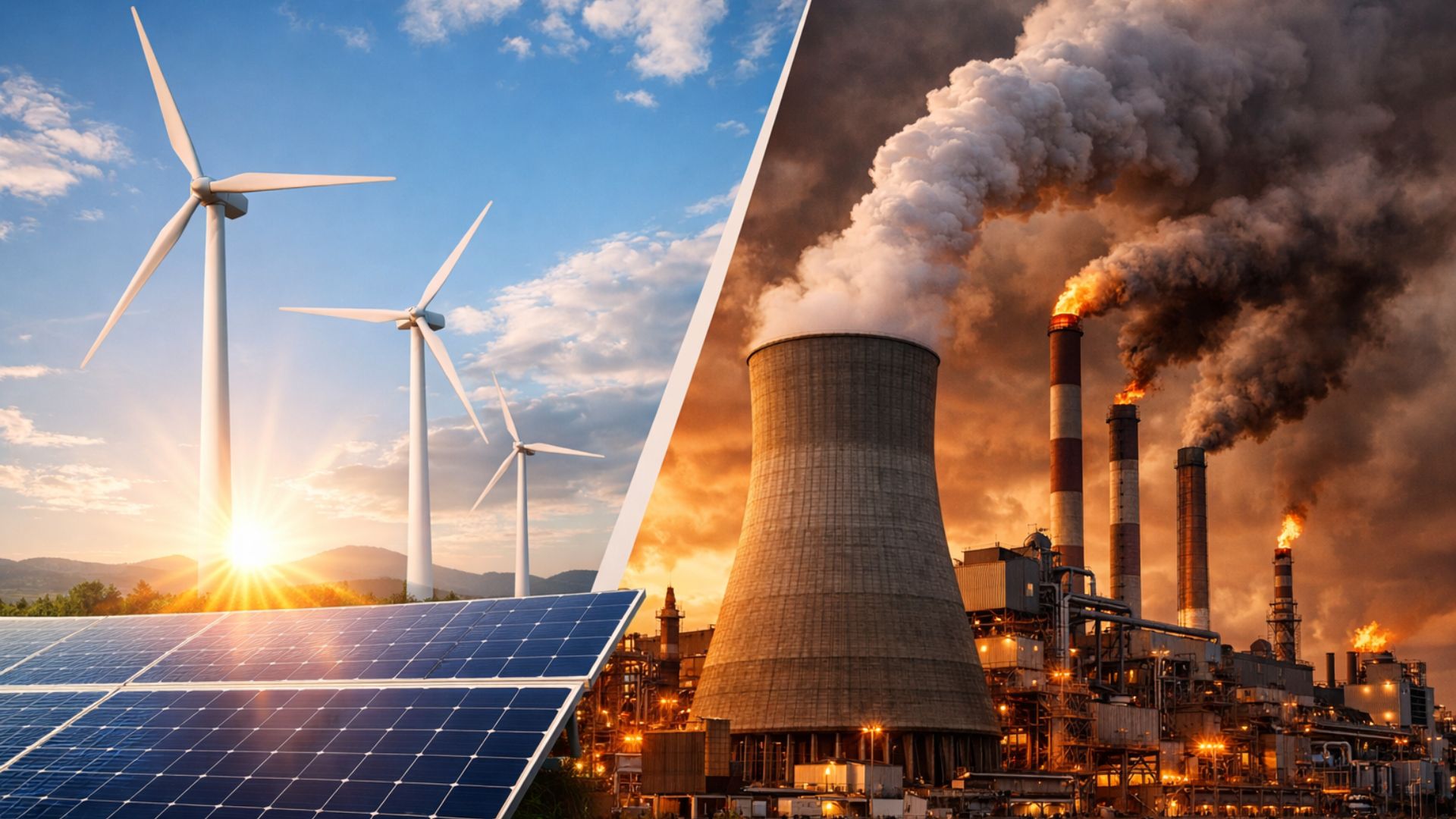
Understand how thermal security has become a key element in the energy transition by ensuring a balance between intermittent renewable energies and thermal sources capable of sustaining the electrical system during critical moments.
-
Billion-dollar investment for the forest: World Bank releases funds to expand renewable energy and create thousands of new green jobs in the Amazon region.

-
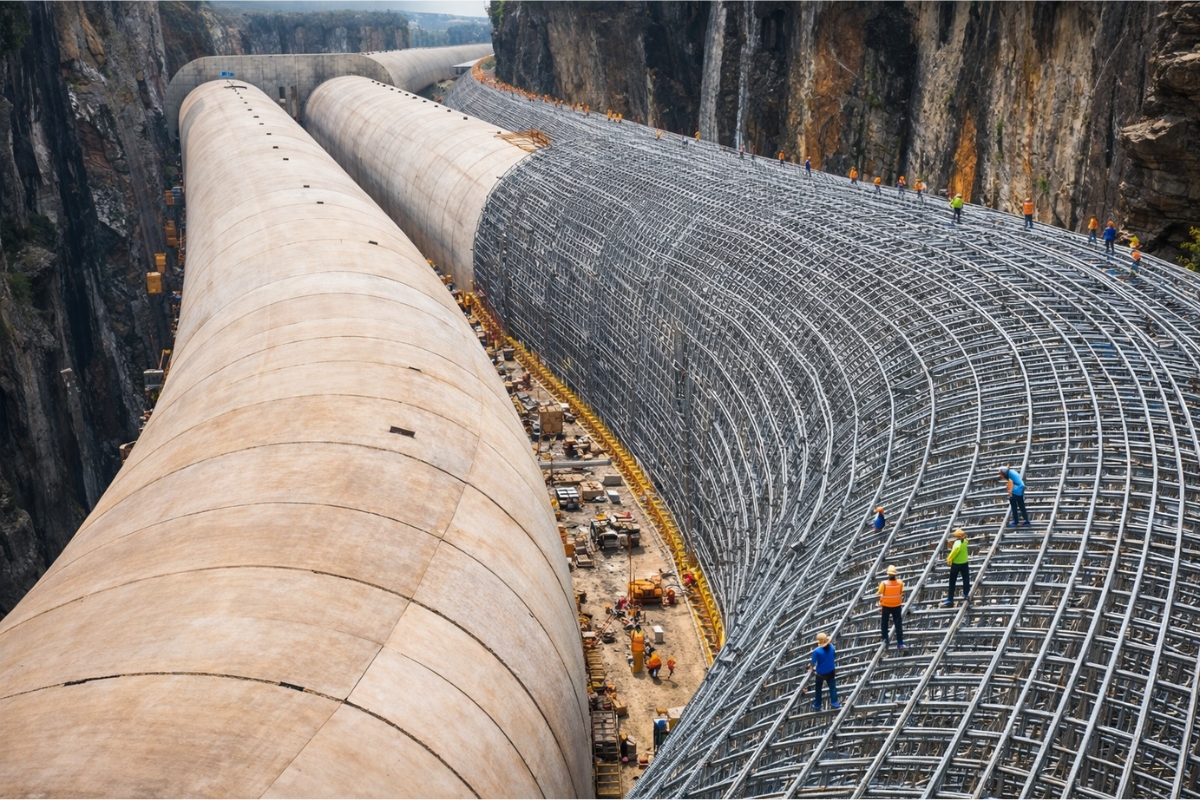
Switzerland invested over $2.3 billion and bet on water, altitude, and solid rock to create a battery in the Alps capable of powering more than 1 million homes.
-
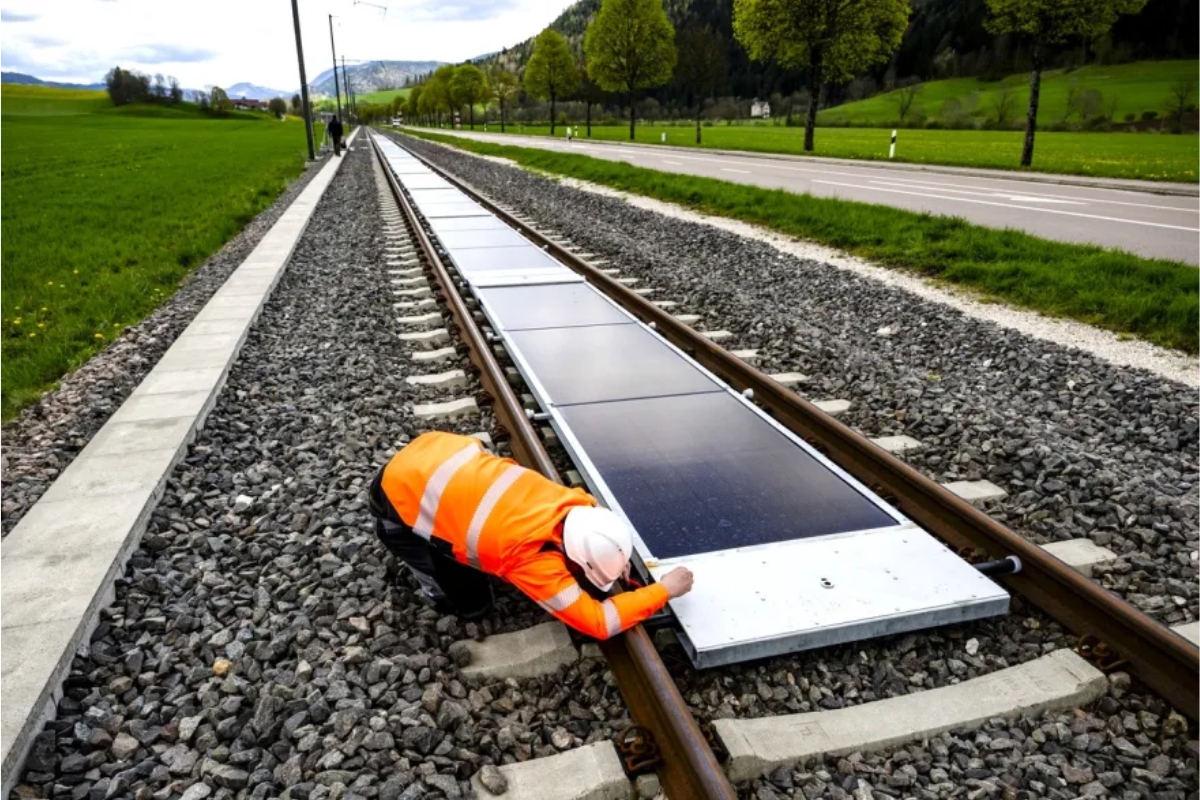
In Switzerland, tracks that previously only accommodated trains are beginning to generate electricity with removable solar panels installed on active railways, paving the way to transform the railway network into a new front for clean energy.

This movement has expanded access to the energy sector and attracted professionals seeking quick reemployment and financial predictability.
Why The Energy Sector Became One of The Most Stable in 2026
The stability of the energy sector is linked to the essential nature of the service. The generation and distribution of electricity cannot be interrupted, ensuring continual demand for maintenance, operation, and infrastructure expansion. Additionally, the diversification of the energy matrix has reduced risks and created new work fronts.
Among the main factors supporting this scenario are:
- Accelerated growth of solar and wind generation
- Modernization of the national electrical grid
- Expansion of distributed generation in homes and businesses
- Permanent need for certified technicians
As a result, the sector shows low turnover and longer-lasting contracts, protecting workers from sharp economic fluctuations.
Solar Energy Leads Technical Hiring in The Energy Sector
Within the energy sector, solar energy has established itself as the segment generating the most technical job openings in 2026. The expansion of power plants, the installation of residential and commercial systems, and the increased demand for maintenance have driven the search for qualified professionals.
Technicians in photovoltaic systems and specialized electrotechnical fields are among the most sought after.
Starting salaries often exceed R$ 5,000, especially in companies handling large installation volumes. More experienced professionals, working as team leaders or service providers, can earn average incomes between R$ 6,000 and R$ 7,000.
Furthermore, the income tax exemption for salaries up to R$ 5,000 has increased the net earnings of these workers, making the field even more attractive. The presence of opportunities in almost all states also reduces the need for migration, strengthening local employability.
Wind Sector Offers Higher Salaries for Specialized Technicians
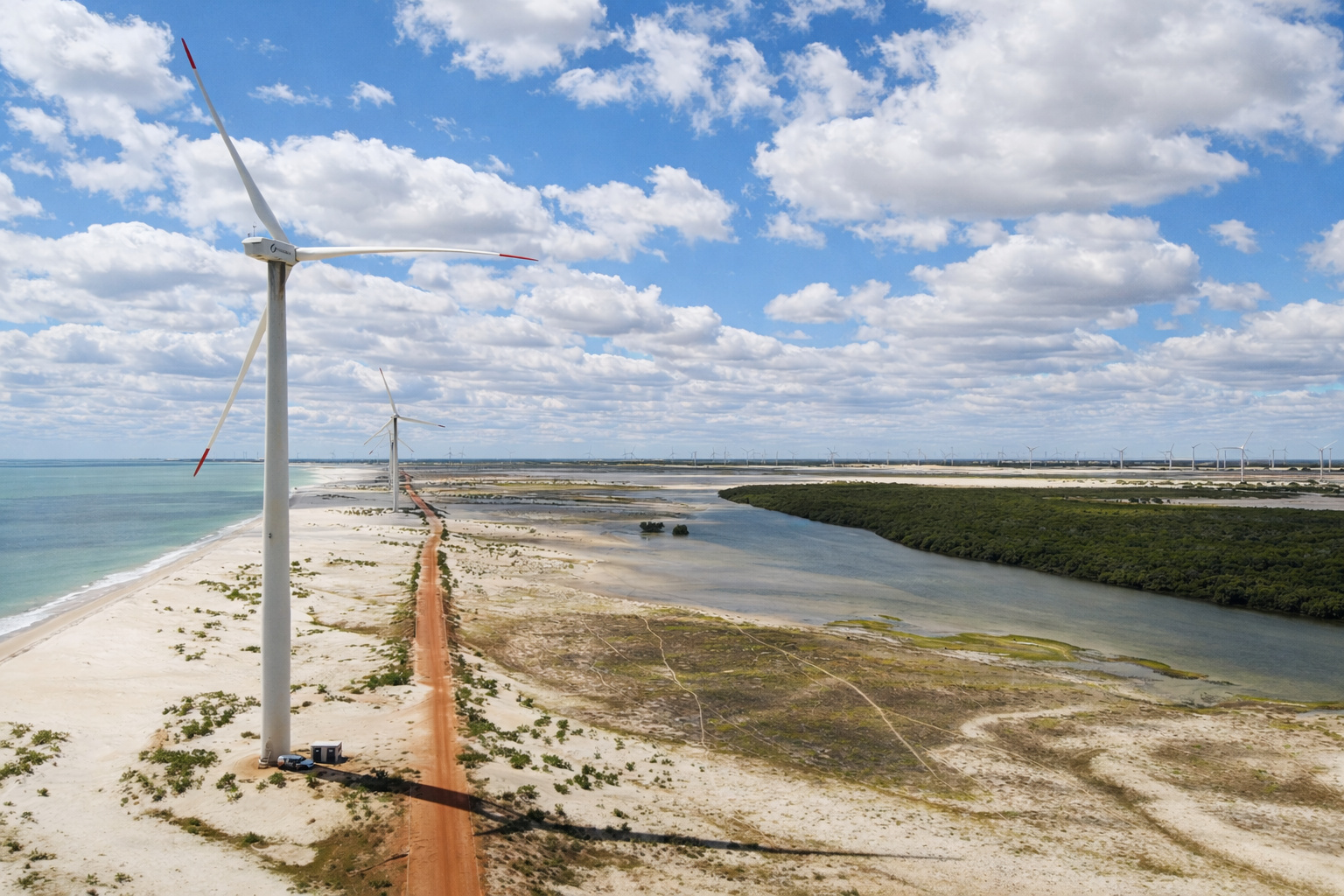
Wind energy remains the highest-paying technical segment in the energy sector in 2026. The maintenance of turbines requires advanced electromechanical knowledge, work at heights, and specific certifications, which reduces the number of professionals capable of working in the area.
Salaries range from R$ 5,500 to R$ 7,500, which can be increased by hazard pay and travel to remote regions, especially in the Northeast.
This set of factors explains why the area continues to attract professionals willing to invest in short-term courses with high financial returns.
The requirement for certifications from the Global Wind Organization (GWO) remains a central hiring criterion, which reinforces the professionalization of the sector.
Electrotechnics Becomes The Basis of The Energy Sector
Technical training in electrotechnics is considered one of the most strategic within the energy sector. In 2026, these professionals work in various fronts, including hydro, solar, wind generation, substations, industries, and energy companies.
The versatility of the profession ensures high employability and starting salaries close to R$ 5,000, with the potential for rapid growth. Mastery of safety standards, such as NR-10 and NR-35, is critical to access the best jobs and contracts.
In addition to formal employment, many technicians increase their income through consulting services, residential electrical projects, and preventive maintenance, creating multiple sources of revenue.
Other Technical Roles with Salaries Above R$ 5 Thousand in The Energy Sector
In addition to solar, wind, and electrotechnics, other technical careers gained ground in 2026, driven by new technologies and operational demands. Among them are:
- Operators of electrical substations
- Technicians in green hydrogen
- Maintenance professionals in energy storage systems
- Technicians in industrial energy efficiency
These roles require specific technical training and constant updates, but offer robust benefit packages and long-term contracts.
Technical Training Accelerates Entry into The Energy Sector
The fastest entry door into the energy sector remains the technical course, with an average duration of 18 to 24 months. Institutions like SENAI and Federal Institutes continue to be references in the market, ensuring national recognition and acceptance.
Continuous updating in technologies such as inverters, remote monitoring, and battery systems has become a decisive differential in selection processes. In a rapidly evolving sector, ongoing training has become as important as the initial diploma.





Seja o primeiro a reagir!