





 Portuguese
  English
  Spanish
  3 min of reading


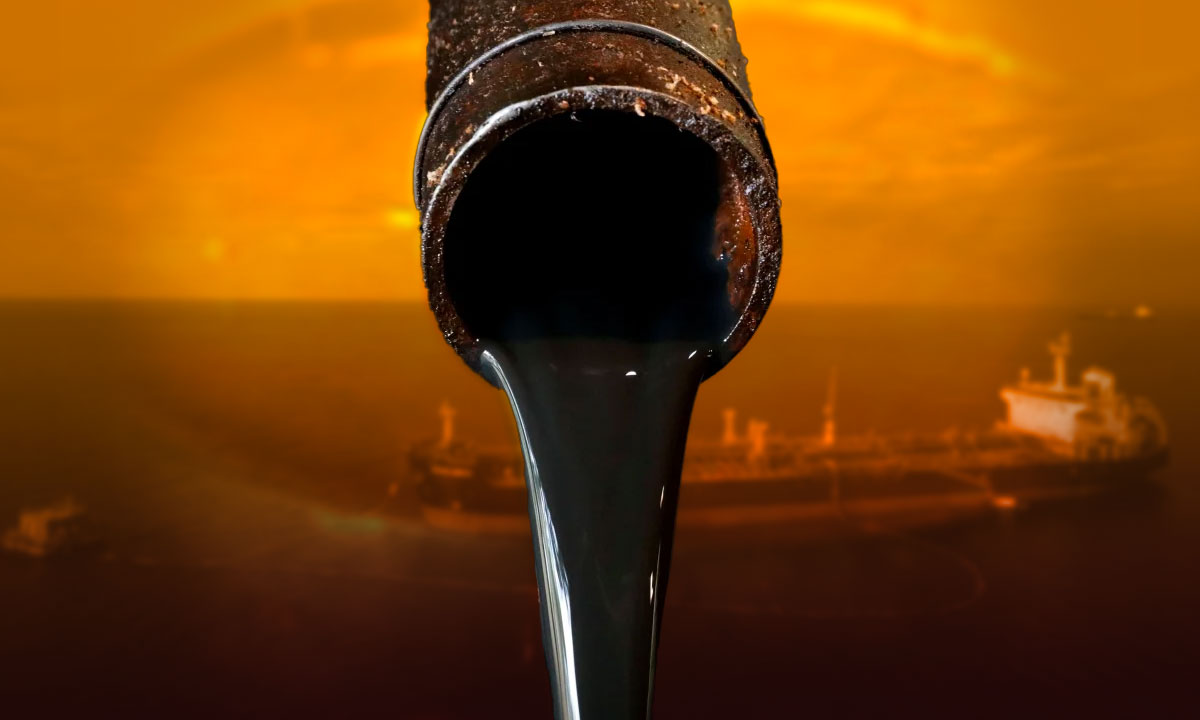
IBP, Also Referred to as Brazilian Institute of Oil and Gas, Announced It Would Be Preparing Its Investment Agenda and Expectations for the Years 2023 to 2030. According to the Company, It Is Estimated That Investments in Oil, Gas, and Oil Amount to at Least R$ 175 Billion Over These Seven Years.
When it comes to the country’s internal energy, it is estimated that the oil and gas sector accounts for about 46% of it, being one of the largest drivers of the Brazilian economy. In short, it is determined that this area alone is responsible for generating at least half a million jobs, helping to reduce the unemployment rate from IBGE, which is already at 14 million in 2022.
In the current energy scenario, it is estimated that the industry plays a crucial role in supplying energy to our society. Not to mention that it is precisely the industry, and not agribusiness, that optimizes the GDP, Gross Domestic Product, more significantly. However, for the year 2022, ANIB estimates a growth that does not even reach 1.5%.
Understand How the Economy Works Through a Practical Video, See


The YouTube channel called Jovens de Negócios has a video that will teach you how the economy works through a practical video. Oil and natural gas are strong drivers of it, and Brazil, like Petrobras, needs both for export and import.
-
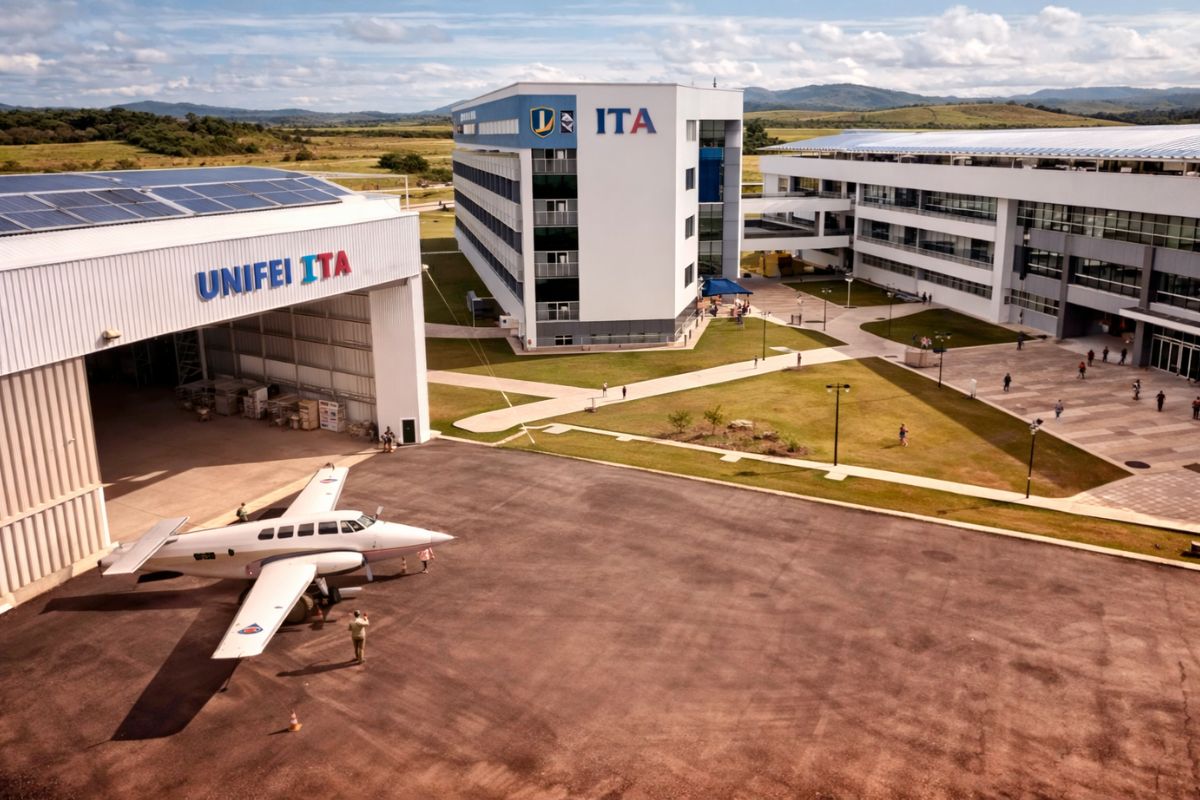
The institute that trained the greatest aerospace engineers in Brazil has just opened its first campus outside São Paulo after 75 years: ITA Ceará will have R$ 445 million, new courses in energy and systems, and classes are expected to start in 2027.
-
Luciano Hang, owner of Havan, goes to Juiz de Fora after the tragedy in February, brings R$ 1 million, hands out R$ 2,000 cards, and donates up to R$ 15,000 to victims in the region.

-
The Brazilian passport allows legal residence in dozens of countries without the need for a prior visa, and most Brazilians are unaware that they can apply for residency directly upon arriving in nations in South America, Africa, and even Europe.

-
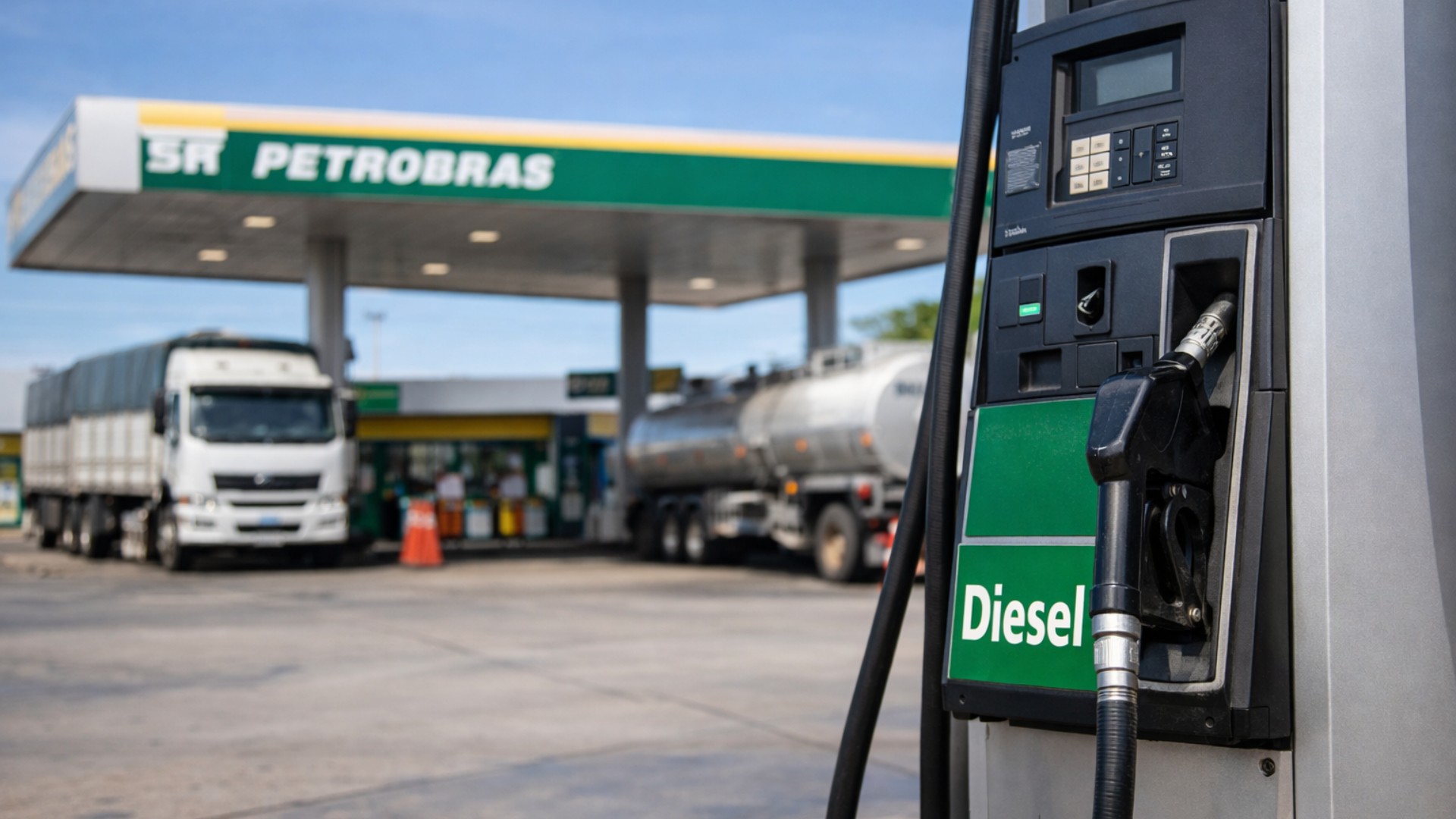
Petrobras sends a message to Brazilian truck drivers after fuel collapse and reveals plan to have 100% domestic diesel.

Industry Agenda and Energy Transition Are Strong Focuses of IBP
On Tuesday, April 26, the IBP industry agenda took place to discuss its expectations for the years 2022 to 2024: what is expected in the sector so far and what are the probable partnerships that can be made? It is worth noting that the topics most addressed at the meeting were related to market structure, business environment, ESG agenda, and energy transition.
The meeting sought to discuss what is driving the Brazilian economy and what intends to pave the energy transition from oil to renewable sources that are increasingly being applied in cars and other everyday items.
Eberaldo de Almeida Neto, president of IBP, states that it is not possible to carry out any type of energy transition without using oil and gas. Overall, it is estimated that our matrix already comprises at least 48% of all its supplies from renewable sources, which is well ahead of the global standard of only 14%.
Carbon Market Becoming Stronger, Especially When We Talk About Green Marketing
Neto states that the carbon market is becoming increasingly strong in our economy and should intensify significantly by the end of this decade. In short, it is essential that incentives are provided by major brands so that not only they but also small businesses begin to adopt more sustainable practices.
The entrepreneur argues that both individuals and brands are able to move in the economy through stimuli, which can be done through green marketing, tax reductions, and various other distinct aspects. The gas law, which would determine the prices of the internal and external market and thus set a tabulation of values, was also one of the focuses of the meeting.










Seja o primeiro a reagir!