





 Portuguese
  English
  Spanish
 5 min of reading
  0 comments



The Productive Sector Advocates for Greater Subsidies for Rural Insurance in Brazil in Light of Climate Change, Limited Agricultural Credit, Increased Field Risks, High Selic Rate, and Ongoing Modernization Debates in Congress
Rural insurance has become one of the most discussed topics in the Brazilian agribusiness in recent months. The subject gained traction because farmers and ranchers have been facing increasingly complicated situations in the field.
Climate change is bringing irregular rainfall, unexpected droughts, and temperatures different from the norm.
In addition, obtaining agricultural credit from banks has become more difficult, as financial institutions are requiring stricter guarantees. This increases the insecurity of those producing food in the country.
-
Larger than entire cities in Brazil: BYD is building a 4.6 km² complex in Bahia with a capacity for 600,000 vehicles per year, but the discovery of 163 workers in conditions analogous to slavery has shaken the entire project.

-
Unable to pass through Hormuz, Brazil activated a plan B that uses Turkey as a gateway to the Middle East: the route through Gibraltar and the Mediterranean is longer and more expensive but ensures that chicken, beef, and corn continue to reach Arab markets.

-
You grew up hearing that the good coffee from Brazil goes all abroad and the bad coffee stays for Brazilians, but this story has completely changed, and the numbers show that in the 1980s, thirty percent of the coffee sold here was adulterated with corn and barley.

-
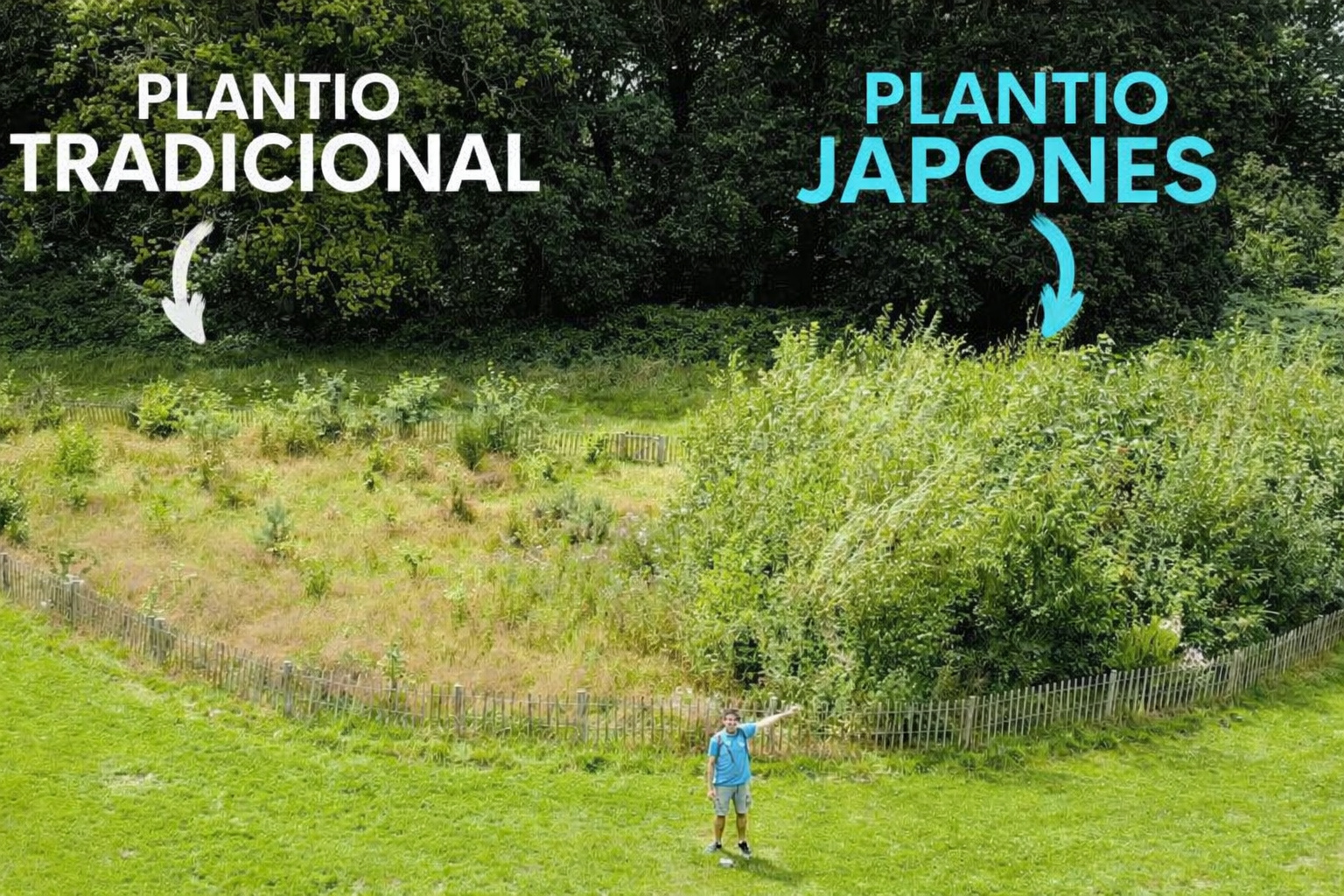
Engineer creates reforestation method that transforms small plots into dense forests in a few years using local biomass and can reduce environmental recovery costs.
In São Paulo, a seminar brought together representatives from the Ministry of Agriculture and Livestock (Mapa), Central Bank, National Congress, state government, Brazilian Rural Society, and various entities linked to the productive sector, according to a news article published.
The meeting reinforced one point: rural insurance needs to be strengthened with more government subsidies and participation from the productive chains themselves.
This movement could change how Brazilian agriculture handles losses, risks, and planning.
The debate also brought new proposals, such as the creation of a specific fund for disasters, as well as a bill aimed at modernizing rural insurance policy in Brazil.
The message was clear: it’s not enough to support agricultural credit; it is necessary to prioritize mechanisms that protect those on the front lines of production.
The Transition Between Credit and Protection
Rural insurance has gained traction in discussions because many believe it is more necessary than credit in certain situations.
Guilherme Campos, national secretary of Agricultural Policy at Mapa, emphasized that the resources from the Safra Plan have increased since 2023, but producer participation has fallen in 2024.
Among the cited reasons are the Selic rate at 15%, the rise in judicial recovery requests, and the difficulty in planning harvests with such unstable weather.
Carlos Ernesto Augustin, special advisor to the Minister of Agriculture, noted that it is time to discuss whether the country should prioritize subsidies for credit or for rural insurance.
He recalled that the current model no longer meets the reality of the field. Credit remains important, but alone does not guarantee the survival of producers in the face of so many losses caused by extreme weather events.
This change in focus means that part of the support that was previously concentrated on financing may shift to directly strengthening rural insurance.
Therefore, producers would have more security to take risks in their crops and livestock.
Rural Insurance and Bill 2951/2024
One of the key points in the debate was Bill 2951/2024, which is under consideration in the National Congress. It proposes updating how rural insurance is structured in Brazil.
In addition to increasing economic subsidies for the premium, the text introduces the idea of a supplementary fund called the Catastrophe Fund, aimed at situations where risks exceed insurance coverage.
The bill has been praised by representatives from different sectors, such as the Confederation of Agriculture and Livestock of Brazil (CNA), the Organization of Brazilian Cooperatives (OCB), the National Confederation of Insurers (CNseg), and the National Federation of General Insurance (FenSeg).
All defended the importance of modernizing rural insurance and making it more accessible for small, medium, and large producers.
The proposal to involve the productive sector in financing rural insurance also emerged in the discussions.
This alternative seeks to share responsibilities among the government, producers, and companies, making the system more sustainable in the long term.
Technology and New Analysis Methodologies
Another point addressed was innovation in the operation of rural insurance. Technicians from Embrapa Digital Agriculture and Mapa showcased initiatives being implemented to reduce risks and improve contracting conditions.
One example is the Agricultural Risk Zone (Zarc), a tool that indicates the most suitable planting periods according to each region and crop.
In addition, a new version called Zarc with management level is in testing. This model was piloted in Londrina (PR), focused on soybeans.
The idea is simple: the more technologies and good practices the producer adopts in their crops, the more advantageous the conditions of rural insurance may be. Three insurance companies have already shown interest in participating in this experience.
These advancements demonstrate how science and innovation can go hand in hand with protecting the field.
Based on data and analyses, rural insurance can be adjusted in a fairer and more efficient way, providing more peace of mind to producers who risk every day to ensure food for the population.
The Role of Public and Private Institutions
The seminar held in São Paulo also highlighted the importance of public and private institutions working together to strengthen rural insurance.
Mapa, the Central Bank, the State of São Paulo’s Agriculture Secretariat, and the National Congress have already demonstrated alignment with the issue.
In addition, representative entities from production and the insurance sector reinforced their support.
The director of the Mapa Risk Management Department, Diego Melo de Almeida, reminded that mechanisms like Zarc are already part of rural insurance, but need to be more widely disseminated.
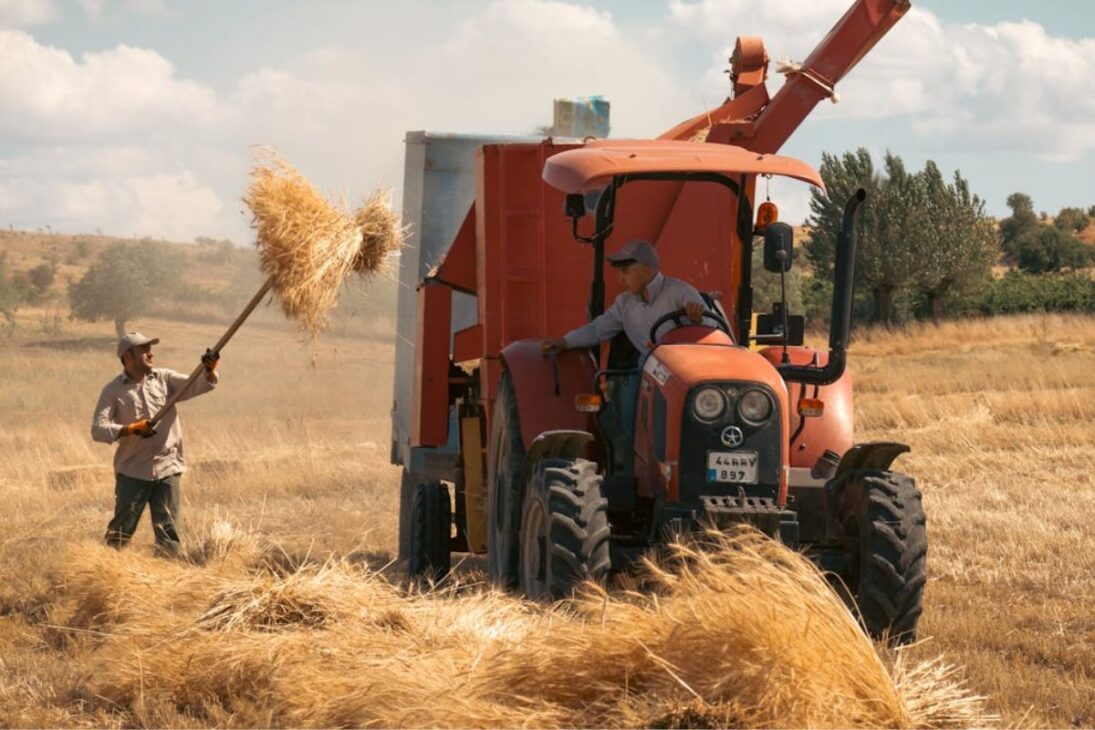
The Embrapa researcher, Eduardo Monteiro, emphasized that modernization depends on integrated strategies adapted to what producers are really facing in the field.
This set of efforts shows that rural insurance is not only a financial issue but also one of food security and maintaining production in all regions of the country.
The combination of responsible credit, public support, technological innovation, and participation from the productive sector can bring balance to agricultural and livestock activities in Brazil.
Ultimately, rural insurance has ceased to be seen merely as an option and has come to be regarded as an essential part of the future of agribusiness.
Climate change, difficulties in agricultural credit, debates about the Catastrophe Fund, and Bill 2951/2024 have placed this issue at the center of attention.






Seja o primeiro a reagir!