





 Portuguese
  English
  Spanish
  5 min of reading
  0 comments


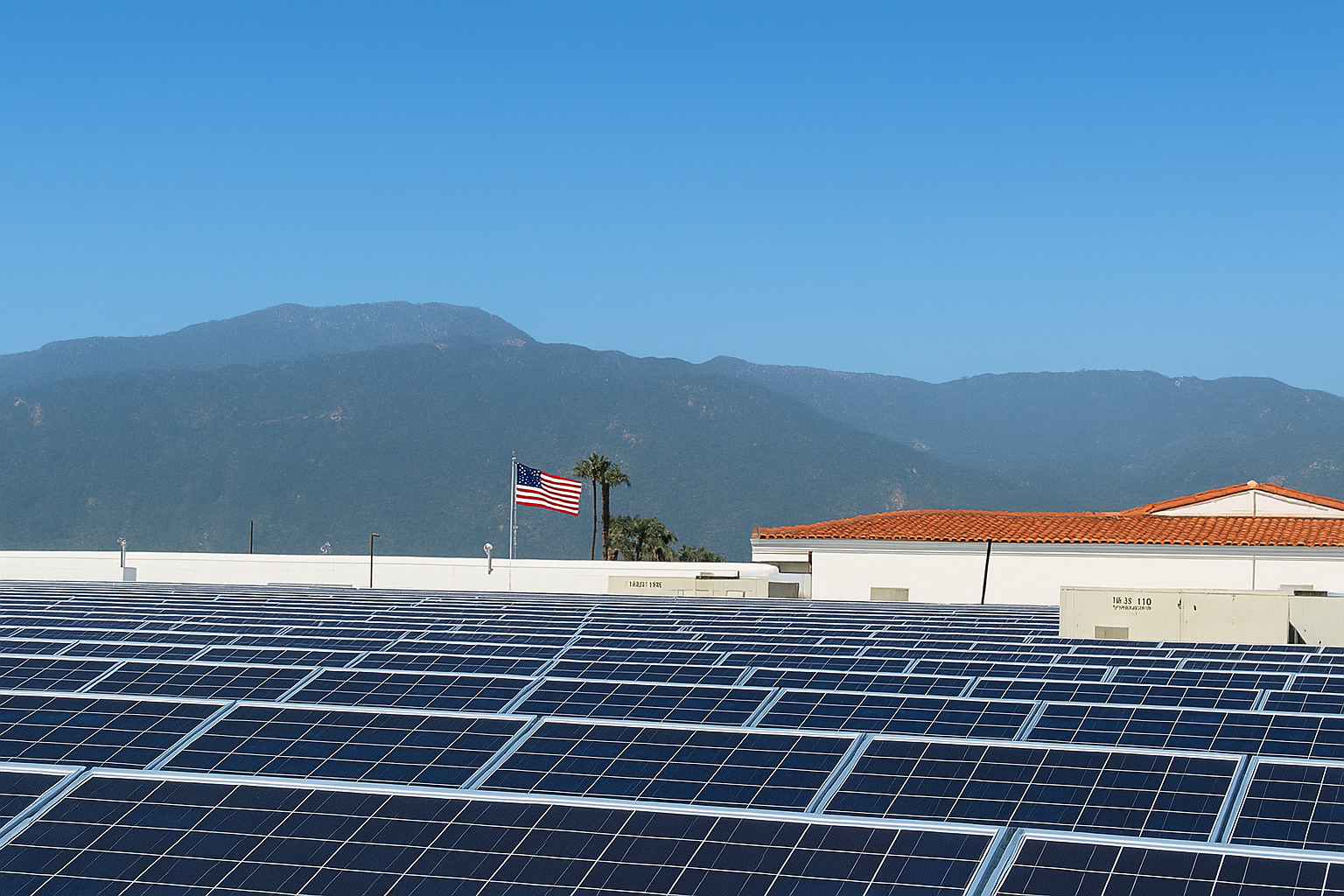
The New Tariff on Indian Products May jeopardize the U.S. Solar Sector, Pressuring Costs and Moving Away Alternatives to China in the Photovoltaic Supply Chain.
The U.S. solar sector is undergoing a rapid transition. With robust tax incentives and more stringent environmental policies, the country is trying to expand its clean energy matrix and reduce dependence on fossil fuel sources.
However, this movement occurs amid a global scenario of reconfiguration of supply chains. The search for alternatives to China, traditionally the leader in solar component production, has intensified after the advancement of legislation such as the Inflation Reduction Act (IRA).
This law aims to stimulate domestic production and penalize companies linked to governments considered adversaries. India, in this context, has gained prominence as a viable and strategic alternative to meet the growing demand for photovoltaic modules and cells.
-
Seagri’s headquarters invests in solar energy with Neoenergia Coelba and promises to cut electricity costs, highlighting a strategic advance in sustainability and energy efficiency within state public administration.

-
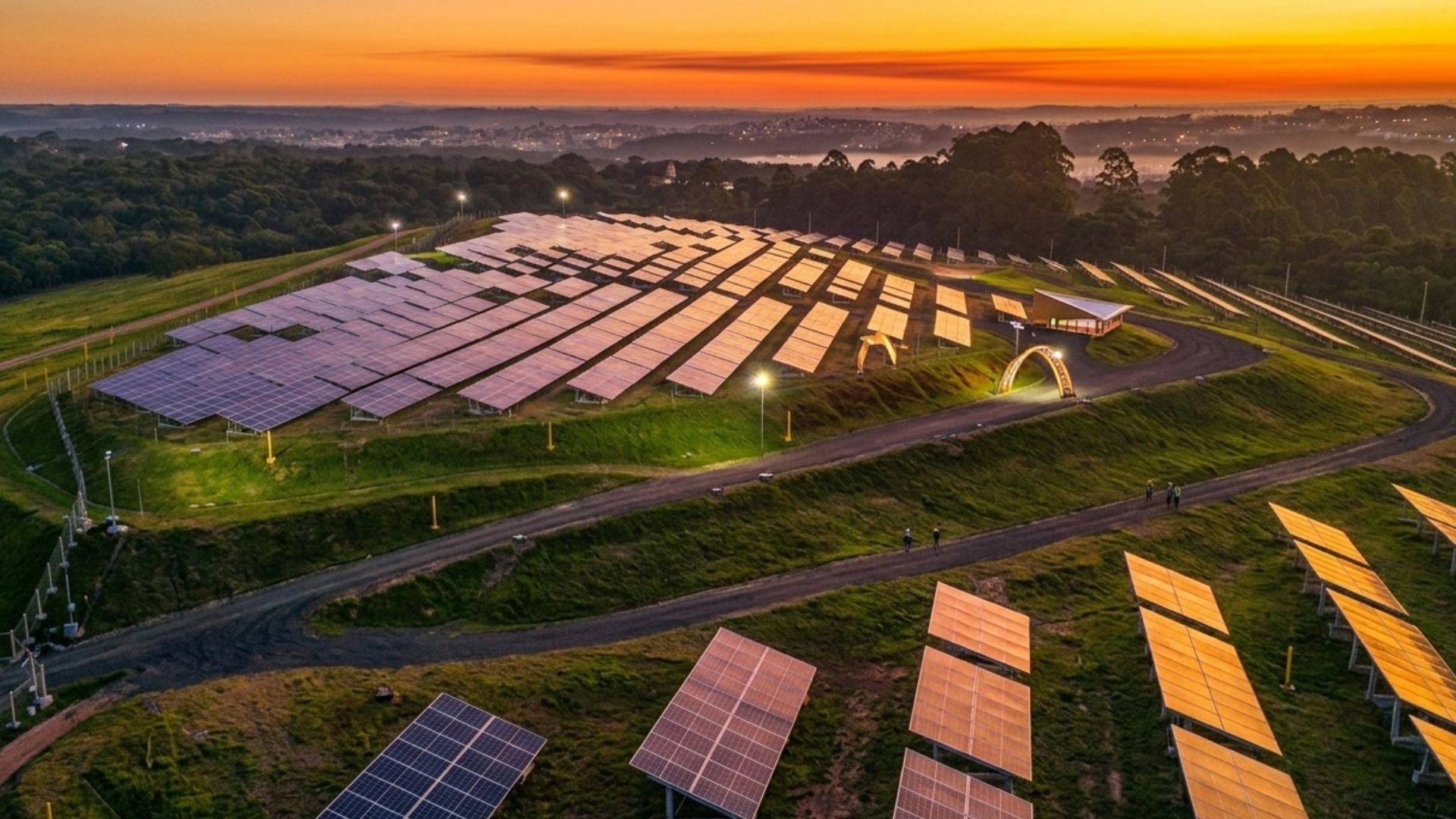
Solar Pyramid draws attention by converting solar energy into million-dollar savings and repositioning the City Hall of Curitiba as an example of innovation, sustainability, and intelligent use of public resources.
-
Europe records strong euro economy with solar energy in March and sparks curiosity about which country leads growth that redefines the energy market and reduces costs.

-
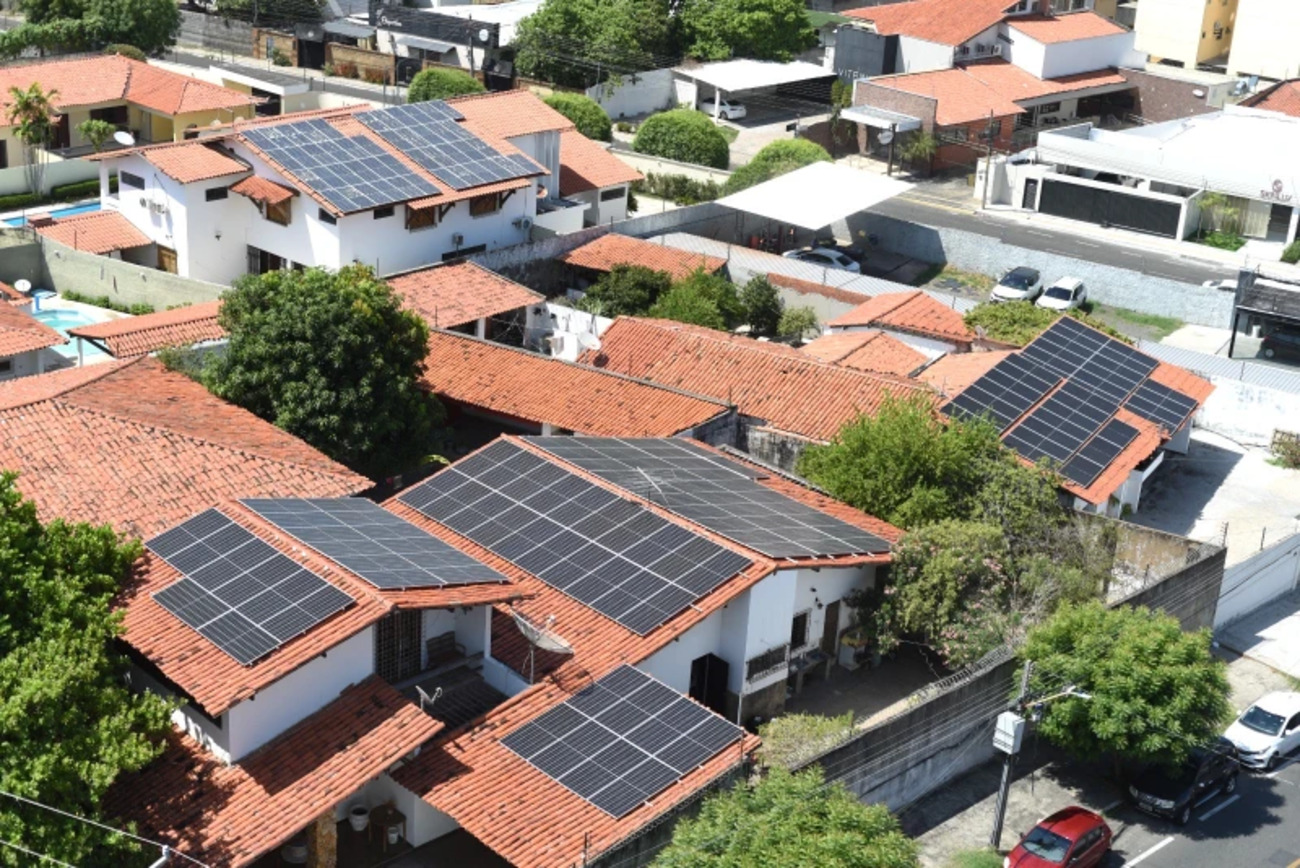
Piauí reaches a historic milestone in energy transition: State records nearly 160,000 households powered by solar energy and leads growth in the Northeast.

Additionally, it is important to highlight that the expansion of solar energy is not limited to the installation of panels. It encompasses a complex entire production chain that includes the extraction of raw materials, manufacturing of cells and modules, as well as distribution logistics. Each step of this chain needs to be solid and efficient for the sector to grow sustainably.
India as a Strategic Partner in Solar Supply
In recent years, India has consolidated its role as a relevant supplier to the U.S. solar sector. Companies such as Waaree, Vikram Solar, and Premier Energies have increased their exports and even set up factories on American soil.
This advance was driven by investments in industrial infrastructure, local government incentives, and a strategy aimed at conquering international markets.
Moreover, with the restriction of Chinese products through the FEOC directive, many projects in the U.S. have started to rely on Indian suppliers to qualify for IRA tax credits.
According to a study by PV Tech Market Research, by 2024, solar module exports from India to the U.S. surpassed 8 GW.
Another relevant aspect is the technological development that India has been achieving. Innovations in energy efficiency and the adoption of sustainable processes have placed the country in a competitive position, not only due to price but also because of the quality of products offered to the North American market.
Tariff and New Challenges for the U.S. Solar Sector
In August 2025, a new tariff of 25% on Indian imports will come into effect. The measure, announced by Donald Trump, is expected to directly affect the costs for U.S. integrators and developers.
The decision has raised concerns in the sector, as it may compromise the competitiveness of Indian products and worsen the shortage of available components in the short term.
This tariff adds to other existing trade barriers. Products from the Southeast Asian region, used as alternatives to Chinese products, face anti-dumping and countervailing duties (AD/CVD).
The U.S. Department of Commerce has already initiated new investigations that could apply these tariffs to products from India, Laos, and Indonesia as well.
If this occurs, India will lose even more ground in the North American solar market.
This situation creates a concerning scenario for the solar industry in the United States, especially as the demand for renewable energy grows at a rapid pace, driven by international commitments and emission reduction targets.
Impacts for Integrators and Developers
For solar integrators and developers, this new reality imposes significant financial challenges. Projects that rely on narrow margins and competitively priced supplies risk becoming unfeasible.
Higher costs may reduce the attractiveness of investments and slow down the expansion of solar energy in the United States.
Manufacturers like Premier Energies have already warned that India plays a central role in reorganizing solar supply chains. The loss of this commercial bridge may force the U.S. to seek even more expensive or less efficient solutions.
Moreover, as solar projects need to meet specific requirements to qualify for IRA credits, any changes in suppliers may directly affect access to tax benefits.
Therefore, the tariff increase impacts not only the price but also the eligibility of projects that rely on these conditions.
In addition to economic impacts, the social effects of this situation must be considered. Small local businesses that act as integrators in smaller communities or rural areas may suffer even more from rising costs and difficulties in obtaining materials. This could delay the democratization of access to solar energy, which is essential to reduce energy inequalities.
Alternatives and Uncertainties in the Medium Term
In light of this new scenario, the U.S. faces the dilemma of maintaining its protectionist trade policy while attempting to expand clean energy production.
Domestic manufacturing has not yet been able to meet demand, and replacing India with other suppliers may not be feasible in the short term.
Even with IRA incentives and with companies trying to expand their factories on American soil, the time required to structure this production chain is long.
Meanwhile, costs are rising, competition is decreasing, and the energy transition is losing momentum.
In the short and medium term, it will be necessary to seek a balance between climate goals and trade strategies. Otherwise, the U.S. solar sector may face obstacles that compromise the advances made so far.
A Crossroads for the Energy Future of the U.S.
The U.S. solar sector has reached a decisive point. On one hand, there is a political and economic push to increase solar energy’s contribution to the national energy matrix. On the other hand, there is a hardening of trade policies that makes it difficult to access critical components for projects.
The imposition of tariffs on Indian imports represents more than a commercial adjustment: it is a movement that jeopardizes the very logic of the American energy transition.
Without access to reliable suppliers, with reasonable prices, and who meet internal legal requirements, the U.S. may see its expansion plans slow down.
Consequently, the impact will not only be economic, but also environmental and strategic.
In the long run, the continuation of such measures will require the country to urgently strengthen its domestic industry. Otherwise, it may face a technological and logistical bottleneck incompatible with its climate goals.
Therefore, the future of the U.S. solar sector will depend on the ability to reconcile industrial sovereignty with commercial pragmatism. India, so far a silent ally, could become the most sorely missed absence should barriers remain or worsen.











Seja o primeiro a reagir!