





 Portuguese
  English
  Spanish
  4 min of reading
  0 comments


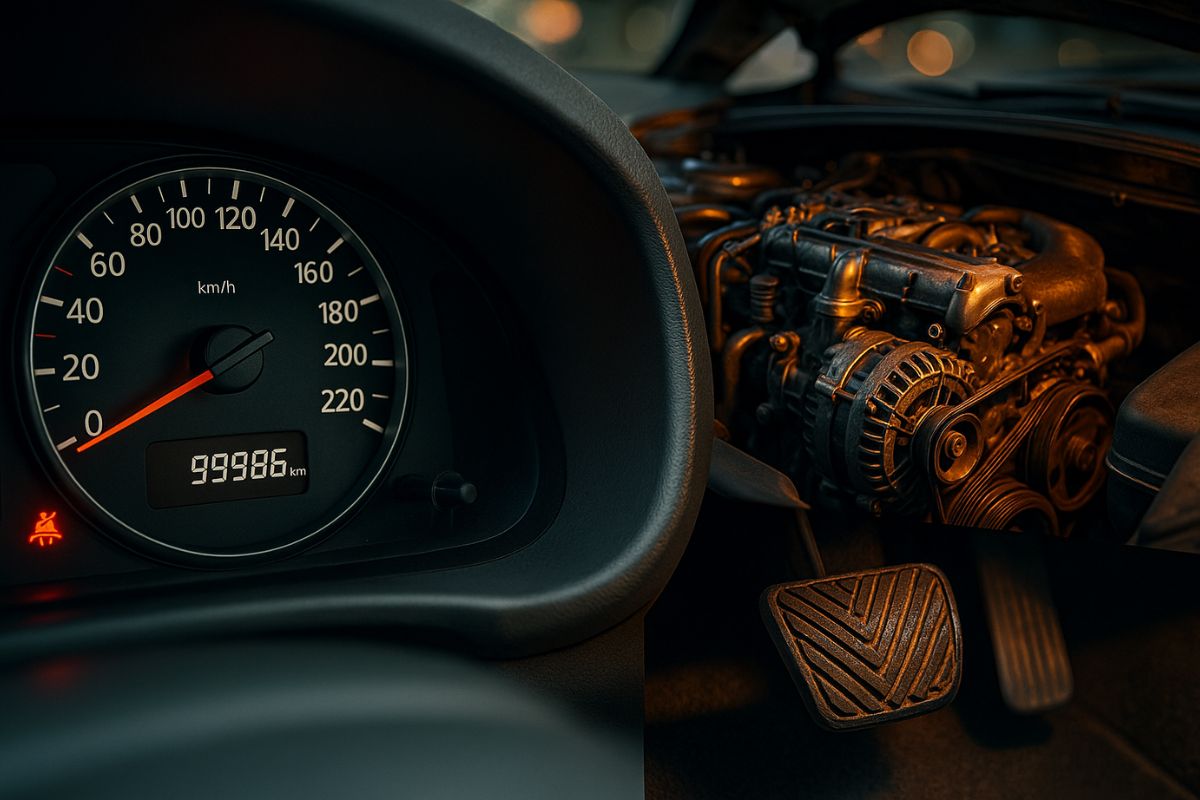
The Same Invisible Habits That Go Unnoticed in Daily Life Concentrate Up to 90% of Wear at Start-Up and Can Shorten Brake Life by 40%, According to Technical Guidelines from SUV Garage.
The portal SUV Garage warns that invisible habits small driving and maintenance vices shorten the car’s lifespan before 100,000 km. Cold accelerations, delayed maintenance, and questionable fuel are among the behaviors that increase wear, consumption, and the risk of costly failures.
For those who drive a lot in urban traffic, correcting invisible habits is the cheapest and immediate way to protect the engine, transmission, and brakes.
Data and good practices mentioned by the SUV Garage channel show how simple adjustments preserve the vehicle and avoid costs in the thousands.
-
While the industry rushes towards automation, Omoda & Jaecoo bets on technology with a human touch and reveals its global mobility plan for 2026.

-
In just 1 year, JAECOO surpasses 7,000 units of the J5 EV delivered in Indonesia and consolidates trust in the Asian market.

-
With awards in various countries, the Jaecoo 7 is establishing itself globally and accelerating the expansion of Omoda & Jaecoo in the hybrid SUV market.

-
5 cheapest used cars than a Honda CG 160 Titan 0 km, with options starting at R$ 13,000 for those who want to trade their motorcycle for a car and escape the rain, sun, and risks of riding.

1) Cold Start: Where Up to 90% of Wear Occurs
Accelerating in the first few seconds is one of the worst invisible habits. With oil still not circulating, pistons, cams, and bearings work “dry,” increasing wear.
SUV Garage emphasizes: wait 30–60 s and drive lightly until warm. Synthetic oil helps with initial lubrication.
Why? Metal scraping against metal without an adequate oil film accelerates looseness and reduces the engine’s lifespan. Avoid high revs until the temperature stabilizes is direct protection for your wallet.
2) Delayed Maintenance: The “Cheap” Thing That Becomes a Breakdown
Skipping scheduled maintenance turns cheap failures into expensive repairs. Invisible habits like postponing the replacement of spark plugs, filters, and fluids lead to overheating, ignition failures, and shaky transmissions.
Follow the manual, keep a history and save receipts: it adds value at resale and prevents a domino effect, as SUV Garage reminds us.
3) Wrong or Mixed Oil: Silent Poison
Using the wrong viscosity or mixing different bases creates sludge and damages the turbo and catalyst. Invisible habits of “topping off with whatever you have” can cost an engine.
Golden rule: follow the specification in the manual; do not rely on shelf guesses. Ask for the correct standard and grade.
4) Foot on the Brake: Up to 40% Less Lifespan
Driving with your foot “resting” on the brake glazes pads, warps discs, and heats calipers. SUV Garage points out a loss of up to 40% in durability.
How to Correct: Keep a distance, use engine braking on descents, and avoid holding the car in automatic mode only on the brake.
5) Bad Fuel and Generic Additives
Filling up outside a trusted gas station creates crusts on injectors and in the chamber; miraculous additives can corrode the system.
Safe practice: branded gas stations, quality additive gasoline, and follow the manufacturer’s recommendations. Invisible habits in fueling lead to performance loss and knocking.
6) Constant Overweight: Hidden Effort
Driving above the payload overheats brakes and transmission, shortens suspension, and increases consumption.
Check the PBTC/payload in the manual and distribute weight. If towing, confirm the capacity and homologated hitch. This invisible habit can be costly on trips.
7) Neglected Fluids: When “It’s Still Running” Doesn’t Count
Delaying changes to ATF, brake fluid, and additives multiplies damage.
Usual standards (confirm in the manual): transmission every 50–100 thousand km, brake every 2 years, coolant every 50–100 thousand km/3 years. Changing before it “turns black” prevents installed damage, advises SUV Garage.
8) Accelerating Hard with a Cold Engine
Revving above 3,000 rpm right after starting irregularly expands parts and destroys the turbo in supercharged engines.
Good practice: 30–60 s at idle, smoother driving in the first few minutes, and quality synthetic oil. It’s an invisible habit easy to correct.
9) Ignoring Noises and Warning Lights
Squeaks when braking, pops in the steering, and “tic-tic” in the cylinder head are not normal. Check engine/battery/oil light on requires immediate diagnosis.
Accessible tool: OBD2 scanner to read codes and act early. According to the SUV Garage, driving “until you see what happens” only increases the damage.
Bonus That Saves Money (Worth Incorporating Into Your Routine)
Tires in order (monthly inflation, alignment, balancing, and rotation) protect suspension and shorten braking distances.
Proper cooling (recommended type additive + distilled water) prevents internal corrosion.
Tank above 1/4 preserves the pump.
Clean cabin filter improves air, prevents fogging, and eases the fan.
Correcting invisible habits is the fastest and cheapest way to gain lifespan in engine, transmission, and brakes and avoid breakdowns that blow the budget. Which of these habits have you already spotted in your daily life? Do you disagree with any points from SUV Garage or have a practical tip that works better?
Share in the comments how you take care of your car and if you have measured savings or durability after changing your routine.









Seja o primeiro a reagir!