





 Portuguese
  English
  Spanish
  5 min of reading
  0 comments


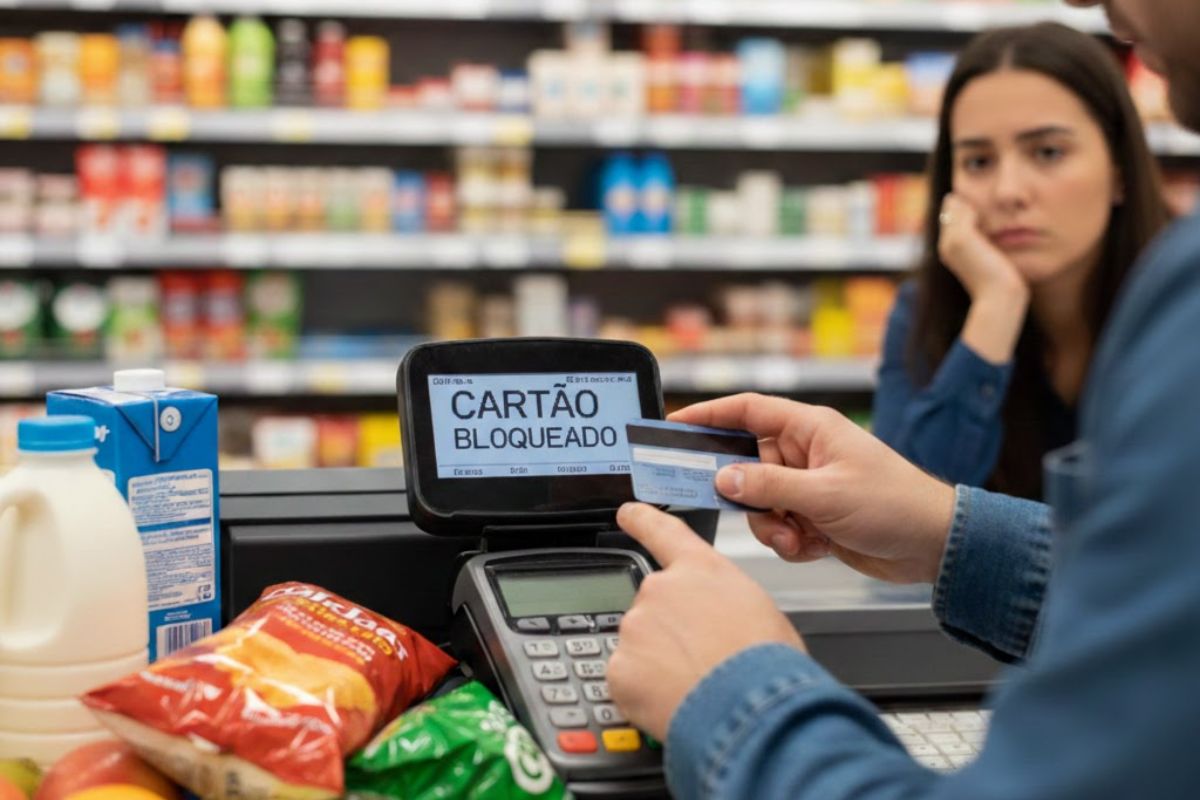
When The Card Password Slips Your Mind, Insisting May Be The Trigger The Security System Awaits To Block Everything. Generally, After Three Incorrect Attempts, The Card Locks And The Payment Is Denied. Understand Why It Happens, How To Unlock It, And How To Avoid Repeating The Mistake Calmly.
You bring the card close to the terminal, confidently enter the password, and suddenly, the purchase is denied. The initial reaction is usually the same: check the limit, think about a system failure, distrust the establishment. However, in practice, many blocks are not related to money, but rather to security.
The detail that ruins the purchase is usually simple and quite common: repeated incorrect password or confusion between codes. In a matter of seconds, the bank’s protection mechanism understands that there may be an unauthorized attempt and decides to lock the card to prevent fraudulent use, precisely when you need it to work the most.
Why The Card May Fail At The Terminal Even With A Limit
When a purchase is denied, the brain immediately thinks “lack of balance” or “limit exceeded”, but the real path usually follows another trail: the card is a financial product with automatic security rules.
-
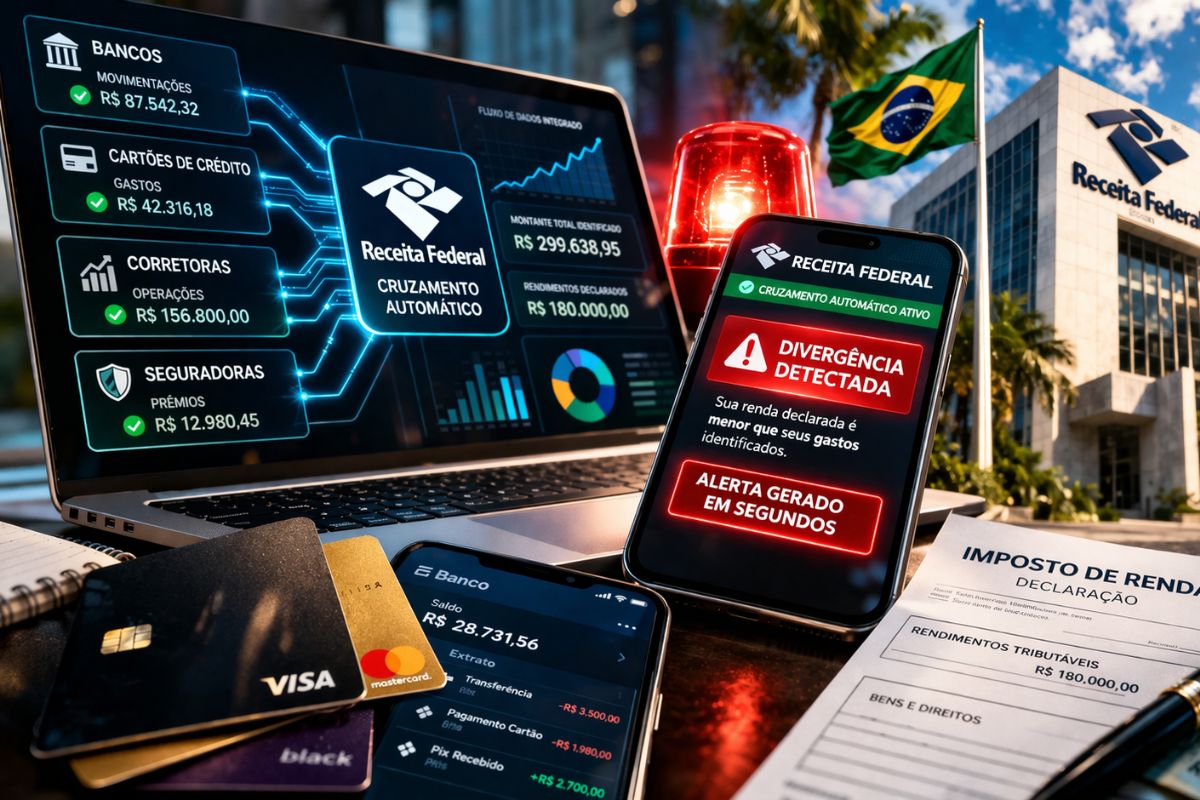
The Federal Revenue Service now automatically cross-references everything you declare with data from banks, credit cards, brokerage firms, and insurance companies, and any discrepancy between your income and your expenses triggers an alert in seconds.
-
Amid global tensions, Brazil blocks the United States’ proposal at the WTO and paves the way for a trade crisis and possible retaliations.

-
Shopee opens the largest logistics warehouse in Brazil in Guarulhos: 220,000 m² on Dutra, contract signed before construction, pays R$ 45/m² and accelerates deliveries at scale, putting pressure on Mercado Livre and Amazon.

-
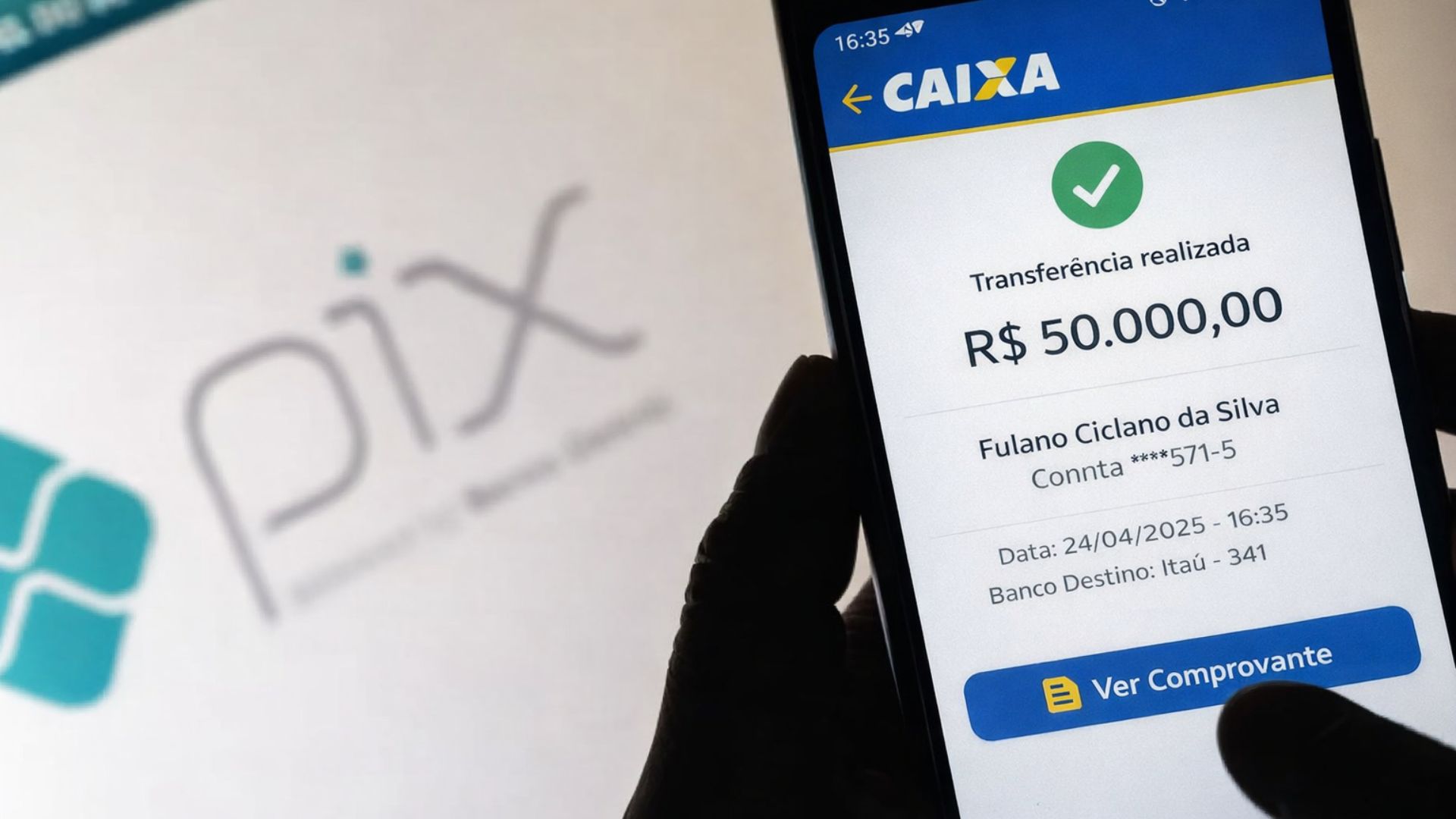
After mistakenly transferring R$ 50,000 via Pix, a man will receive the amount back along with R$ 10,000 for moral damages from the recipient.
These rules exist to reduce losses when someone attempts to guess your password or uses the card without authorization.
In many banks, the standard is to allow up to three password attempts. After that, the card may be automatically locked.
The logic is straightforward: if the wrong password repeats, the system treats it as a risk and halts the operation before damage occurs. According to iDinheiro, this block is a protocol designed to prevent third parties from continuing until they get it right.
The Most Common Mistake: Confusing The Password And Insisting Until Everything Is Locked
The scene is typical: you mix the card’s password with the account’s password, the app’s code, or even an old PIN stuck in your memory.
The rush at the checkout pushes for “just one more” attempt. And therein lies the problem: the third attempt is often the turning point.
Aside from forgetfulness, there is another factor that worsens everything: the environment. Noise, queues, conversations, a child calling, worrying about time.
The result is that the person makes a mistake, tries to correct it impulsively, and repeats the error. The card isn’t being “stubborn”: it is being locked to protect you, and this can happen even when the limit is intact.
It’s Not Just Password: Other Situations That Can Block The Card
Even without entering the wrong password, there are cases where the purchase is blocked as a precaution. One is when purchasing in an unexpected location, like cities and states where you never shop, or even in another country, without prior notice to the bank. For the system, an abnormal pattern can signal risk and trigger a preventive block.
Also on the list are quite objective situations: expired card (past expiration date and simply stops working), overdue bill (credit can be suspended due to non-payment), and suspicious activity (spending outside the customer’s usual pattern).
Those using online credit cards, such as Nubank or similar, need to keep an eye on app notifications, as the lock may appear there before any explanation at the checkout.
My Card Was Blocked: What To Do Immediately Without Making The Situation Worse
If you see the lock message or if the purchase is denied “out of the blue”, the first step is simple: stop trying. If you’ve already entered the password incorrectly twice and are in doubt, insisting is the quickest way to seal the lock. Breathe, confirm the correct number, and only start entering it again if you’re sure.
Next, open the bank app to identify the reason. Some banks allow you to reset the PIN digitally when the problem is a forgotten password.
In other cases, unlocking is not automatic and you will need to use chat, call the support center, or even visit a branch to reconfigure the PIN.
If the alert is about suspected fraud, it may be necessary to issue a new card and change passwords, because the focus shifts to security of the account and card, not just “unlocking to pay”.
How To Avoid Preventive Blockages And Not Experience Stress Again
The most effective prevention is the most tedious: organization. Correctly memorizing passwords and not mixing the card’s with the app’s password drastically reduces the risk of being blocked due to incorrect attempts. If you use more than one card, it’s worth creating a secure method to differentiate the PINs, without writing it down obviously and without exposing information.
Another important point is the context of purchase. Before making large purchases or ones that fall outside your usual pattern, it can help to notify the bank through the customer service channels to reduce blocks due to suspicion.
The golden rule at the checkout is simple: if in doubt, stop before the third attempt. Consulting the bank, checking the app, and confirming the PIN takes less time than dealing with a locked card, calling the support center, and stressing over denied payments.
When The Block Becomes A Real Alert Signal
Not every block is just a distraction with a password. Sometimes, the system identifies an atypical purchase attempt, which can indicate a real risk.
In these cases, the correct behavior is not to “force the card”, but rather to treat it as a security incident: check recent transactions, confirm if there was a purchase you don’t recognize, and follow the protection process indicated in the app or by the support center.
It’s also worth noting the financial side: overdue bills can block the card and make it more difficult to approve new limits or new cards in the future.
Avoiding administrative problems adding to password errors is a practical way to reduce denials at the terminal and maintain your financial life more predictable.
A denied purchase with available credit is typically the kind of scare that seems like a “system failure”, but, most of the time, it’s the system functioning as intended: protecting your card when something goes off the expected path.
Repeated incorrect password is the most common trigger, and the difference between resolving it in minutes and it becoming a headache almost always lies in stopping before insisting, checking the app, and following the right unlocking path.
Has your card ever locked at the terminal due to incorrect password or preventive block? Did you manage to resolve it through the app right away, or did you need to call the bank? What would you do differently today to avoid going through it again?










Seja o primeiro a reagir!