





 Portuguese
  English
  Spanish
  3 min of reading
  0 comments


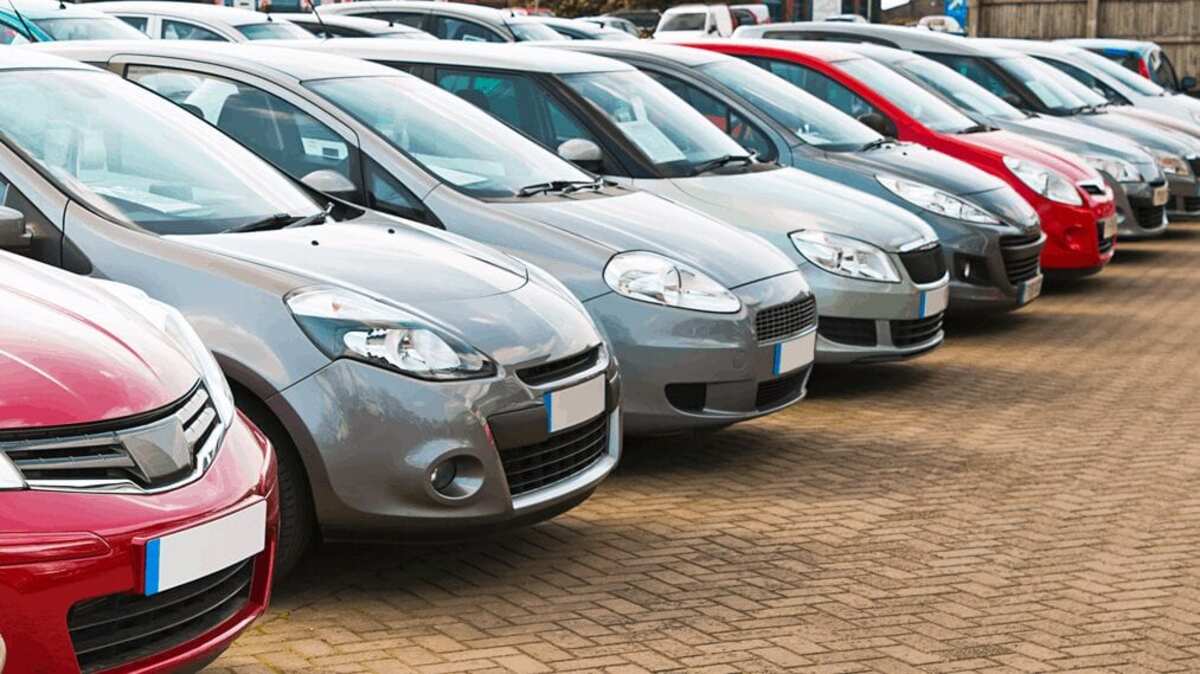
Knowing How to Check Restrictions on a Used Car Is the Secret to Avoiding Future Headaches, from Fines to Legal Issues.
Buying a used car can be an excellent option for those looking for savings and a good deal. The market offers a wide range of models and prices, but the excitement of choosing cannot overshadow a crucial step: thoroughly checking the vehicle’s history.
Get ready to learn how to protect your investment and drive with peace of mind!
Why Checking Restrictions Is Crucial When Buying a Used Car?
Buying a used car goes beyond inspecting the bodywork and engine. Behind a good price, there may be debts, liens, and lawsuits that can turn the dream of a new vehicle into a bureaucratic and financial nightmare.
-
Less than a Tera TSI, up to 710 km of range and charging in 9 minutes: the new BYD Song Ultra expands the Chinese brand’s bet on increasingly faster, more technological, and competitively priced electric SUVs.

-
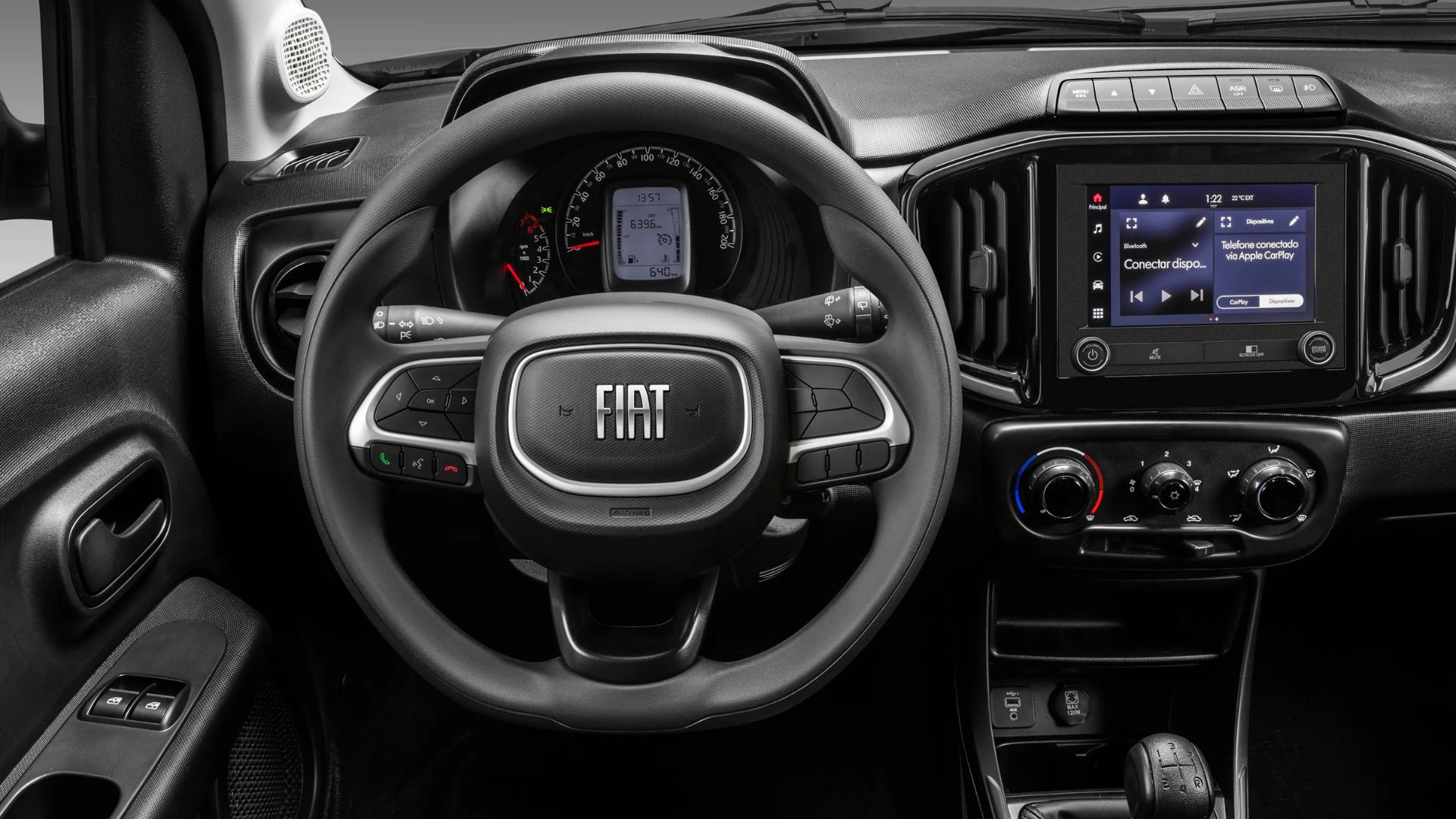
With a 1.0 engine producing 75 hp and costing less than R$ 70,000, Fiat’s car returns to the podium as the cheapest in the country; a temporary promotion for the 2026 Like version reduces the price of the Fiat Mobi.
-
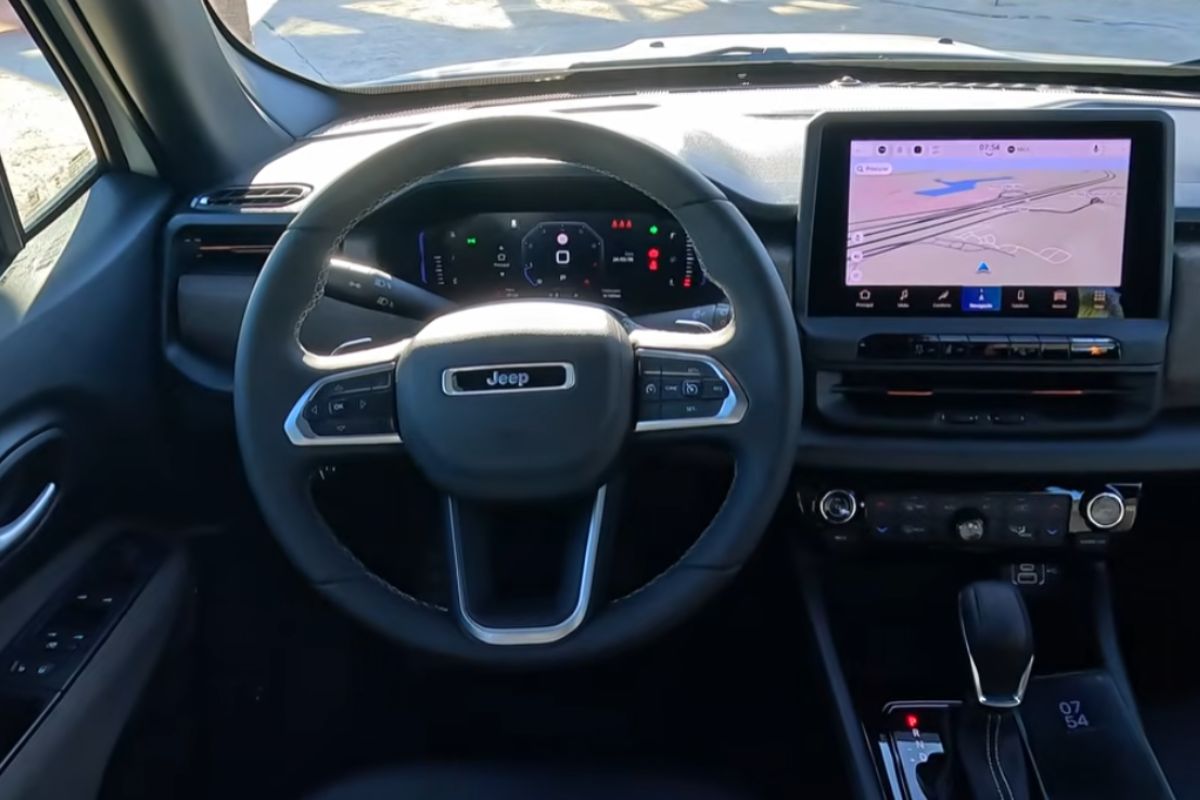
With a mild hybrid system of 48 V, 176 hp and a price of R$ 175,990 in the Sahara version, the new Jeep Renegade changes mostly on the inside, improves slightly in fuel consumption, and remains almost the same car.
-
With a 293.5 cm³ engine and a range of up to 400 km with a 14.1-liter tank, the Honda CB 300F Twister 2026 has up to 24.7 hp, an initial price of R$ 25,150, and already exceeds R$ 29,000 in the Fipe Table.


That’s why learning to check restrictions on a used vehicle is not just a recommendation but a necessity.
Imagine buying a car and, months later, discovering that it has unpaid fines that you will have to pay or, worse, that it is legally blocked and cannot be transferred to your name. Scenarios like these are unfortunately more common than one might think.
Restrictions can be of various natures: financial (debts related to taxes, licensing, fines), administrative (blocks due to theft, accidents), or judicial (liens, repossession). Without a detailed check, you risk inheriting these problems.
Tools to Check Restrictions: Where and How to Do It
Fortunately, there are tools and methods to check restrictions on a used vehicle efficiently and safely. The goal is to obtain a complete overview of the car before closing the deal.
Free Check (Basic Information):
State DMV websites: Each state’s Department of Motor Vehicles (DMV) provides free checks that usually include basic information such as active fines, licensing status, taxes, and vehicle insurance.
To access this, you will need the vehicle’s license plate and Renavam. Keep in mind that this check is limited and may not show all types of restrictions.
Paid Check (Complete and Detailed Information):
For a truly comprehensive analysis, it is ideal to turn to companies specialized in vehicle history.
Theft and Robbery History: If the vehicle was involved in incidents;
Accident/Total Loss History: If there were major accidents or total loss;
Auctions: If the car was acquired at auction (often, auction vehicles may have restrictions or hidden problems);
Financial Pending Issues: In addition to taxes and fines, it checks for active financing, fiduciary alienation, and other debts;
Judicial and Administrative Restrictions: Judicial blocks, repossession, transfer impediments;
Recalls: If the vehicle has pending factory recalls;
Odometer Tampering: In some cases, signs of odometer fraud can be identified;
For these paid checks, usually, having the vehicle’s plate is sufficient. The investment is worth it for the peace of mind and security it provides.
Essential Tips for Buying Your Used Car with Total Safety
In addition to learning how to check restrictions on a used vehicle, some additional tips are valuable to ensure a safe purchase:
Check the Physical Documentation: Compare the data on the car’s document (CRLV) with the data from the online check. Verify the chassis and engine numbers;
Get a Pre-Purchase Inspection: If possible, take the vehicle to a trusted mechanic or hire a pre-purchase inspection. Besides checking the mechanics and structure, the inspection can also help identify alterations;
Beware of Prices Far Below Market: Tempting offers may hide serious issues. If it seems too good to be true, it probably is;
Never Negotiate Without Checking: Do not close the deal, sign documents, and especially do not make payments before having the complete report of restrictions and addressing all your doubts;
Buy from Reliable Sources: Preferably, buy from dealerships, used car shops with good reputations, or from owners you know and trust.
Buying a used car can be a simple and advantageous process if you know how to check restrictions on a used vehicle and take the necessary precautions. Invest time in research and verifying the history. This small action can save you from major problems and ensure your journey starts and continues worry-free.








Seja o primeiro a reagir!