





 Portuguese
  English
  Spanish
  4 min of reading
  0 comments


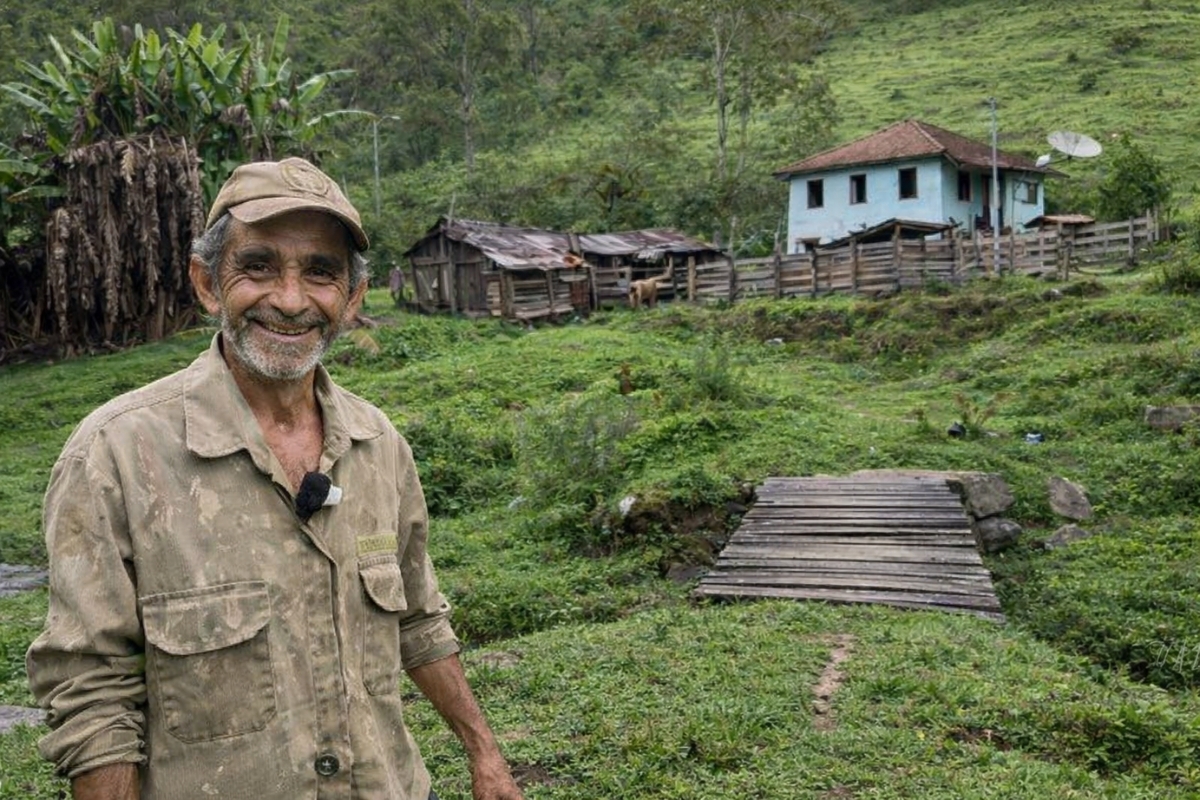
Seu Neinho Is 62 Years Old, Lives Alone in the Rural Area of Marmelópolis, Raises Goats, Cows, Rabbits, and Birds, Plants Corn by Hand, and Lives Peacefully in the Countryside
In Marmelópolis, in the south of Minas Gerais, life follows its own rhythm. It is there that Seu Neinho lives, a 62-year-old farmer who was born, raised, and has never left the land where he built his story.
Alone in his simple house, he maintains a routine marked by care for his animals, by producing his own food, and by a tranquility that is hard to find in the city.
A Routine That Starts with Milk Taken from the Farm
Early in the morning, Seu Neinho is already busy. He milks the goats every day, enjoying about 2 liters of milk daily for personal consumption.
-
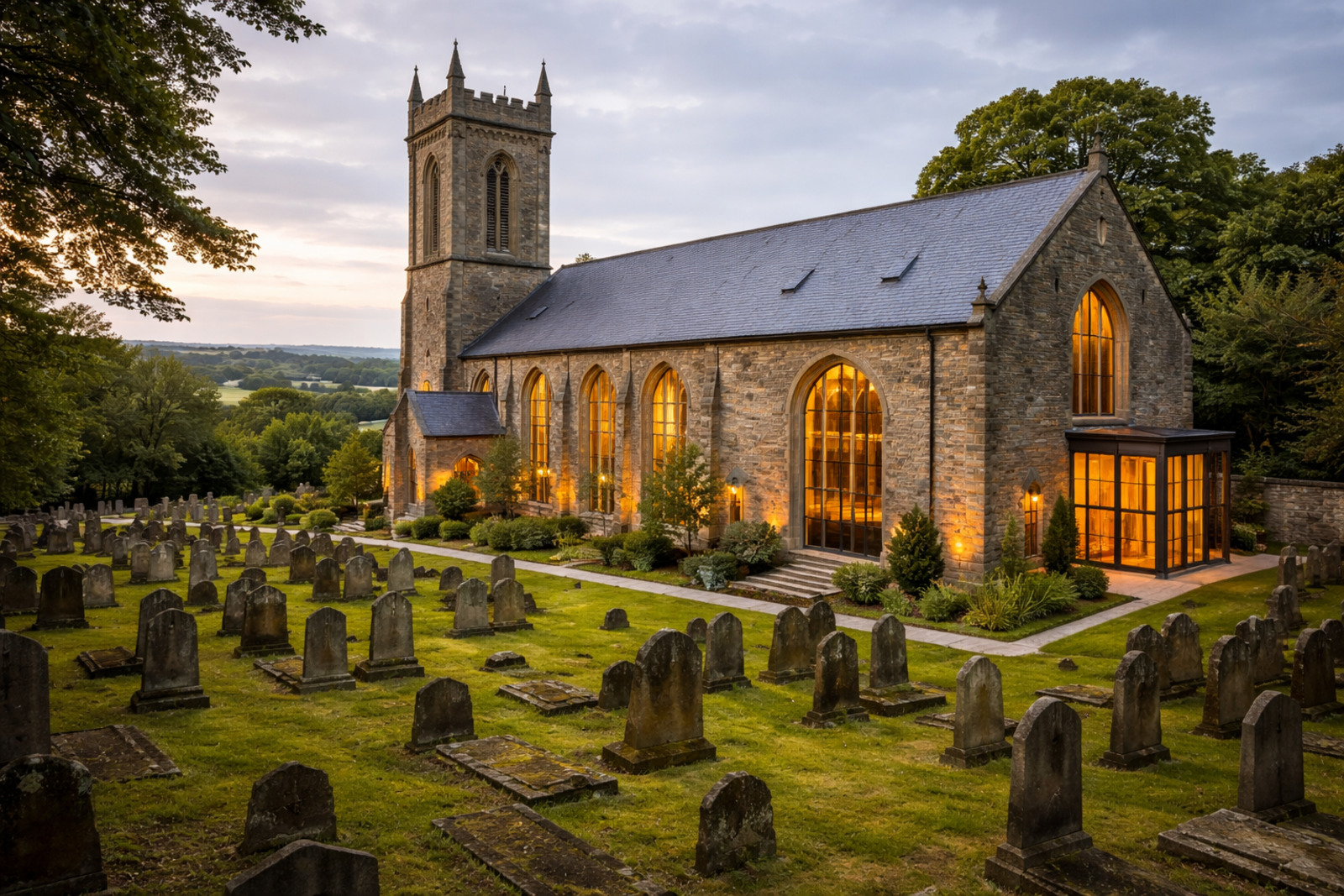
Couple buys 1846 church in ruins for R$ 660,000, invests R$ 3.2 million in renovations, transforms it into a millionaire mansion, and even preserved a historic cemetery with over 300 graves.
-
He started running at 66 years old, broke records at 82, and is now a subject of study for having a metabolic age comparable to that of a 20-year-old, in a case that is intriguing scientists and inspiring the world.

-
Oldest tree on the planet reappears after 130 years of searches: Wattieza, 385 million years old, was 10 meters tall and had no leaves or seeds; Gilboa fossils in New York solved the mystery in 2007.

-
A 48-square-meter house assembled in hours with 4,000 bricks made of recycled plastic that does not absorb moisture, has natural thermal insulation, and costs less than 90,000 reais in a complete kit.

The milk is used for breakfast, for making cakes and breads, and to accompany his simple everyday meals. He says he really likes milk and that it is part of his strength and energy.
Simple Life, But Never Lonely
Despite living alone, Seu Neinho does not feel lonely. He maintains a close relationship with his sisters and nieces and nephews, who live nearby and offer support whenever needed.
His sister, who works at the Delfim Moreira city hall, helps with food and shopping in the city. When she can’t go, he cooks rice, beans, and meat preserved in fat, as he learned from a young age.

Animals Are Part of the Family and Identity
In the backyard and in the pastures around the house, the diversity is striking. Goats, cows, pigs, rabbits, quails, pigeons, and even hares are part of the routine.
He treats the animals with care, using corn, cornmeal, whey, and feed. Some are raised for consumption, while others are kept for enjoyment. According to him, killing a healthy animal is painful, but it is part of life in the countryside.
Hand-Planted and Guaranteed Food All Year Round
Seu Neinho plants corn and hoes with a hoe. Part of the heavier work is done with the help of a tractor, but a large part of the labor is still manual.
The corn is stored in makeshift silos, covered with tarps, ensuring feed for the animals throughout the year. Nothing is wasted.
Land That Transcends Generations of the Same Family
The property has belonged to the family for generations. It was there that Seu Neinho was born, in a house built by his own father.
He says he left for a short time when he was young, at 17 years old, but he soon returned. Since then, he has never left the place. Today, the lands remain united among siblings, without formal division, in an agreement based on respect.
Marmelópolis and the History of Quince in the Region
The region where he lives carries history. Seu Neinho explains that Marmelópolis got its name because of the production of quince, a fruit used for sweets, soups, and even to flavor cachaça.
On the property, there are still old structures used by his father to work with the quince, memories of a time when the fruit was the backbone of the local economy.
Simple Tools, Tradition, and Adaptation to Time
In the shed, sickles, brush cutters, chainsaws, and an old accordion kept as a relic tell the story of those who have always lived off the land.
The accordion, inherited from his father, is not for sale for any amount of money. For him, it has sentimental value and represents the family’s memory.
Tranquility, Nature, and the Choice to Stay
Seu Neinho says he enjoys the countryside, the animals, and the freedom to live at his own pace. He seldom goes to the city and prefers the calmness of the countryside.
Even as he ages, he remains active, caring for what is his and keeping alive a way of life that withstands the passage of time.
The story of Seu Neinho reveals more than a rural routine. It shows belonging, simplicity, and a life built with patience. In Marmelópolis, surrounded by nature and animals, he continues living the way he has always lived, with dignity, tranquility, and pride in his own story.
Source: É DU CAMPO and EDUARDO PÁDUA








-

-

-

-

-

44 pessoas reagiram a isso.