





 Português
  Inglês
  Espanhol
  3 min de leitura


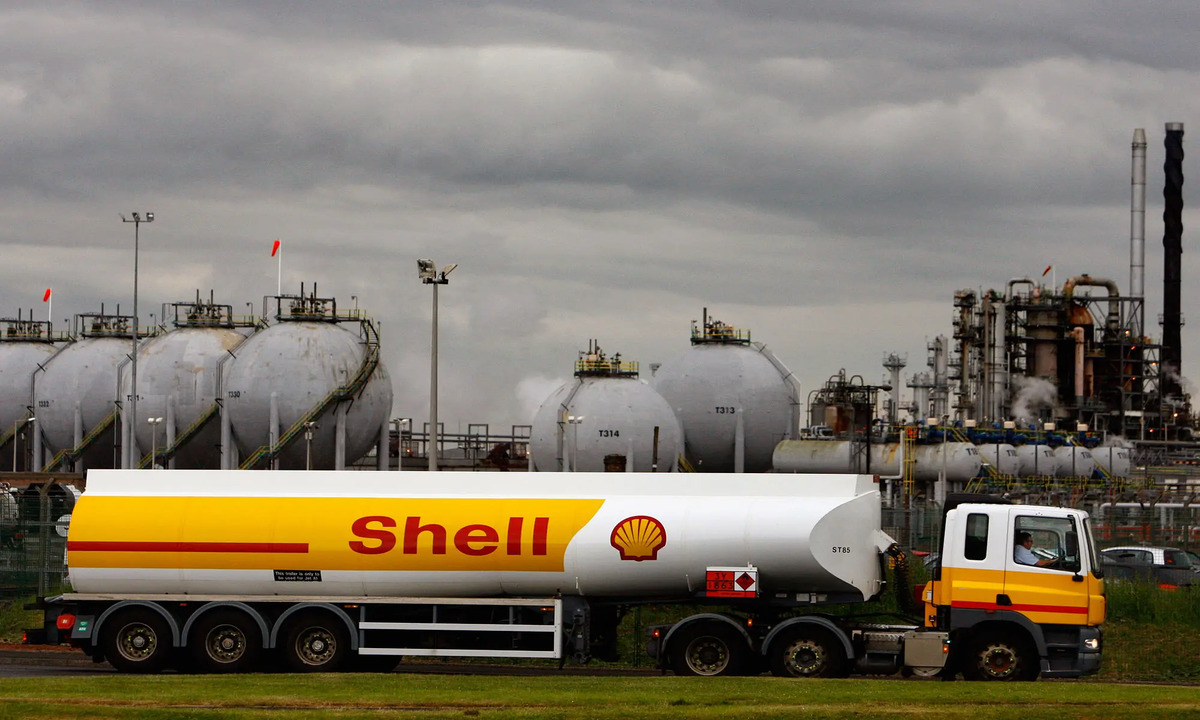
The Brazilian Equatorial Margin Is An Unexplored Area, But Is Considered Strategic For The Oil And Gas Sector.
Companies like Shell have exploratory blocks in the Potiguar and Barreirinhas sedimentary basins and are awaiting the decision of the Brazilian government on exploration in the region. Shell Brazil’s president, Cristiano Pinto da Costa, stated in an interview on Wednesday (12) that drilling in the region is a strategic decision that must be made in conjunction with the National Council for Energy Policy (CNPE). He mentioned that Shell is interested in participating in the exploration if it is approved by the government.
There are still disagreements within the Brazilian government regarding exploration in the Equatorial Margin. The Minister of Mines and Energy, Alexandre Silveira, supports drilling, while the Minister of the Environment, Marina Silva, has been hesitant. She stated in an interview that she views exploration in the region similarly to how she viewed the construction of the Belo Monte hydropower plant. One of the main hurdles for issuing the environmental license by Ibama is the potential environmental impact of an oil spill in the region, which hosts a reef system.
Despite the disagreements, Shell believes that Brazil is a country with great geological potential in the Equatorial Margin and can compete in a world transitioning to cleaner energy sources. According to a study presented by Shell on Wednesday (12), there is a need for investment in new oil fields during the transition to cleaner energy. Brazil is seen as one of the countries where investments will be concentrated, due to lower production costs and legal security.
-
Offshore industrial demand in Macaé skyrockets with the recovery of oil and gas and could grow by up to 396% by 2026 in the Campos Basin.
-
Offshore industrial demand in Macaé surges with the recovery of oil and gas and could grow by up to 396% by 2026 in the Campos Basin.
-
Brazilian giant expands borders in the Southeast: Petrobras confirms new oil discovery in ultra-deep waters in the pre-salt of the Campos Basin.

-
Alert in the global energy market: Severe tropical cyclone hits the coast and disrupts gas production at major plants in Australia, threatening global supply.


Exploratory Blocks In The Equatorial Margin
Shell is one of the companies with exploratory blocks in the Brazilian Equatorial Margin. The region consists of five sedimentary basins: Pará-Maranhão, Ceará, Potiguar, Barreirinhas, and Foz do Amazonas. Petrobras, for example, is trying to obtain an environmental license to drill a well in the Foz do Amazonas region.
Cristiano Pinto da Costa stated that Shell is studying what to do with its assets in the region. He mentioned that the company is interested in the decision the Brazilian government will make about exploration in the Equatorial Margin, but that if exploration is approved, Shell will evaluate whether it wants to participate or not.
Divergent Opinions In The Government
Regarding the exploration in the Equatorial Margin, there are divergent opinions among members of the Brazilian government. The Minister of Mines and Energy, Alexandre Silveira, advocates for drilling and wants to launch a program to increase domestic oil production. Meanwhile, the Minister of the Environment, Marina Silva, has been hesitant, concerned about the environmental impact of a potential oil spill in the region.
Shell considers drilling in the Equatorial Margin to be a strategic decision that should be made jointly by the CNPE and the Brazilian government. Cristiano Pinto da Costa stated that if exploration is approved, Shell will evaluate whether it wants to participate or not.
Shell Study Points To The Need For Investments In New Oil Fields
According to a study presented by Shell on Wednesday (12), both in the most optimistic and most pessimistic scenarios of the energy transition, there is a need for investment in new oil fields. The difference lies in the concentration of these investments, which should be focused in certain countries and regions.
For Shell, Brazil is one of the countries where investments will be concentrated due to lower production costs and legal security. According to Shell’s chief energy consultant, Peter Wood, the country has a stable regulatory environment, relatively low carbon intensity resources, quality oil, and competitive cost infrastructure.









Seja o primeiro a reagir!