






 Portuguese
  Spanish
  2 min of reading


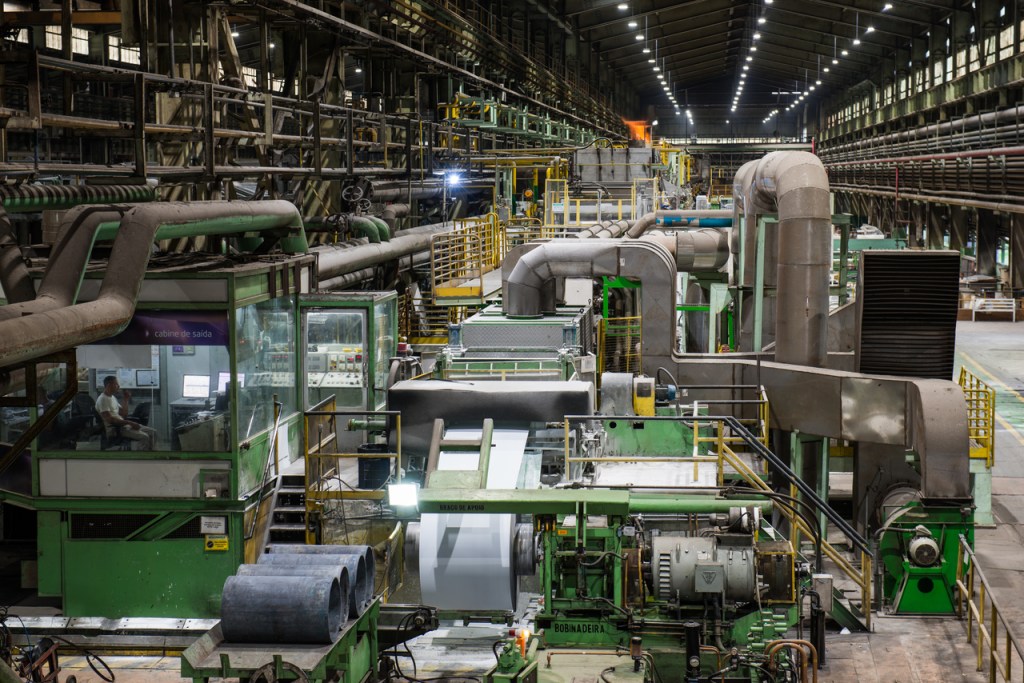
The Era of Electric Vehicles and the Growing Demand for Electrical Steels
The energy transition toward cleaner and more sustainable sources has driven the global electrical steel market. These materials are essential in the quest to reduce energy consumption and increase the efficiency of machines and motors, especially in electric vehicles.
With a growing demand and a market that is expected to double in 10 years, electrical steels are becoming increasingly relevant for the industry and combating climate change.
Currently, it is estimated that half of the electricity produced in the world is consumed by motors, with 3% of that energy lost in magnetic losses. Electrical steels help prevent this waste by improving the energy efficiency of equipment such as refrigerators, air conditioners, and motors.
-
Race for data centers in Brazil increases pressure on critical energy

-
Growth without profit has become one of the most costly management mistakes in Brazil.

-
Anvisa blocks batch of antibiotic after unexpected discovery in sealed vial and also suspends clindamycin with impurities and saline solution used in intravenous application

-
“Dude, it was bizarre”: Nubank founder admits mistake that triggered bank liquidation alert for thousands of customers and explains what really happened.




The Future Market Insights Institute projects that the global electrical steel market will generate US$ 70.5 billion by 2032, a significant growth from US$ 37.5 billion in 2022.
Aperam South America: Leading the Electrical Steel Market in Latin America
Aperam South America, led by CEO Frederico Ayres Lima, is the leader in the electrical steel segment in Latin America. The company has been preparing for years to be the go-to supplier in the various possible applications of these steels, including electric vehicles. “We are ready to meet this potential market,” says Ayres Lima.
Electrical steels are classified into two main families: oriented grain (OG) and non-oriented grain (NOG).
More recently, Aperam developed super-oriented grain electrical steel (HGO), an evolution of OG, which is used in transformers and power reactors. On the other hand, NOG electrical steels are applied in motors, compressors, and generators.
Innovation and Sustainability: Hallmarks of Aperam
Research and innovation are fundamental pillars of Aperam’s strategy. The company’s Research and Development Center, located in Timóteo (MG), is responsible for developing high-performance electrical steels and Aperam Green Steel.
The unit maintains partnerships with leading Brazilian universities and seeks to combine innovation with sustainability, in a concept that Ayres Lima calls “innovability.”
Aperam also invests in sustainability through Aperam BioEnergy, a unit dedicated to planting renewable forests and producing charcoal that supplies the Timóteo (MG) plant.
This commitment to sustainability, combined with innovation, allows Aperam to remain competitive and connected in a constantly changing world.





Be the first to react!