






 Portuguese
  Spanish
 3 min of reading


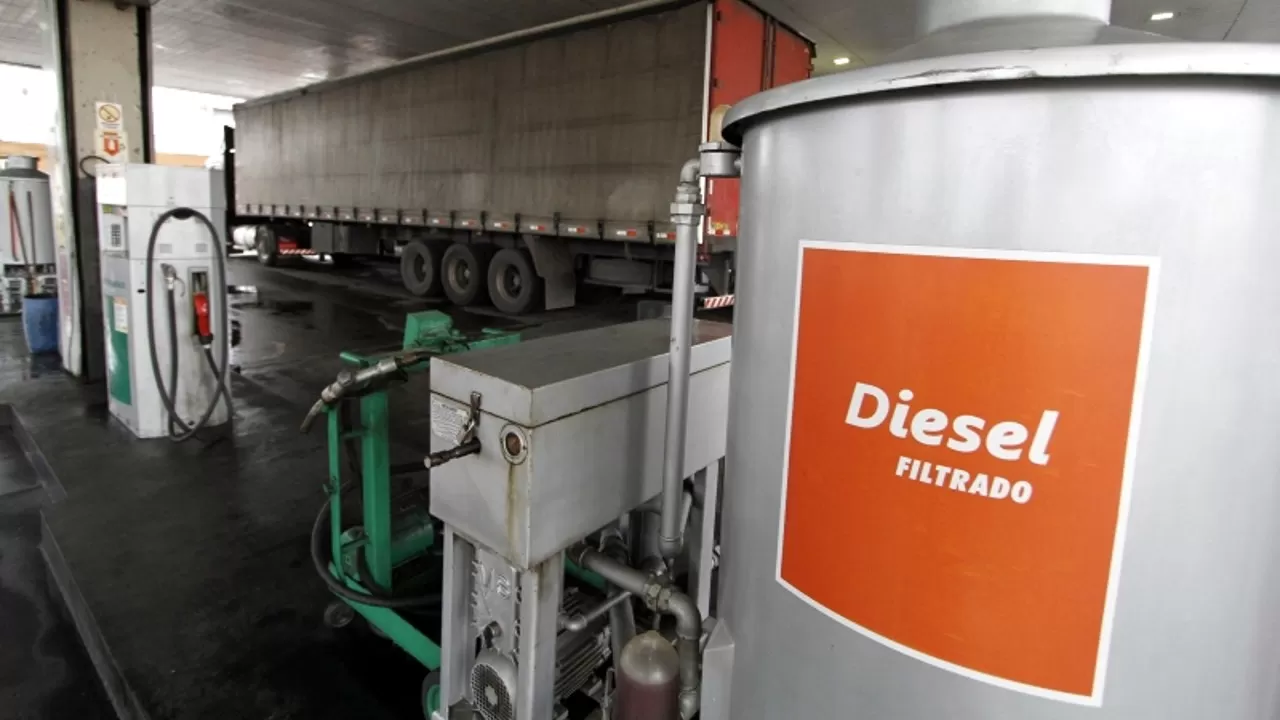
Rigorous Evaluation That Ensures Product Quality. This Is What the Brazilian Institute of Petroleum and Gas (IBP) Defends, After the Announcement by the Government That It Will Discuss New Specifications for Fuel, Including the Increase in the Mixture of Biodiesel. This is Because Proconve P8 Engines Have Technologies That Require the Mixture to Be Balanced and Compatible.
The Proconve P8 is a program based on European standards, which includes requirements for diesel engines to combine two pollutant reduction systems, through Selective Catalytic Reduction (SCR) and Exhaust Gas Recirculation (EGR). The Minister of Mines and Energy, Alexandre Silveira, reassured the IBP. Any changes to the percentage for 2023 will only be made after consultations with producers and representatives from the industry and transport sector, Silveira stated upon taking office.
This statement was viewed positively, involving an atmosphere of predictability and transparency, which are essential. Consistent planning and the publication of new specifications for transesterification biodiesel are also critical measures, and are already underway at the National Petroleum Agency (ANP). In a public hearing held in January 2022, the ANP received contributions of 184 suggestions regarding which changes should be made, and which should not, in the biodiesel mixture.
In Brazil today, the diesel sold contains 10% biodiesel, known as B10. This was a determination from the administration of former President Jair Bolsonaro, and limits the percentage to below what was anticipated. Previously, the National Energy Policy Council (CNPE) had established a percentage of 14% biodiesel in the fuel composition for the year 2022, and 15% for this year.
-
Government wants to pay up to R$ 8,000 to more than 2,300 traditional families in over 100 communities in Acre and Amazonas for environmental services provided to the Amazon.

-
Coal mine purchased for $2 million in Wyoming, the Brook Mine holds rare earth elements and critical minerals estimated at up to $37 billion, in an asset that the US is competing for with China.

-
In the year Brazil won the World Cup, gasoline cost R$ 1.77, the cheapest car was worth R$ 13,000, there were no flex-fuel cars, SUVs were rare, and no Chinese brand sold a single vehicle in the country.
-
Neighboring Balneário Camboriú will receive a R$ 1 billion airport with 225 hangars, an area of 2.2 million m², a technology park, and an export zone that promises to transform the economy and generate thousands of jobs.


Producers are hopeful to resume the advances determined by the CNPE. Likewise, fuel distributors are still weighing the rigorous evaluation that ensures the quality of the diesel sold. They also argue that the country is capable of adding new fuels to the mix currently offered.
In quotes provided to the epbr Agency, for the IBP, “the presence of new biofuels in a single mandate expands the use of the country’s abundant biomass and paves the way for an increasingly cleaner fuel matrix, as well as bringing logistical optimizations, enabling competition among different agents and products, and promoting the development of regional vocations, with potential benefits regarding price, quality, and supply to consumers,” he comments.
The Institute is also one of the biggest advocates for the market to compete for green diesel and Petrobras’ R5 diesel. This is because there is currently a legal provision for the reservation of biodiesel, where the percentages of mandatory addition, in volume, must be established.
The ANP establishes that green diesel, or HVO, is 100% renewable fuel; R5 diesel contains 95% fossil fuel and 5% renewable fuel; and biodiesel has a renewable origin, however, it does not have the capacity to completely replace petroleum diesel without making changes to the engines.






Be the first to react!