





 Portuguese
  English
  Spanish
  3 min of reading
  0 comments


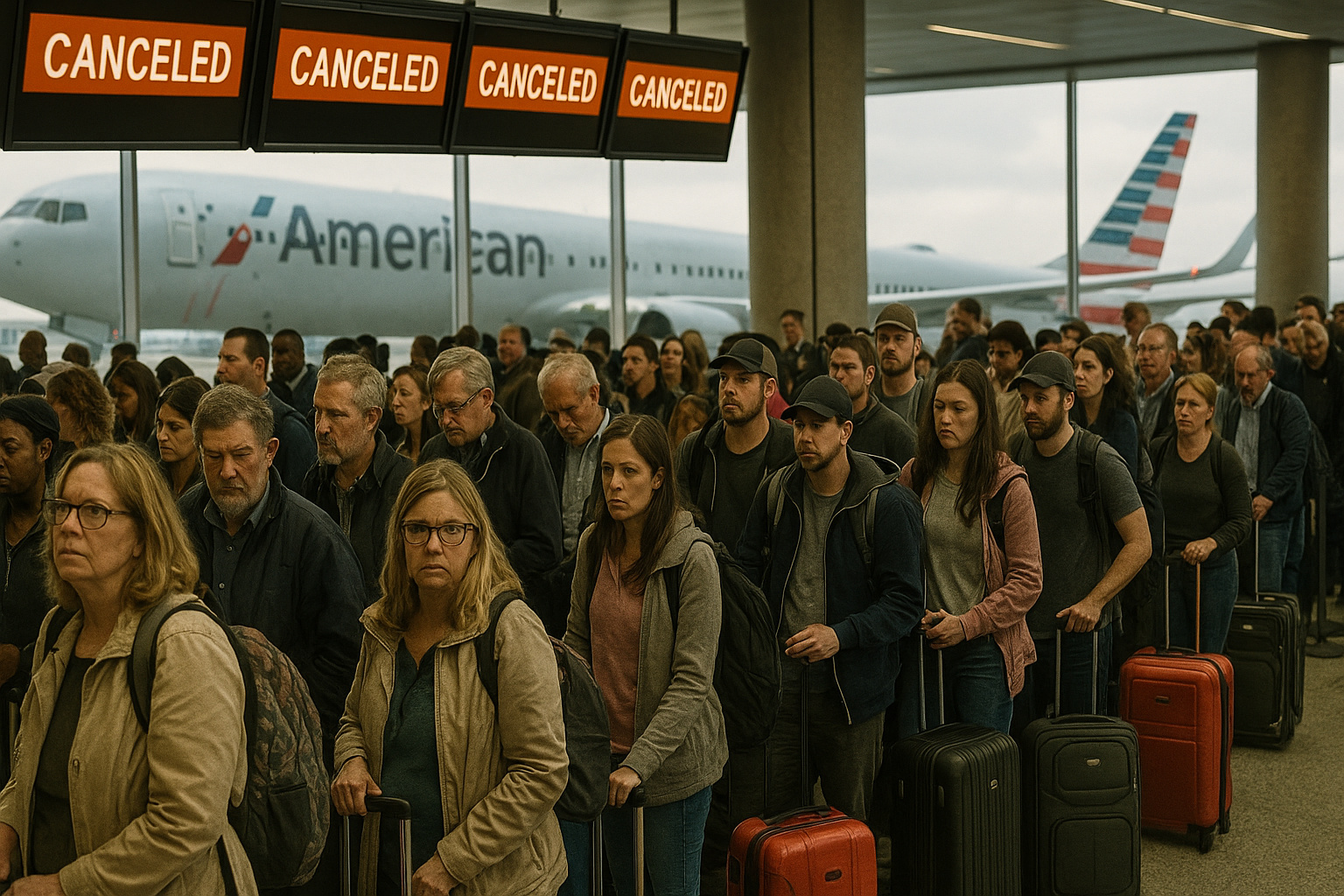
Shutdown In The U.S. Causes Chaos At Airports, With Flight Cancellations, Long Lines, And Thousands Of Passengers Affected Nationwide.
Shutdown Paralyzes Air Travel And Causes Chaos At U.S. Airports
The shutdown of the United States government triggered real chaos in air travel this Friday (7).
The partial halt of public activities led to a reduction in travel nationwide and the cancellation of hundreds of flights.
The largest American airlines, such as American Airlines, United, and Delta, confirmed cuts in their flight schedules due to a lack of staff, affecting strategic airports like New York, Washington, Chicago, Los Angeles, and Miami.
-
Chaos On Airplane Could Be Expensive: Proposal Aims To Prevent Disruptive Passengers From Flying For Up To 1 Year In Brazil And Face Fines Of Up To R$17,500

-
Man Arrested After Halting Takeoff of Fire Department Helicopter During Child Rescue in Guaratuba

-
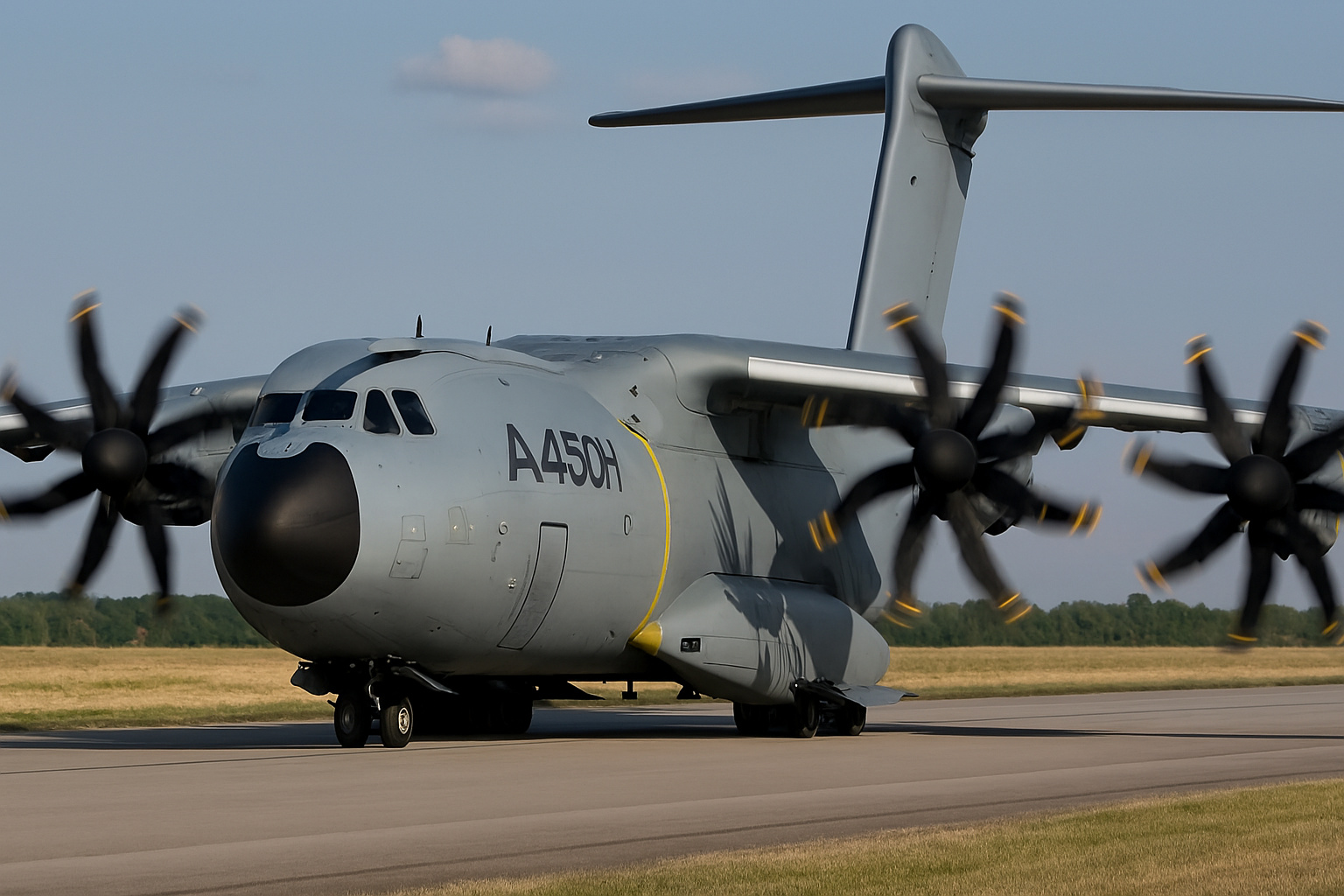
With 37 Tons of Cargo, Over 8,000 km Range, and Ability to Land on Unpaved Runways, the Airbus A400M Demonstrates How Europe Created a Military Giant That Transports Armored Vehicles, Aerially Refuels Fighters, and Operates in Conflict Zones and Humanitarian Missions Worldwide
-
Emergency Landing in Campos Amarais After Bird Strike on Small Plane


The emergency measure began this Friday and will extend throughout the weekend, causing delays, long lines, and frustration among passengers.
According to authorities, the government order was necessary due to the staff shortage directly caused by the shutdown, which temporarily suspended the pay and work of thousands of federal employees.
Flight Reductions And National Impact On Air Travel
With the ongoing crisis, airlines have been forced to reduce the number of takeoffs by about 4%.
The American Airlines and United Airlines have already announced the cancellation of around 200 flights just this weekend, while Delta Airlines anticipates 170 cancellations this Friday and warns of possible impacts on its nearly 5,000 daily takeoffs.
This scenario highlights the extent of the U.S. air travel’s dependence on a stable federal structure.
Air traffic controllers, security inspectors, and ground crews have been directly affected by the halt, compromising the normal operation of airports and increasing the risk of operational congestion.
Most Affected Airports And The Advance Of Chaos
The main connection hubs in the country are among the most affected. Six airports in the New York and Washington regions are experiencing delays and cancellations, while hubs in Chicago, Los Angeles, San Francisco, Miami, Boston, Philadelphia, Atlanta, and Dallas are facing growing lines and overcrowded terminals.
Passengers report disorganization and a lack of clear information about refunds and rebookings. In some cases, airlines are offering emergency lodging to try to contain discontent.
Shutdown Intensifies Instability And Affects The Economy
The shutdown — a term used for the partial blocking of the government due to the lack of budget approval — directly affects thousands of workers and essential services. In addition to paralyzing federal agencies, the crisis impacts the American economy, already pressured by high operational costs and the slowdown in the transportation sector.
Meanwhile, experts warn that if the political deadlock in Washington continues, chaos at airports could intensify. “The absence of controllers and security agents drastically reduces the country’s operational capacity,” stated an aviation analyst to the local press.
Weekend Forecast And Passengers’ Outlook
Industry authorities expect a turbulent weekend, with a high likelihood of new travel reductions and long waits at terminals. Airlines are urging passengers to follow official announcements and arrive at airports well in advance.
On the other hand, the government is seeking alternatives to mitigate the impact, prioritizing safety and attempting to redistribute teams to critical areas. However, without an immediate political solution, American air travel remains on high alert.
Summary Of The Scenario
The shutdown thus starkly exposed the fragility of the U.S. Air Transportation Infrastructure in the face of internal political crises.
Thus, with the reduction of flights, chaos at airports, and passenger dissatisfaction significantly increase, thereby reinforcing the urgency for a definitive solution.
Meanwhile, the political deadlock continues, and the country remains facing one of the largest logistical collapses in its recent history.








Seja o primeiro a reagir!