





 Portuguese
  English
  Spanish
  3 min of reading


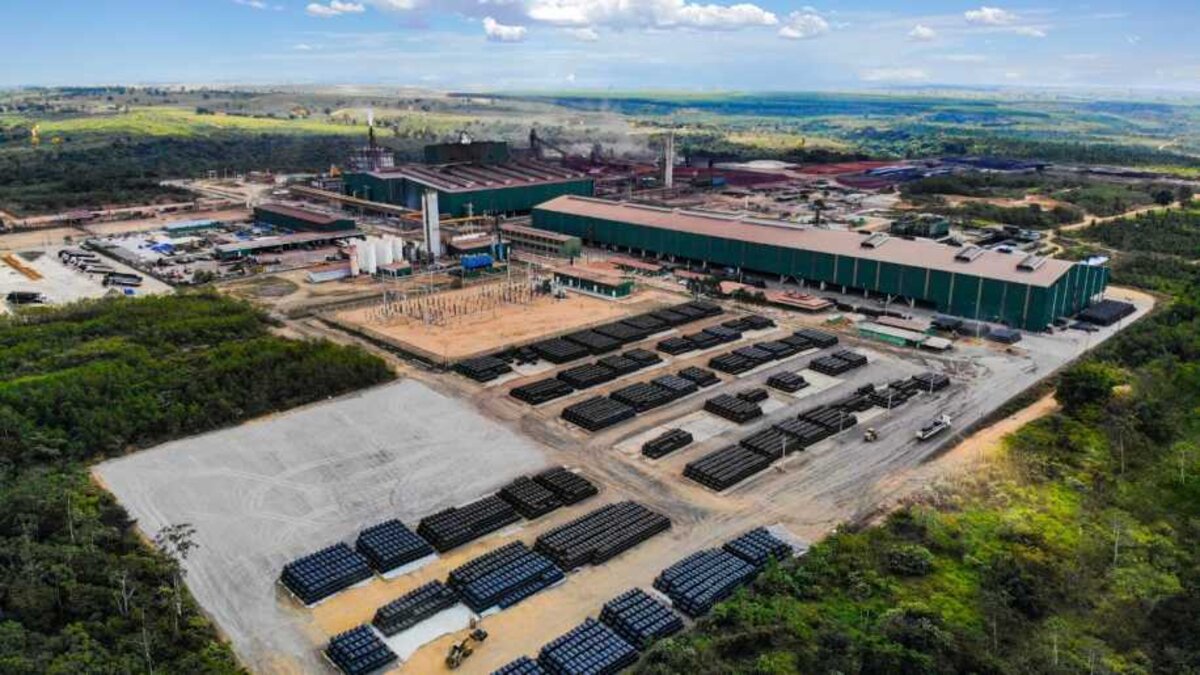
Steelmaker Aço Verde do Brasil Continues to Aim to Strengthen ESG Practices in Its Operations and, After Raising R$ 400 Million in CRAs, Will Use Part of the Funds for Planting Forests in the National Territory.
The steel company Aço Verde do Brasil continues to invest in the adoption of ESG practices in its production and has completed the raising of R$ 400 million in Agricultural Receivables Certificates (CRAs). This process will be essential for part of the funds raised to be allocated to the planting of forests in Brazil, contributing to sustainability in the operations of the steelmaker.
R$ 400 Million in CRAs Is Finalized by Steelmaker Aço Verde do Brasil, Which Seeks to Expand ESG Market with Practice in Brazil
The steel company Aço Verde do Brasil has just announced the completion of the raising of R$ 400 million in CRAs, which are securities that serve as credits and aim to meet the needs of businesses related to rural producers or cooperatives in the agricultural sector, stimulating and financing marketing and production in this segment, focusing on the development of the sector throughout the national territory.
The company also announced that the issuance process for the CRAs was carried out in two tranches, of R$ 337.5 million and R$ 62.5 million, with maturities of seven and ten years respectively, and was completed during the first week of July, coordinated by Itaú BBA and XP.
-
USA and China compete for Brazil over resources that could be worth trillions — rare earths put the country at the center of a global dispute

-
With 74% of companies facing difficulties in hiring, technicians and engineers in renewable energy are becoming scarce in Brazil and are essential to support the expansion of solar, wind, and green hydrogen projects.

-
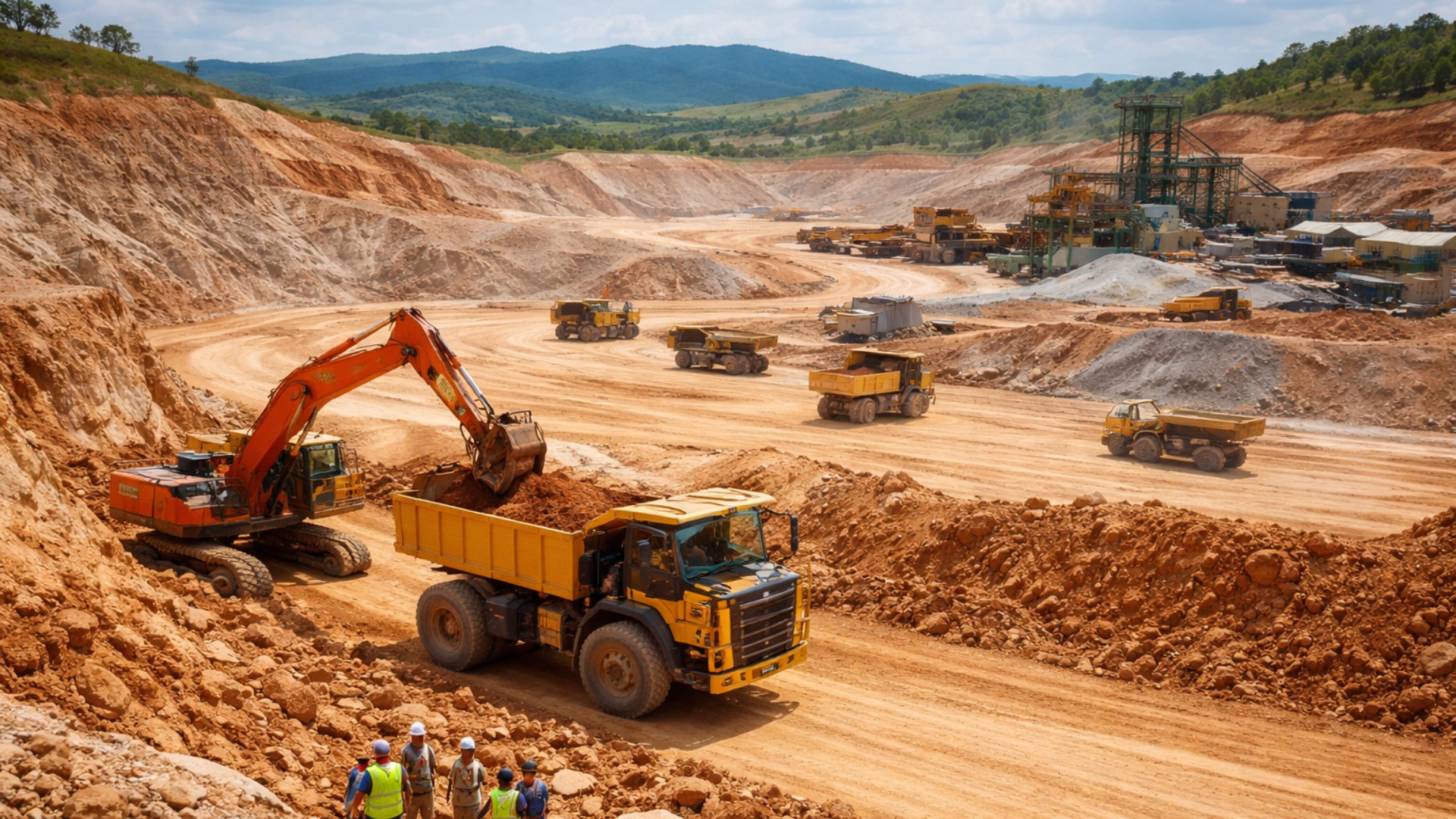
After China, it’s now the turn of the USA to ‘secure’ a share of Brazil’s natural resources: the country buys critical rare earths for R$ 3 billion and enters the center of the global technology dispute.
-
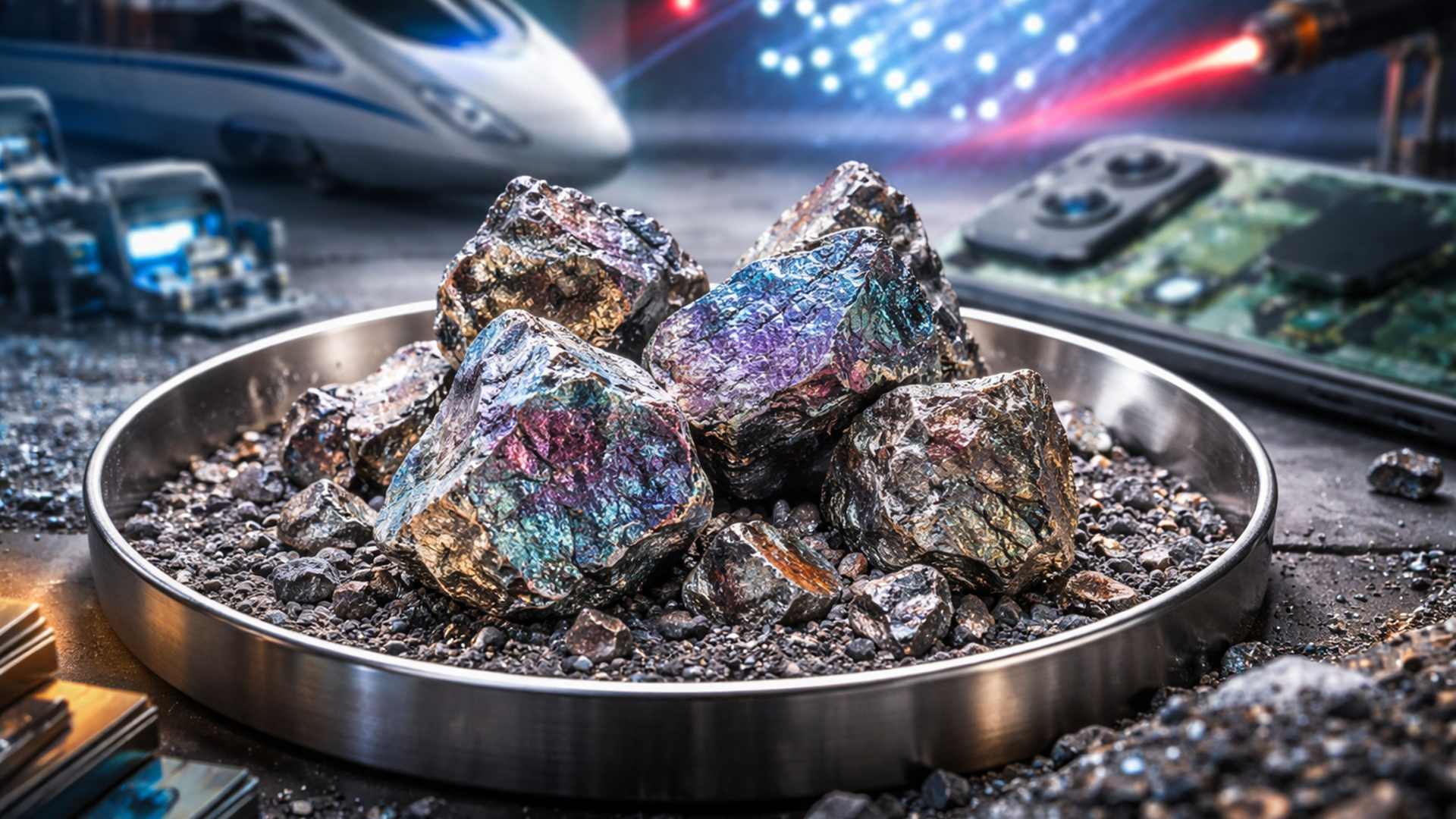
Rare earths are in everything, from cell phones to bullet trains, and what almost no one realizes is why they have become the target of such a delicate global war.
This is a very important step for the steelmaker concerning ESG practices in its production chain in Brazil, but it also seemed out of place, since the issuance of CRAs by a steel company is not very common in the national market.
However, this process was made possible thanks to Aço Verde do Brasil’s zero carbon project, as the company uses the agricultural route in its biocarbon-based production, meaning a renewable biomass, instead of consuming fossil fuels.
This is the company’s main bet for its commitment to the environmental agenda, as the steelmaker has neutralized the emission of the pollutant gas and has also been contributing to the development of new ESG practices, with the issuance of the CRAs, which will become investments in forest planting.
Part of the Funds Raised in CRAs by the Steelmaker Will Be Used for Developing Forest Planting Projects
According to Aço Verde do Brasil itself, part of the funds raised from the issuance and sale of CRAs this year will be allocated to the planting of eucalyptus forests and the acquisition of firewood, aiming to gradually reach the current installed capacity of 600 thousand tons of long steel per year.
Thus, the company will use forest planting as part of its investment in ESG practices, becoming even more responsible for national reforestation.
In this way, Sílvia Nascimento, CEO of Aço Verde do Brasil, emphasizes that the strong demand for AVB’s CRAs met expectations regarding the market for certificates in Brazilian agribusiness and stated: “We are the world’s first steelmaker recognized for producing carbon-neutral steel. The movement of investors today is to seek and value companies that meet ESG pillars and demonstrate consistent growth. A profile that is fully aligned with AVB. We are in a learning process and getting closer to the market. Furthermore, there is the commitment of AVB’s management and board, further consolidating the indispensable governance environment for this objective.”
The company began issuing CRAs in the agricultural sector in May 2021 for R$ 250 million and is now starting to see significant results from this bet in the credit certificate market in Brazil.








Seja o primeiro a reagir!