





 Português
  Inglês
  Espanhol
 3 min de leitura


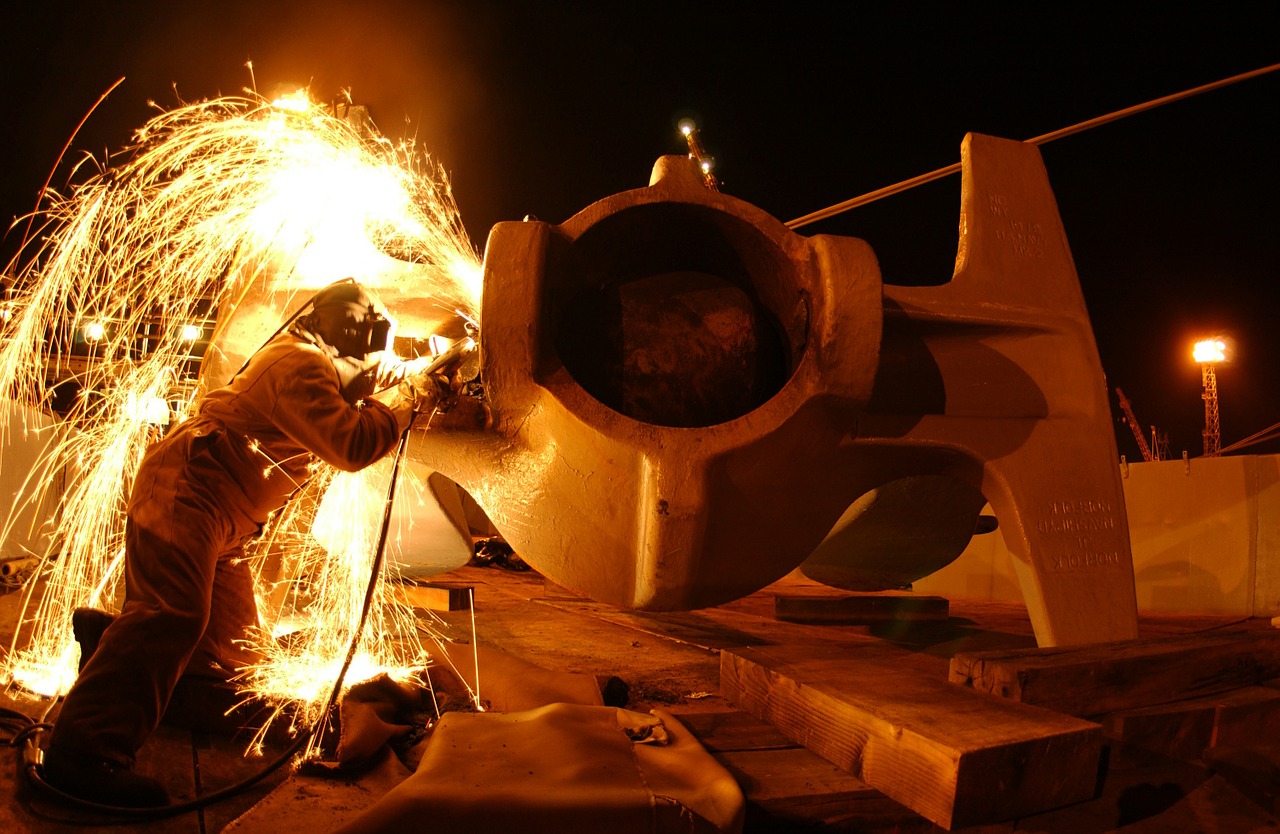
Investment In Decarbonization By Steelmaker Aims To Increase The Use Of Recycled Material In The Production Of Steel By Ternium
The company Ternium has made progress on its investment project to increase the use of scrap metal at its industrial yard in Rio de Janeiro, focusing on its decarbonization plan. Starting next week, the largest steelmaker in Latin America will receive one of the three scrap boxes that will be used to expand the use of recycled material in steel production, which is the reason for the investment.
The recycled material that the steelmaker Ternium will use is produced by Emalto, a mechanical industry based in the city of Ipatinga (MG). This action intensifies Ternium’s relationship with the Steel Valley in Minas Gerais. The entry of the new equipment acquired with the company’s investment is the first phase of the project aimed at increasing and modernizing the existing scrap yard at the steel mill in Santa Cruz.
The completion of the project is scheduled for September 2023, with investments of R$ 100 million. The investment made in the proposal focuses on the steelmaker’s decarbonization plan and assumes an increase of about 80% in the use of scrap in Ternium’s steel production in Brazil.
-
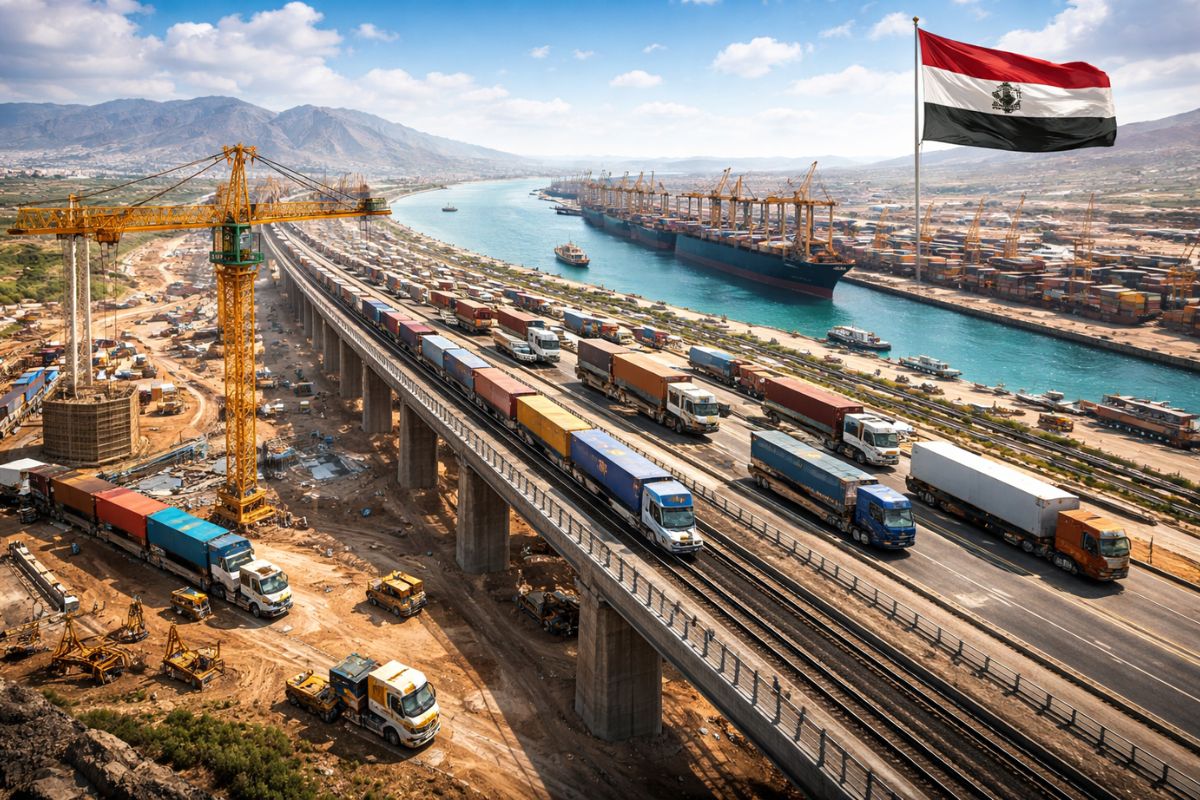
A megaproject worth R$ 89 billion is advancing in Iraq and promises to change the game in global trade by creating a new corridor between Asia and Europe, reducing traditional routes and repositioning the country as a logistics powerhouse.
-
Goodbye bedside table: floating shelves become a trend in 2026 by freeing up space in the bedroom, improving circulation, bringing visual lightness, and integrating technology without taking up floor space.

-
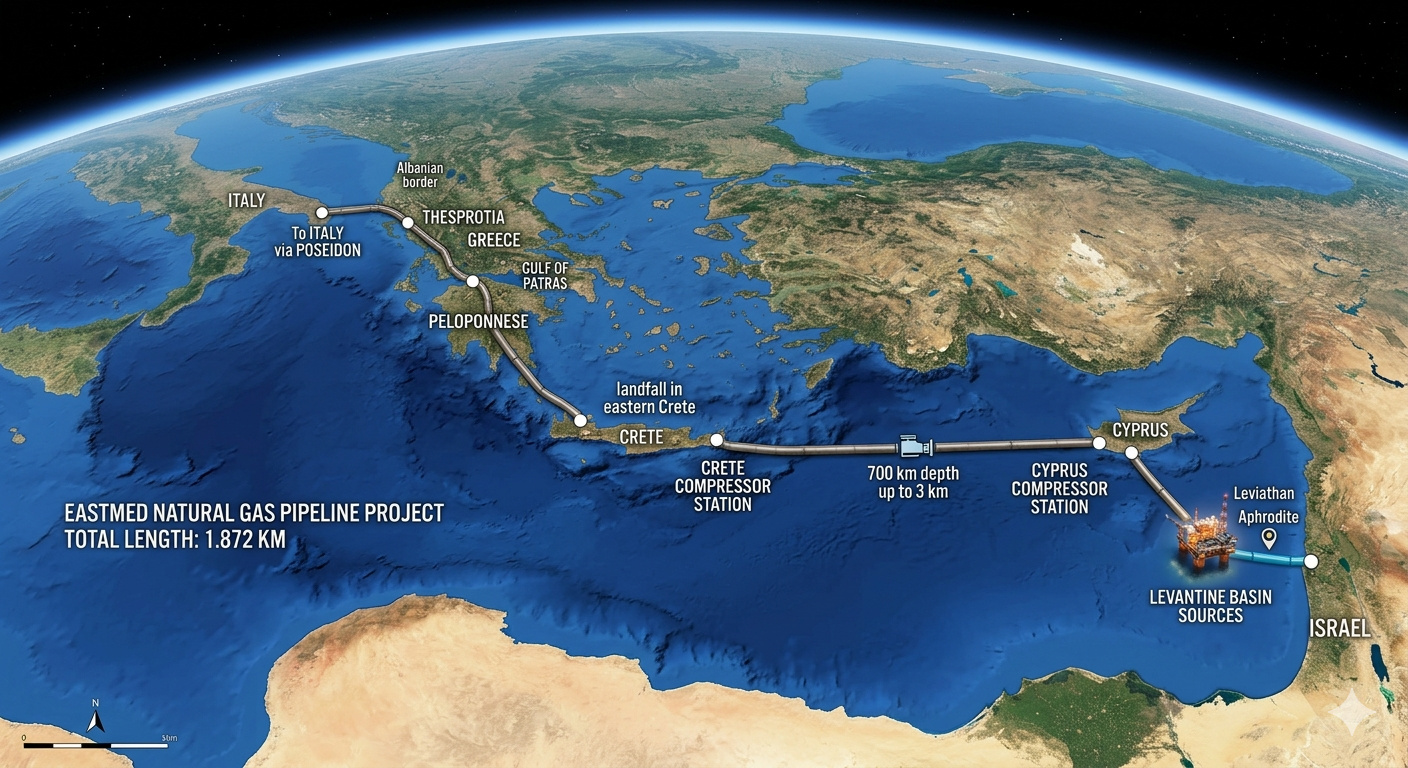
Israel, Greece, and Cyprus signed an agreement in 2020 to transport gas from the Mediterranean to Europe via a 1,872 km pipeline, but Turkey claimed sovereignty over part of the maritime route, and the project never materialized.
-
Israel, Greece, and Cyprus signed an agreement in 2020 to transport gas from the Mediterranean to Europe via a 1,872 km pipeline, but Turkey claimed sovereignty over part of the maritime route, and the project never materialized.

According to Ternium’s CEO, Marcelo Chara, “Besides advancing the decarbonization plan, Ternium is boosting the industrial sector of the Steel Valley with this investment. It is worth noting that the use of scrap incorporates metallic iron into the industrial process and replaces part of the consumption of ore. Thus, the process becomes more efficient, allowing for the decarbonization of the industry.” The company announced in early 2021 a proposal to reduce carbon intensity by 20% per ton of steel by the year 2030.
Get To Know Ternium
Ternium is the largest steelmaker in Latin America and has been operating the largest industrial hub in Rio de Janeiro since 2017, located in Santa Cruz. With an annual production capacity of 5 million tons of steel billets, the state-of-the-art unit serves industries in the United States, Mexico, Brazil, and Europe.
The company has around 8,000 employees, over 60% of whom live in the Western Zone of Rio de Janeiro. Ternium has invested more than R$ 10 million per year in the socioeconomic development of Santa Cruz and the surrounding area through social programs focused on education, directly benefiting more than 9,000 people.
The company was formed in 2005 as a result of the merger of several companies in the same sector acquired by Techint. Its history began in 1969 when the group started the cold rolling process in Argentina and launched Propulsora Siderúrgica, which later merged with the newly acquired State Steel Company Somisa, creating Siderar.
In 1998, the Venezuelan company Sidor was privatized by the Amazon Consortium, formed by the Techint group, Hylsamex, and Usiminas. After six years, Matesi and Tenaris partnered to acquire a briquette factory. Thus, only in 2005 did the group acquire Hylsamex and, together with Siderar and Sidor, create a single steelmaker: Ternium.
Today, in addition to owning plants that encompass the entire steel production chain, the company serves customers from various sectors, including automotive, construction, metallurgy, packaging, energy, and transportation.
With a management model and specialization established in strategically positioned production units, Ternium and its subsidiaries have seventeen production centers in six countries, including Argentina, Colombia, the United States, Guatemala, Mexico, and Brazil, and are the majority shareholder of Usiminas, controlling the position of president of the steel company.








Seja o primeiro a reagir!