






 Portuguese
  Spanish
 2 min of reading


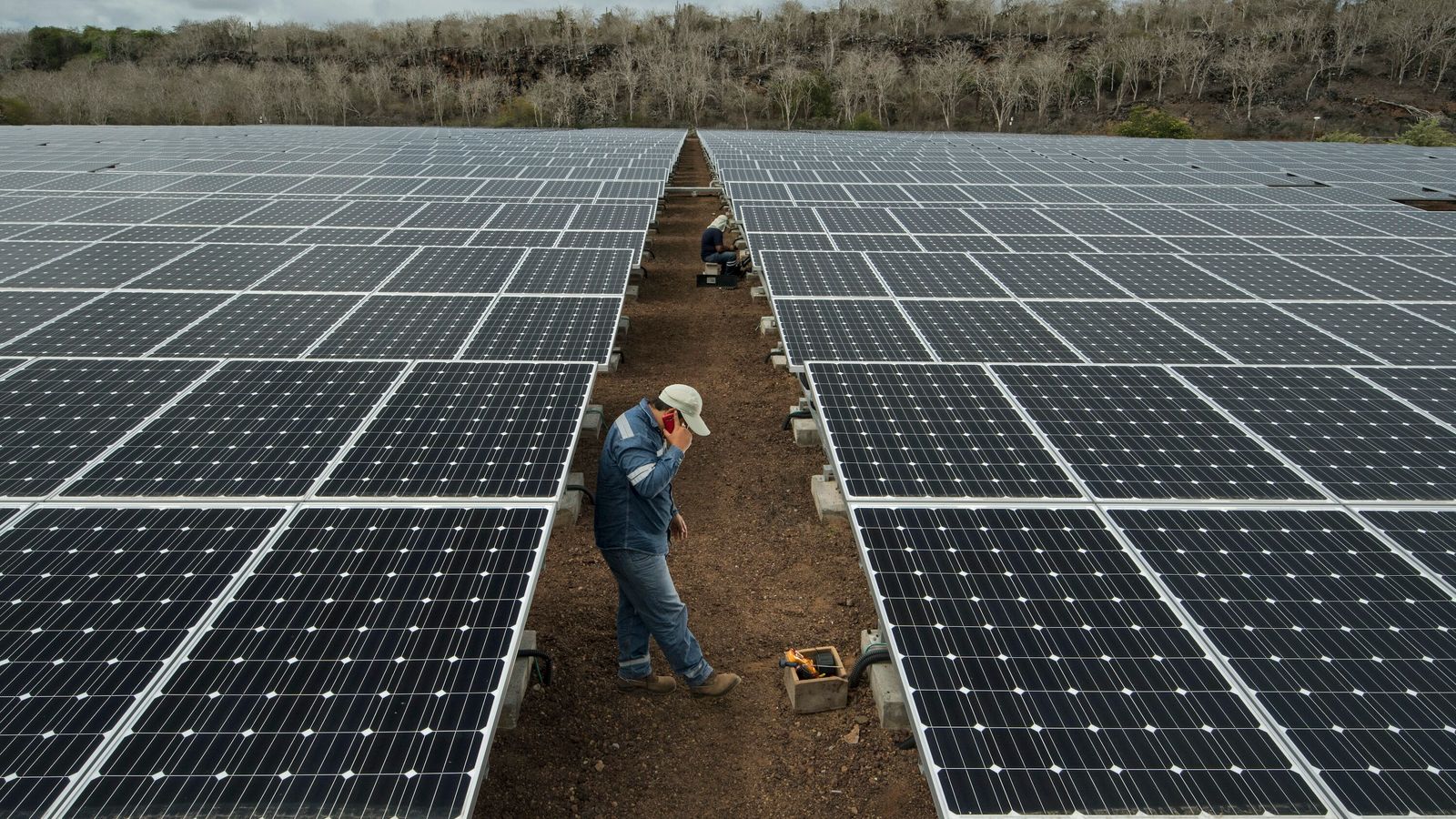
In Press Release Issued By Dasa, The Solar Plants Are Scheduled To Be Delivered By Next Year
Dasa, the largest integrated health network in Brazil, will build 17 solar plants, which will be delivered in 2022 and 2023 to serve some of Dasa Diagnósticos’ own units. Currently, it operates the first solar plant, installed in Ceará. The others will be built in regions such as the states of Rio de Janeiro, São Paulo, and Bahia.
In recent years, we have seen significant growth in the sector influenced by the pandemic, which has boosted the sustainability agenda in health companies. “At Dasa, we are increasingly seeking innovations that contribute to the environment, and building these solar plants is part of our goal to be sustainable,” says Sérgio Ricardo, Vice President of Strategy, Legal, and ESG at Dasa.
The largest integrated health network in Brazil proposes a new health management model that places people – doctors and patients – at the center of decisions and contributes to the sustainability of the sector in all areas. Dasa’s great purpose is to be the health that people desire and that the world needs, through an ecosystem that serves its users in a fluid, agile, and effective manner for predictive, preventive, and personalized health.
-
Brazilian scientists are simultaneously advancing two research projects on clean hydrogen and driving solutions that could transform the energy matrix, enhance industrial competitiveness, and accelerate large-scale emission reduction targets.

-
Advancement in renewable energy: A R$ 150 million project launched by Petrobras and Finep aims to create state-of-the-art electrolyzers for green hydrogen, strengthening national research and preparing Brazil to compete in a billion-dollar energy market.
-
Solar energy can increase property value by up to 10% and become a selling point.
-
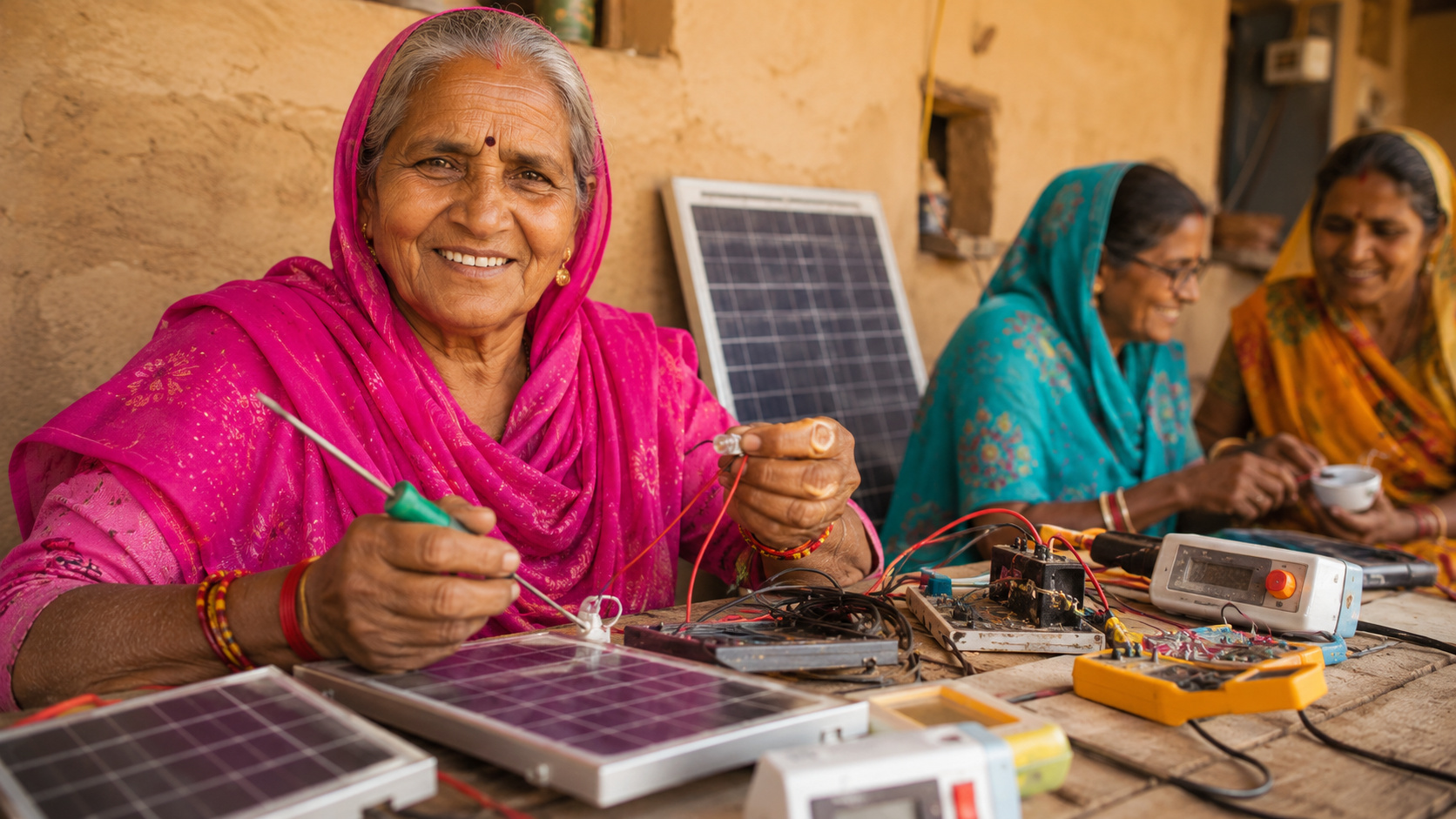
Illiterate or semi-literate grandmothers were trained to repair solar systems, open rural workshops, and light up homes that still depended on kerosene.



Information via Bowler





Be the first to react!