





 English
  Francês
  Alemão
  Italiano
  Japonês
  Norueguês
  Portuguese
  Spanish
  4 min of reading


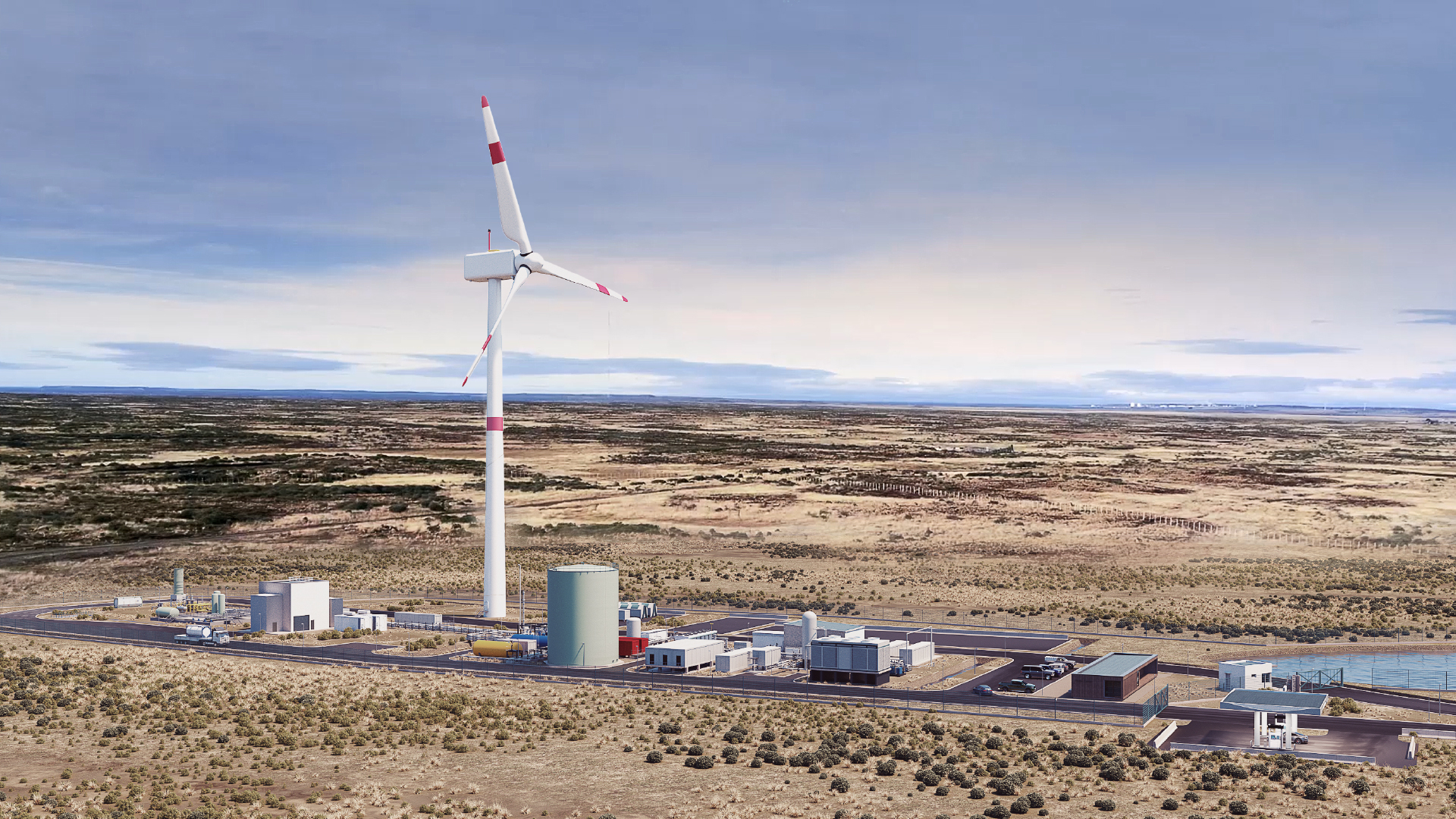
Siemens Energy And Porsche Begin Construction Of The First Commercial Integrated Plant For The Production Of CO2-Neutral Fuel In Chile
Siemens Energy and sports car manufacturer Porsche have joined forces with several international companies to build an industrial plant to produce virtually CO2-neutral fuel (e-fuel) in Punta Arenas, Chile. The inauguration ceremony for this pioneering project took place today in the presence of Chile’s Minister of Energy, Juan Carlos Jobet.
Read Also
- Technology Company Opens Thousands Of Registrations For Free Introduction To Programming Course
- Job Openings For High School, Technical, And Higher Education Are Open Today (09/10) For Work At An Ethanol Plant
- Petrobras Approves New Contracts For The Sale Of Gasoline And Diesel To Increase Competitiveness This Morning (09/10)
- New Technology That Reduces Fuel And Tire Costs Promises To Be The Solution To Increase Company Profits
- Biodiesel Is Not Responsible For The High Price Of Diesel But Government Confirms Reduction Of Biofuel Blend And End Of Auctions
Preparations For The Next Major Commercial Phase Are Already Underway
The pilot plant, which is being initially built north of Punta Arenas in Chile’s Patagonia, is expected to produce around 130,000 liters of e-fuels in 2022. Then, capacity will be expanded in two stages, to about 55 million liters by 2024 and 550 million liters by 2026. The necessary environmental licenses have already been obtained by the Chilean project company HIF (Highly Innovative Fuels), and Siemens Energy has also begun preparatory work for the next major commercial phase of the project.
“I am very pleased that we are making progress on this international pilot project towards a hydrogen economy, together with strong international political and business partners,” said Armin Schnettler, Executive Vice President of New Energy Business at Siemens Energy. “With Haru Oni, we are taking our power-to-X technologies to the global market. We are jointly developing the world’s first integrated and large-scale commercial plant for the production of climate-neutral synthetic fuels. Additionally, we are implementing one of the most interesting projects in the energy sector for the future in southern Chile and driving the decarbonization of the mobility sector. This means a significant and effective contribution towards reducing CO2 emissions in the traffic and transport sector.”
-
Rio Grande do Sul accelerates energy transition: State invests in renewable technologies and consolidates decarbonization strategies and pathways to attract billions in new industrial investments.

-
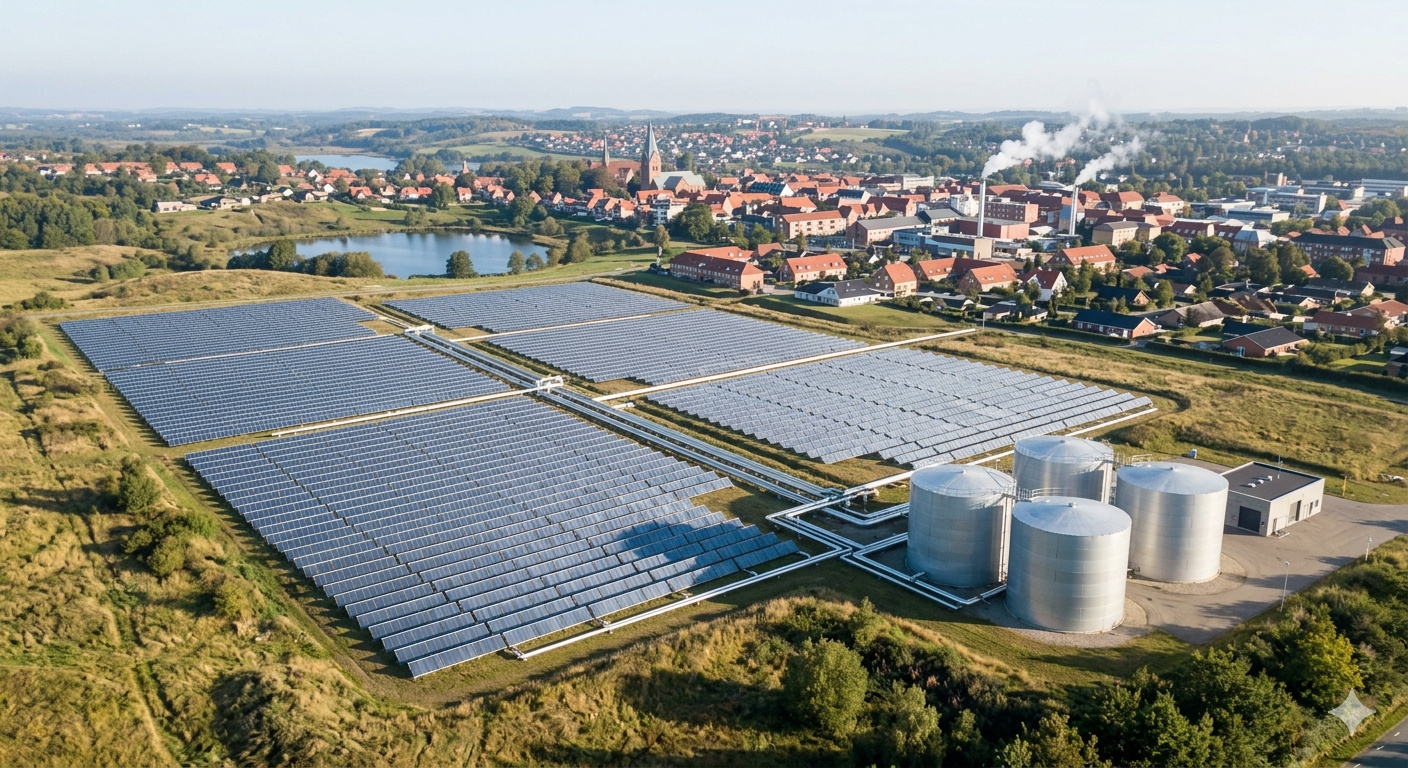
With 160,000 m² of collectors, an area larger than 20 football fields, Silkeborg, in Denmark, hosts a solar thermal plant that heats 19,500 homes and could become the largest solar heating plant in the world.
-
A study reveals the expansion of renewable energy procurement in Brazil and shows how companies are taking advantage of opportunities to reduce expenses, ensure energy efficiency, and strengthen strategic environmental commitments.

-
Mato Grosso do Sul excels in the sugar-energy sector: the state reaches a milestone of 22 operating mills and accelerates the production of clean energy in MS with a focus on sustainability.
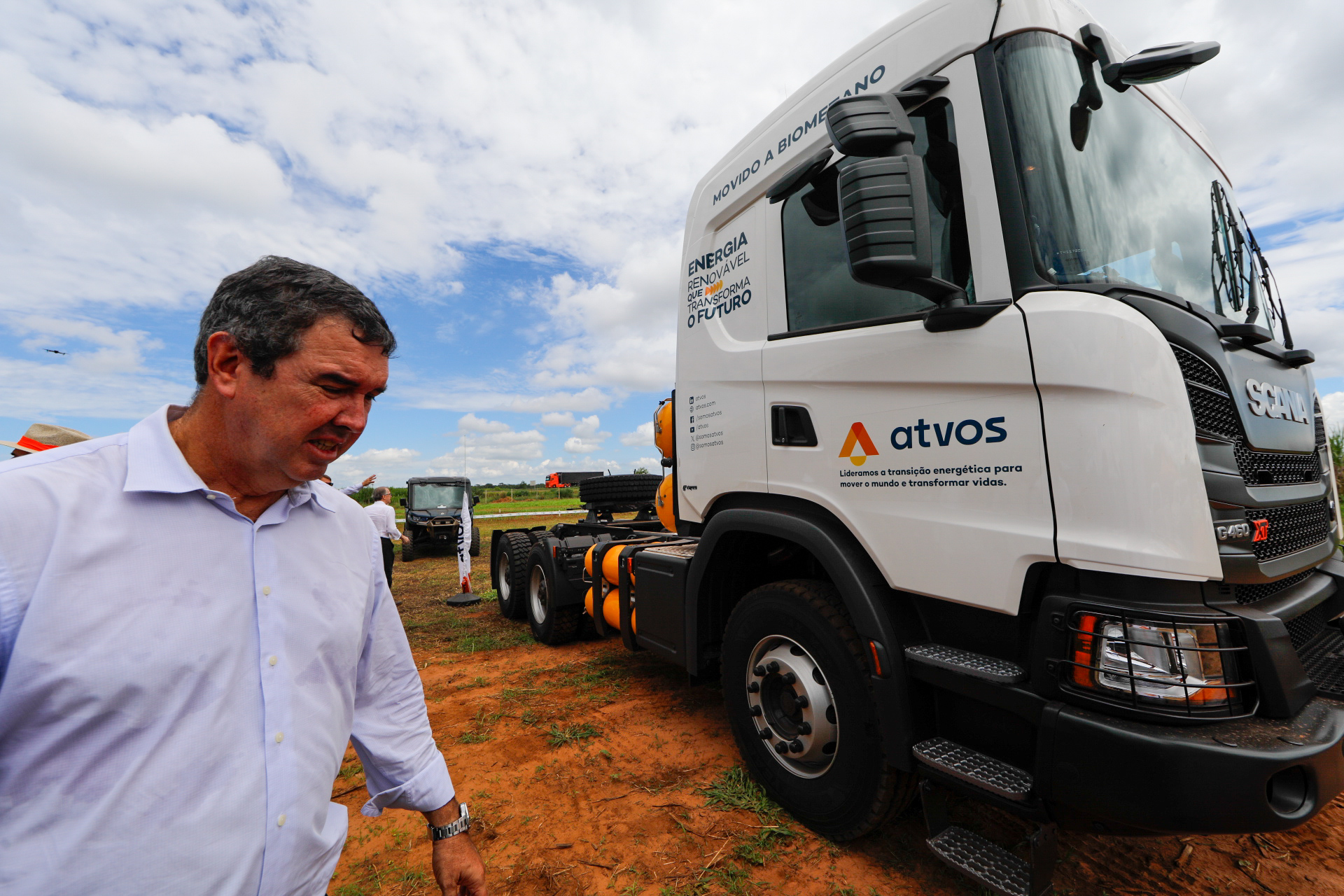

Porsche Will Use CO2-Neutral E-Fuels For Motorsport Starting In 2022
The sports car manufacturer Porsche has initiated the demonstration project and will use e-fuels in its own combustion engine vehicles. Michael Steiner, Member of the Executive Board for Research and Development at Porsche AG, stated: “Porsche was founded with a pioneering spirit. That is what drives us: to thrive on innovation. We also see ourselves as pioneers when it comes to renewable fuels and want to drive that development forward. This fits perfectly into our clear overall sustainability strategy, where Porsche as a whole will be CO2-neutral by 2030. Fuels produced with renewable energies can contribute to this. Our icon, the 911, is particularly suited for the use of e-fuels, as are our beloved vintage cars, given that about 70% of all Porsches ever built are still on the road today. Our tests with renewable fuels are progressing very successfully. E-fuels will reduce fossil CO2 emissions in combustion engines by up to 90 percent. Among other things, we will use the first fuel from Chile in our Porsche Mobil 1 Supercup racing cars in 2022.”
Chile has set ambitious goals for the country as part of its National Green Hydrogen Strategy. The country plans to have a capacity of 5 gigawatts (GW) of electrolyzers by 2025, increasing to 25 GW by 2030. The aim is to produce the cheapest hydrogen in the world and turn the country into a leading exporter of green hydrogen and its derivatives.
The Haru Oni project leverages the perfect wind energy climate conditions in the Magallanes province of southern Chile to produce the CO2-neutral fuel, using low-cost green wind energy. In the first stage, the electrolyzers split water into oxygen and green hydrogen using wind energy. The CO2 is then filtered from the air and combined with green hydrogen to produce synthetic methanol, which in turn is converted into e-fuel. The pilot plant is scheduled to start production in mid-2022. In addition to Siemens Energy, Porsche, and HIF, Enel, ExxonMobil, Gasco, and ENAP are participating in the Haru Oni project.
Siemens Energy Is One Of The World’s Leading Companies In Energy Technology
Siemens Energy is one of the world’s leading companies in energy technology. The company works with its customers and partners on energy systems for the future, thus supporting the transition to a more sustainable world. With its portfolio of products, solutions, and services, Siemens Energy covers almost the entire energy value chain – from power generation and transmission to storage. The portfolio includes conventional and renewable energy technology, such as gas and steam turbines, hybrid plants operated with hydrogen, and power generators and transformers. More than 50 percent of its portfolio has already been decarbonized.
A majority stake in the publicly listed company Siemens Gamesa Renewable Energy (SGRE) makes Siemens Energy a global leader in the renewable energy market. It is estimated that one-sixth of the electricity generated worldwide is based on Siemens Energy technologies. Siemens Energy employs over 90,000 people worldwide in more than 90 countries and generated revenue of about €27.5 billion in the 2020 fiscal year.
·







Seja o primeiro a reagir!