





 English
  Francês
  Alemão
  Italiano
  Japonês
  Norueguês
  Portuguese
  Spanish
 6 min of reading
  0 comments


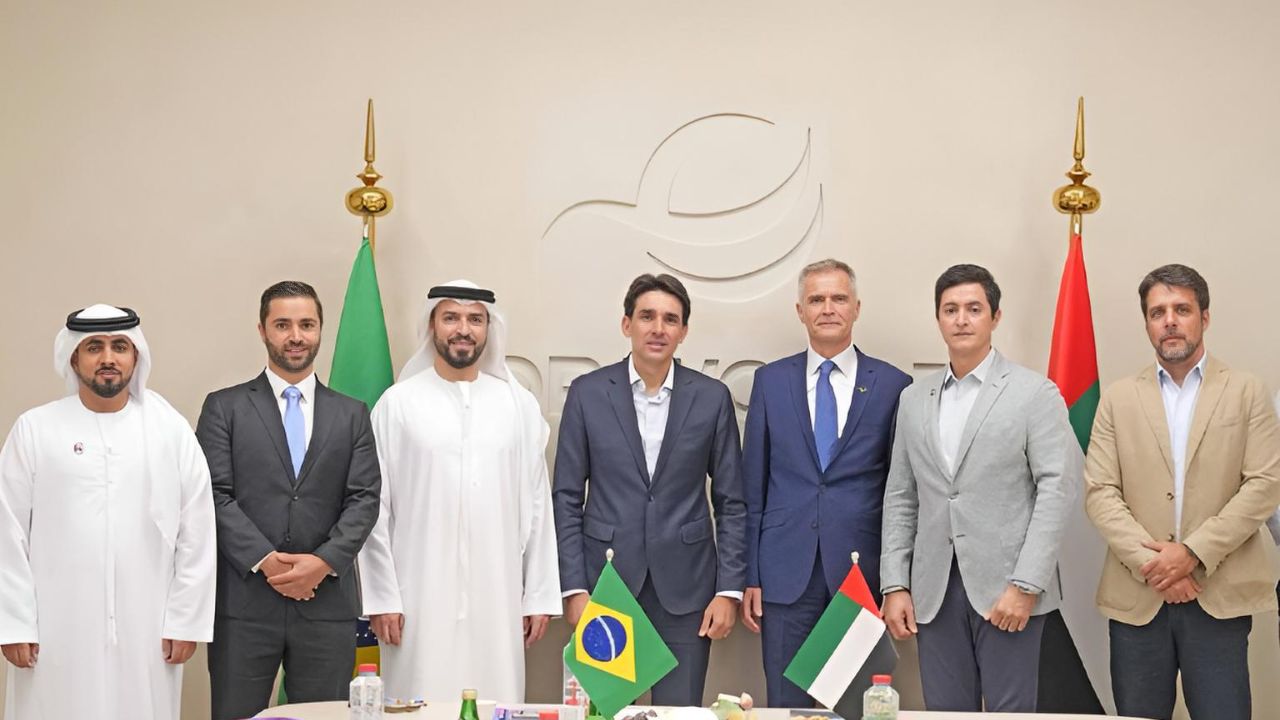
The Port of Santos Will Receive a New Cycle of Investment with the Partnership Between the Minister of Ports and Airports and DP World, Strengthening the Strategic Infrastructure of Brazil and Expanding Connections with the United Arab Emirates
During an official mission in Dubai, in the United Arab Emirates, the Minister of Ports and Airports, Silvio Costa Filho, confirmed with DP World an investment of R$ 1.6 billion aimed at modernizing the Port of Santos.
According to the Ministry of Ports and Airports this Thursday (20), the investment will increase the container terminal capacity to 2.1 million TEUs by 2028, in addition to allowing for the expansion of the pier and the acquisition of modern equipment. The information was released by the Ministry of Ports and Airports in an official statement.
Modernization of the Port of Santos: Main Points of the Investment
The announcement marks one of the largest recent private investments in the Brazilian port sector. The investment focuses on expanding infrastructure, increasing operational efficiency, and adopting sustainable technologies.
-
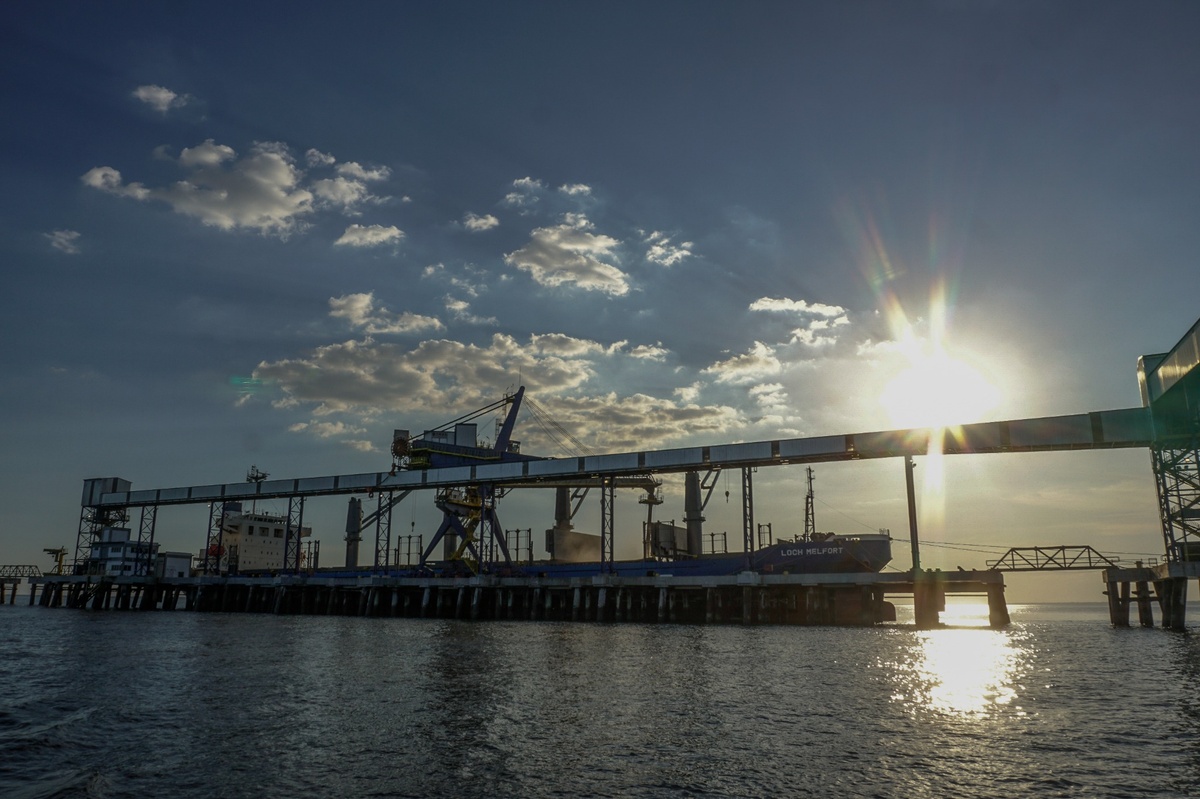
Private ports increased by 14.1% in January 2026 and lead port activity with 66% of the cargo, driven by oil, agribusiness, and exports.
-
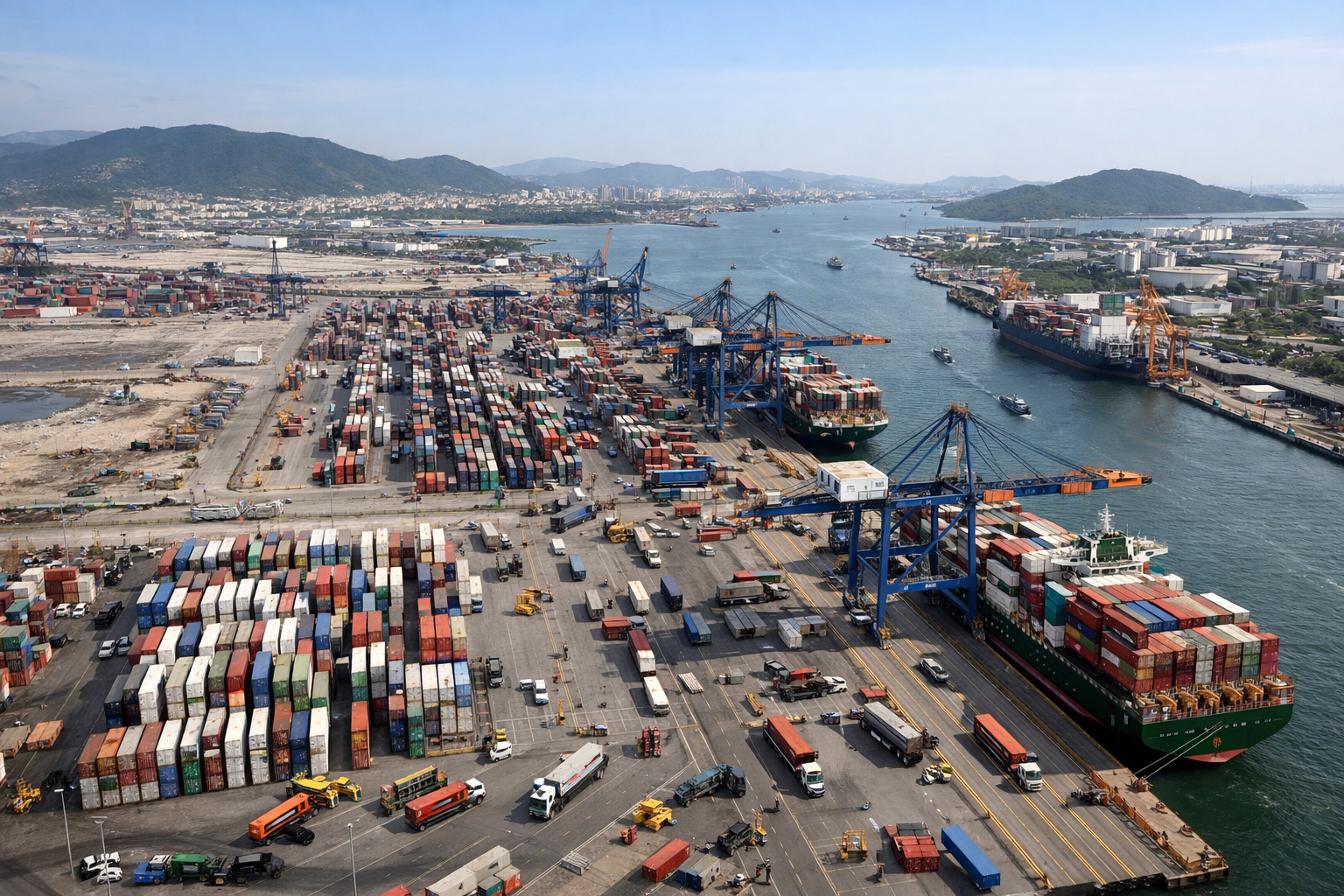
Government Releases R$ 5.1 Billion to Modernize Ports and Generate Over 5,000 Direct Jobs in Brazil
-
Merchant Marine Fund Approves R$ 5.1 Billion for Port Projects Aiming to Accelerate Port Modernization, Expand Logistics Infrastructure, and Generate Over 5,000 Jobs in Brazil
-
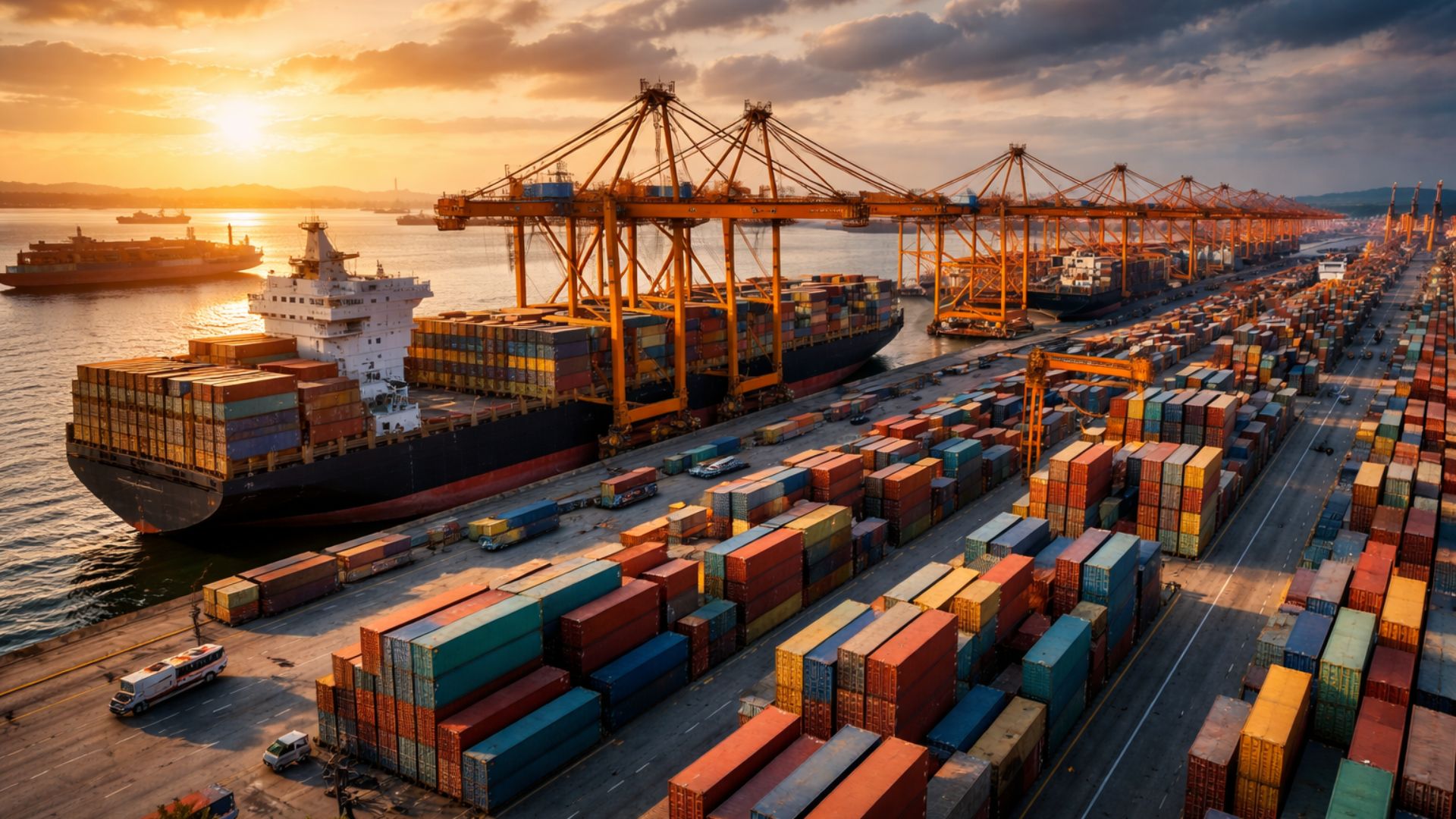
Giant of World Trade: Largest Port in Latin America Is in Brazil, Covers 7.8 Million Sq. Meters on São Paulo Coast, Accounts for 25% of All Exports, and Now May Undergo Historical Expansion That Triples Its Area and Changes the Future of National Logistics
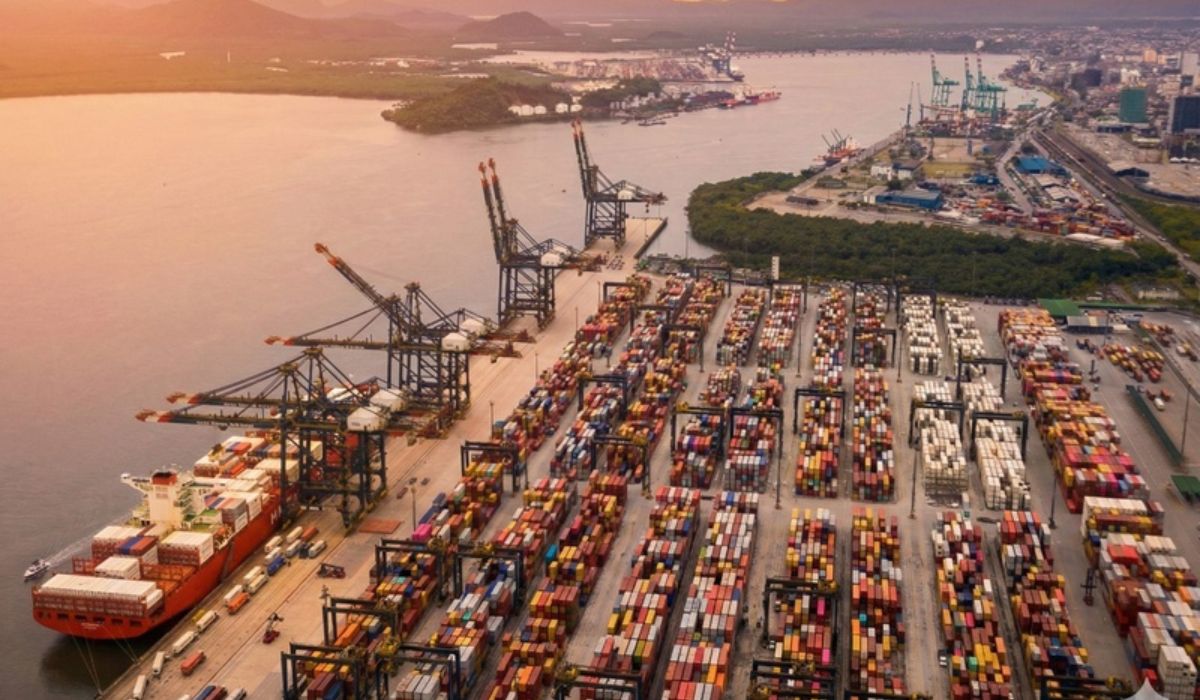

The project includes:
- Expansion of the pier from 1,100 to 1,290 meters, allowing the docking of large vessels.
- Construction of a new docking pier.
- Implementation of a slab on piles for expansion of the back area.
- Modernization of inspection areas and access gates.
- Installation of new points for refrigerated cargo.
- Acquisition of 4 quay cranes, 15 RTGs, and 40 ITVs with more efficient and sustainable technology.
According to the official source, the new pier will enable the operation of New Panamax vessels with a capacity of up to 150 thousand gross tons, elevating the competitiveness of the terminal to the level of major global ports.
Agreement Signed in the United Arab Emirates: Diplomacy and Logistical Expansion
During the official mission in Dubai, Silvio Costa Filho visited the Port of Jebel Ali, considered one of the most modern in the world and also operated by DP World. The visit reinforced the company’s confidence in the Brazilian market and solidified the agreement that will drive the modernization of the Port of Santos.
In official statements, the minister stated that Brazil aims to present the international market with legal security, predictability, and openness for structuring investments. This discourse, aligned with government actions, has helped attract new investments to the port sector.
In addition to the meeting with executives from DP World, the Brazilian delegation participated in strategic agendas with investors interested in expanding logistical connections between Brazil and the United Arab Emirates, strengthening bilateral relations between the nations.
Port of Santos: Direct Impacts of the Expansion
Increased Capacity and Operational Efficiency
The expansion of the pier and the arrival of new equipment will significantly increase container handling capacity. With an expectation to reach 2.1 million TEUs by 2028, the terminal will operate at a higher level, reducing logistical bottlenecks and increasing the competitiveness of Brazilian foreign trade.
The modernization is also expected to improve operation times and reduce logistical costs, benefiting productive chains such as agribusiness, industry, consumer goods, and refrigerated products.
Job Creation and Regional Development
In addition to the increase in operational capacity, the construction works are expected to benefit the economy of Baixada Santista. The construction of new structures will generate direct jobs in civil construction, engineering, and logistics, as well as create indirect jobs in services, transportation, and commerce.
The modernization will attract new logistics operators, reinforcing the Port of Santos as a strategic hub for imports and exports, with a lasting positive impact on regional development.
Sustainability and Technology at the Center of the Project
The adoption of state-of-the-art equipment with greater energy efficiency is part of DP World’s strategy to reduce emissions and adopt cleaner operations. The new RTGs and quay cranes promise reduced fuel consumption and lower environmental impact, aligning the terminal with global best practices for sustainability.
Additionally, the expansion of inspection areas and modernization of digital control systems should enhance the security and traceability of operations, favoring audits, transparency, and logistical control.
How the Investment Integrates Into the National Plan for the Port Sector
The announcement of the modernization of the Port of Santos is not an isolated case. It is part of a set of actions that the Ministry of Ports and Airports has been promoting to modernize Brazilian port infrastructure.
In recent years, important initiatives have reinforced the national relevance of the sector:
- Inauguration of expansion works at terminals T-32 and DP World, in 2024, with around R$ 450 million invested.
- Authorization of R$ 1.24 billion for the construction of the new passenger terminal at the Port of Santos, announced in 2025.
- Planning of new port auctions until 2026, including strategic areas for cargo flow.
The country also recorded records: in 2024, port movement reached 1.32 billion tons, while the Port of Santos reached historic levels in 2025, driven by soy, cellulose, and containers.
These figures reinforce the relevance of the investment package and demonstrate that the project aligns with a scenario of constant sector expansion in Brazil.
Risks and Challenges That May Influence the Progress of the Works
Although the project is robust and has international private investment, there are challenges that may impact its execution pace:
- Environmental licensing issues and operational authorizations.
- Possible delays in the delivery of imported equipment.
- Need for efficient integration between new equipment and existing systems.
- Maintenance of the country’s economic and legal stability, an essential factor for foreign investors.
Despite these risks, the recent history of investments and partnerships in the port sector demonstrates that Brazil has been advancing towards modernizing its infrastructure with greater solidity and planning.
Why the Investment is Decisive for the Logistical Future of Brazil
The modernization of the Port of Santos is strategic for the country for several reasons. First, the port is the main logistical corridor for Brazilian exports, being responsible for a large part of the flow of agricultural, industrial, and consumer products.
Second, the expansion of capacity may allow the entry of larger ships, reducing the cost per container and making Brazil more competitive on the global stage. Third, the investment reinforces international confidence in the Brazilian economic environment and opens doors for new investments.
This movement also strengthens the trade relationship between Brazil and the United Arab Emirates, expanding opportunities for future partnerships in the logistical, energy, and port areas.
What to Expect from the New Phase of Expansion of the Port of Santos
With the announcement, the Port of Santos initiates a modernization cycle capable of transforming its operation in the coming years. The partnership between the Minister of Ports and Airports, Silvio Costa Filho, and DP World symbolizes the union of technical capacity, international investment, and strategic vision for the future of Brazilian infrastructure.
As the works progress and new equipment is installed, the terminal is expected to achieve higher efficiency levels, reducing operation times, increasing capacity to 2.1 million TEUs, and strengthening its position as the main port in Latin America.
Focusing on technology, expansion, and sustainability, the Port of Santos enters a decisive phase to keep up with the growth of global demand and consolidate Brazil as one of the protagonists in international trade.








Seja o primeiro a reagir!