





 Portuguese
  English
  Spanish
  3 min of reading
  0 comments


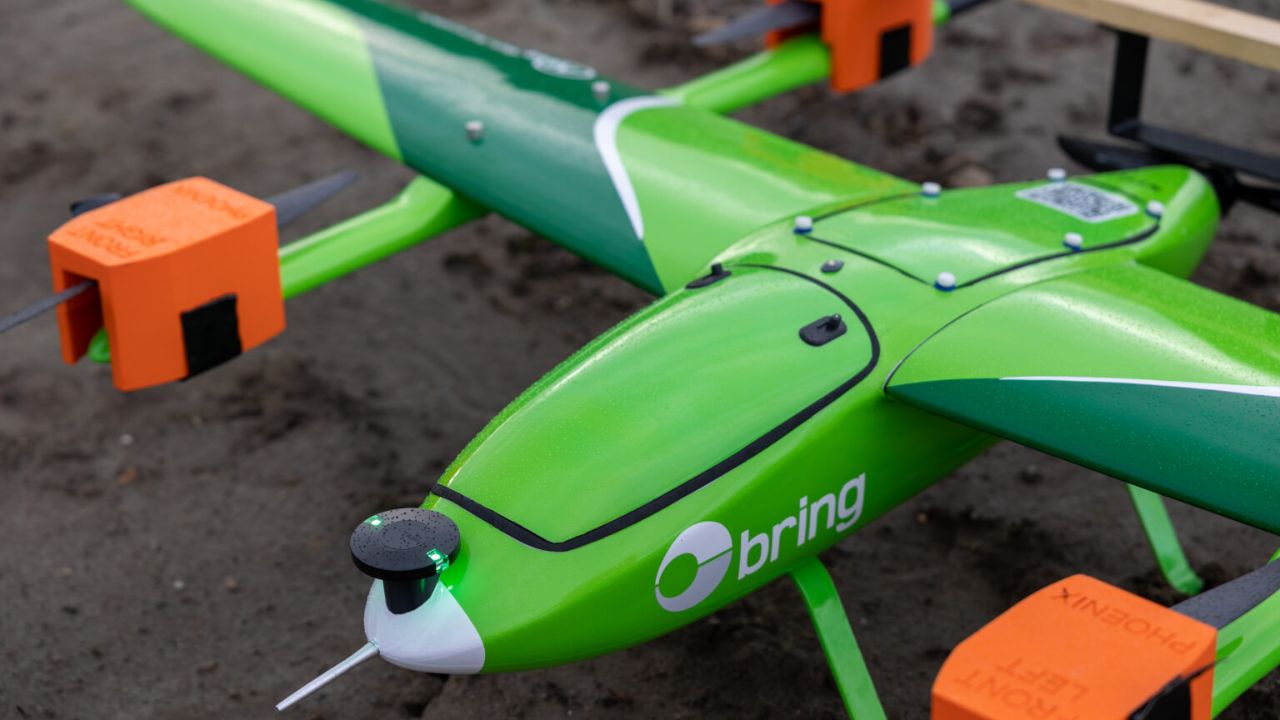
Aviant Drones Begin Delivering to Islands in Scandinavia, Bringing Speed and Innovation to Deliveries.
Residents of the islands in Scandinavia can now receive hot food by drones. The novelty comes from the Norwegian start-up Aviant, which started a pilot project in February 2025 in Värmdö, Sweden, a region of 46,000 inhabitants that can double in population during the summer.
The goal is to bring delivery to communities that previously had no access to services like Foodora and Wolt. The idea promises to transform logistics in isolated areas and could serve as a model for other countries.
How Drone Delivery Works on the Islands
Aviant’s service allows residents of Gustavsberg, the largest city in Värmdö, to receive hot burgers from the Scandinavian chain Bastard Burgers directly at home.
-
Engineers rewrote all the apps from scratch and bet everything on a buttonless screen: now the creator of the iPhone says that Apple needs to make the same revolution again because of AI.

-
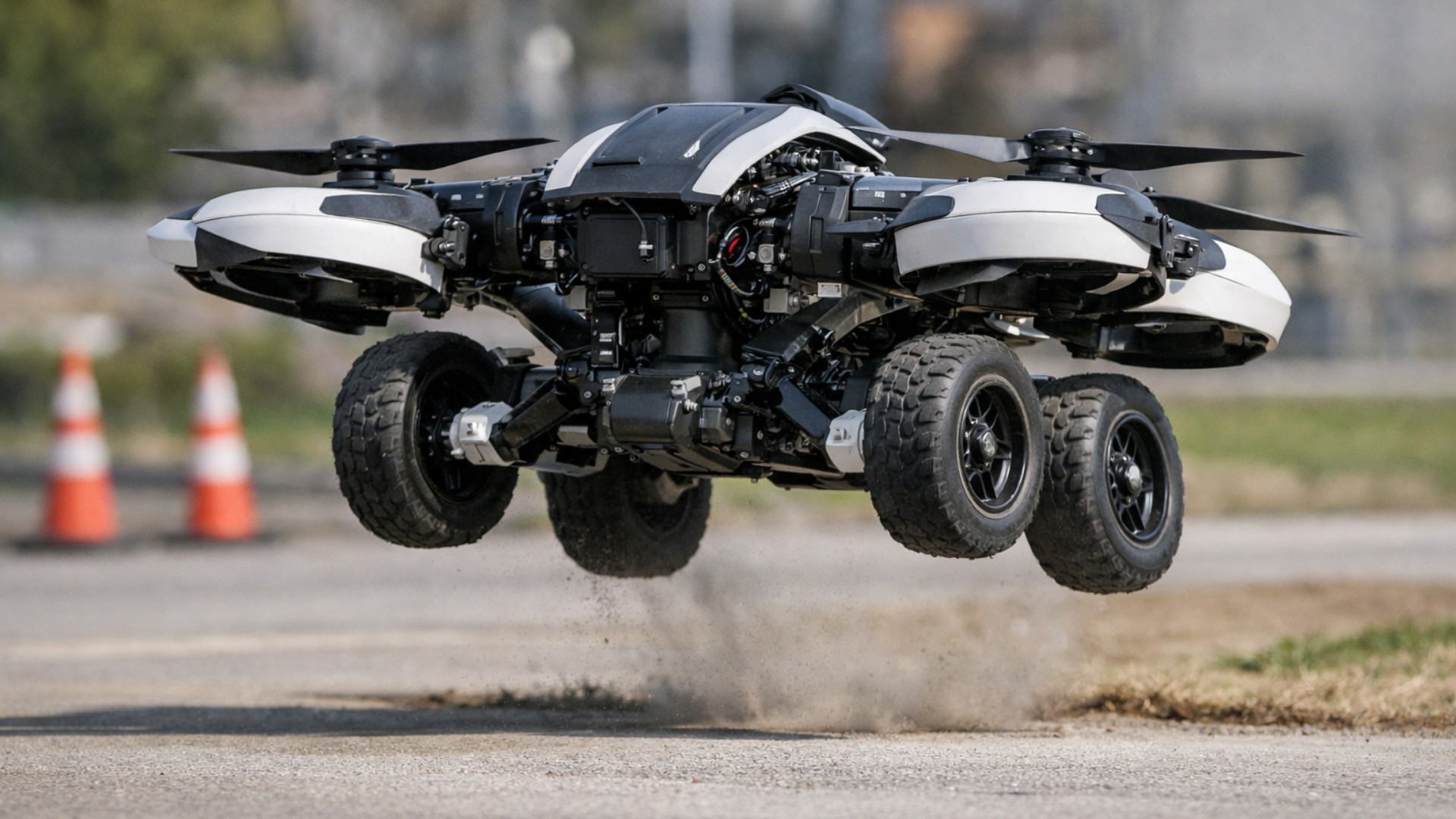
Researchers in the U.S. have created a flying robot that transforms into a land vehicle while still in the air. The technology, based on aerodynamic transition, converts landing into a scene worthy of Transformers and redefines mobility between sky and ground.
-
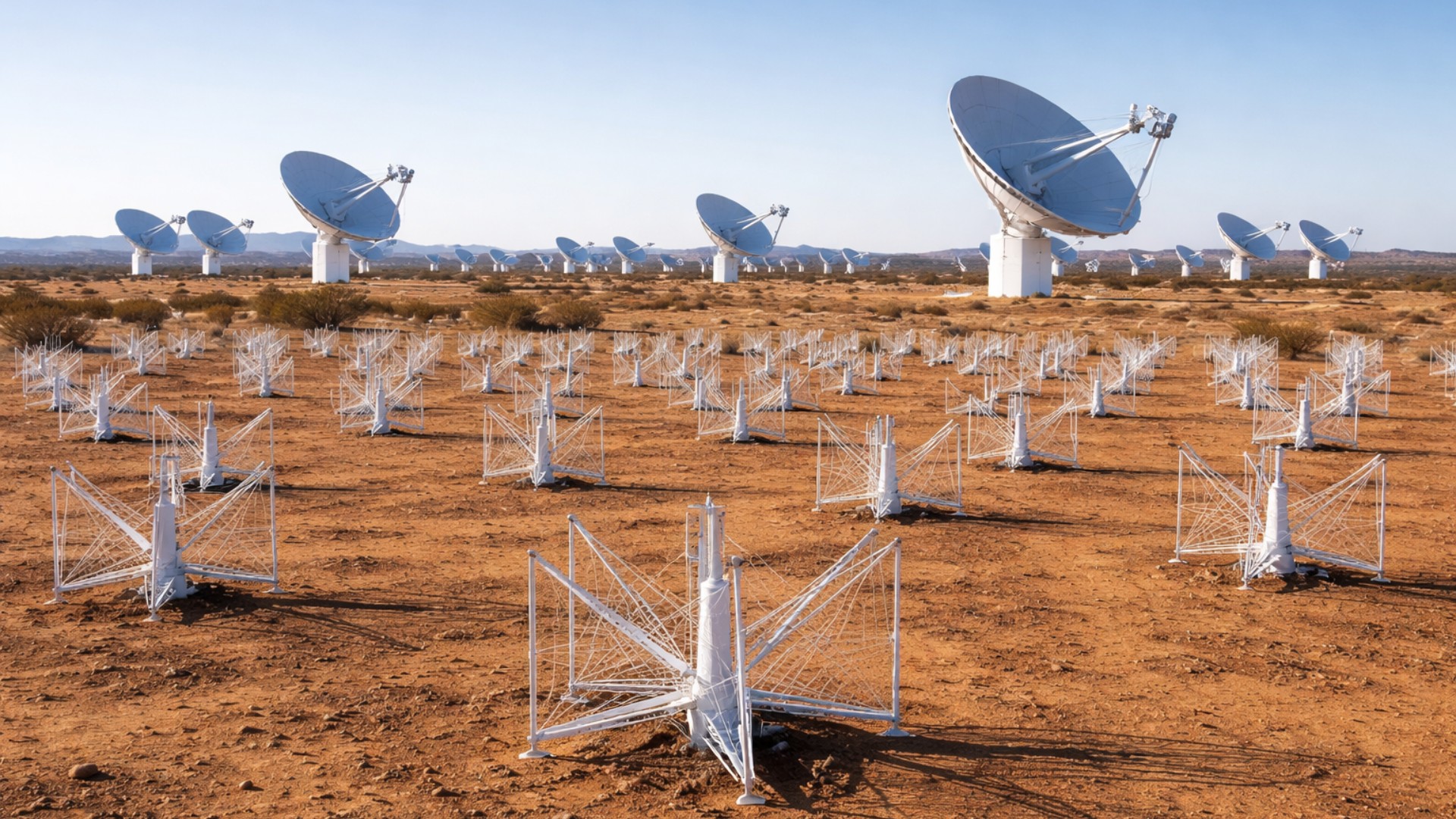
Spread across two continents, with 197 parabolic antennas in South Africa, 131,000 2-meter antennas in Australia, and a range of up to 150 km, the SKA begins to “listen” to the Universe on an unprecedented scale and accelerates the search for black holes, primitive galaxies, and nearly invisible radio signals.
-
Goodbye batteries: a new sensor created by Japanese scientists uses sweat as an energy source and points to a promising path for more sustainable devices, with greater autonomy and less need for frequent recharging.


The drones fly up to 10 kilometers, with a maximum delivery time of 10 minutes.
According to Aviant’s CEO, Lars Erik Fagernæs, the operation is in beta, limiting itself to about 10 orders per week for testing.
The delivery cost is similar to traditional motorcycle or car services, as the drones eliminate expenses with drivers.
Why Technology Is Important for the Islands
Scandinavia has thousands of islands, many connected only by ferries or bridges, which makes accessing basic services difficult.
According to Fagernæs, more than 87,000 people in areas near Stockholm live in regions without delivery.
The impact could be even greater in Nesodden, Norway, just 6.5 km from Oslo in a straight line, but with a road trip of 47 km. There, about 100,000 residents are expected to gain access to aerial delivery in the coming months.
Challenges Faced by Aviant
The technology took years of testing to reach a viable model. According to Fagernæs, initially, “many potatoes ended up soggy.” Today, with insulated containers, the burgers arrive hot even during the harsh winter.
Another obstacle is strong winds, which can knock down drones. Nevertheless, the expectation is that the service will operate 90% of the time.
Planned Expansion Beyond Scandinavia
Aviant has identified more than 40 strategic points for expansion in the next two years. The start-up is also evaluating regions in Canada and the northeastern United States, where there is similar geography, with lakes and islands that complicate conventional deliveries.
Fagernæs believes these areas, located between urban and rural, represent an ideal scenario for drones. “We don’t have huge cities, but these regions are viable. And they represent a good part of the Scandinavian population,” he highlighted.
Other Drone Delivery Initiatives Worldwide
Aviant is not the only company exploring this technology. In 2022, the British company Skyports tested school deliveries in the Orkney Islands, Scotland. Meanwhile, the German company Wingcopter provided everyday items in rural areas, in partnership with local governments.
In China, a city in the Zhejiang province funds hot meals by drones for isolated elderly people in the mountains.
However, experts warn that the sustainability of these projects depends on private partnerships or government support, as the low volume of orders in remote areas makes commercial viability challenging.
The Issue of Air Safety
In the United Kingdom, commercial drone operations face stricter regulatory barriers. It is necessary to negotiate with the Civil Aviation Authority to create exclusive routes and avoid collisions.
According to Alex Brown, director of Skyports, the British government has shown greater openness to relax rules, which could accelerate the adoption of the technology.






Seja o primeiro a reagir!