





 Portuguese
  English
  Spanish
  4 min of reading
  0 comments



Federal Police Investigates Contest Mafia That Used Technology And Answer Sheets To Fraud Exams And Charged Up To R$ 500 Thousand Per Vacancy.
A Federal Police operation revealed a criminal scheme of fraud in public contests, nicknamed the contest mafia, which operated throughout Brazil.
The group, led by members of the same family from Paraíba, used advanced technology, early access to answer sheets, and even electronically implanted devices to ensure fraudulent approvals. The cost per vacancy reached R$ 500 thousand, according to the PF.
The investigation shows how the criminal organization, based in Patos, in the Paraíba hinterlands, operated in a structured, almost industrial manner, with specific functions for each member.
-
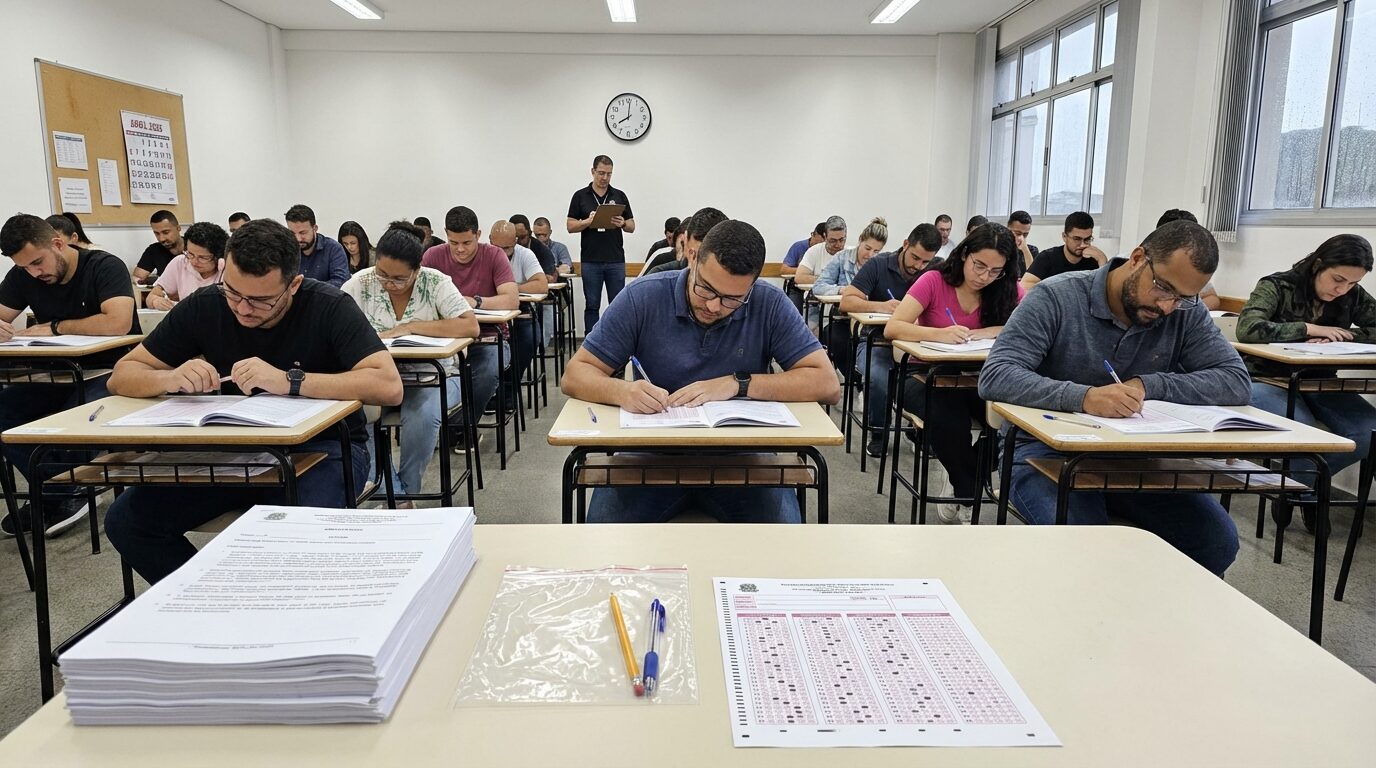
FCC releases the answer key for the Barueri 2026 contest after exams with 23,191 registered candidates, 124 vacancies, and salaries of up to R$ 22,200, with appeals scheduled for April 28 and 29.
-
The Technical Assistance and Rural Extension Company announced a Simplified Selection Process (PSS) with 24 temporary positions – the salary can exceed R$ 5,000.

-
Petrobras Subsidiary Opens 126 Positions With Salaries Exceeding R$ 8,000

-
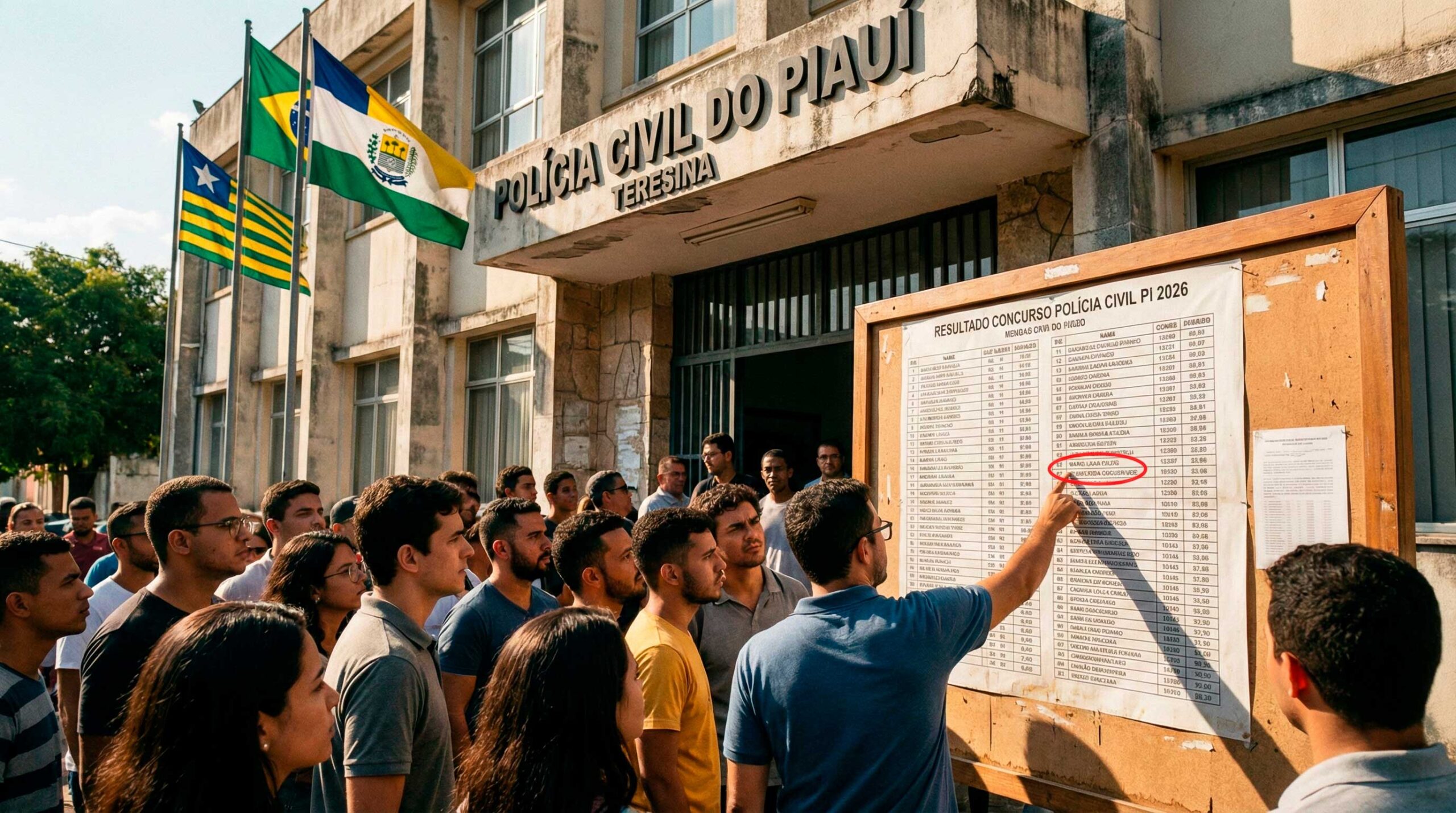
FGV Releases Preliminary Results of the Objective Test for the PC PI Contest, Opens Appeal Period, and Confirms Dates for Next Stages with Approval Criteria and Detailed Salaries
The scheme puts the integrity of public contests into question and highlights the sophistication of the frauds currently under investigation by the PF.
How The Contest Mafia Worked
The group offered approvals in contests as if they were products, using cutting-edge technology and corruption strategies to manipulate results.
According to the PF, the effectiveness of the scheme was demonstrated by the leaders themselves, who enrolled and were approved in the contests as a way to validate the method.
The family nucleus was primarily coordinated by Wanderlan Limeira de Sousa, a former military police officer expelled in 2021.
He coordinated the logistics of the frauds, negotiated with candidates, and distributed the answer sheets.
Who Integrated The Scheme
In addition to Wanderlan, his brothers Valmir Limeira de Sousa and Antônio Limeira das Neves, sister-in-law Geórgia de Oliveira Neves, and niece Larissa de Oliveira Neves were involved.
Each member played strategic roles within the organization, reinforcing the familial nature of the group.
Other investigated individuals included Ariosvaldo Lucena de Sousa Júnior, Thyago José de Andrade (nicknamed “Negão”), Laís Giselly Nunes de Araújo, and Luiz Paulo Silva dos Santos, identified as key players in the scheme and responsible for fraud in dozens of contests.
Sophisticated Methods for Fraud
The mafia used advanced technological methods, including surgically implanted electronic devices in the candidates’ ears for communication during the exams.
Doubles — people who took exams on behalf of candidates — and coded messages with answer sheets were also used.
The result: high scores and identical answer sheets, even in incorrect answers, across different exams. These practices ensured the scheme remained efficient and hard to detect.
Charging and Money Laundering
The amounts charged varied depending on the contest, reaching R$ 500 thousand per vacancy, paid in cash, gold, vehicles, and even dental procedures.
To launder the resources, the organization used cash deposits, simulated buying and selling of properties, vehicles, and “fronts”.
According to the PF, Ariosvaldo Lucena’s dental clinic was used as a front for illicit financial transactions.
Geórgia Neves moved R$ 419.6 thousand without an employment relationship, reinforcing suspicions.
Contests and Beneficiaries
Between 2015 and 2025, the scheme operated in contests for the Federal Police, Caixa Econômica, Banco do Brasil, UFPB, Civil and Military Police, and the Unified National Contest (CNU).
In the 2024 CNU, at least 10 people were directly benefited, including Larissa Neves and Valmir Limeira, receiving approval with identical answer sheets.
Exams Collected by The PF
The Federal Police collected identical answer sheets, audio interceptions, and coded messages, as well as evidence of payments and suspicious financial transactions.
The coincidence of the answer sheets was compared to the probability of winning the Mega-Sena jackpot 19 times in a row, practically ruling out any chance of coincidence.
Justice and PF Measures
Operation Final Phase, initiated on October 2, resulted in preventive arrests and search and seizure warrants in Pernambuco and Paraíba.
Candidates approved through fraud had their inductions blocked, and suspected officials were temporarily removed.
Judge Manuel Maia de Vasconcelos Neto highlighted that specialists from different fields were used to guarantee the candidates’ approval, with an estimated cost of R$ 300 thousand per vacancy.
Defense of The Investigated
The investigated deny involvement. Ariosvaldo Lucena claims that the accusations are based on indications. Antônio, Geórgia, and Larissa Neves say they are cooperating with the investigations.
Thyago José de Andrade promises to prove his innocence, and the defenses of Wanderlan, Valmir, and Wanderson criticize the “public lynching,” asking for respect for the presumption of innocence.










Seja o primeiro a reagir!