





 Portuguese
  English
  Spanish
  4 min of reading
  0 comments


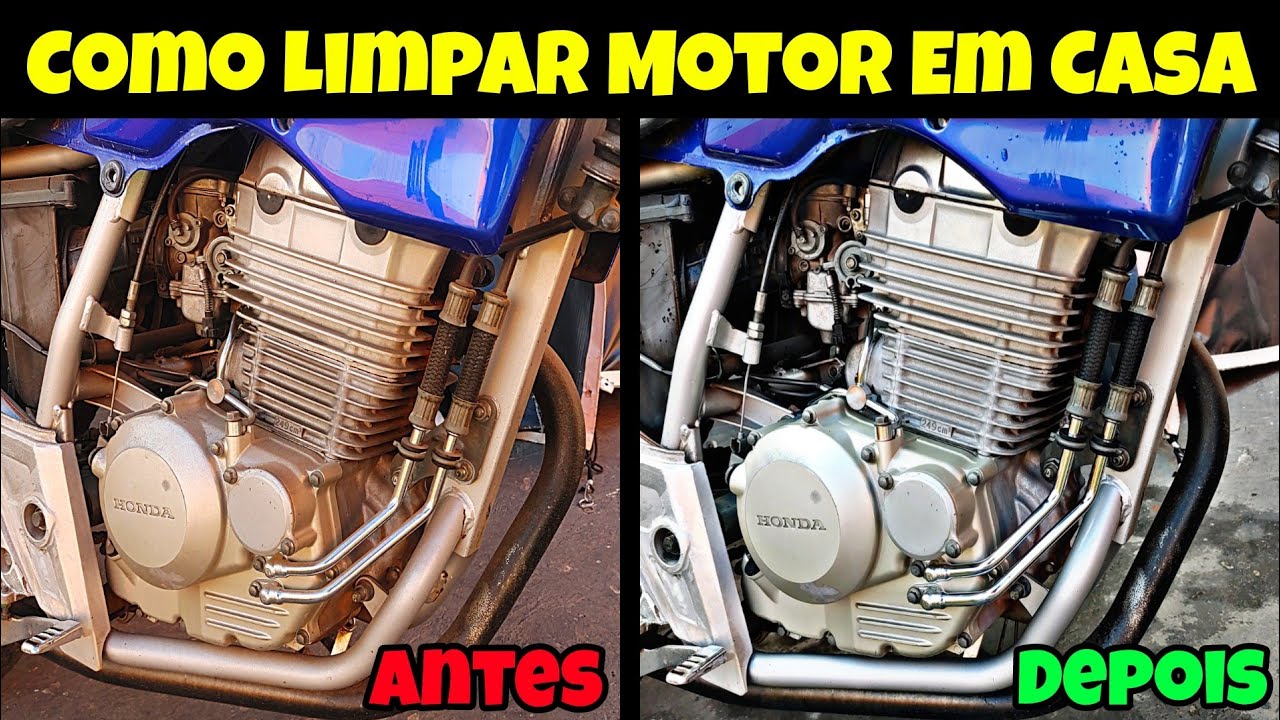
Is Your Motorcycle Engine Looking Dirty and Yellowed? Discover a Practical and Efficient Tip to Make It Look New, Using Simple Materials Without Damaging the Parts. Learn the Step-by-Step and Restore the Shine to Your Motorcycle Engine!
Keeping your motorcycle engine clean is not just an aesthetic issue, but also about caring for the performance and durability of the motorcycle.
Over time, the buildup of dirt, oil, and solid residues can compromise the engine’s functionality and make it more difficult to identify mechanical problems.
Fortunately, with the use of homemade products, it is possible to perform an effective and economical cleaning without compromising the operation of the engine.
-
The car stored for 38 years: when opening the barn door, what appears is breathtaking and looks like a scene from a movie!

-
Fiat works miracles in the Brazilian market, lowers the price of its 0 km hatch to R$ 69,990, reestablishes the model as the cheapest car in the country, and reignites the battle against Kwid and C3.

-
Chevette with cooking gas: How the gas cylinder ends up being used in cars clandestinely and why this makeshift solution can result in leaks, explosions, damaged engines, and seized vehicles.
-
Fiat launches the new 2027 Toro hybrid with 48V, 176 hp, an electric motor of 15.5 hp, a 0.85 kWh battery, up to 7% fuel savings, 8% fewer emissions, and possible exemption from IPVA.


You will learn how to clean your motorcycle engine using simple items found at home. See the step-by-step process, with all the necessary care and the ideal products for each stage.
Why Is It Important to Clean the Engine Regularly?
Before seeing the step-by-step, it is essential to understand the benefits of regular engine cleaning. Over time, dirt particles, oil, and grease accumulate on the engine’s surface and its components, hindering heat dissipation. This can lead to overheating and premature wear of the parts.
A clean engine makes it easier to detect oil leaks, cracks, and other mechanical issues that can worsen if not identified in time. Regular cleaning also contributes to increasing the value of the motorcycle should you decide to sell it in the future.
Items Needed for Cleaning with Homemade Products
The products needed for cleaning the motorcycle engine are simple and accessible. You probably already have many of them at home:
- White Vinegar: Excellent for removing oil and grease stains.
- Neutral Detergent: Ideal for degreasing without damaging the parts.
- Baking Soda: Helps eliminate tougher dirt.
- Warm Water: Eases the removal of residues.
- Old Toothbrush: Allows you to reach hard-to-access areas.
- Soft Sponge: Prevents scratches on surfaces.
- Clean Microfiber Cloth: To dry and finalize the work.

Step-by-Step to Clean the Motorcycle Engine
Preparation Before Cleaning: Before starting, make sure the engine is cool. Cleaning the engine while it’s still warm can cause burns and damage the parts due to thermal shock.
If possible, cover exposed electrical components, such as the battery and connections, using plastic bags or cling film. This will prevent water from entering those points, avoiding short circuits.
Mix the Cleaning Products: Prepare a homemade degreasing solution by mixing two tablespoons of baking soda with half a liter of white vinegar. Add one tablespoon of neutral detergent and complete with warm water. This mixture is effective for dissolving accumulated oil and dirt.
Initial Application of the Solution: Using the sponge, apply the cleaning solution to the dirtiest areas of the engine. Allow the mixture to sit for 10 to 15 minutes, enough time to soften the dirt and facilitate removal.
Scrub Carefully: Use the old toothbrush to scrub the corners and hard-to-access areas. Make gentle movements to avoid damaging more sensitive surfaces. For larger areas, use the soft sponge, always being careful to avoid scratches.
If you encounter heavily encrusted residues, apply a small amount of baking soda directly to the surface and scrub with the brush. The abrasive effect of the baking soda will help remove more resistant dirt.
Rinse with Warm Water: After scrubbing all the parts of the engine, rinse with warm water to remove the residues of the cleaning solution.
Use a clean cloth or a bucket to carefully pour the water, avoiding the use of hoses or high-pressure jets, which can displace delicate parts or push dirt into critical components.
Drying and Finalization: With a microfiber cloth, dry all parts of the engine. Make sure there is no accumulated water in corners or crevices as this can cause oxidation over time.
If necessary, leave the motorcycle in a well-ventilated area to ensure everything is completely dry before starting it again.
Additional Care During Cleaning
- Avoid Aggressive Chemicals: Industrial acids or degreasers may be effective, but they can also damage rubber, plastics, and engine paint. Prioritize homemade solutions, which are gentler and safer.
- Do Not Use High-Pressure Jets: As mentioned earlier, the use of strong jets can push dirt and water into critical areas of the engine, causing damage or malfunction.
- Clean in an Appropriate Location: Conduct the cleaning in a well-ventilated environment, preferably on a surface that doesn’t accumulate water, such as a garage with a drain or a yard.
Regular Maintenance Is Essential
Cleaning the engine does not need to be done weekly, but it is recommended to do it at least every two to three months, depending on the motorcycle’s usage. For motorcycles that operate in dusty or muddy areas, the interval can be shorter.
Additionally, combine cleaning with other basic maintenance tasks, such as oil changes and checking the condition of the chain, to ensure your motorcycle is always in excellent working order.
Cleaning your motorcycle engine with homemade products is an economical, sustainable, and effective practice. With simple items like vinegar, baking soda, and neutral detergent, it is possible to remove accumulated dirt and residues, keeping the engine in great condition.









-

Uma pessoa reagiu a isso.