





 Portuguese
  English
  Spanish
  4 min of reading
  0 comments


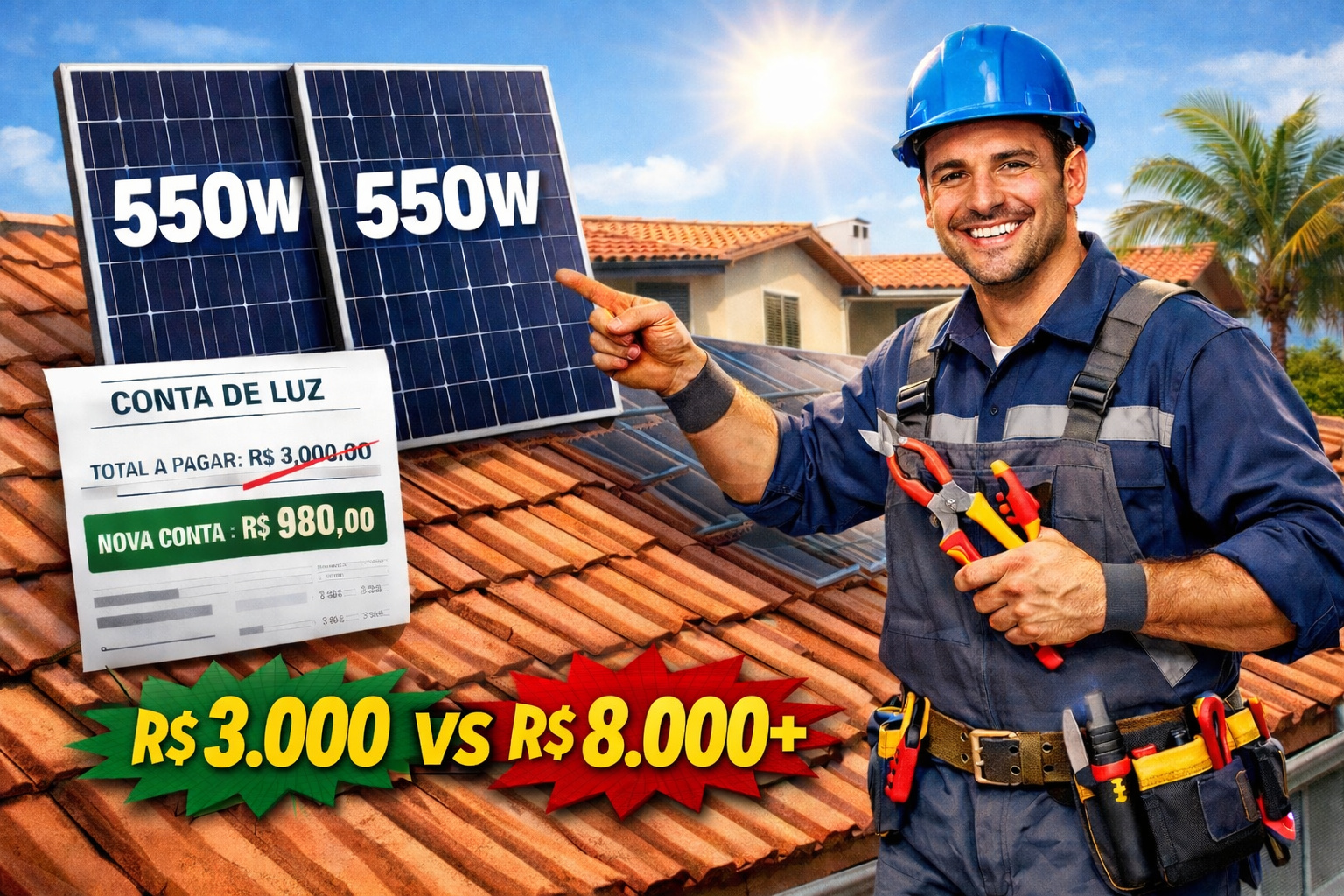
Solar System With 2 Plates of 550 W Can Reduce Up to 30% of Energy Consumption in Houses, Depending on Usage Profile and Installation Model.
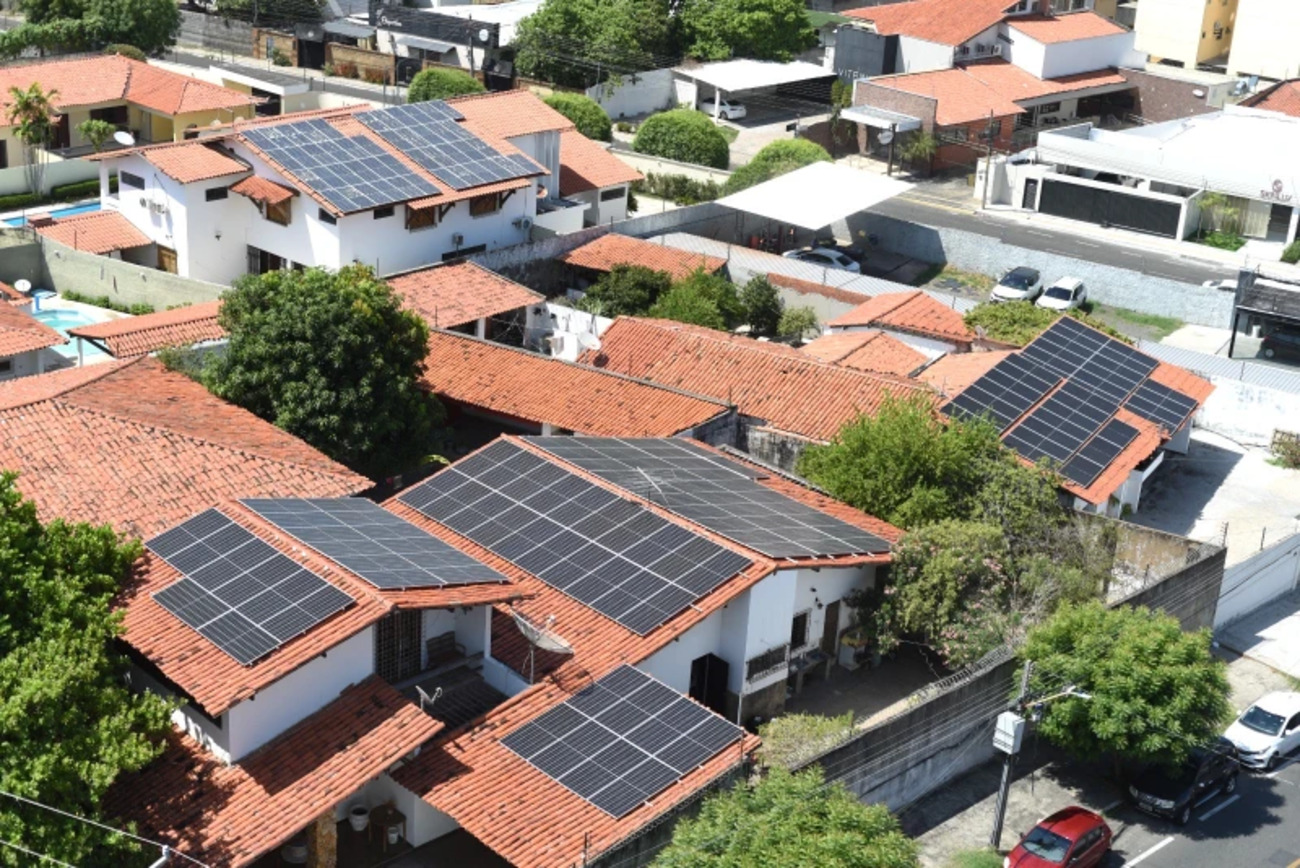
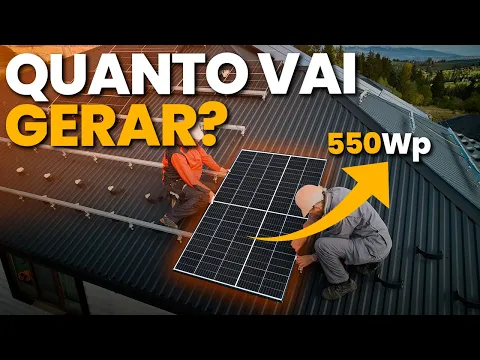
The increase in electricity tariffs has led many consumers to seek alternatives to reduce their monthly bills without investing immediately in large-scale photovoltaic systems. Among the more accessible options is the installation of a simplified solar system with two plates of approximately 550 W each, totaling about 1.1 kWp of installed power.
Although it does not replace a system sized to meet 100% of the house’s needs, this configuration can reduce a significant portion of consumption, especially when applied to specific loads or to homes with a moderate consumption profile.
Installed Power: What Two Plates of 550 W Really Deliver
Two 550 W modules add up to approximately 1.1 kWp (kilowatt-peak). In Brazil, due to the high solar incidence in various regions, 1 kWp can generate, on average annually, something between 120 and 180 kWh per month, varying according to location, orientation, roof slope, and system losses.
-
Seagri’s headquarters invests in solar energy with Neoenergia Coelba and promises to cut electricity costs, highlighting a strategic advance in sustainability and energy efficiency within state public administration.
-
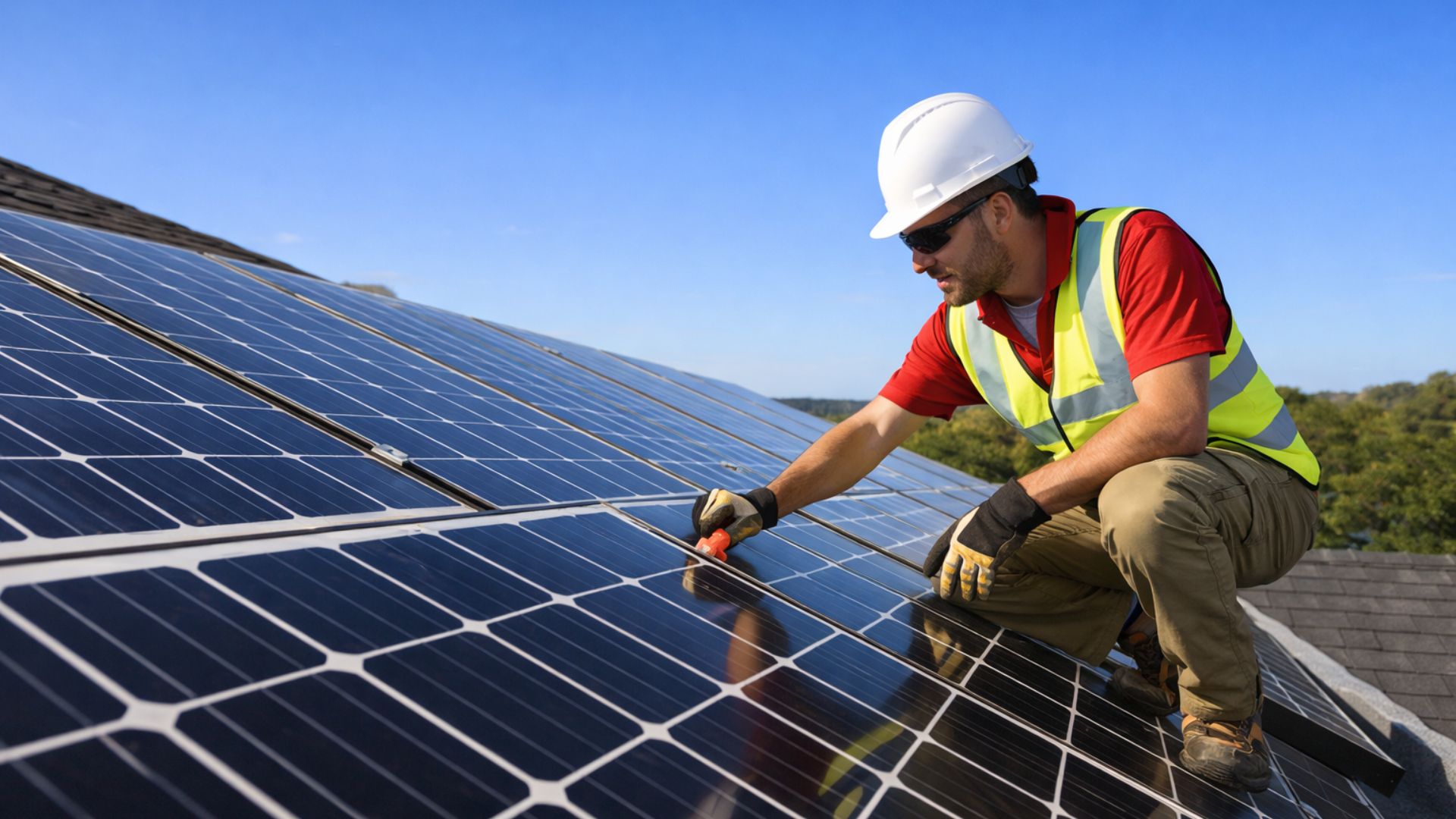
Solar Pyramid draws attention by converting solar energy into million-dollar savings and repositioning the City Hall of Curitiba as an example of innovation, sustainability, and intelligent use of public resources.
-
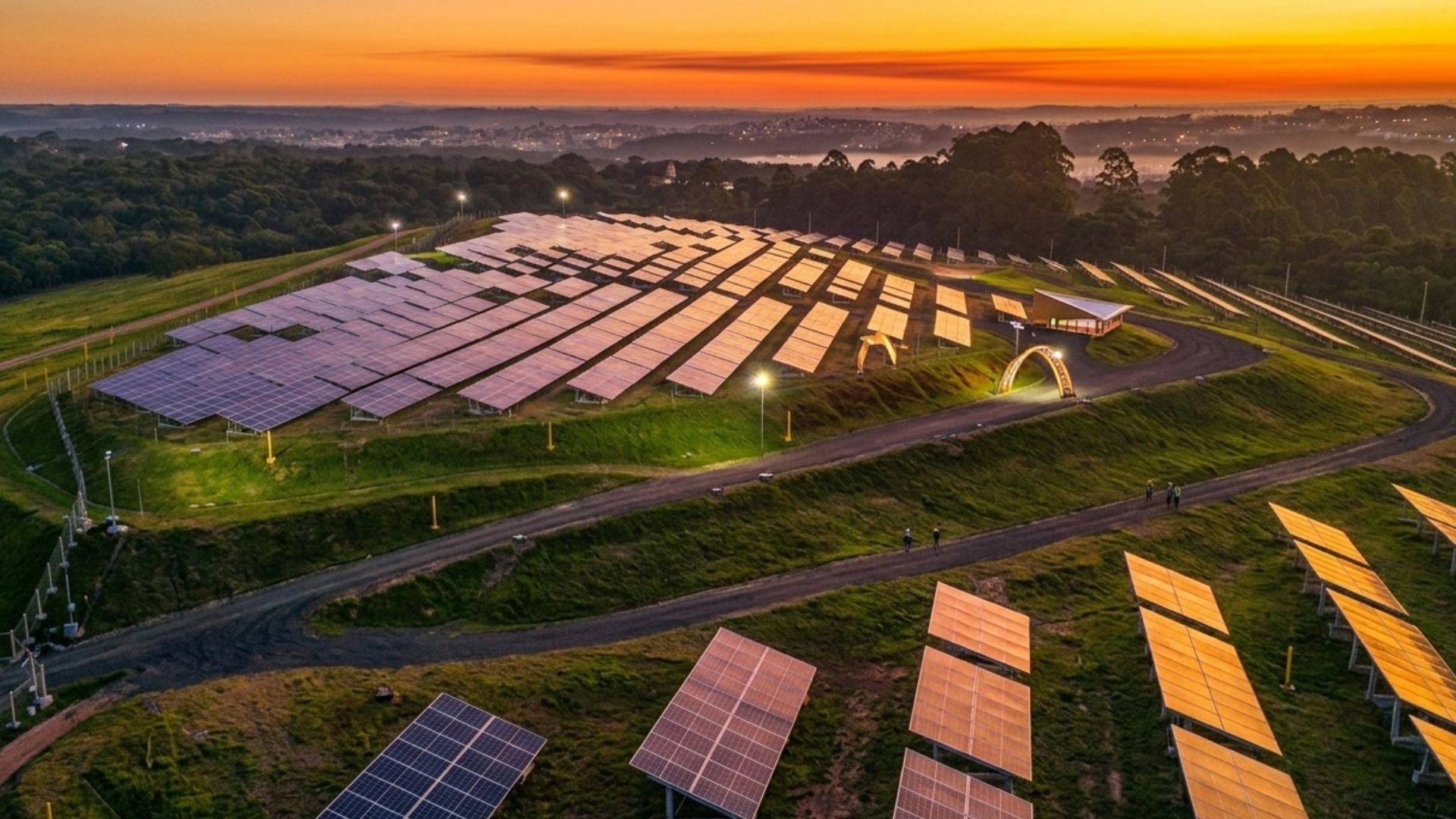
Europe records strong euro economy with solar energy in March and sparks curiosity about which country leads growth that redefines the energy market and reduces costs.
-
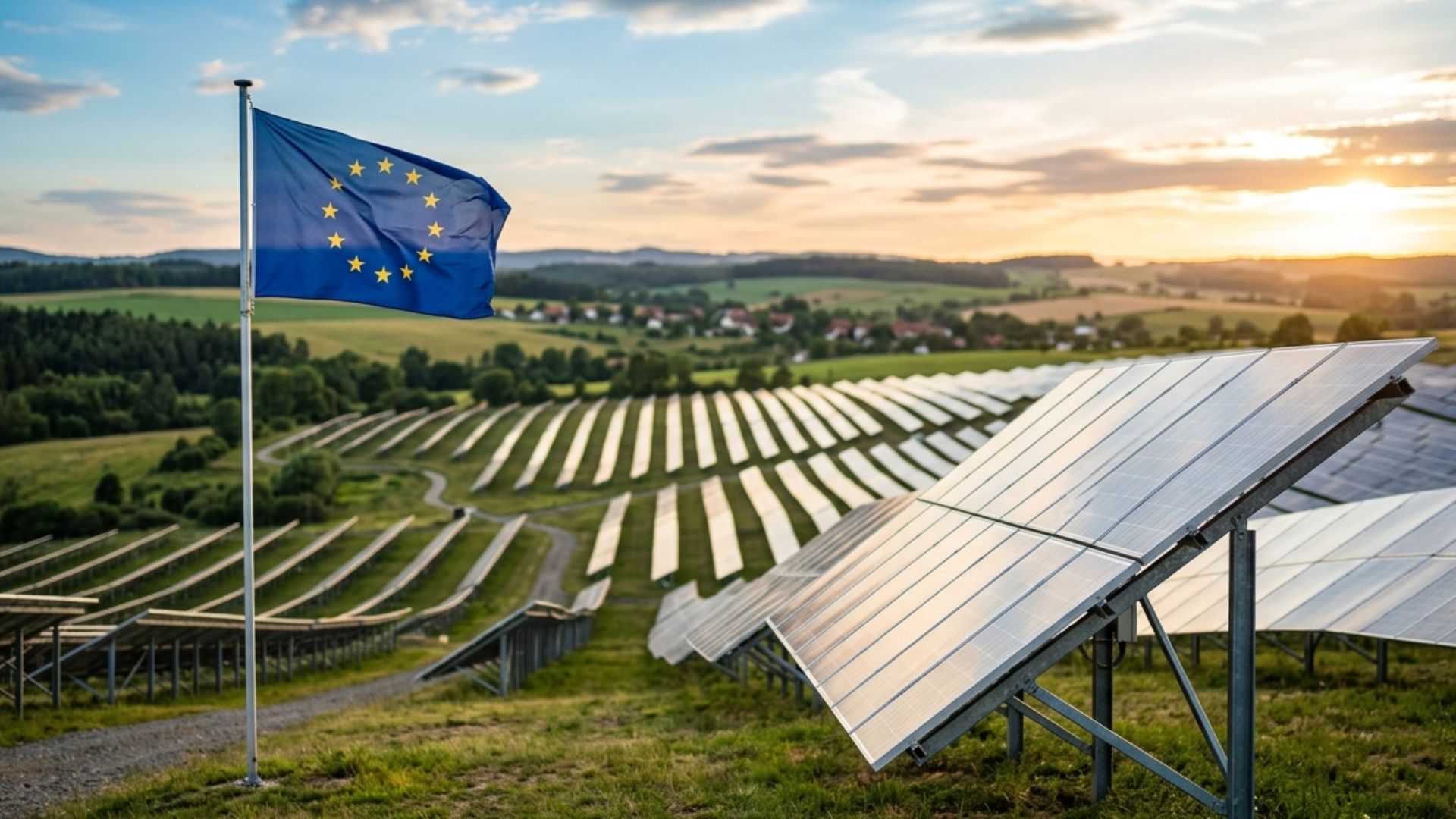
Piauí reaches a historic milestone in energy transition: State records nearly 160,000 households powered by solar energy and leads growth in the Northeast.

This means that a set of 1.1 kWp can produce something close to:
- 130 to 200 kWh monthly under favorable conditions
- Lower value in regions with less sunlight or shading

If a household consumes about 400 to 600 kWh per month, this generation can represent something between 20% and 40% of the total energy used. In cases of lower consumption, the proportion can be even higher.
Reduction of Up to 30%: In Which Scenarios Is It Plausible
The promise of a reduction of up to 30% is technically possible, but it depends on specific factors: First, the monthly consumption of the household. The lower the consumption, the greater the percentage impact of self-generation.
Second, the usage pattern throughout the day. Photovoltaic systems generate energy during the sunlight hours; the higher the daytime consumption, the greater the direct use of the generation.
Third, the type of system adopted — on-grid (connected to the grid) or off-grid (isolated). In households with average consumption and significant use during the day, two modules can indeed achieve the range of 25% to 30% reduction in energy purchased from the utility.
On-Grid or Off-Grid System: Important Differences
On-Grid System (Connected to the Grid)
In this model, the energy generated is used instantly and the excess is injected into the electrical grid, generating credits according to the microgeneration rules established by ANEEL. This model requires:
- Approved grid-tie inverter
- Electrical project
- Request and authorization from the utility
Although more efficient in terms of energy utilization, the total cost can exceed R$ 3,000 depending on the inverter, structure, and installation.
Off-Grid System (Dedicated Circuit)
Another alternative is to use the plates to power specific loads, such as:
- Lighting
- Freezer or refrigerator
- Water pump
- Specific socket circuit
In this case, the system can operate independently, using a charge controller and, if necessary, a battery bank.
The investment may be lower, but the system does not directly offset the entire household bill — it reduces the energy that would be consumed from the grid by powering specific circuits.
Estimated Costs of the Basic System
The values vary by region and supplier, but a simplified system can involve:
- 2 solar modules of 550 W
- Mounting structure
- Cables and connectors
- Basic inverter (grid-tie or simplified hybrid)
Depending on the model adopted and the labor, the initial cost can start from the range of R$ 3,000 but can exceed this value when including approval, professional installation, and higher quality equipment.
Complete systems with power over 1.4 kWp often exceed R$ 8,000 when sold as a complete kit with installation.
Estimated Monthly Savings
Considering an average generation of 160 kWh/month and an energy tariff around R$ 0.80 to R$ 1.00 per kWh (values that vary according to state and tariff flag), the monthly savings can be between:
- R$ 128 and R$ 160 per month
In a scenario of R$ 150 monthly savings, the return on investment can occur in about 20 to 30 months, depending on the initial value of the system.
Important Limitations
Two modules do not suffice for high continuous consumption loads such as:
- Electric shower
- Electric oven
- Large air conditioner
Furthermore, solar generation is intermittent and depends on weather conditions. At night, consumption fully depends on the grid (in the case of on-grid systems) or on batteries (in the case of off-grid systems).
Another relevant point is that grid-connected systems must comply with technical standards and regulations from ANEEL, including bidirectional measurement and proper approval.
When the System Makes More Sense
The model with two plates tends to be more advantageous in: Houses with consumption between 300 and 500 kWh monthly. Rural properties using water pumps during the day. Properties with good solar incidence and without significant shading. Consumers who wish to start with a lower investment and expand the system in the future.
A solar system with two 550 W plates can, in certain scenarios, reduce up to 30% of the monthly electricity consumption. The feasibility depends on the consumption profile, type of installation, and quality of the equipment used.

Although it does not replace a larger complete system, it represents an entry alternative for those looking to reduce their electricity bill with a more accessible initial investment.
The financial return varies according to local tariffs and actual production, but the trend of gradual reduction in the costs of photovoltaic technology enhances the attractiveness of this type of simplified solution.









-

Uma pessoa reagiu a isso.