





 Portuguese
  English
  Spanish
 4 min of reading
  0 comments


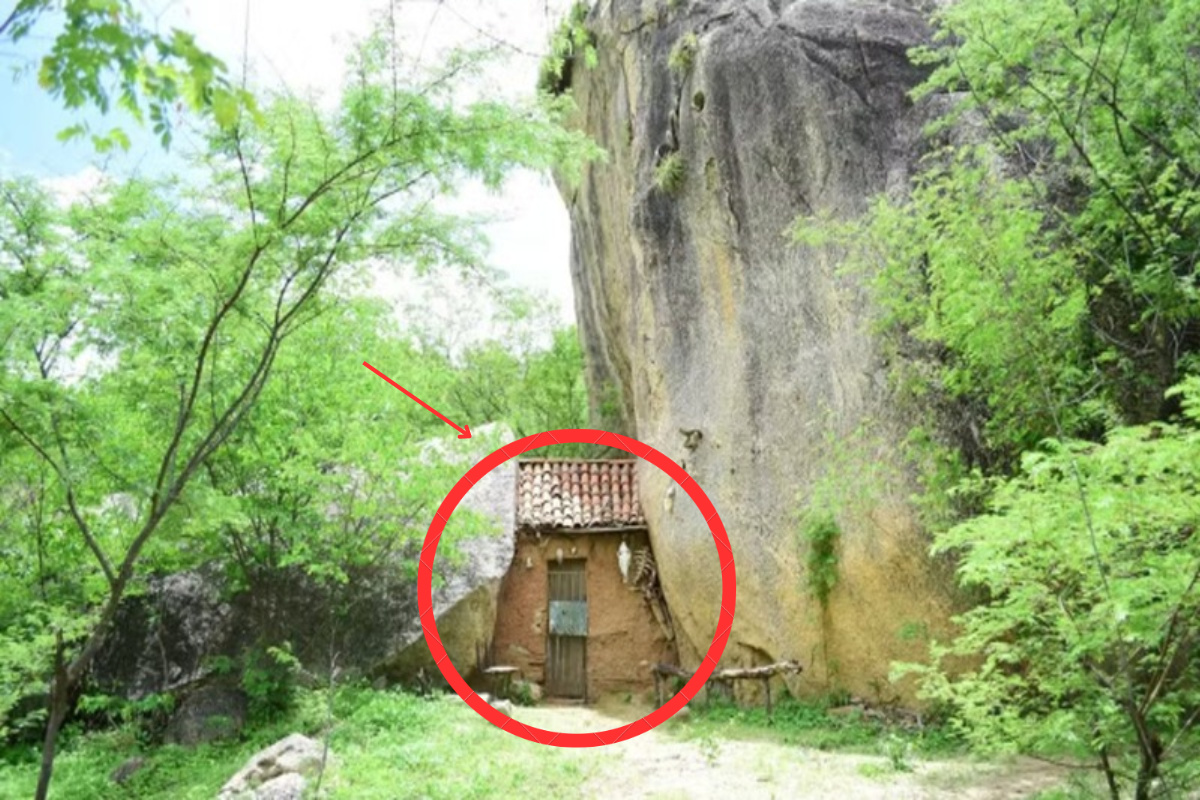
Farmer from the Missi District Built Rustic Structure Four Years Ago to Store Tools, Cook, and Rest During Daily Work in Irauçuba
The daily life in the Ceará hinterland gained a unique construction that, for about four years, reinforces the adaptation of farmer Valdir Magalhães, 58 years old, to the work environment. The little house, built between two giant rocks, has become a functional support point in the Missi district of Irauçuba, and therefore, sparks great curiosity among those passing by the dirt road that crosses the region. This way, residents and visitors observe a simple structure that, at the same time, fully meets the needs of the farmer as he tends to the crops.
How the Little House Was Built and Why It Emerged in the Hinterland
The construction came about because Valdir, before creating the space, kept his tools in his father’s house. Thus, to avoid waking him up early and simultaneously make his routine easier, he decided to take advantage of the family land. In this way, he built the “little room” between the two rocks, using mud composed of wood, clay, and cement. Finally, the space started to serve as a storage area, kitchen, and resting area. Consequently, Valdir uses the place daily to store scythe, hoe, shovel, lever, and axe, all essential tools for agriculture. In addition, he installed a wood stove, allowing him to cook during the day without needing to return to the urban area for lunch. At the same time, the structure accommodates up to three hammocks, enabling moments of rest throughout the working hours.
Why the Construction Has Drew Attention in the Region
The unusual location has made the little house a point of interest for travelers. For this reason, many people stop to take pictures of the structure. Among them is photographer Fernando Braga, a resident of Irauçuba, who, last year, spotted the construction while photographing birds in the area. According to him, the sight of the house wedged between two huge rocks caught his attention so much that he remained for several minutes just observing the formation before getting closer. This way, the combination of the size of the rocks, the narrow shape, and the length of the building reinforces the uniqueness of the place. Furthermore, the area around displays the typical vegetation of the caatinga, which changes color according to the dry or rainy season. Consequently, the scenery transforms the experience of those visiting the Missi district, known for its rock formations.
-
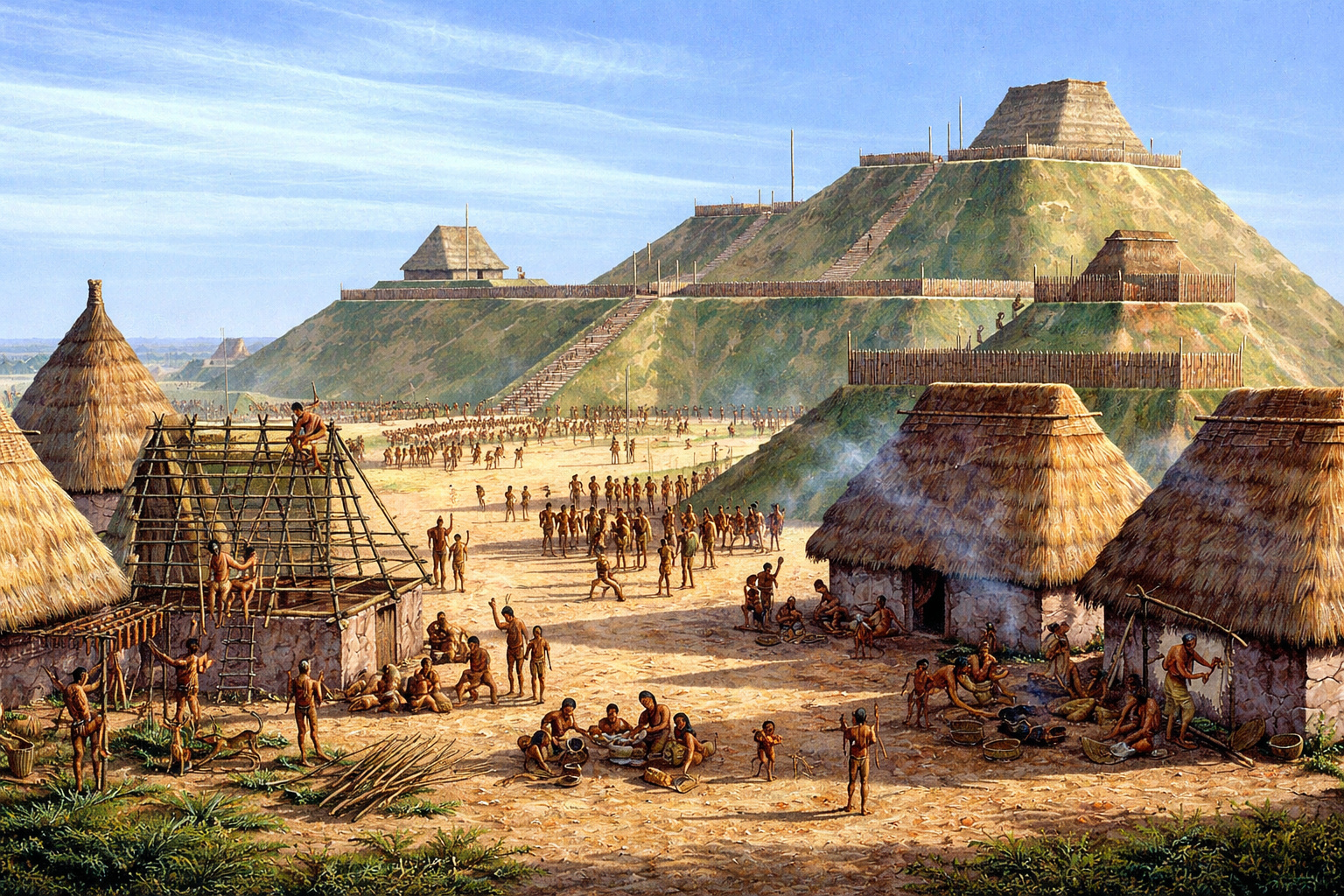
With over 14 million baskets of earth moved, an ancient North American metropolis built a monumental pyramid of 30 meters and established a city with 20,000 inhabitants nearly a thousand years ago.
-
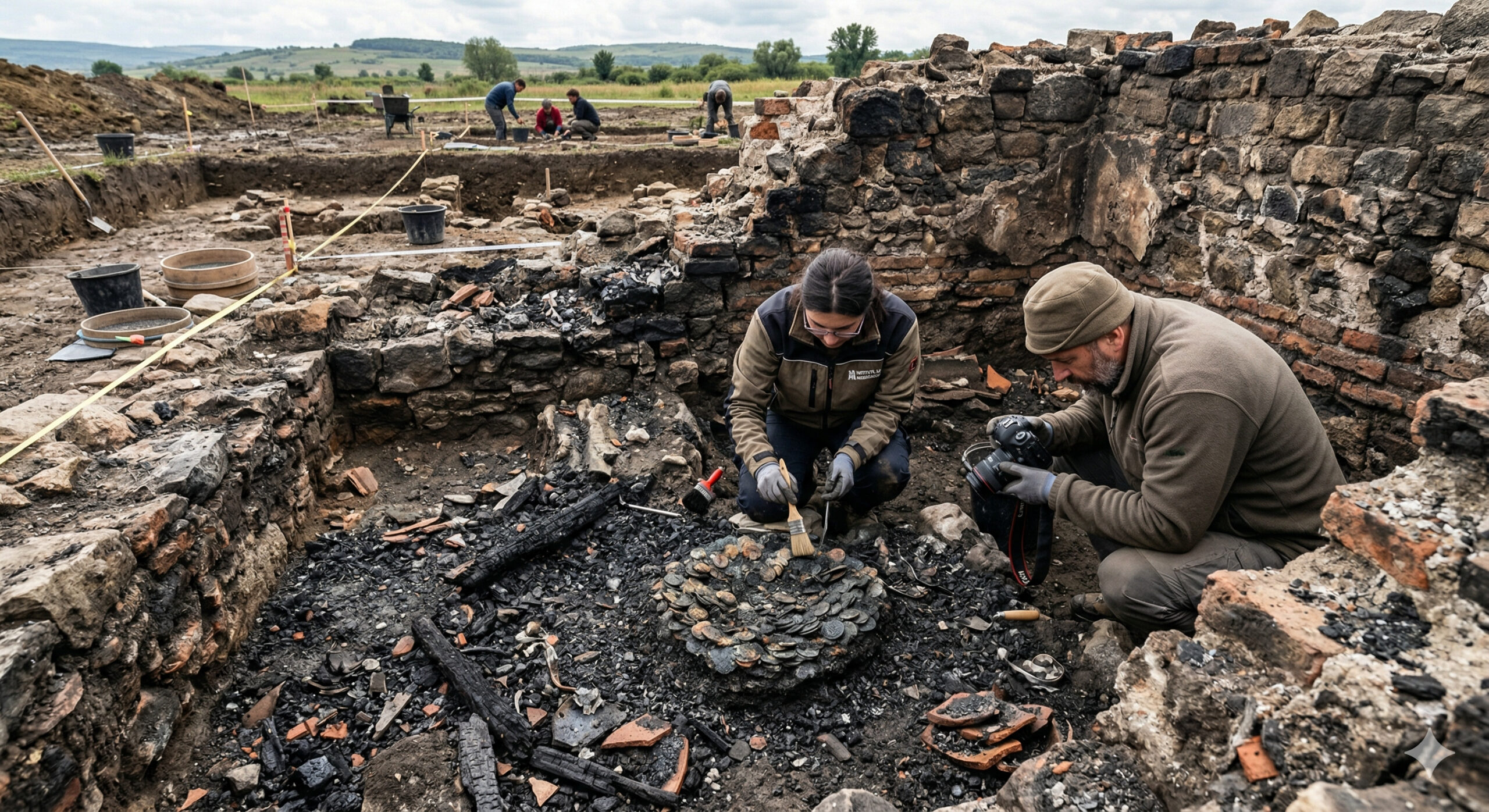
A 1,900-year-old treasure emerges from a Roman house destroyed by fire and sealed since antiquity in Romania, with coins and metals fused among the ashes.
-
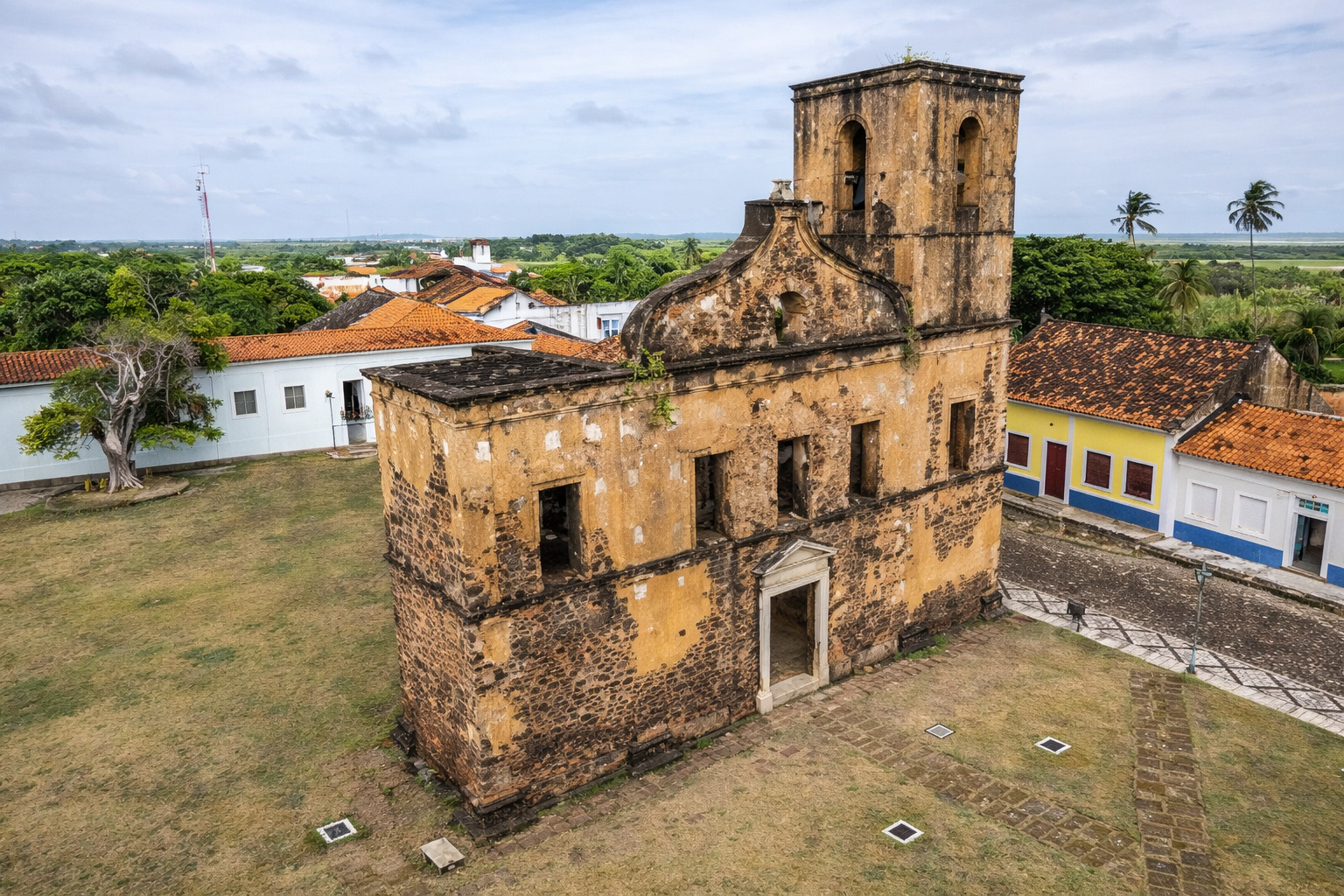
The Brazilian colonial city that stopped in time and shares territory with a rocket launch base.
-
79-year-old woman challenges limits, visits 193 countries in the world after 56 years of planning and reveals the behind-the-scenes of a global journey that few have managed to accomplish.



The Daily Use of the Little House and Its Impact on the Farmer’s Routine
The building also represents savings in travel. This happens because Valdir’s actual house is two kilometers away from the land where he works. Thus, the small construction ensures practicality, reduces back and forth trips, and therefore improves the work routine. Furthermore, the little house has a view of a reservoir, providing a peaceful environment for rest. Because of this, Valdir reports that he has spent the entire day at the site, cooking, resting, and enjoying the calmness of the hinterland. At the same time, he comments that the environment is safe, quiet, and away from the street. Thus, the little house has become a space where Valdir hosts family, sets up hammocks, and uses the day for uninterrupted rest. Ultimately, its functionality explains why the structure remains so present in his daily life.
The Historical Relationship Between Missi, the Rocks, and the Old Cotton Cycle
The Missi district is known for its large rock formations, many of which are nicknamed by locals, such as Pedra do Viola and Pedra do Coração. At the same time, the region has a history linked to cotton production, which marked previous decades in the municipality of Irauçuba. Between the 1980s and 1990s, the cotton weevil plague devastated local crops, ending the cycle of the so-called “white gold”, which was one of the most important products of the regional economy at that time. Currently, government initiatives seek to encourage the return of cotton cultivation through the distribution of seeds and motivation for planting.
Given this, the question remains: how can small structures adapted to the environment transform routine and reveal unique stories from the Brazilian hinterland?







-

-

-

-

-

-

58 pessoas reagiram a isso.