





 Portuguese
  English
  Spanish
  6 min of reading
  0 comments


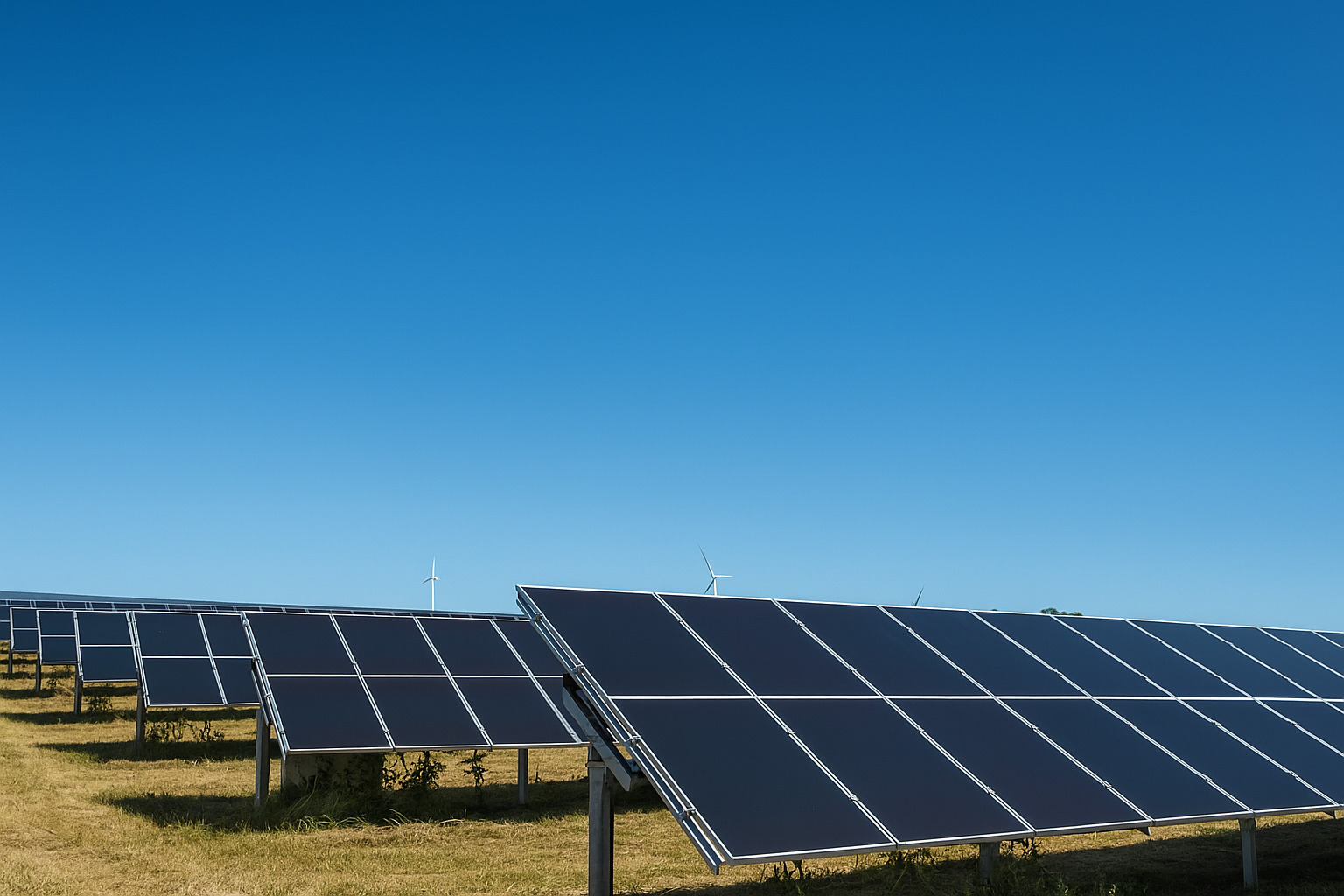
Discover How SNEL11 Demonstrates the Profitability of the Renewable Energy Market Through Consistent Investments in Solar Power Plants.
The renewable energy sector has established itself as one of the most promising areas in Brazil and the world. Moreover, among the various investments in this segment, the real estate investment trust SNEL11 stands out for proving, in a concrete way, the profitability of the renewable energy market.
Over the past few years, this fund has shown that it is possible to unite clean energy generation and financial stability for investors, therefore breaking the idea that sustainability and financial return do not go hand in hand.
Historically, Brazil has always had a great potential for renewable energy generation. In fact, the national energy matrix originated based on the use of water, with the construction of hydropower plants since the 20th century.
-
Researchers discover a possible hydrogen deposit of up to 46 million tons beneath an ancient coal basin, and the volume could exceed half of the entire global production.

-
China bets on the Fishery-PV model and transforms fish farms into giant solar plants, covering ponds with panels that generate energy while utilizing the same space for large-scale aquaculture production.

-
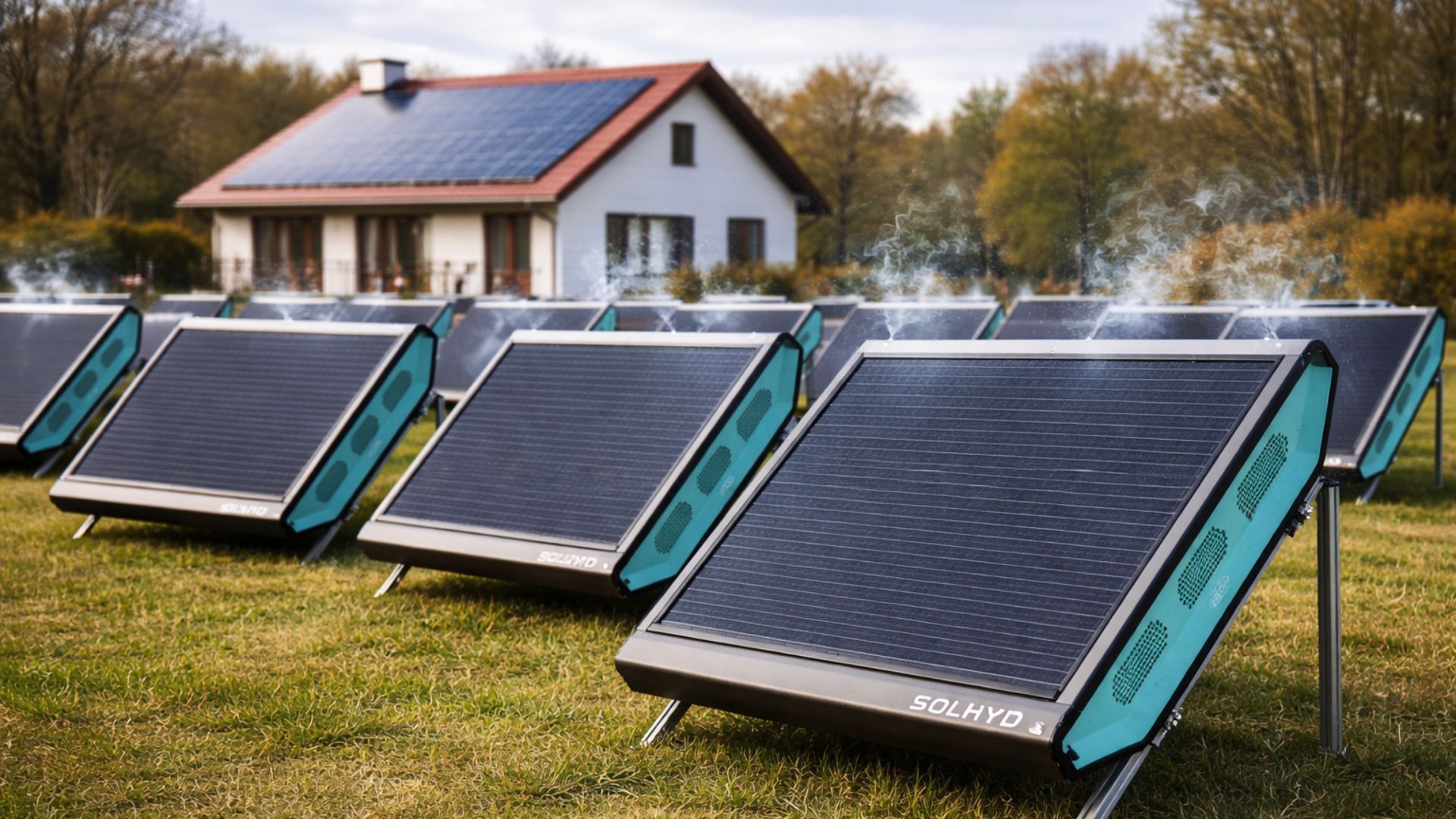
Green hydrogen at home: Belgium launches new technology that makes solar panels produce fuel from the moisture in the air, which could boost the energy transition.
-
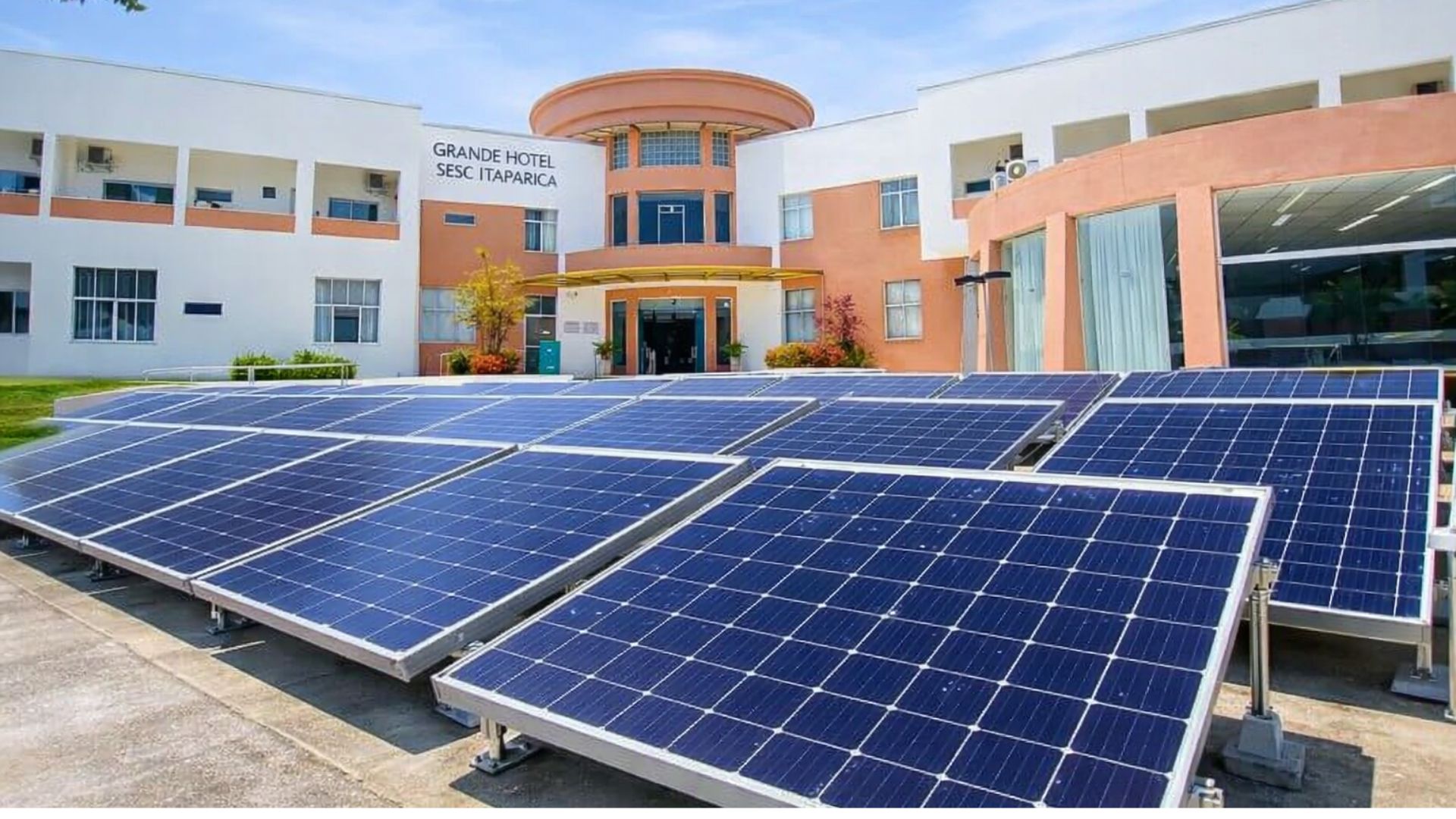
Sesc-BA bets on renewable energy with the support of EDP and drives the energy transition with a direct impact on cost reduction and the sustainability of its operations in Bahia.

Over time, the country diversified its energy sources, incorporating alternatives such as solar and wind energy. These sources have become essential in the face of climate change and the need for diversification of energy supply.
Furthermore, the development of specific public policies accelerated this process. Tax incentives, energy auctions, and financing programs encouraged companies and funds to invest in renewable plants, especially in the distributed generation segment.
Therefore, the emergence of real estate investment funds focused on renewable energy, such as SNEL11, represents a significant evolution in the sector. Thus, they allow investors to participate directly in the growth of distributed generation, contributing to the expansion of clean sources and ensuring consistent financial returns.
SNEL11: Innovation and Financial Return
The SNEL11, managed by Suno Asset, invests in the acquisition and leasing of solar power plants, betting on solar energy as a driver of economic and environmental development.
Unlike merely symbolic investments or projects created just to compose ESG reports, SNEL11 offers recurring dividends and gains market recognition for its consistency and innovation.
Therefore, this approach proves that it is possible to generate clean energy while also achieving solid financial results, reinforcing that the profitability of the renewable energy market is not just a future expectation, but a concrete reality.
The importance of SNEL11 is further highlighted when observing its performance in specialized rankings. For example, the magazine “Institutional Investor” listed the fund among the ten most profitable REITs in the real estate income segment over the last 12 months, with a total return of 20.07%, taking into account both share appreciation and dividends paid.
Additionally, this result stands out particularly when compared to traditional corporate real estate funds, shopping centers, or logistics properties.
No other listed fund operates in the clean energy sector, reinforcing the pioneering nature of SNEL11 and its capacity to innovate in a market that historically favors more traditional investments.
Investment Strategy and Fund Assets
The fund has a heritage of approximately R$ 30 million, distributed across 17 solar power plants, all focused on distributed generation. Some of these plants were built by the fund itself; others were acquired ready and in operation.
This way, this diversified strategy shows that there are different ways to invest in the sector, each offering opportunities for financial return and environmental contribution.
The profitability of the renewable energy market arises not only from direct investment in infrastructure, but also from the management and innovation capacity that the fund applies.
In addition to presenting consistent financial results, SNEL11 is also advancing in its expansion. Currently, the fund is conducting its fourth share issuance offer, seeking to raise approximately R$ 637 million to invest in up to 18 ready plants and four under construction.
Therefore, the resources will finance the acquisition and leasing of these plants to companies operating in the distributed generation market. The first phase of the offer is aimed at investors who already hold shares in the fund.
Meanwhile, the second phase opens opportunities for new investors, including individual and institutional investors. The unit price of the shares is R$ 8.60, with R$ 8.32 pertaining to the share itself and R$ 0.28 to the subscription cost.
Furthermore, SNEL11 geographically diversifies its plants, investing in different regions of Brazil. By choosing areas with higher solar incidence, the fund increases energy efficiency, reduces transmission losses, and strengthens system reliability.
Results and Financial Impact
In June, SNEL11 recorded a record revenue of R$ 1.868 million from the leasing of the plants. This established the fund as a reference in the profitability of the renewable energy market.
This demonstrates that investments in the sector do not solely depend on government incentives. They can generate real and consistent returns even in challenging economic scenarios.
The growth of the renewable energy market in Brazil is not recent. Since the 2000s, the country has increased its capacity for clean energy generation, driven by public policies, tax incentives, and private investments.
Consequently, funds like SNEL11 emerge naturally from this context, offering investors the opportunity to engage in a sector that combines positive environmental impact and financial return.
Moreover, this combination gains even more relevance at a time when consumers and companies are seeking more sustainable solutions. Inclusive, environmental awareness has become a decision factor for corporate investments, expanding the market for renewable energy funds.
Diversification and Sustainable Development
Investing in renewable energy funds allows for diversification of the financial portfolio. Meanwhile, traditional sectors struggle with market fluctuations. The demand for clean energy is expected to grow in the long term, ensuring stability and predictability.
SNEL11 shows that betting on solar energy and distributed generation allows for balancing sustainability, innovation, and financial return. Thus, this balance reinforces the idea that investment in renewable energy is not a passing trend, but a consolidated trend, capable of creating wealth continuously.
In addition to profitability, SNEL11 and similar funds promote the social and economic development of the regions where they operate. The construction and operation of solar plants generate jobs, stimulate the local economy, and accelerate the energy transition to reduce dependence on fossil sources.
Moreover, the renewable energy sector encourages technical training in engineering, maintenance, and energy management, strengthening the local workforce and preparing professionals for new opportunities in the clean energy market.
Therefore, this integration between social impact, environmental, and financial return makes the investment even more attractive, consolidating the sector as one of the best options for conscious investors.
About the Profitability of the Renewable Energy Market
The trajectory of SNEL11 demonstrates how the renewable energy sector combines innovation, growth, and profitability. Thus, the fund proves that, with strategic planning, efficient management, and long-term vision, it is possible to create opportunities that benefit investors and society simultaneously.
As Brazil expands its capacity for clean energy generation, the profitability of the renewable energy market is likely to solidify even further. This paves the way for new funds, new technologies, and greater participation of investors interested in this sector.
In summary, the SNEL11 fund represents an important milestone in the history of renewable energy investment in Brazil. Therefore, it proves that it is possible to generate profits sustainably, that the profitability of the renewable energy market is real, and that the sector has the potential for continuous growth.
Funds like this consolidate solar energy as a viable, safe, and profitable alternative, becoming a reference for investors seeking consistent results without giving up sustainability.










-

Uma pessoa reagiu a isso.