





 Portuguese
  English
  Spanish
  3 min of reading
  0 comments


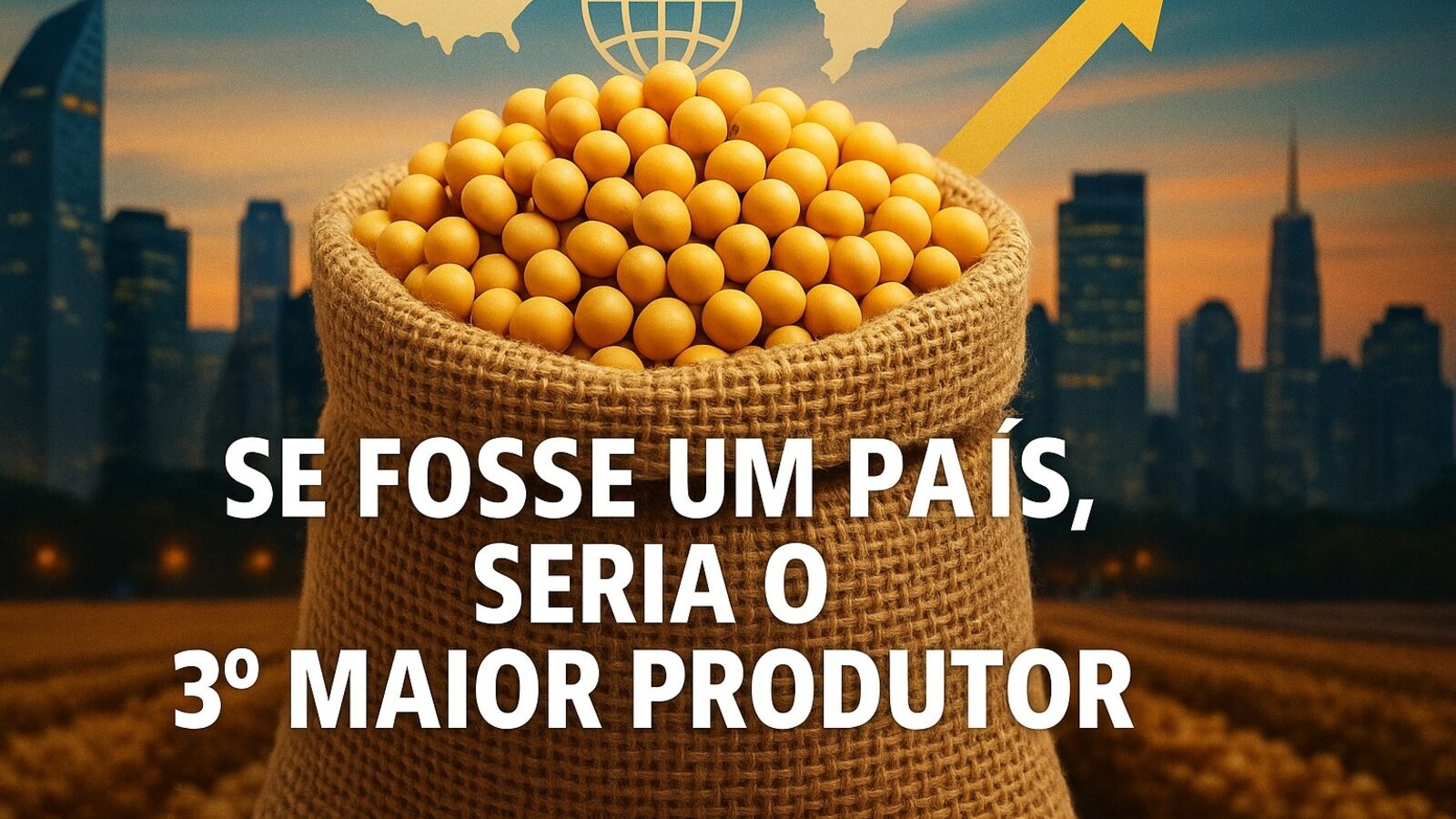
Mato Grosso Surpasses Argentina and Produces 50.6 Million Tons of Soybeans, Consolidating Global Leadership Also in Corn, Cotton, Beef, and Agricultural Sustainability
If Mato Grosso were a country, it would rank third in the global soybean pproduction, behind only Brazil and the United States. In the 2024/25 harvest, the state surpassed Argentina by harvesting 300 thousand tons more of the grain, totaling 50.6 million tons. This performance reaffirms national leadership not only in soybeans but also in corn, cotton, and beef.
Agricultural Strength in State and National GDP
The essence of the Mato Grosso economy is agricultural. According to the Mato Grosso Institute of Agricultural Economy (Imea), 71% of the sector corresponds to agriculture and 29% to cattle ranching.
This combination represents BRL 230 billion in the state’s Gross Domestic Product (GDP), an amount that equals 56.2% of national agricultural production.
-
Money with chickens: how much can 200 laying hens yield per month with eggs at R$ 12 per dozen?
-
As dams and pollution advance, migratory freshwater fish are facing a silent global crisis that has already decimated populations, threatened fisheries, and raised alarms in major basins.

-
Crotalaria, mucuna, and other cover crops stop being “weeds” between harvests and become central to agriculture by improving the soil, adding biomass, and enhancing green fertilization in vegetable production.
-
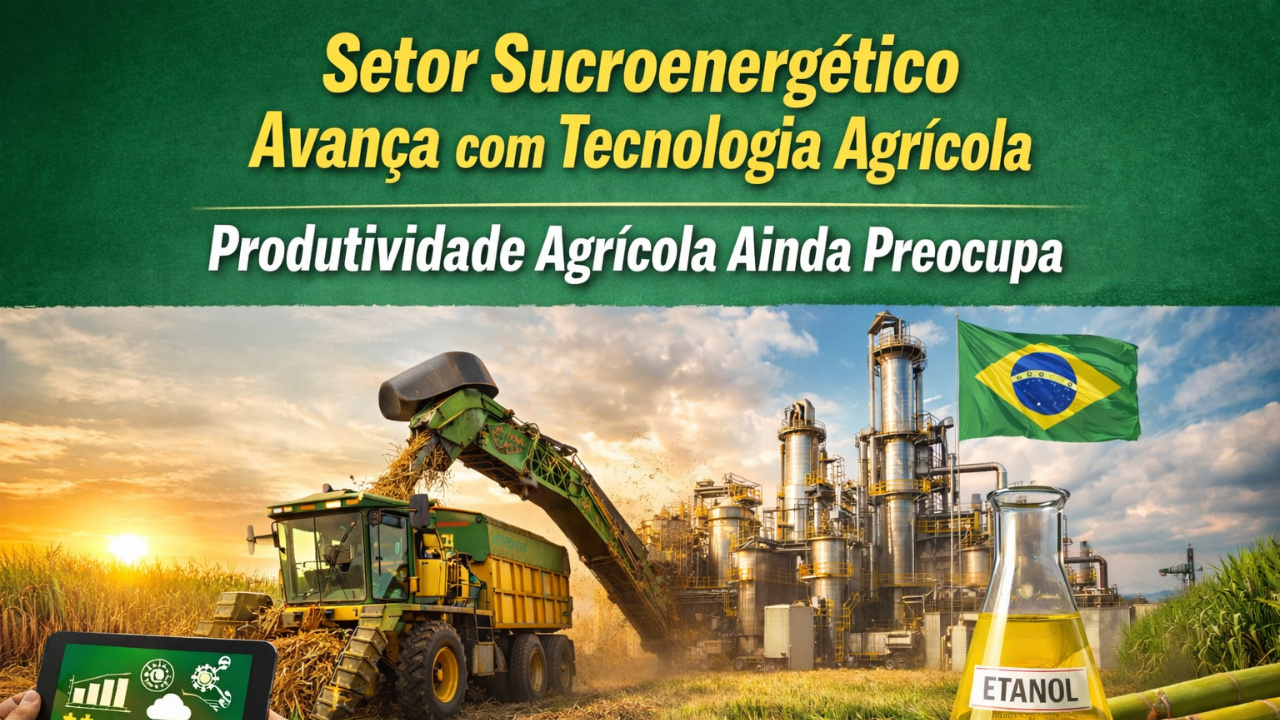
Coruripe Mill secures international financing of R$ 530 million and boosts the sugar-energy sector.

The most important thing is that this performance also impacts Brazil. The Brazilian agribusiness, largely driven by Mato Grosso, accounts for 23.2% of the national GDP, which is currently close to BRL 12 trillion.
Soybeans and Corn Expanding
In the 2024/25 harvest, Brazil produced 169.49 million tons of soybeans. The United States came in second, with 118 million.
All by itself, Mato Grosso achieved 50.6 million tons, almost half of the American volume. This represents 30.03% of Brazilian soybeans and 12.06% of the global total. Over 60% of the state’s production is exported, whether as grain, oil, or meal.
Corn also reinforces the state’s leadership. In this harvest, there were 55 million tons, 40% of the national total.
In ten years, production has more than doubled. Half of this volume is exported, while domestic consumption accounts for 31.6%.
Market Driven by Biorefineries
The general manager of Embrapa Soybean, Alexandre Nepomuceno, explains that the growth of corn is due to the advance of biorefineries. “Corn in Mato Grosso has been boosted by biorefineries, which absorb regional production. Increased consumption in the state has also benefited producers from the south, who no longer face competition from grains from the Midwest.”
Along the same lines, researcher Daniela Dalla Costa, from the Mato Grosso Foundation, states that high productivity encourages industrialization. “When there is high grain and input productivity, logistics also becomes more streamlined, attracting industry. In the mid-north, the presence of ethanol and corn derivative plants is growing.”
Investments in Infrastructure
Producers are investing in infrastructure to process part of the harvest within the state. In just over a decade, it is expected that Mato Grosso will reach the level of São Paulo in agri-industry. “The corn ethanol industry generates DDG (byproduct for animal feed) and we have already begun to fatten cattle. Companies are emerging around the fattening for inputs and services.” explains Gilson Antunes de Melo, Western Vice President of Aprosoja-MT.
Currently, Mato Grosso has 321 agro-industries, including 137 cotton gins, 57 dairies, 51 beef and pork slaughterhouses, and 24 biodiesel and ethanol plants.
Cotton and Livestock in the Spotlight
Cotton has also consolidated its position. The state accounts for 72.5% of national cotton and 11% of global production. In ten years, production has tripled, reaching 2.9 million tons.
Additionally, Mato Grosso has the largest cattle herd in the country, with 32.8 million heads, equivalent to 14.3% of the national total. Of these animals, 7.4 million are slaughtered each year.
Sustainable Techniques
The adoption of Integrated Crop-Livestock (ICL) shows how sustainable practices enhance productivity.
This technique allows for the recovery of 5.1 million degraded hectares and enables up to three harvests in the same space: two of grains or fibers and one of meat.
Therefore, the combination of productivity, technology, and infrastructure strengthens Mato Grosso’s position as a protagonist in global agribusiness.
With information from Estadão.





-

Uma pessoa reagiu a isso.