





 English
  Francês
  Alemão
  Italiano
  Japonês
  Norueguês
  Portuguese
  Spanish
  2 min of reading


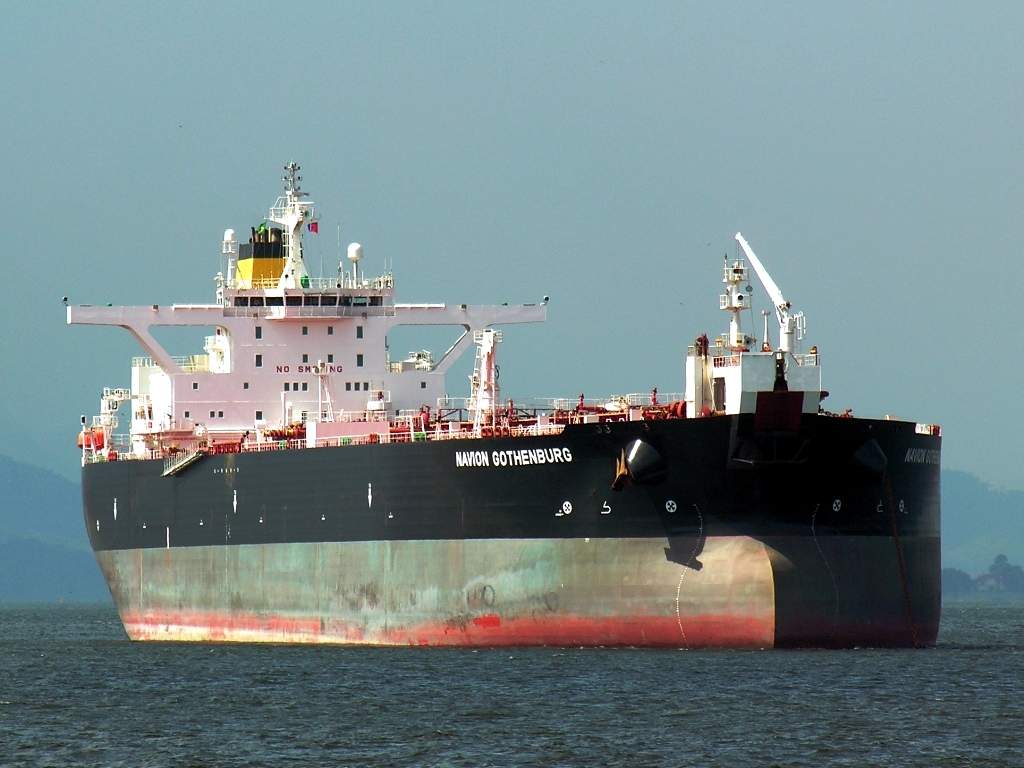
Marine Fuel Called Bunker Sees 50% Increase Due to Regulatory Change, Impacting Companies in the Area
Before the regulatory change for bunker (marine fuel) this year, cabotage companies and those engaged in long-distance transport already felt the weight of the associated costs, which rose by 50% in the country. See also: After Iran Attack, Petrobras Prohibits Ship Traffic Through the Strait of Hormuz
- The Offshore Drilling Market Improves and Transocean Earns US $ 352.9 Million in New Orders
- Enauta Seeks Intern and Oil and Gas Reservoir Engineer to Work in Rio de Janeiro
- Baru Offshore Hires Professionals to Take Positions in Rio de Janeiro
In October of this year, Petrobras began selling the bunker fuel already adjusted to the new rule – IMO 2020 – in which the sulfur dioxide content, representing greenhouse gas emissions, of 3.5%, by rule, should be reduced to 0.5% by January 1, 2020, according to Annex VI of the International Convention for the Prevention of Pollution from Ships MARPOL of the International Maritime Organization (IMO).
-
Petrobras finds high-quality oil in the pre-salt at 113 km from RJ and reignites expectations about strategic reserves in the Campos Basin.

-
Chinese giant worth nearly R$ 4 billion that manufactures cables for electric cars, solar energy, and robotics wants to open a factory in SC.

-
Many employers do not know, but the law guarantees domestic workers a 25% increase in salary during trips, 50% for overtime, 20% for night shifts, and 17 additional benefits that can lead to labor lawsuits if not paid.

-
Gasoline prices soar and the question arises: is ethanol more advantageous? The 70% rule reveals the limit with gasoline.
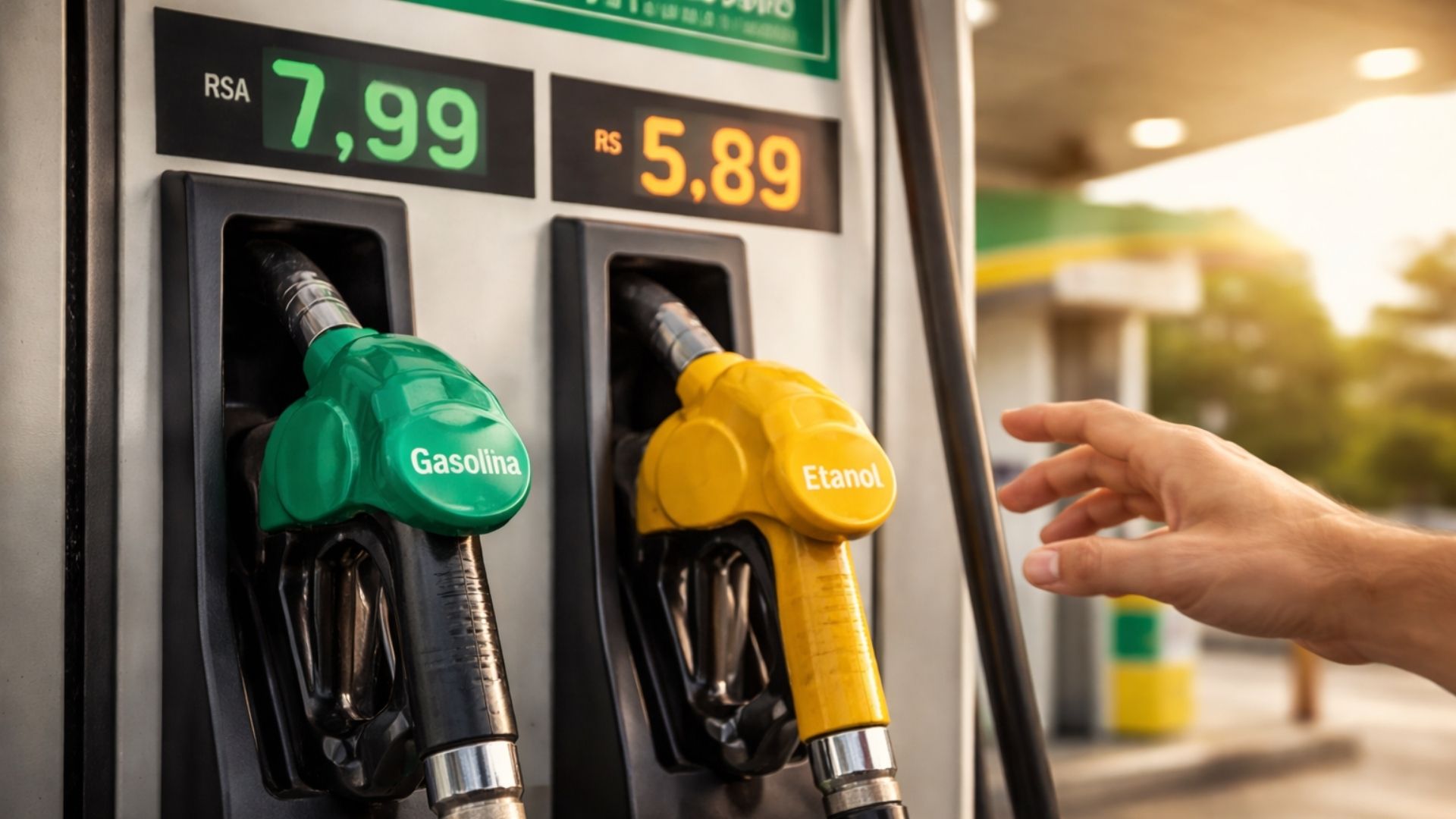
When Petrobras began selling the compliant oil, prices were close to US$ 400/t. Today, the price has surpassed US$ 650/t in Santos. However, the average global price of bunker IFO 380 (sulfur content of 3.5%) is around US$ 370/ton – a version no longer produced by the state-owned company.
The regulatory change was defined in 2016 by the IMO. Vessels equipped with scrubbers (a type of filter) will still be able to continue using the old fuel; however, they will have until March 1 to burn it and start using the new version.
The maritime transport and cabotage sector stated that Petrobras saw the rise in the price of bunker 0.5% as an opportunity to increase its margins, since oil extracted from the sea has a low sulfur content, making such compliance operations not very costly. Despite the dissatisfaction and criticism directed at the company, data from Ship & Bunker reveals that the fuel here is cheaper compared to the average of other ports worldwide.
Nevertheless, businesspeople and entities believe that the market will normalize in six months, forcing the state-owned company to reduce local prices. However, the bunker should still remain about 10% above the levels prior to the regulation.








Seja o primeiro a reagir!