





 Portuguese
  English
  Spanish
  3 min of reading
  0 comments


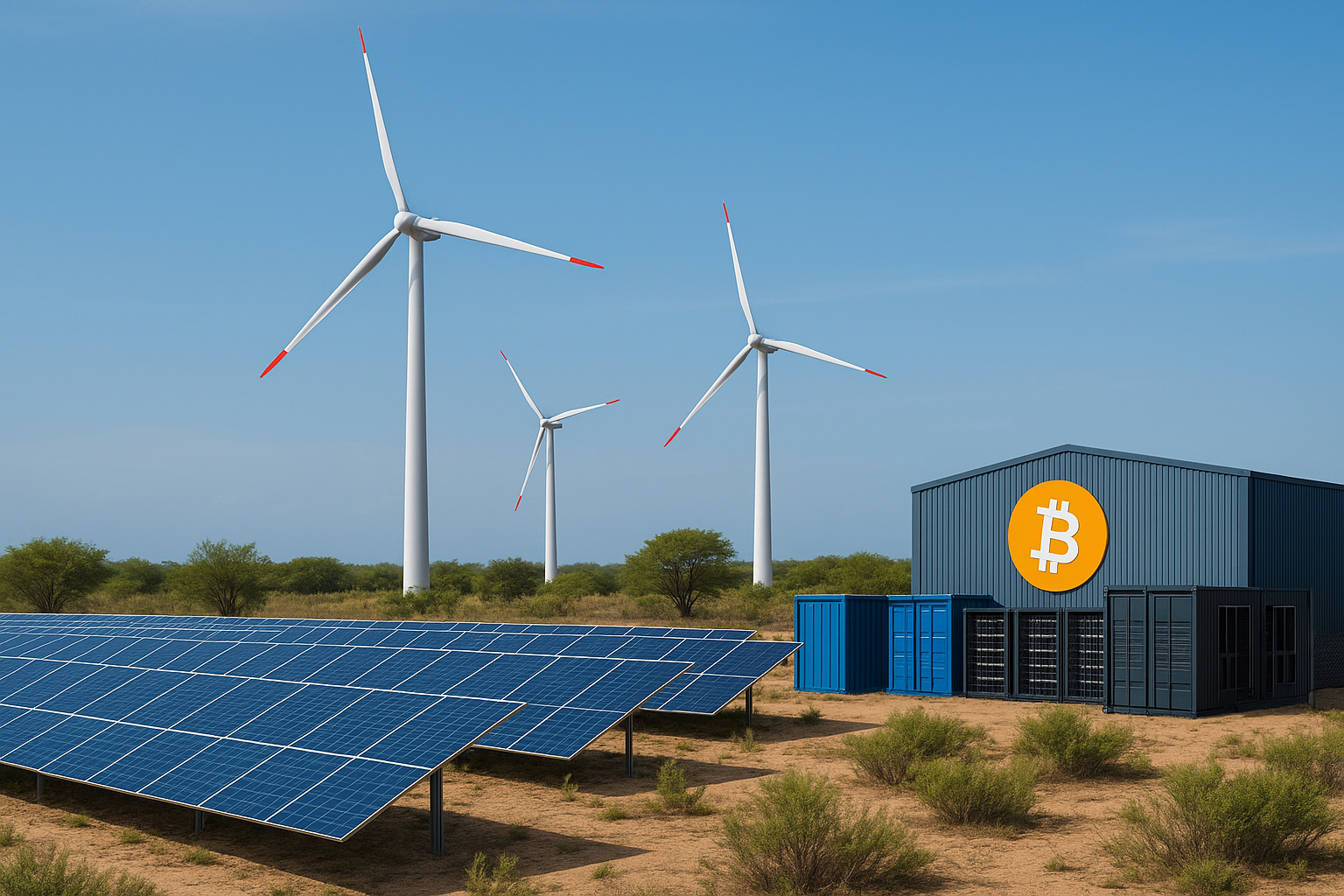
Cryptocurrency Companies Advance in Clean Energy Projects and Drive the Brazilian Electric Sector
The Brazil, characterized by a recent history of investments in wind and solar energy, has become a promising destination for cryptocurrency miners seeking renewable supply contracts.
In July, Tether, the world’s largest digital asset company, announced plans to use its acquisition of Adecoagro to develop a bitcoin mining project powered by clean energy.
The information was reported by Reuters, which also highlighted at least six ongoing negotiations for small to medium-sized enterprises.
-
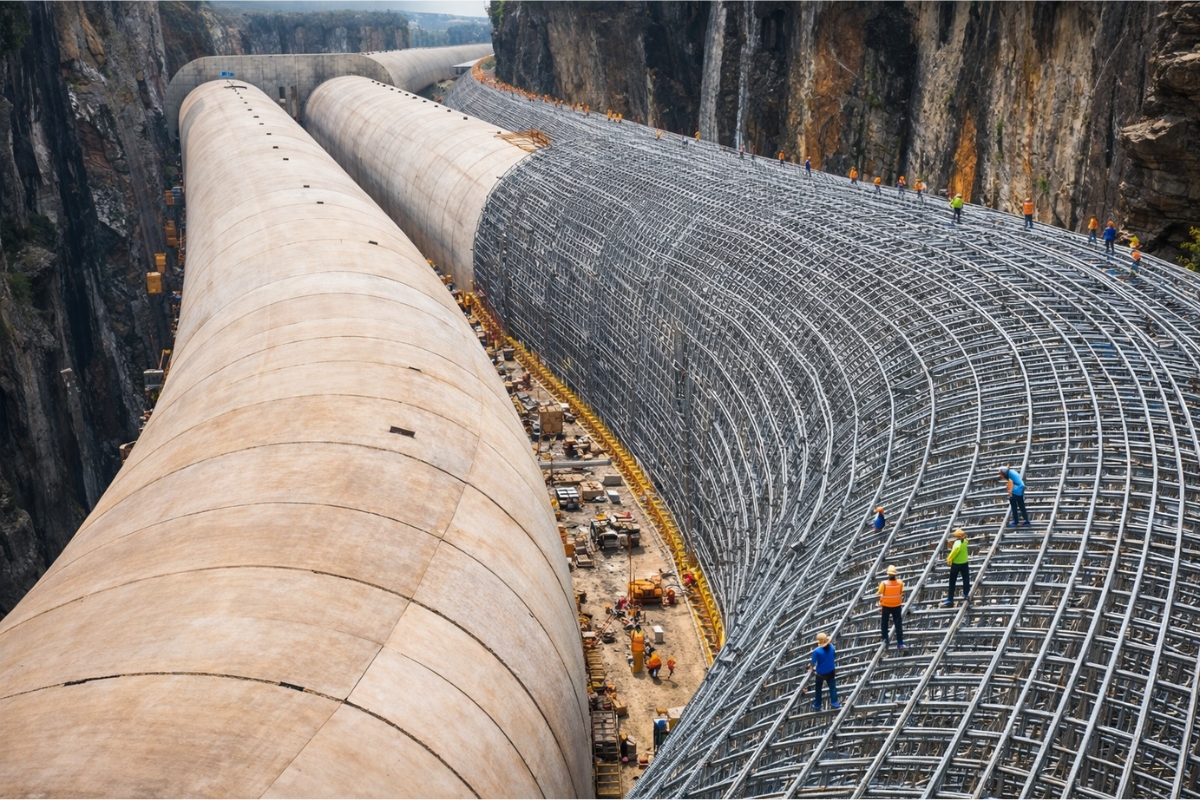
Switzerland invested over $2.3 billion and bet on water, altitude, and solid rock to create a battery in the Alps capable of powering more than 1 million homes.
-
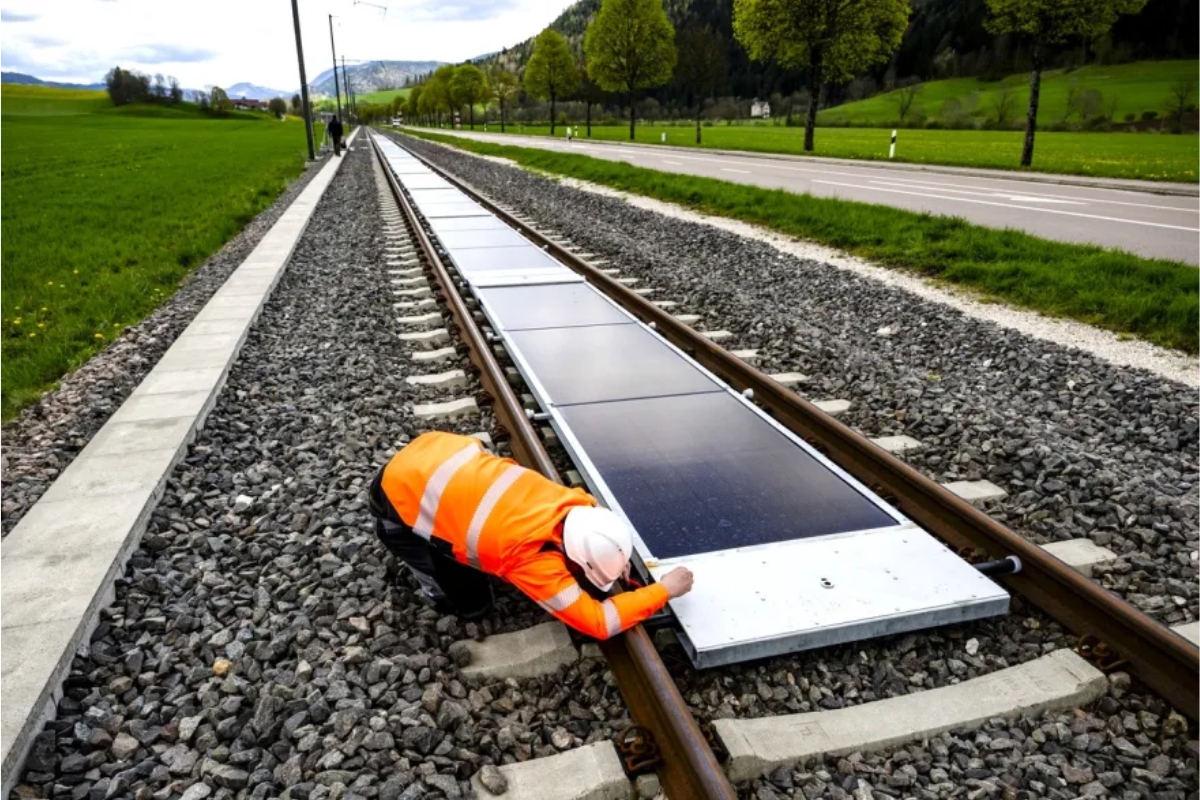
In Switzerland, tracks that previously only accommodated trains are beginning to generate electricity with removable solar panels installed on active railways, paving the way to transform the railway network into a new front for clean energy.
-
Brazil raises alarm to avoid blackout: the country may need 3 Itaipus and is already wasting up to 5,135 MW of energy on days of excess solar.

-
Renewable energy advances over protected areas in Brazil, and a survey by the Energy Transition Observatory reveals silent impacts that challenge environmental conservation and pressure sensitive traditional territories.


There are also discussions for a larger project, with an estimated capacity of up to 400 megawatts (MW), according to executives from six different companies in the sector.
Negotiations with Energy Companies in Brazil
According to Renova Energia, one of the first large crypto mining projects in the country is under development.
This is a US$200 million investment in a wind farm located in the state of Bahia, aimed at powering six data centers with around 100 MW.
The CEO Sergio Brasil stated that by offering all the necessary infrastructure, the company positions itself ahead of competitors in the sector.
Additionally, executives from international companies such as Enegix, based in Kazakhstan, confirmed they are evaluating agreements to explore solar and wind energy in northeastern Brazil.
The Paraguayan company Penguin, along with the Chinese manufacturer Bitmain, is also exploring local opportunities and maintaining discreet negotiations.
Potential of Renewable Energy Surplus
According to associations in the electric sector, Brazil lost nearly US$1 billion in the last two years due to excess clean energy.
This happened because production, driven by tariff incentives, outpaced the expansion of transmission infrastructure.
This mismatch led some plants to waste up to 70% of the energy generated.
However, cryptocurrency miners may help transform this scenario.
As their demand is highly scalable, these operations quickly adjust to energy availability, offering a flexible consumption base.
This prevents overload during peak periods, according to technicians and specialists in the electric sector.
The founder of Enegix, John Blount, stated that there is potential to develop mobile data centers directly connected to the power plants.
Major Generators Target the Cryptocurrency Market
Besides Renova, other traditional energy companies are showing interest in the crypto mining segment.
Casa dos Ventos, which has a partnership with the French company TotalEnergies, and Atlas Renewable Energy, linked to Global Infrastructure Partners (GIP), have already confirmed negotiations.
The subsidiary of Engie in Brazil and Auren Energia, created by Votorantim and CPP Investments, are also evaluating projects to monetize unused energy.
Lawyer Raphael Gomes, specialized in energy and cryptocurrencies, noted that these companies see miners as “diamonds,” given the importance of this demand for the sector.
Eletrobras, the largest generator in the country, started a pilot project in Bahia with ASIC machines in a microgrid powered by wind turbines, solar panels, and batteries.
According to the vice president of innovation, Juliano Dantas, the initiative aims to better understand how this industry operates.
Challenges and Perspectives for the Sector
Although the opportunities are vast, the advancement of crypto mining in Brazil faces obstacles.
Experts warn that despite the energy surplus, there are challenges related to transmission infrastructure.
There are also concerns about the use of water for cooling equipment, especially in regions affected by recurring droughts.
The executive from Penguin, Bruno Vaccotti, stated that the search for 400 MW has been “a Sisyphean journey,” highlighting the complexity of the ongoing negotiations.
Still, both energy companies and international investors remain optimistic about Brazil.
They see the country as a key piece to integrate data centers into the renewable matrix and transform the market with innovation.
Thus, Brazil can consolidate itself as a global reference in the convergence of clean energy and cryptocurrencies.










Seja o primeiro a reagir!