





 Portuguese
  English
  Spanish
  5 min of reading
  0 comments


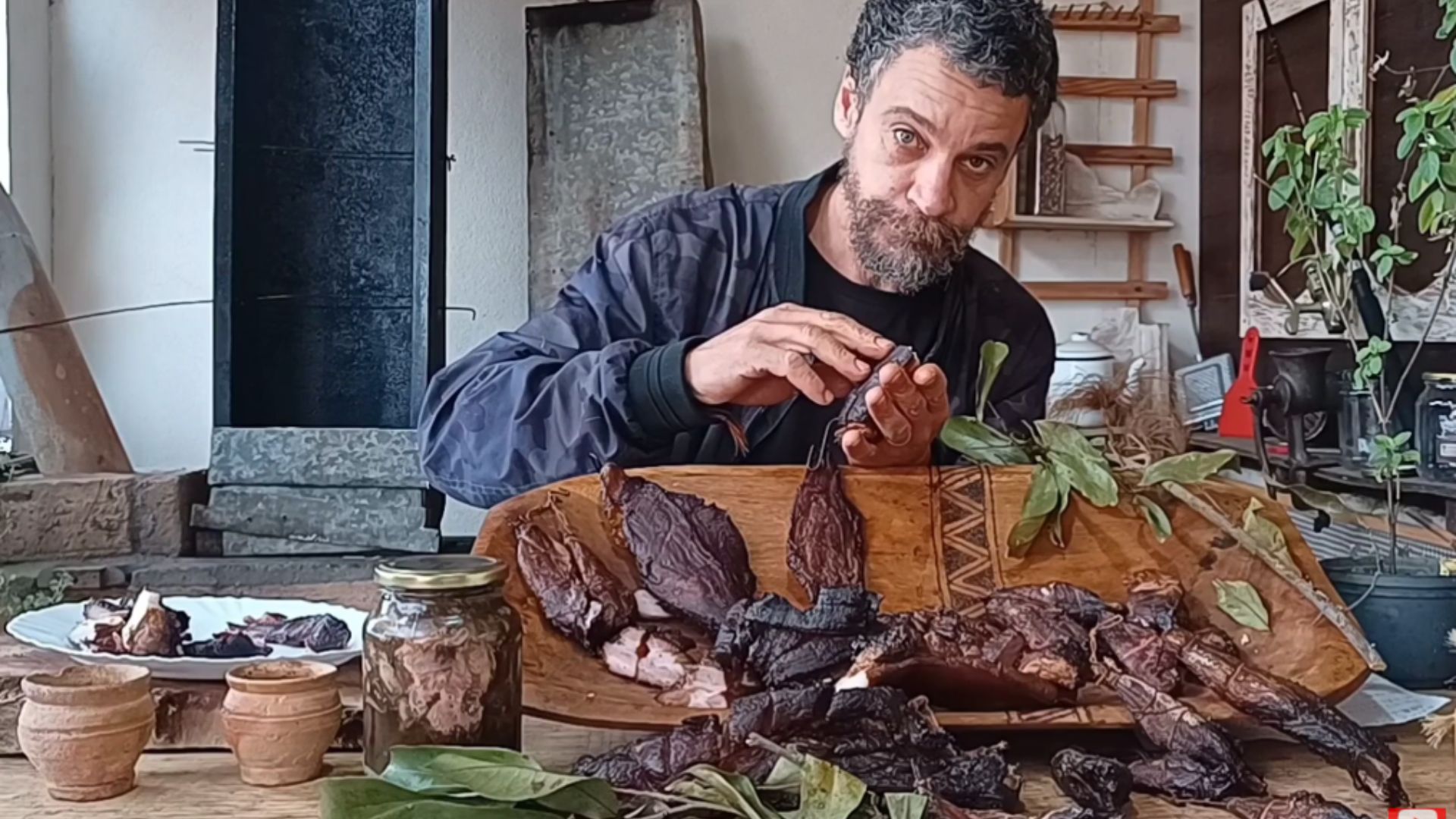
Simple Curing Technique With Salt, Brown Sugar, and Spices Combined With Home Smoking Allows to Preserve Fish, Pork Ribs, and Bacon for Days or Even Months, Guaranteeing Flavor, Food Safety, and Autonomy in Long Fishing Trips and Camping Trips
Survival in fishing goes far beyond catching a good fish. In long fishing trips, remote camping, or days spent away from any urban structure, knowing how to preserve food without refrigeration transitions from convenience to necessity. It is precisely in this context that a simple, traditional, and extremely efficient method stands out: the curing and smoking of fish and meat.
This information was shared by an experienced fisherman in a video published on his channel, where he demonstrates, step by step, how to prepare fish, pork ribs, and pork belly for smoking, using accessible techniques, common ingredients, and a process that anyone can replicate at home or in the field. According to him, the goal is to ensure healthy, tasty, and safe food for several days, even without refrigeration.
Throughout the process, the fisherman explains that curing allows meat and fish to withstand time, preventing the proliferation of bacteria, the appearance of insects, and premature spoilage. In addition, smoking adds flavor, aroma, and an extra layer of natural protection to the food, making it ideal for carrying on trips, camping, or fishing excursions lasting several days.
-
Seen from space, an image taken by an astronaut shows in Argentine Patagonia the exact point where a colossal glacier, a turquoise-blue lake, and a greenish arm of water meet, creating one of the rarest and most impressive landscapes in the region.

-
Workers are being forced to train the AI that will replace them in their jobs.

-
Archaeologists found in the desert an oasis 5,000 years old surrounded by giant walls, in a discovery that reveals a civilization much more complex, powerful, and organized than previously thought.

-
Giving your CPF at the supermarket has become routine, but in 2026 the rule will change: see how your data is used and when it is worth informing.

How Curing Fish and Meat Works to Last Several Days

The process begins with curing, a fundamental step to remove moisture from food and start preservation. In the case of meat, the fisherman used a pork rib and approximately 1.5 kg of pork belly, which later transforms into bacon. For the fish, he worked with 1 kg, properly weighed to maintain the correct proportions of the ingredients.
For each kilogram of meat, he uses about 1.5 grams of curing salt, measured “by eye,” according to his experience. Additionally, the recipe includes paprika, a small amount of table salt, onion soup mix, and brown sugar, an essential ingredient to balance the salt and enhance the flavor. According to the fisherman, the ideal ratio is one and a half measures of brown sugar for each measure of salt.
For the fish, the process follows a similar logic. For 1 kg of fish, two tablespoons of brown sugar are used, paprika to taste, approximately 1.5 grams of curing salt, and a slightly larger quantity of table salt. Although it seems like a lot of salt at first glance, the fisherman explains that this excess is necessary because, after curing, all the food is washed in running water, removing the salt and sugar that stayed only on the surface.
After mixing all the ingredients well by hand, both the fish and meat are placed in containers, covered with plastic wrap, and taken to the refrigerator. The fish remains in cure for two to three days, while the meat stays for four days. During this period, a visible change in texture occurs: the food becomes firmer, a sign that the process is working correctly.
Home Smoking and the Transformation of Flavor and Texture

Once the curing period is over, the next step is crucial: wash all pieces in running water. This step removes excess salt, sugar, and seasonings from the surface, ensuring that the final flavor does not become overly salty. What has been absorbed internally remains, while the external excess is eliminated.
Next, the foods proceed to smoking in a homemade smoker. During this process, the fisherman shows how the fish acquires a beautiful color, firm texture, and distinctive aroma. The pork rib and bacon also undergo a visible transformation, becoming darker, fragrant, and with flavor intensified by the smoke.
According to him, smoking serves not only to add flavor but also acts as another factor for preservation. The controlled heat and smoke help eliminate microorganisms, in addition to creating a protective layer on the food. The result is fish that can be consumed gradually throughout the day and meats that withstand several days outside the refrigerator.
The fisherman also makes a practical observation: when buying pork belly for bacon, prefer thinner pieces, as they smoke faster and more evenly. Thicker pieces require more smoking time to reach the ideal point.
Prolonged Preservation, Storage, and Use in Camping
After smoking, the foods can be stored in different ways. One option is to use vacuum bags, which further increase durability. Another alternative, shown in the video, is conservation in sterilized jars, using composed oil (olive oil mixed with regular oil).
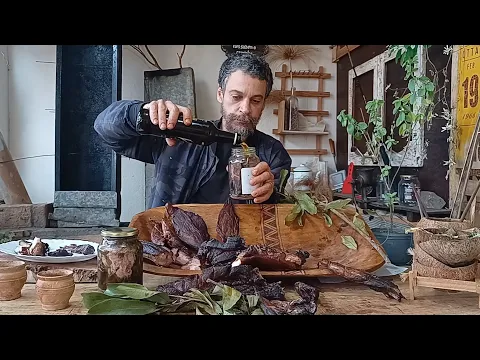
Before sealing the jars, the fisherman adds black pepper, fresh oregano, and basil, herbs that help with preservation and add aroma. After arranging the pieces of fish, bacon, or ribs, he tops it off with oil, gently shakes the container to eliminate the air, and seals it well.
According to the fisherman, foods preserved in this manner can last weeks or even months, as long as they are stored properly. In fishing environments or isolated camps, this means food autonomy, practicality, and safety. He emphasizes that curing salt, smoking, spices, and oil prevent the emergence of insects and spoilage.
In the end, the fisherman reinforces that this method allows carrying fish and meat ready for consumption, enjoying them gradually throughout the day, without worrying about refrigeration. It is a simple, cost-effective, and extremely efficient technique, ideal for those who enjoy fishing, camping, or just want to learn traditional food preservation methods.
Would you use this curing and smoking method to take fish and meat on a long fishing trip without refrigeration, or do you prefer other methods of preservation while camping?






-

-

-

-

-

10 pessoas reagiram a isso.