





 Portuguese
  English
  Spanish
  4 min of reading
  0 comments



The New National Rule Transforms Sanitation Billing and Reorganizes the Tariff Structure with Direct Reductions on Bills for Low-Income Families
A significant structural change with a major social impact was recently established by Law 14.898, which made the Social Water and Sewage Tariff mandatory nationwide. The new framework came into effect after the sanction that took place in June and will be fully implemented in December 2024, which changed how millions of Brazilians pay for essential water consumption and sewage services. In addition, the legislation guarantees a 50% discount on the first consumption tier of up to 15 m³ per month, which transforms the predictability of bills and reorganizes the financial reality of vulnerable families.
The update creates a tariff rebalancing that uses the mechanism of cross-subsidy, and thus protects the operation of concessionaires without removing benefits from consumers. This regulatory design demonstrates that the new policy sought to reconcile expanded access, fair billing, and operational sustainability, which redefines how companies structure their revenues and how users understand the value paid monthly.
The New Law Reveals Direct Impact on Family Budgets
The change arises from legal guidelines that immediately reorganize how consumers are billed and, therefore, directly affects households enrolled in CadÚnico or beneficiaries of BPC. After all, the benefit is linked to a per capita income of up to half a minimum wage, and, therefore, reaches groups that depend on tariff protection to maintain basic expenses. Furthermore, as a cascading effect, the rule dictates that concessionaires and the Ministry of Development share the identification of beneficiaries, creating a continuous flow of information cross-referencing that reduces bureaucracies.
-
The Chamber opens a debate on driver’s licenses at 16 years old as part of a reform that includes around 270 proposals to change the Brazilian Traffic Code and may redesign rules for licensing, enforcement, and circulation in the country.

-
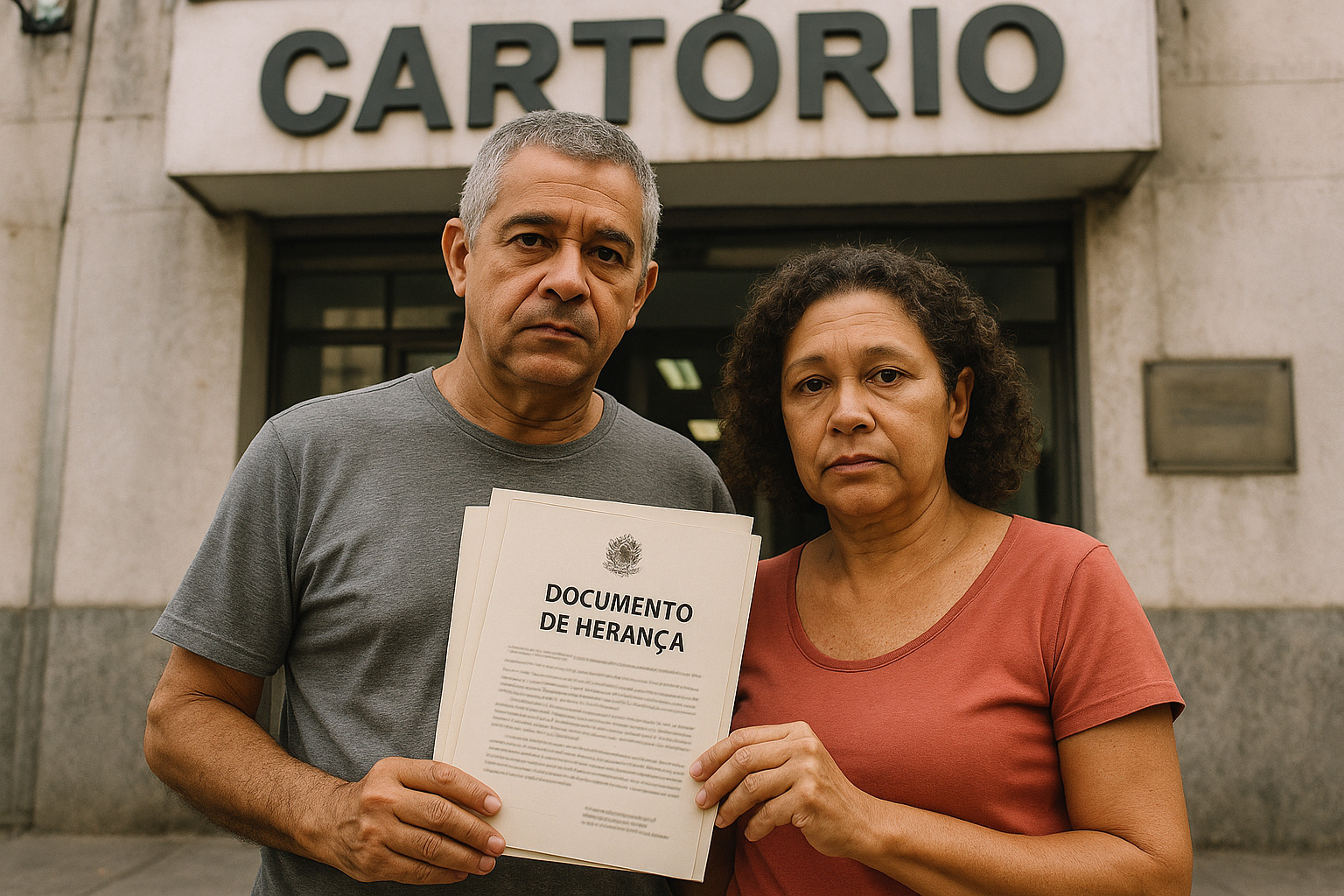
The new Civil Code could revolutionize marriages in Brazil with “express divorce” and changes that could exclude spouses from inheritance.
-
Banco do Brasil sues famous influencer for million-dollar debt and intensifies debate on delinquency, risks of seizure, and direct impact on Gkay’s credibility.

-
The Senate approves a bill that criminalizes misogyny, hatred, or aversion towards women, and includes the crime in the Racism Law with a penalty of up to 5 years.

The system seeks to apply the discount automatically, and thus facilitates access for families that already have an active registration. However, inconsistencies may occur in data cross-referencing and, therefore, consumers need to update information when the bill is not in the beneficiary’s name, which prevents immediate recognition of the right to a discount. This scenario highlights how the update reorganizes the user experience, although it maintains administrative requirements that may interfere with automatic application.
The Practical Impact on Families’ Daily Lives
The 50% discount on the first tier of up to 15 m³ creates immediate relief and, despite this, does not eliminate the need for financial organization, as each family depends on their consumption volume. Many beneficiaries use this discount for essential expenses and, consequently, the social tariff becomes an instrument that preserves part of the household budget, even without increasing the overall availability of resources.
Additionally, concessionaires such as Águas do Rio adopt various procedures, and thus, some regions already operate with automatic migration, while others require documentary proof in person. This operational variety demonstrates how implementation is still in an adaptation phase and, at the same time, reinforces that the legislation has created obligations that not all companies can meet simultaneously.
Consumers Reorganize Documents and Procedures to Ensure the Discount
Currently, users seek to regularize their registrations when the discount does not appear on the bill. The process requires an updated proof of CadÚnico, personal documents, and, when applicable, extracts from BPC or social security benefits. Thus, regularization ensures that data cross-referencing is adjusted and simultaneously maintains the right to the benefit. This dynamic demonstrates how automatic enrollment, while anticipated, still depends on active consumer interaction in many cases.
Compliance with the Law in a Broader Context
The legislation provides for a transition period for concessionaires, and therefore some regions remain in transition. The National Water Agency establishes reference standards and mandates that companies annually disclose the number of families served, which reinforces transparency and strengthens social control. Thus, the new tariff structure integrates a sequence of adjustments aimed at balancing fair billing, social protection, and sustaining sanitation operations.
The Future of Access to the Social Tariff
Experts, consumers, and managers assess that the full implementation of the social tariff represents an important advancement, although it simultaneously depends on the continuous improvement of identification systems. The ability to maintain the discount for millions of families, even with varying bureaucratic processes, generates expectations about the consolidation of the benefit. Meanwhile, the need to check the bill monthly reinforces the central question: Will the system ensure total regularity in applying the discount, or will it increasingly depend on direct actions from consumers?










-

-

-

4 pessoas reagiram a isso.