





 Portuguese
  English
  Spanish
  4 min of reading
  0 comments


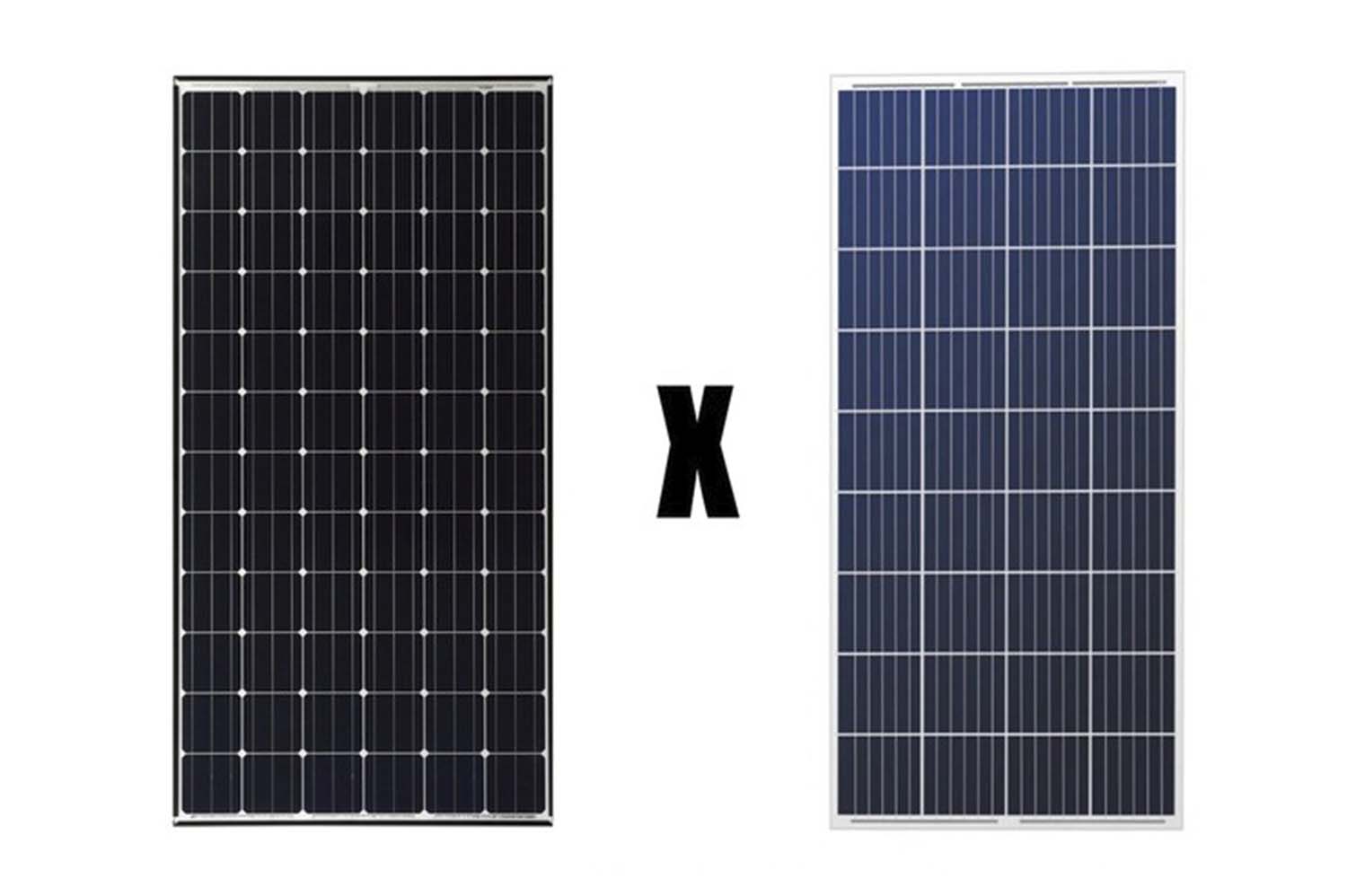
Learn More About The Most Common Types Of Solar Panels, Monocrystalline And Multicrystalline. Solar Energy Increasingly Popular!
With the growing search for clean and sustainable energy sources, the solar panel has become an increasingly popular investment. However, when considering the installation of a photovoltaic system, one of the first questions that arise is: which type of panel to choose?
The most common models are monocrystalline solar panels and multicrystalline panels, each with its distinct characteristics, advantages, and disadvantages. Understanding the differences between them is crucial for making the decision that best suits your needs and budget.
The Essence Of The Solar Panel: How It Works?
Before diving into the specifics of each type, it is important to remember the basic principle behind a solar panel. Essentially, these panels are made up of photovoltaic cells, usually made of silicon.
-
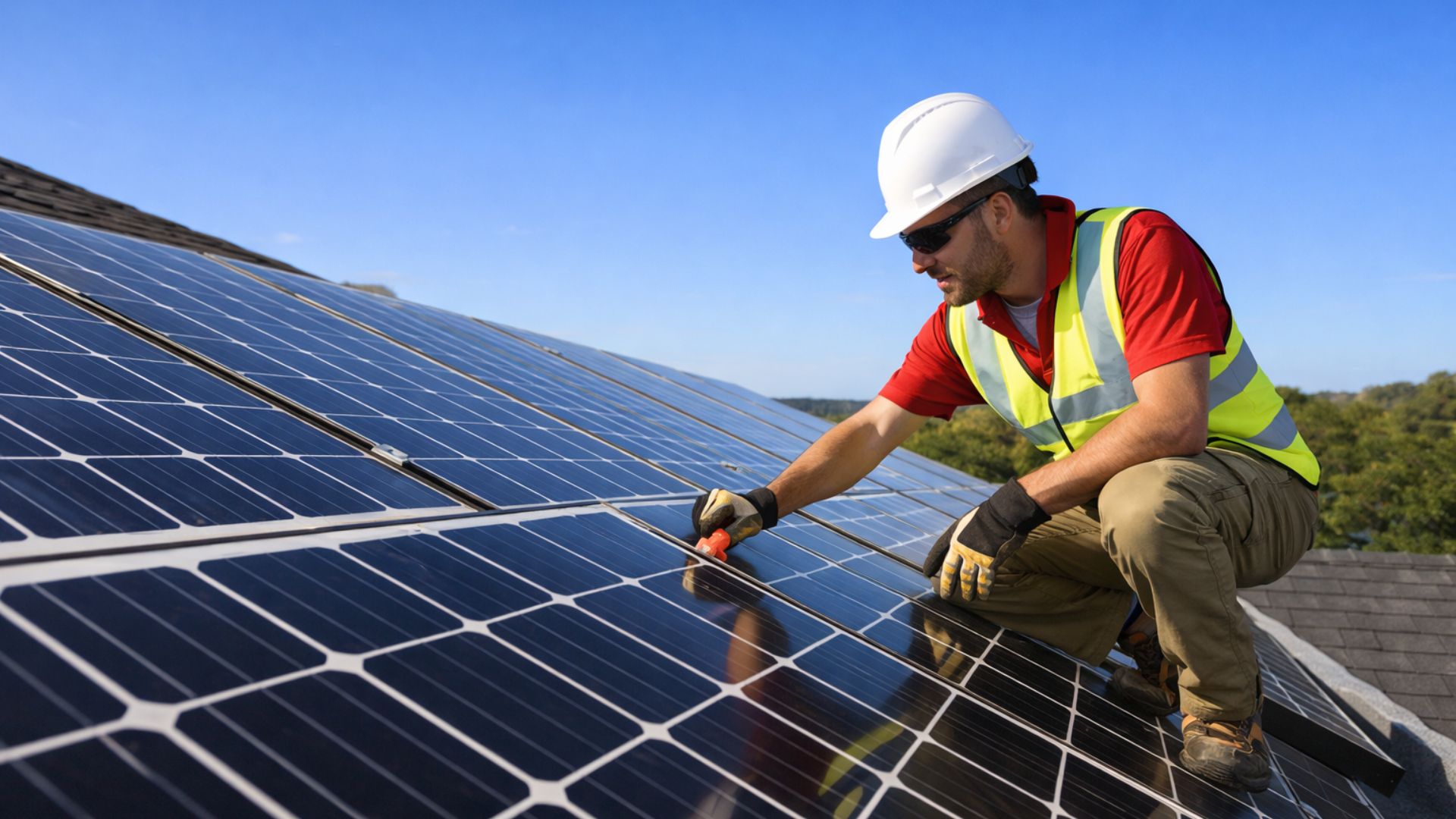
Seagri’s headquarters invests in solar energy with Neoenergia Coelba and promises to cut electricity costs, highlighting a strategic advance in sustainability and energy efficiency within state public administration.
-
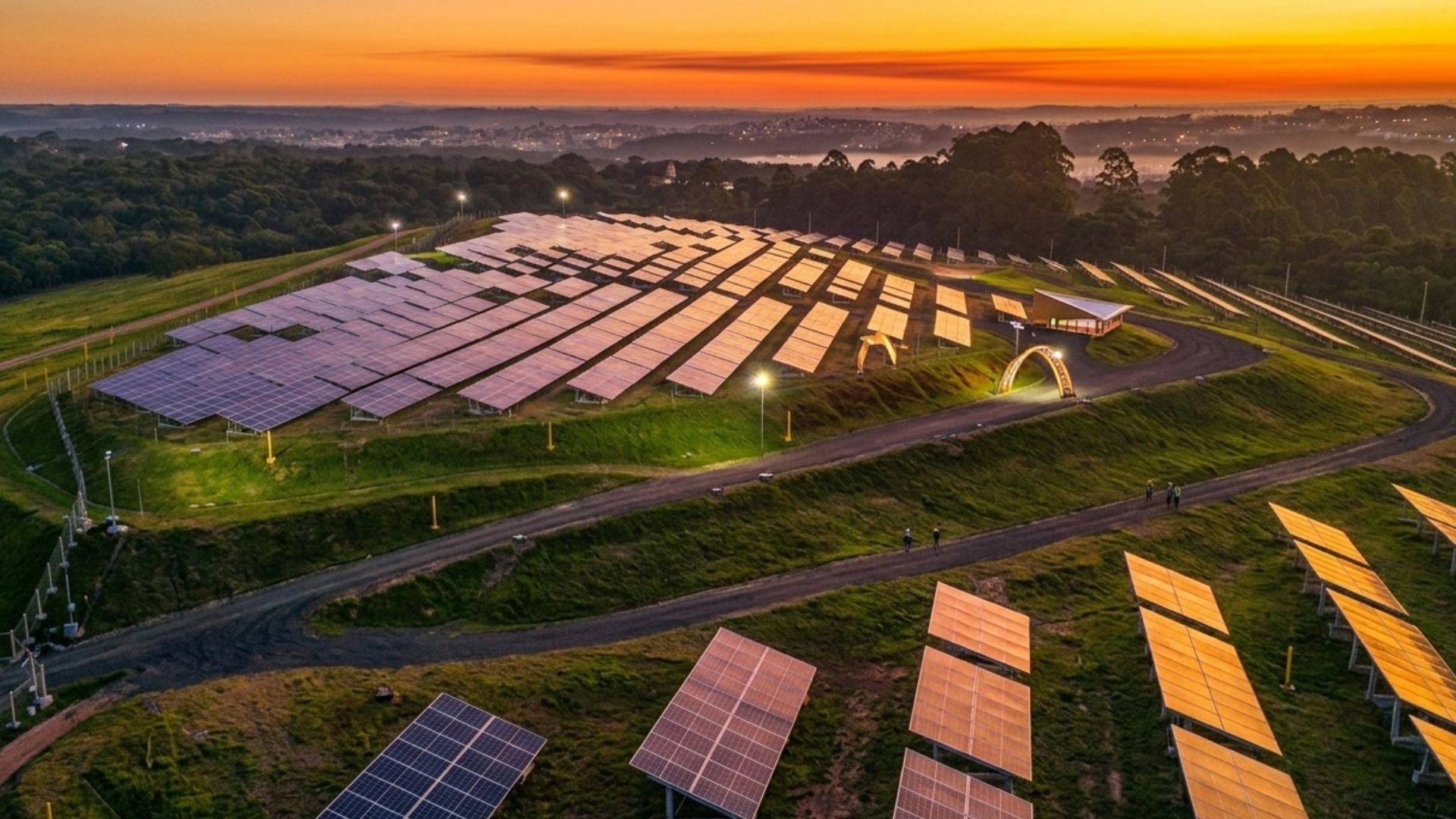
Solar Pyramid draws attention by converting solar energy into million-dollar savings and repositioning the City Hall of Curitiba as an example of innovation, sustainability, and intelligent use of public resources.
-
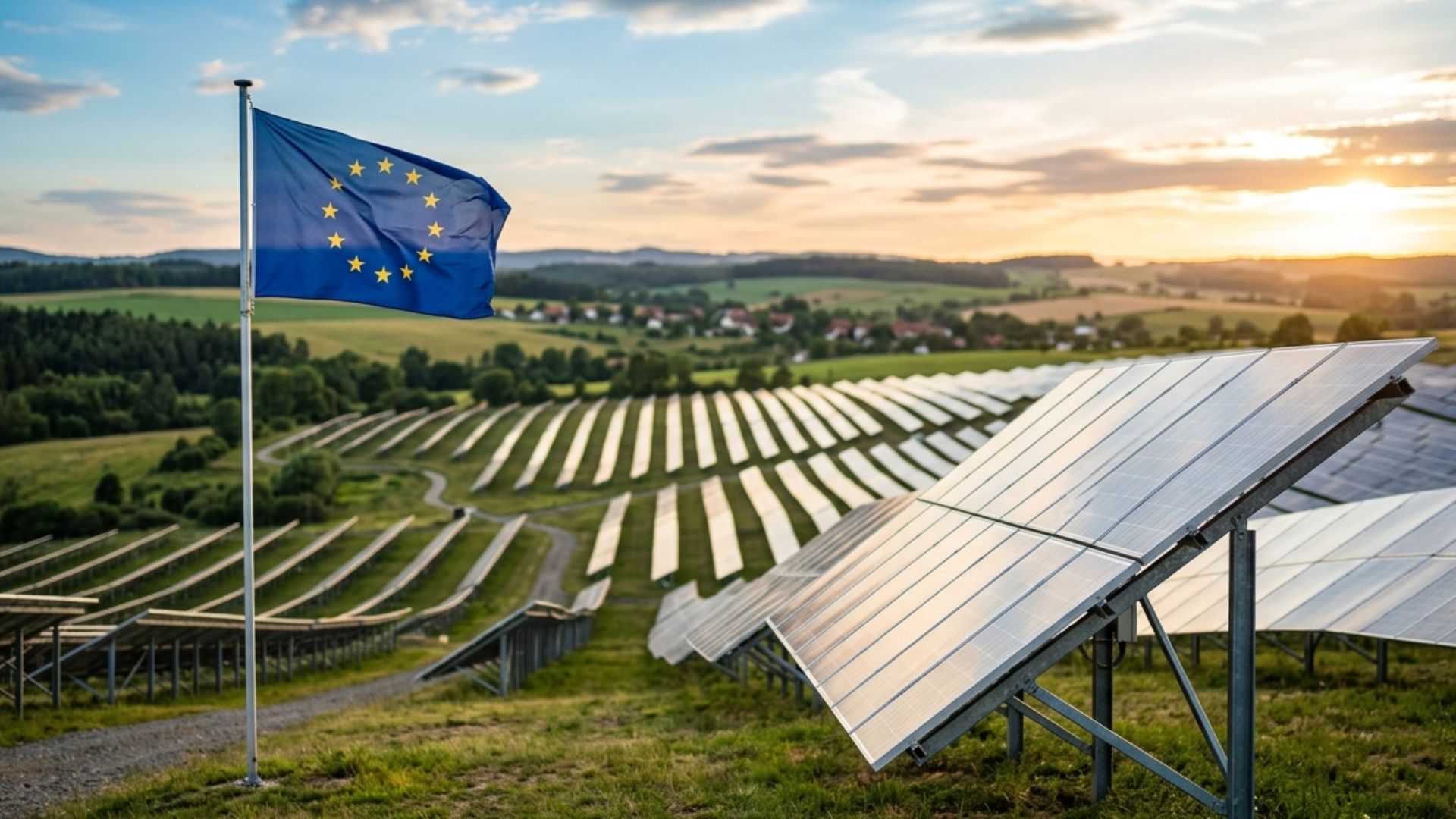
Europe records strong euro economy with solar energy in March and sparks curiosity about which country leads growth that redefines the energy market and reduces costs.
-
Piauí reaches a historic milestone in energy transition: State records nearly 160,000 households powered by solar energy and leads growth in the Northeast.
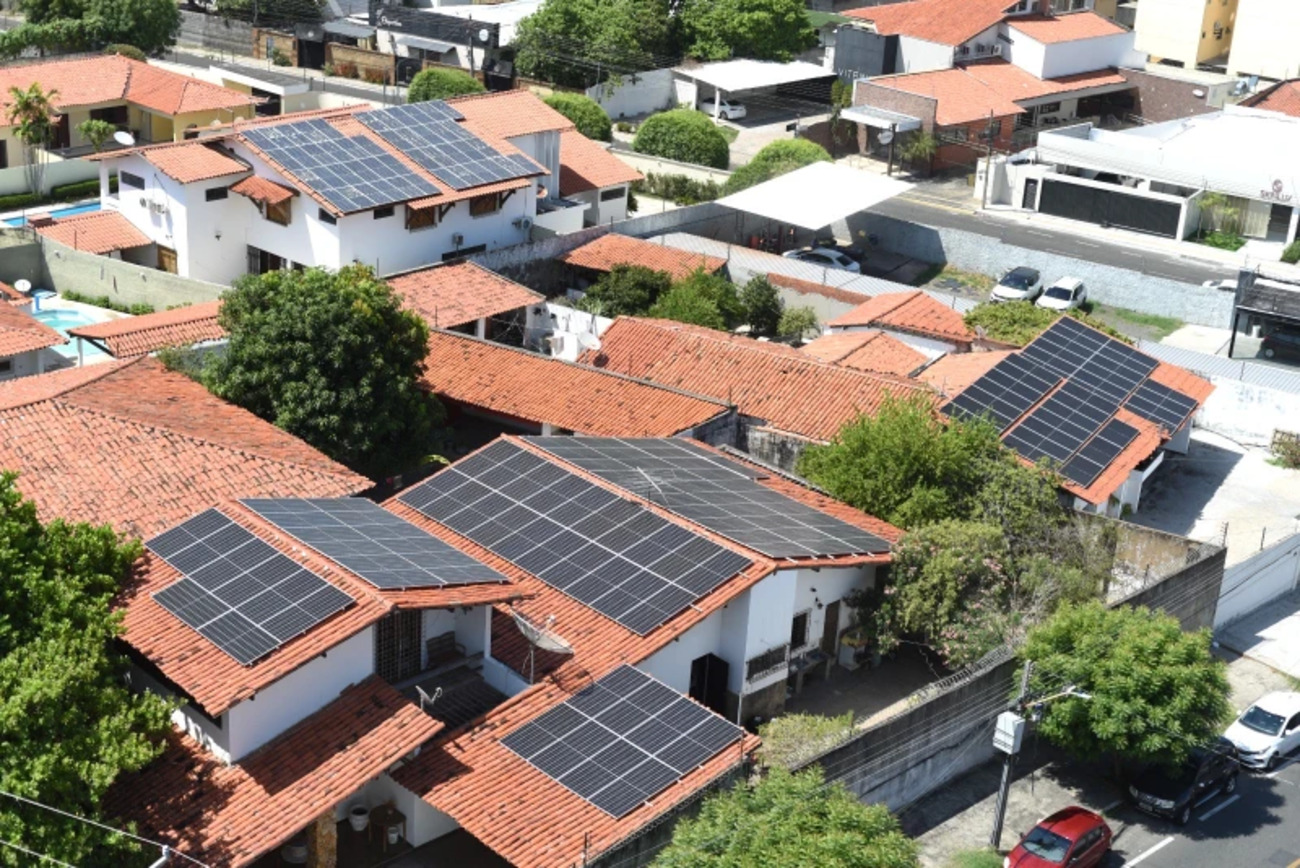

When sunlight hits these cells, it excites the electrons in the semiconductor material, generating an electric current – what we know as the photovoltaic effect. This energy is then converted for use in homes, businesses, or industries.
Monocrystalline Solar Panels: Efficiency And Premium Style
Monocrystalline solar panels are easily identifiable by their uniform dark color, almost black, and by having their cells cut in an octagonal shape. Their manufacturing involves a more complex process, where silicon is grown as a single crystal.
This method results in cells with high purity and a more homogeneous crystalline structure.
Advantages Of Monocrystalline Panels:
- Higher Efficiency: Thanks to their purity and crystalline structure, monocrystalline panels convert more sunlight into electricity, achieving efficiency rates that can range from 17% to 24%. This means they generate more energy per square meter.
- Better Performance In Low Irradiation: Their purity makes them more effective in low light conditions, such as on cloudy days or during dawn and dusk.
- Pleasant Aesthetics: The uniform and dark visual, combined with the octagonal cut, gives a more sophisticated and discreet appearance, which many consider more harmonious with modern architecture.
- Long Lifespan: They tend to have a slightly longer lifespan, with performance that can exceed 25 years.
Disadvantages Of Monocrystalline Panels:
- Higher Cost: The complex manufacturing process and high efficiency result in a price per watt that is slightly higher compared to multicrystalline panels.
- Temperature Sensitivity: Although efficient, they may experience a small drop in performance at extremely high temperatures.
Multicrystalline Solar Panels: Versatility And Cost-Effectiveness
Multicrystalline solar panels, on the other hand, are recognized by their bluish color and a more fragmented visual pattern, where various silicon crystals can be seen in each cell.
The manufacturing process is simpler, using melted silicon blocks that are cut into slices, making them more accessible.
Advantages Of Multicrystalline Panels:
- More Affordable Cost: The less complex manufacturing process makes them cheaper per watt, making them an excellent option for projects with tighter budgets;
- Good Performance In High Temperatures: They tend to handle high temperatures slightly better, showing less performance degradation in very hot climates;
- Excellent Cost-Effectiveness: They offer an attractive balance between initial cost and energy generation capacity, making them popular for various applications.
Disadvantages Of Multicrystalline Panels:
- Lower Efficiency: Their efficiency generally ranges between 15% and 18%, meaning they require a larger area to generate the same amount of energy as a monocrystalline panel.
- Less Uniform Aesthetics: The fragmented visual pattern and blue color may not be as discreet as monocrystalline panels for some architectural projects.
- Inferior Performance In Low Irradiation: In low sunlight conditions, their performance may be slightly inferior to that of monocrystalline panels.
Your Solar Project
The difference between them primarily lies in efficiency, cost, and aesthetics. The choice between a monocrystalline solar panel and a multicrystalline one will depend on factors such as:
- Available Space: If you have limited roof space, monocrystalline panels, due to their higher efficiency, may be the best choice to maximize energy generation.
- Budget: If the initial cost is a priority, multicrystalline panels offer a more economical alternative with good performance.
- Climate Conditions: Both types work well in different climates, but the slight nuances in performance in extreme temperatures or low irradiation can be considered.
- Aesthetic Concern: If the visual of the system on the roof is important, the uniform finish of the monocrystalline may be preferable.
Both types of solar panels are durable, reliable, and represent an excellent investment in clean energy production.
Consulting a solar energy specialist can help analyze the specifics of your location and consumption, ensuring you make the best choice for your energy future.
Do you already have a solar energy system or are you thinking of installing one? Which type of panel attracted you the most? Share your experiences and opinions in the comments!









Seja o primeiro a reagir!