





 Portuguese
  English
  Spanish
  3 min of reading
  1 comment


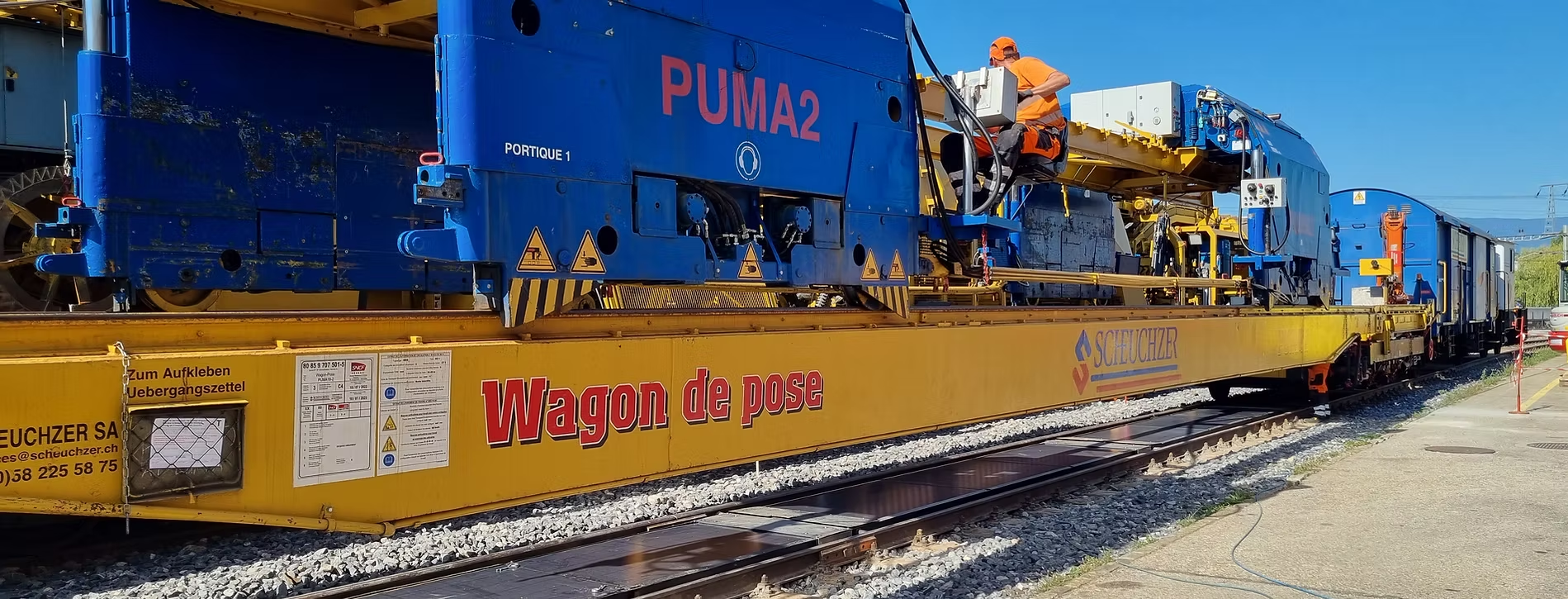

A Promising Innovation! France Is Testing a System That Installs Solar Panels Directly on Train Tracks to Generate Clean and Sustainable Energy with Railways.
The energy transition is one of the major global challenges, and the search for innovative solutions is ongoing. France, known for its strong railway infrastructure, is testing a new approach to clean energy generation: solar panels installed directly on train tracks.
The initiative, led by SNCF and its subsidiary AREP, promises to optimize land use and provide renewable energy for railway operations.
How Does the Solveig Project Work?
The Solveig project, which began on January 17, 2024, installed eight solar panels at the Achères Technical Center in central France.
-
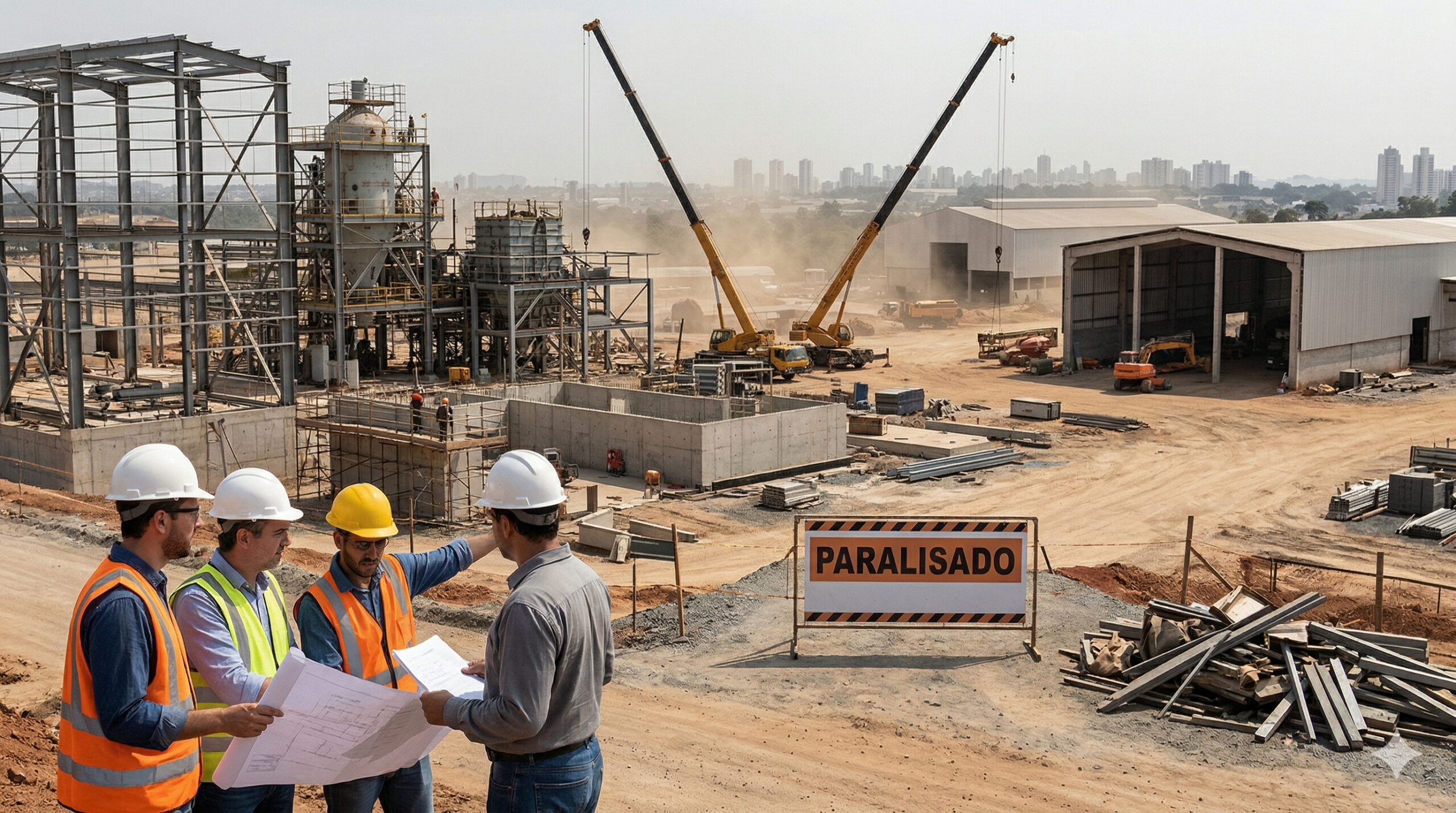
The lack of welders, electricians, and operators becomes a structural threat in 2025, with the construction industry and manufacturing already suffering from delays, cost pressures, and labor shortages in Brazil.
-
Brazil and Paraguay are just 46 meters away from a historic union on the bioceanic bridge that promises to revolutionize trade between the Atlantic and the Pacific.

-
With 55 km over the sea, a cost of US$ 20 billion, and enough steel to build 60 Eiffel Towers, China’s largest project has connected Hong Kong, Zhuhai, and Macau in a colossal bridge that defies the logic of engineering.

-
A trick with joint compound transforms a Styrofoam ceiling into a plaster-like ceiling: leveled panels, wires and mesh at the joints, sand, paint, and change the environment while spending little today.


The goal is to evaluate the performance and viability of the technology over six months. If the results are positive, the solution could be expanded to inactive railway lines, allowing for more efficient use of these areas.
The panels were installed using a telescopic arm system, ensuring greater protection against weather damage and optimizing solar exposure.
The concept also foresees the relocation of the panels according to demand, something innovative within the railway sector.
Benefits and Potential Expansion
If approved, the project could significantly contribute to SNCF’s goal of achieving 1,000 MWp of photovoltaic capacity by 2030.
Currently, 80% of national French trains are already electrified, and this solution could increase the energy self-sufficiency of the system.
Alistair Lenczner, innovation director at AREP, highlighted that the project uses ISO containers to facilitate the installation and removal of the panels, allowing flexibility in the distribution and relocation of the solar units.
At the moment, the focus is on meeting SNCF’s internal energy needs and reducing costs, but there is potential for expansion into other countries.

The Impact in Europe and the World
Other countries are paying attention to innovations in solar energy in the railway sector. In October 2024, Switzerland authorized its first removable solar plant on railway tracks, a significant step towards the adoption of sustainable solutions.
With over 113,800 hectares of land under SNCF management, the potential for project expansion is immense.
The AREP Group is applying its expertise in solar mapping, data analysis, and modeling to identify new viable areas for the installation of photovoltaic panels.
The Future of Solar Energy in Railways
The combination of railways and solar energy could revolutionize transport infrastructure in Europe and around the world.
The success of the Solveig project would pave the way for the adoption of this technology in other regions, promoting a cleaner and more efficient transport model.
By doing so, SNCF not only reinforces its commitment to sustainability but also contributes to a future where train tracks transport not only passengers but also renewable energy.
The expectation is that more tests and investments will accelerate this transition to a greener and more innovative railway.










❤️Aqui você pode tirar a roupa da garota e vê-la nua) Confira ➤ Ja.cat/gosea