





 Portuguese
  English
  Spanish
  5 min of reading
  0 comments


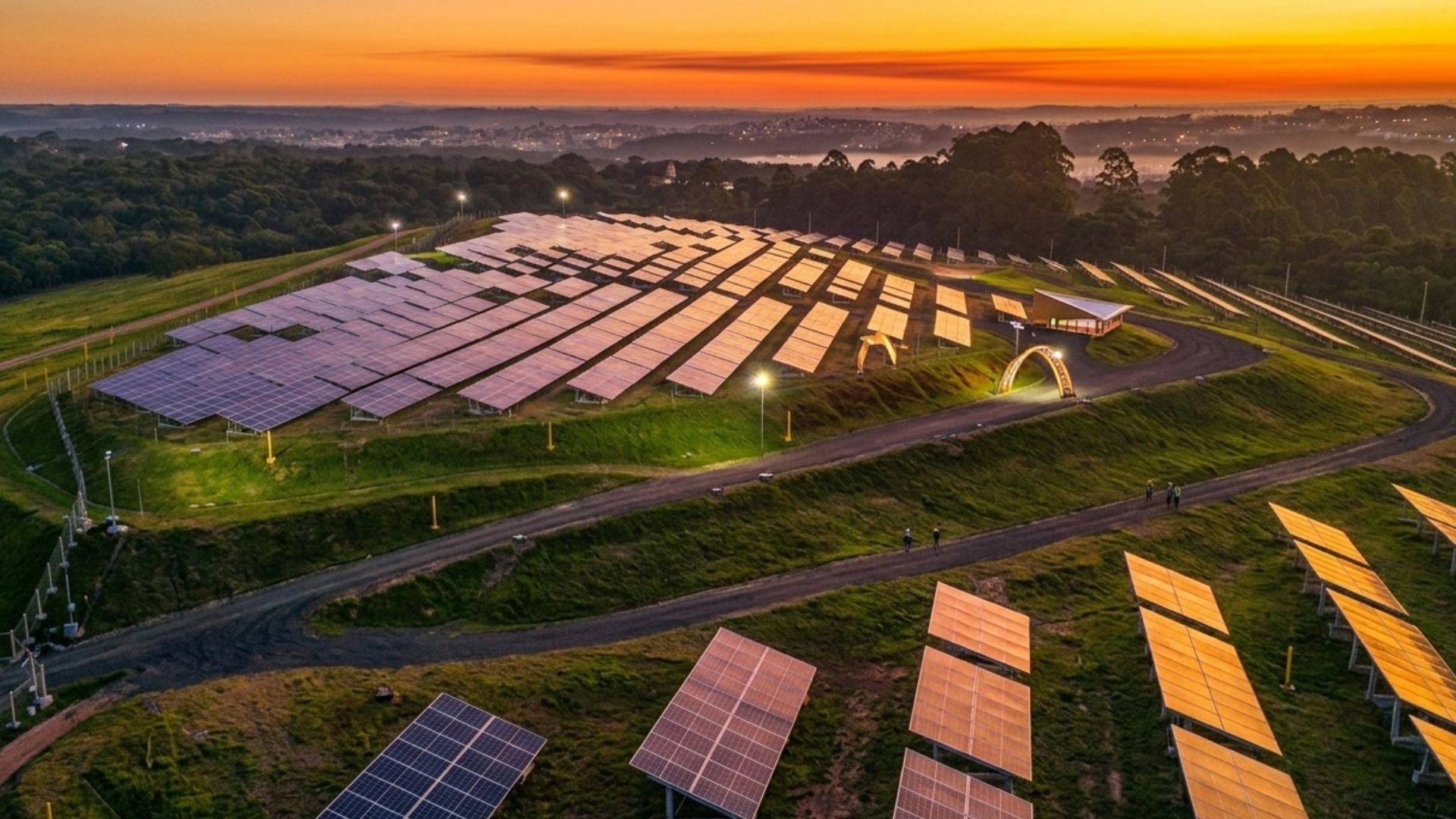
The Solar Pyramid already proves that solar energy can generate million-dollar savings and transform public management, while the City Hall of Curitiba advances with sustainable innovation and energy efficiency.
The Solar Pyramid has established itself as an innovative solar energy project in Brazil by completing three years of operation. Located in Curitiba, the plant installed in the Caximba neighborhood already demonstrates concrete results by generating a million-dollar savings for the City Hall of Curitiba.
Right from the first available data, the impact is striking. The accumulated energy production exceeds 16,633 MWh, a volume sufficient to supply approximately 68,000 low-income households for a month. At the same time, public coffers record a savings of R$ 8.76 million.
More than just numbers, the project symbolizes a change in how cities can deal with sustainability, energy efficiency, and public resource management.
-
Europe records strong euro economy with solar energy in March and sparks curiosity about which country leads growth that redefines the energy market and reduces costs.

-
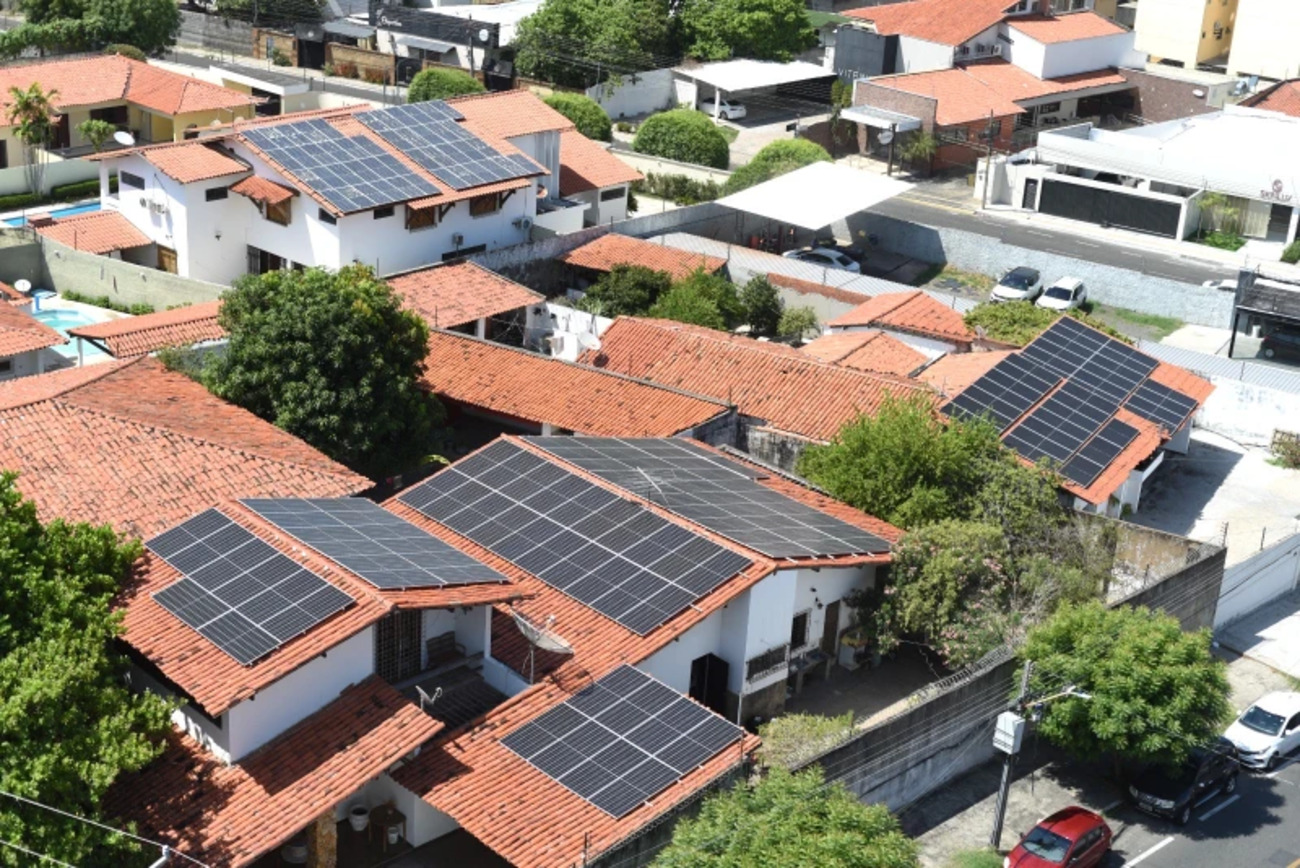
Piauí reaches a historic milestone in energy transition: State records nearly 160,000 households powered by solar energy and leads growth in the Northeast.
-
Argentina debuts its first 100% solar-powered highway and transforms an entire road into a showcase of clean energy.

-
Minas Gerais reaches a historic record and surpasses the power of Itaipu, but network costs generate debate: Understand why solar energy in MG impacts the electricity bill of those without panels.

Solar Pyramid boosts million-dollar savings with solar energy and reduces public costs
The Solar Pyramid demonstrates, in practice, how solar energy can generate significant financial results. In just three years, the project has provided a significant million-dollar savings for the City Hall of Curitiba, reducing electricity expenses.
This model allows the saved money to be directed to strategic areas. Instead of being consumed by operational costs, the resource is used to finance public policies and social programs.
Among the main impacts of this savings, the following stand out:
- Reinforcement of social programs such as the Solidarity Table
- Investments in environmental education
- Expansion of essential public services
This movement shows that sustainability and efficient management can go hand in hand, generating direct benefits for the population.
How the solar energy from the Solar Pyramid supplies public buildings of the City Hall of Curitiba
The structure of the Solar Pyramid consists of 8,600 photovoltaic panels, responsible for capturing solar radiation and converting it into electricity. The installed capacity reaches 4.55 MWp, consolidating the project as a major municipal initiative in the country.
The solar energy generated is injected into the network of the Paraná Energy Company, Copel, following the regulations of the National Electric Energy Agency, ANEEL.
In practice, this model works as an energy compensation system. The energy produced by the plant generates credits that are used by the City Hall of Curitiba to reduce the value of electricity bills.
Currently, about 304 public buildings are supplied by this generation, which directly contributes to the million-dollar savings recorded by the municipality.
From landfill to a reference in solar energy and urban sustainability
One of the most striking points of the Solar Pyramid is the location where it was installed. The project occupies an old deactivated landfill in the Caximba neighborhood, an area that was previously considered an environmental liability.
The transformation of this space into a solar energy plant represents a significant advance in engineering and urban planning. Instead of remaining unused, the area began to generate environmental and economic value.
According to the Municipal Secretariat of the Environment, the project required specific technical solutions to ensure the safety of the installation on the soil of the old landfill. The result is an innovative model, considered the first of its kind in Latin America with these characteristics.
This change reinforces how the City Hall of Curitiba has invested in smart solutions to turn environmental challenges into sustainable opportunities.
Real impacts of the million-dollar savings generated by the Solar Pyramid in the city
The million-dollar savings generated by the Solar Pyramid is not just a financial indicator. It represents resources that are no longer spent on electricity and are instead invested directly in the city.
This type of savings creates a positive chain effect. By reducing fixed expenses, the City Hall of Curitiba gains more investment and planning capacity.
Among the main reflections of this model, the following can be highlighted:
- Greater efficiency in public management
- Capacity to expand social policies
- Incentive for environmental and educational projects
Additionally, the predictability of energy costs allows for a more strategic administration that is less vulnerable to tariff fluctuations.
Solar Pyramid strengthens climate strategy and positions Curitiba as a national reference
The Solar Pyramid is part of the Curitiba More Energy program, an initiative aimed at expanding the use of solar energy and other renewable sources in the municipality.
The project has also received international recognition. It was selected by the C40 Cities network and received support from the German agency GIZ for technical studies.
Moreover, the initiative is aligned with Curitiba’s Climate Change Adaptation and Mitigation Plan, reinforcing the city’s commitment to sustainability.
This set of actions places the City Hall of Curitiba in a prominent position, showing that it is possible to lead the energy transition with concrete and efficient projects.
Environmental education brings young people closer to the reality of solar energy
Another relevant aspect of the Solar Pyramid is its educational role. The space receives guided visits from students, promoting awareness about sustainability and the use of solar energy.
In one of these actions, students from the State College Professor Maria Gai Grendel participated in a technical visit accompanied by specialists from the city hall. During the activity, they learned about the operation of the plant and the environmental monitoring of the area.
This type of initiative helps to form more conscious citizens who are prepared to deal with future environmental challenges. Additionally, it reinforces the importance of bringing the population closer to the sustainable solutions implemented by the public authorities.
Numbers prove the efficiency of the Solar Pyramid and the expansion of public solar energy
The operational data of the Solar Pyramid help to understand the scope of the project and its relevance:
- 8,600 photovoltaic panels installed
- 4.55 MWp of total power
- 16,633 MWh of energy generated by March 2026
- Supply equivalent to 68,000 households for a month
- Approximately 30% of the consumption of public buildings served
- Estimated annual savings of R$ 3.2 million
These numbers show that solar energy can be a viable and efficient solution for the public sector, ensuring a sustainable million-dollar savings.
A model that inspires new cities to invest in clean energy
The experience of the Solar Pyramid shows that solar energy projects can be replicated in other Brazilian cities. The adopted model combines innovation, sustainability, and economic efficiency.
By transforming an old environmental problem into an energy solution, the City Hall of Curitiba demonstrates that it is possible to advance in the energy transition without compromising the public budget.
The million-dollar savings generated over the years reinforces that investing in clean energy is not just an environmental choice, but also a strategic decision.
More than an isolated project, the Solar Pyramid represents a new path for the future of cities: more sustainable, more efficient, and more intelligent.









Seja o primeiro a reagir!