





 Portuguese
  English
  Spanish
  4 min of reading
  28 comments


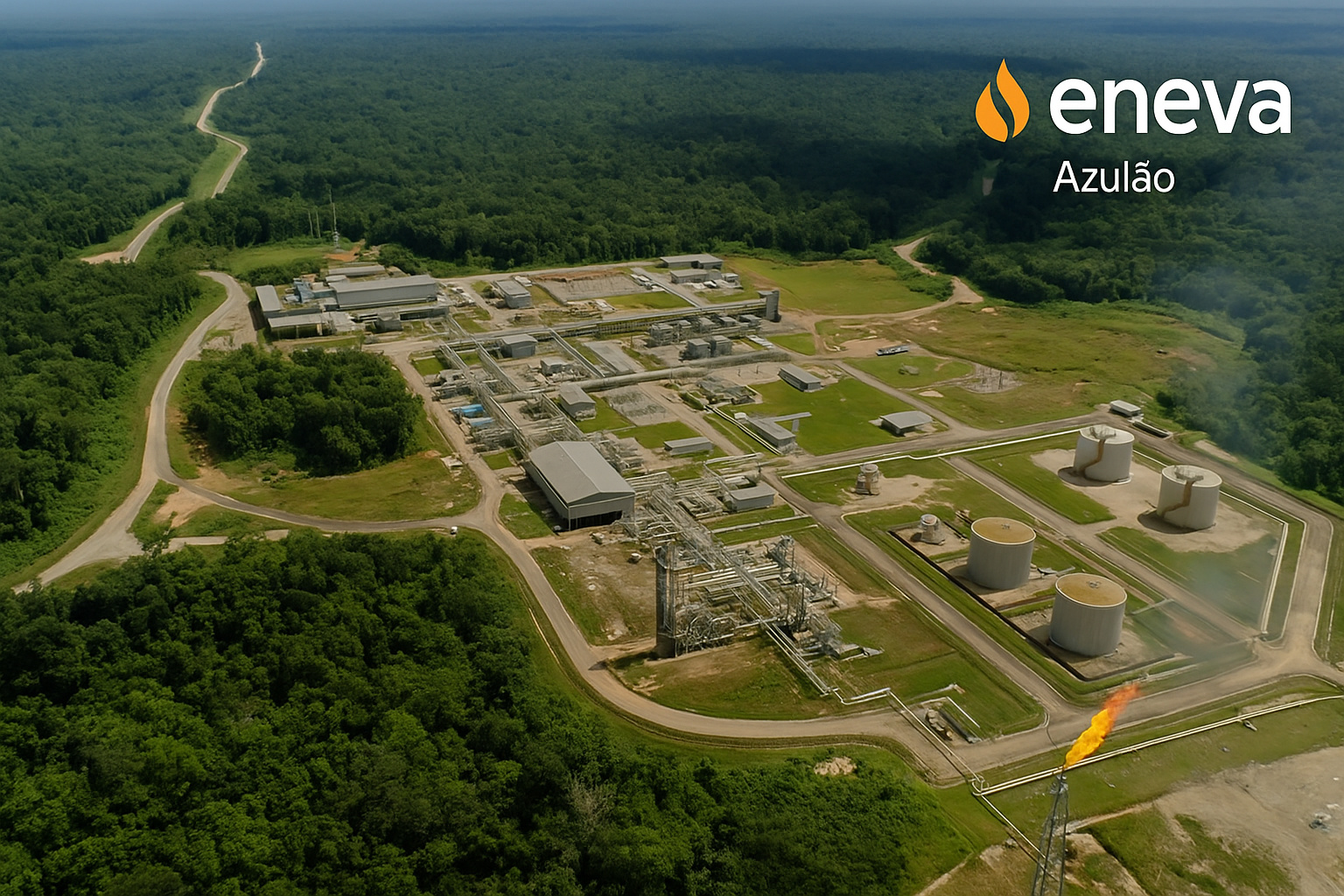


Azulão Gas Field Was Sold for Just US$ 54 Million and Today Supplies Roraima with Natural Gas, Becoming a Model of Integrated Energy in Brazil.
Amid Petrobras’ divestment program in recent years, many assets deemed to have “low potential” were transferred to the private sector for modest amounts. One such case happened quietly in 2017, when the Azulão gas field, located in the interior of Amazonas, was sold for just US$ 54.5 million. At the time, the price didn’t attract much attention. But a few years later, the story changed. What seemed like another marginal field in the middle of the Amazon rainforest transformed into a model of energy success. Today, operated by Eneva, Azulão is central to an integrated operation that provides natural gas to generate electricity in the state of Roraima — one of the most isolated in the country.
The Sale That Seemed Small but Became Strategic: Azulão Gas Field
The Azulão field was discovered by Petrobras in 1999 but was never fully developed. Its remote location and lack of nearby consumer market made the project unappealing to the state-owned company, which prioritized large assets in the pre-salt or in regions with better logistic infrastructure.
When Eneva purchased the asset in 2017, the focus was clear: to integrate gas production with thermal generation, reducing energy dependence in isolated regions. The sale was part of Petrobras’ plan to concentrate efforts on larger-scale projects with quicker returns.
-
A major turn in the Justice system suspends tax increases and directly impacts oil and gas companies in Brazil by affecting costs, contracts, and financial planning, leaving uncertain what could happen to the sector if these costs had increased.

-
Brava Energia begins drilling in Papa-Terra and Atlanta and could change the game by reducing costs in oil while increasing production and strengthening competitiveness in the offshore market.
-
Petrobras surprises the world again by announcing a new discovery in the pre-salt with excellent quality oil.

-
Offshore industrial demand in Macaé skyrockets with the recovery of oil and gas and could grow by up to 396% by 2026 in the Campos Basin.
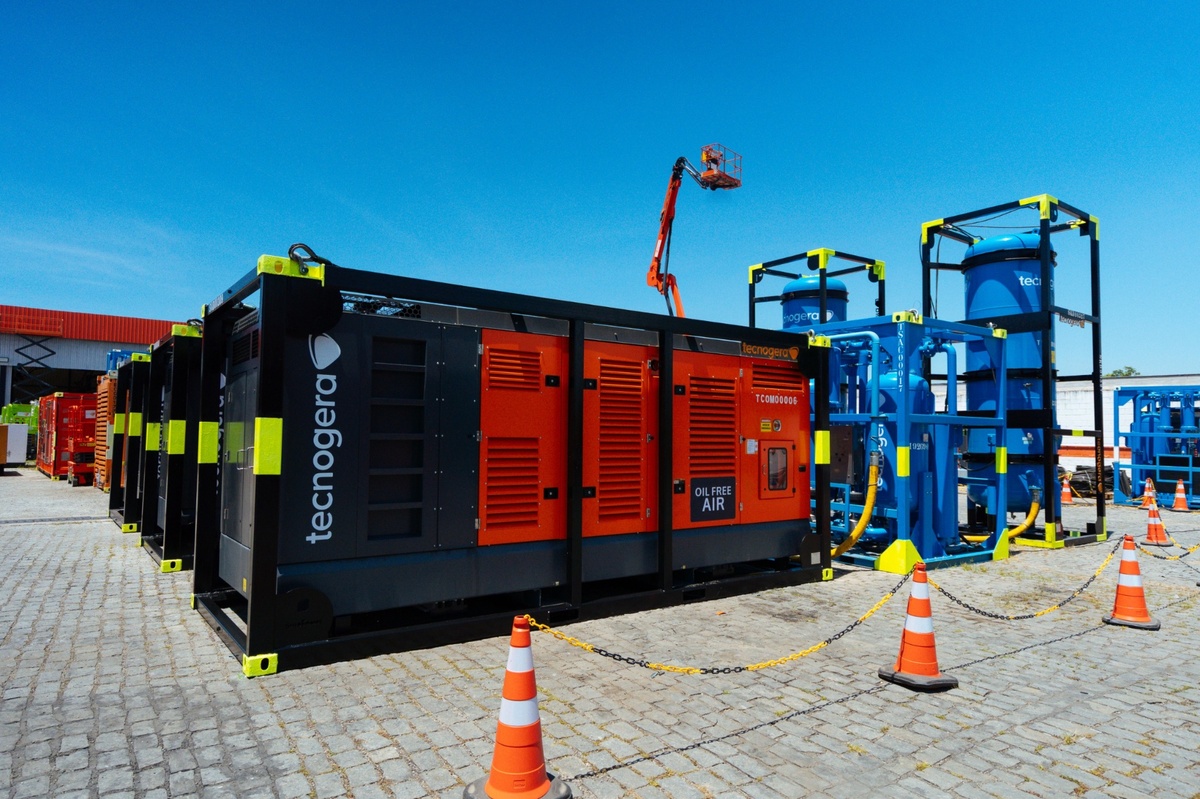

What seemed like a small-scale operation ended up being a smart move for the new owner.
The Turning Point: Gas in the Middle of the Forest to Generate Energy in Roraima
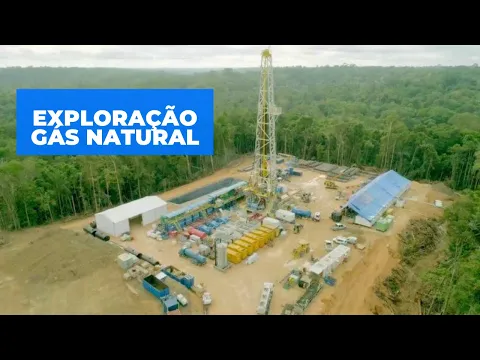
Starting in 2018, Eneva developed an ambitious project. The plan consisted of exploring the natural gas from the Azulão Field, liquefying it at a nearby plant, and transporting the LNG (liquefied natural gas) by truck to the Jaguatirica II Thermoelectric Plant, located in Boa Vista, the capital of Roraima — about 1,000 kilometers away.
The plant began operations in May 2021, with installed capacity of 141 MW, enough to meet up to 40% of Roraima’s demand. It was the first operation of its kind in Brazil: gas extraction, liquefaction, road transportation, and electricity generation fully integrated in remote areas of the Amazon.
Energy Independence for an Isolated State
Roraima was, until then, the only Brazilian state not connected to the National Interconnected System (SIN) of energy. Its electricity came mainly from Venezuela, through the Guri transmission line, which had faced instabilities since 2016.
The construction of the Jaguatirica II plant, with continuous supply from Amazonian gas, allowed reducing reliance on the neighboring country, ensuring energy security for the state and preventing frequent blackouts.
The project also brought reductions in costs and carbon emissions, as it replaced diesel-powered plants — more polluting and less efficient.
More Than Gas: Logistics, Innovation, and Value Generation at Azulão Gas Field
The case of the Azulão field shows that, with strategic vision and execution capacity, it is possible to transform assets considered secondary into engines of regional development.
The operation required logistical innovation: the LNG travels almost 1,000 km by road — something challenging even with adequate infrastructure. Each truck transports about 20 thousand liters of liquefied gas, and the operation is continuous, 24 hours a day.
The model has become a reference for the energy sector, showing that it is feasible to supply isolated regions with natural gas even without a pipeline, using liquid logistics and national technology.
Impressive Numbers
- Sale price of the field (2017): US$ 54.5 million
- Estimated production capacity of the Azulão field: 2.2 million m³/day
- Power of the Jaguatirica II Plant: 141 MW
- Distance from Azulão to Boa Vista: about 1,000 km
- Dedicated fleet for LNG transport: dozens of trucks with continuous operation
The total investment by Eneva in the project (field + liquefaction + plant) exceeded R$ 1.8 billion — which shows the company’s level of commitment and confidence in the technical and financial viability of the operation.
The Future: Replicate the Model in Other Regions?
The success of Azulão and the Jaguatirica II Plant has opened a new business front for Eneva and can serve as a model to bring gas and energy to other isolated points in the country — such as remote areas of the Amazon, Pantanal, and even regions of the Northeast with low integration into the SIN.
The company is already studying new projects that follow the same concept of integrated off-grid production, including possible expansion of Azulão’s capacity, depending on the behavior of regional energy demand.

Moreover, the strategy strengthens the diversification of the Brazilian energy matrix, incorporating domestic natural gas in places where previously only diesel was used or where there was unstable import dependence.
The Azulão field, which was sold by Petrobras for a price considered low in 2017, now shows that the value of an asset goes far beyond the sale price. The integrated operation led by Eneva has become a national reference in innovation, logistics, and energy efficiency.
More than just a business success story, Azulão represents a concrete solution to one of the main challenges of Brazilian infrastructure: bringing quality and stable energy to isolated regions, with controlled costs and reduced environmental impact.
It is an emblematic example of how the combination of strategic vision, efficient management, and the courage to innovate can transform an apparently modest asset into a high-impact solution for the entire country.









As negociatas brasileiras são divertidas. A Petrobrás dispõe de pessoal de área técnica bem como de tecnologia suficientes para saber de antemão a quantidade e a qualidade do petróleo existente no subsolo e o potencial de produção. Somente um **** vai acreditar que a Petrobrás vende campos de petróleo como quem vende uma plantação de mandioca, ou seja, sem saber exatamente o que tem debaixo da terra, se será lucrativo ou não.
No Brasil a regra é clara: sucatear e privatizar. O capitalismo é uma d3sgraç4 social/econômica.
Ele já era lucrativo e foi dado de presente durante governo entreguista… não foi “vendido por valor modesto”. Vergonha !!!