





 Portuguese
  English
  Spanish
  4 min of reading
  0 comments


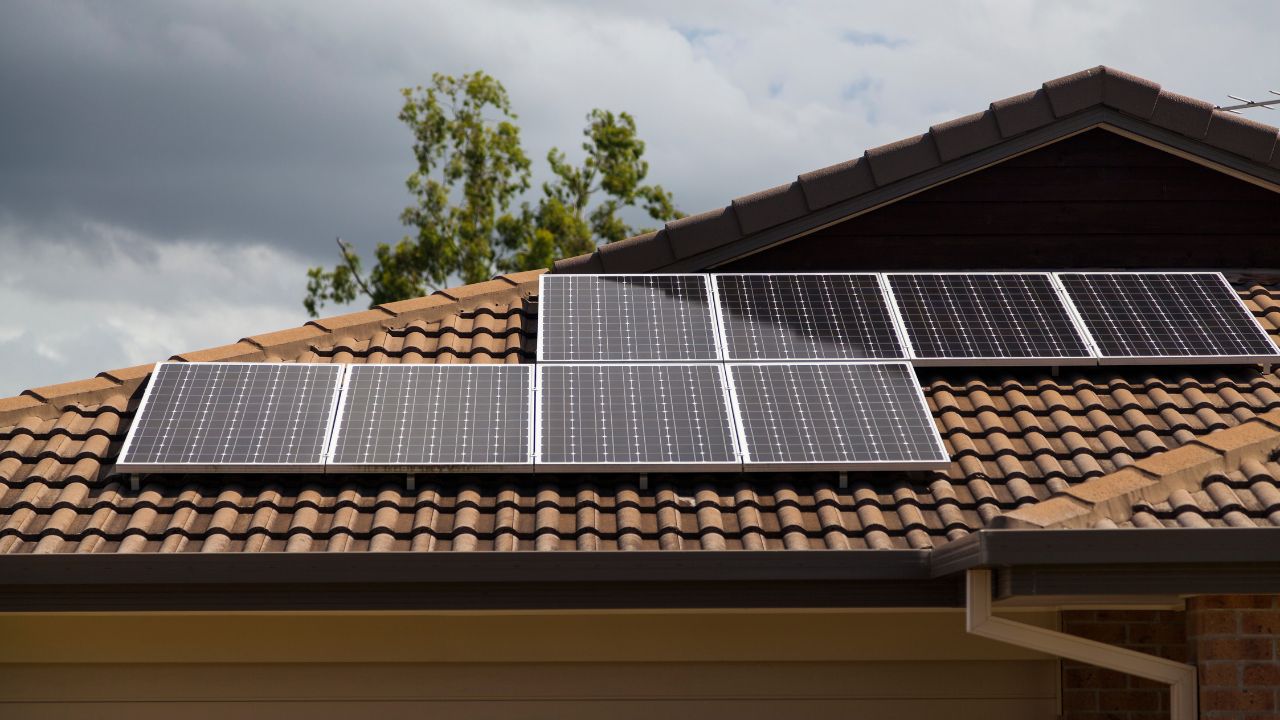
Shading In Photovoltaic Systems Can Cause Overheating, Loss of Efficiency, and Even Fires. Understand How This Happens and How BC Technology Helps Prevent Damage.
What few people realize is that a simple shadow—caused by leaves, dirt, or nearby structures—can put a solar energy system at risk. The problem, which involves both residential and commercial installations, occurs when part of the photovoltaic module receives less light, a situation that can lead to overheating and even fires.
The alert has been gaining strength after recent occurrences, such as the suspected case of a fire in a supermarket in Mato Grosso, identified in August 2025, where the solar system installed on the roof may have been the initial source of the fire.
This issue is not new but continues to affect thousands of installations. This happens because the shaded cell operates with a lower current than the rest.
-
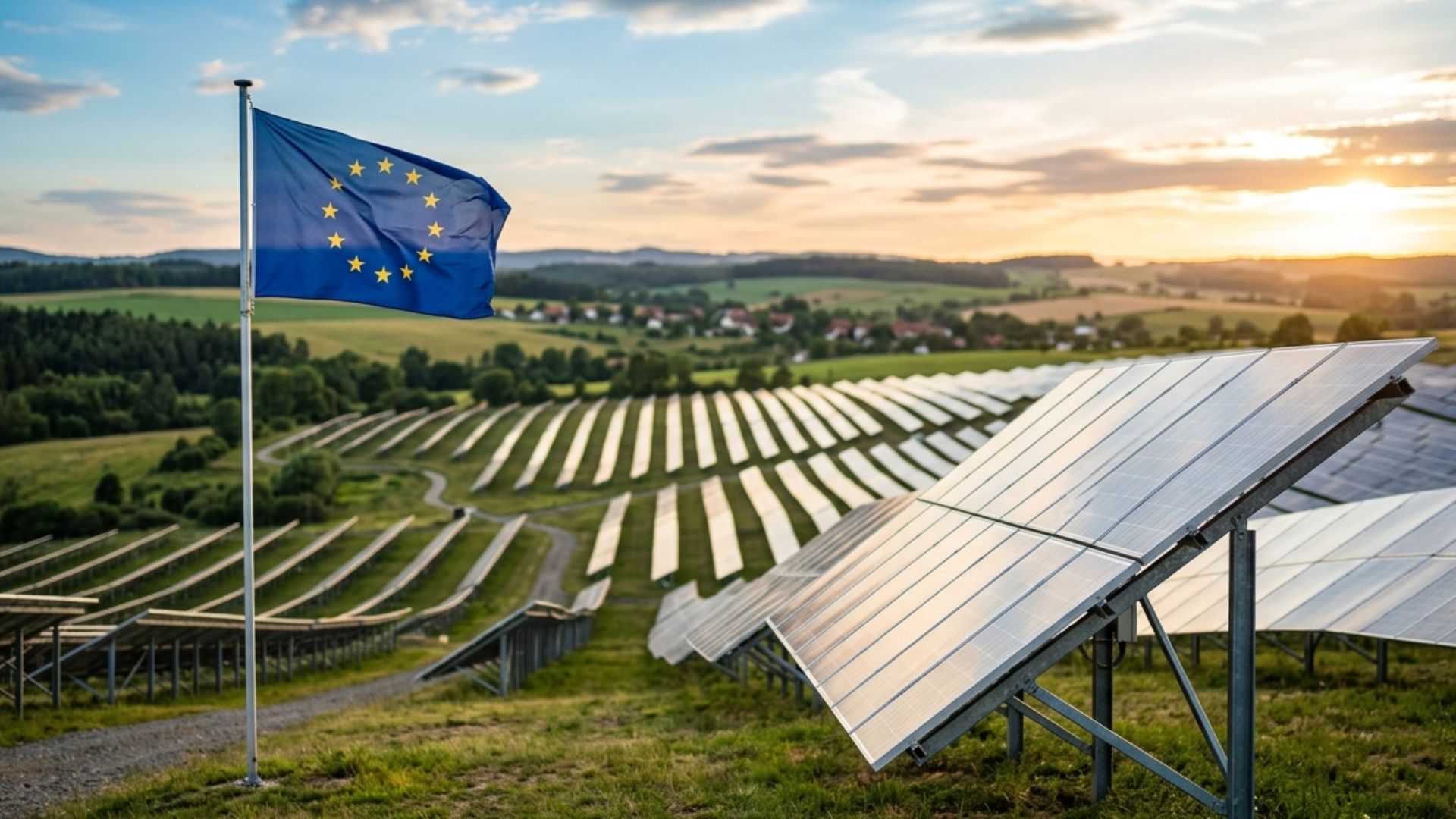
Europe records strong euro economy with solar energy in March and sparks curiosity about which country leads growth that redefines the energy market and reduces costs.
-
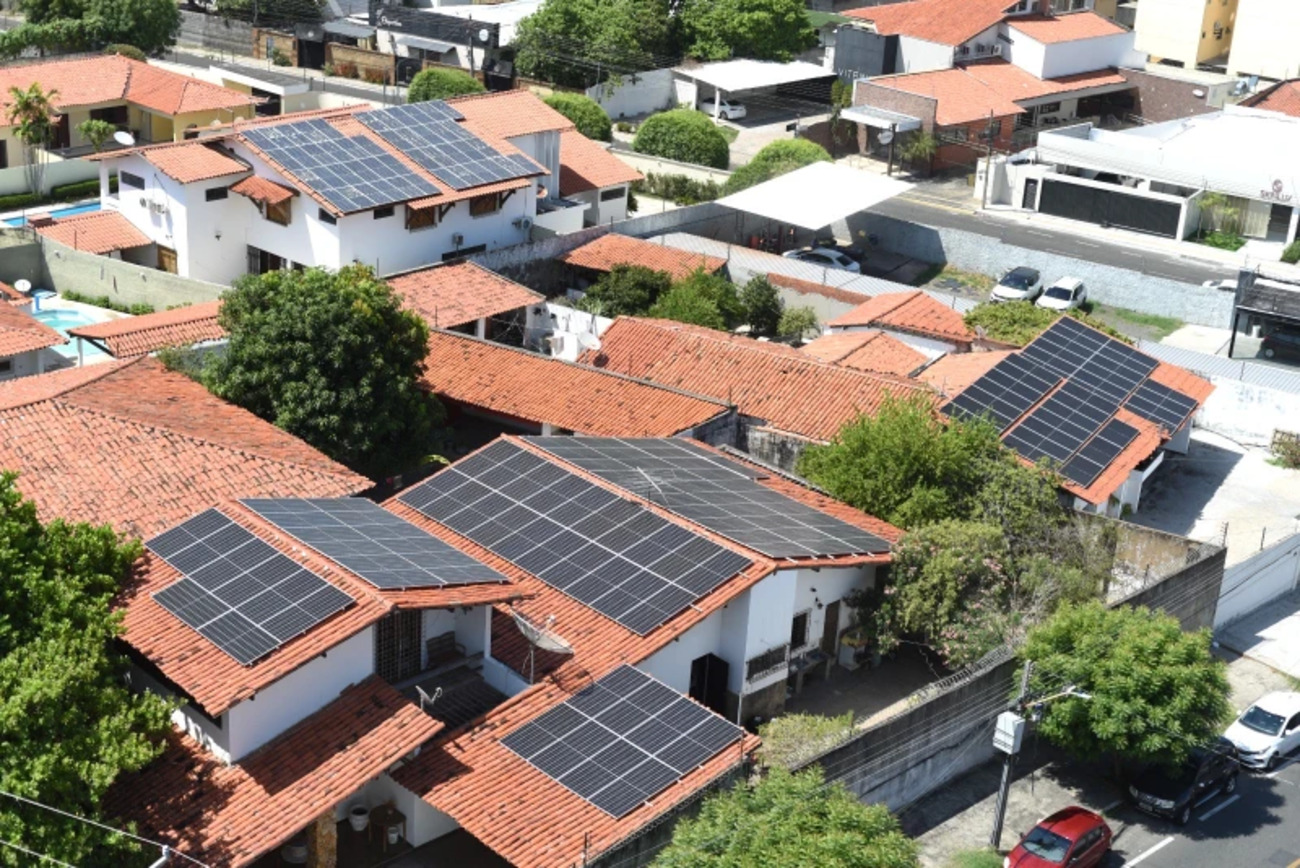
Piauí reaches a historic milestone in energy transition: State records nearly 160,000 households powered by solar energy and leads growth in the Northeast.
-
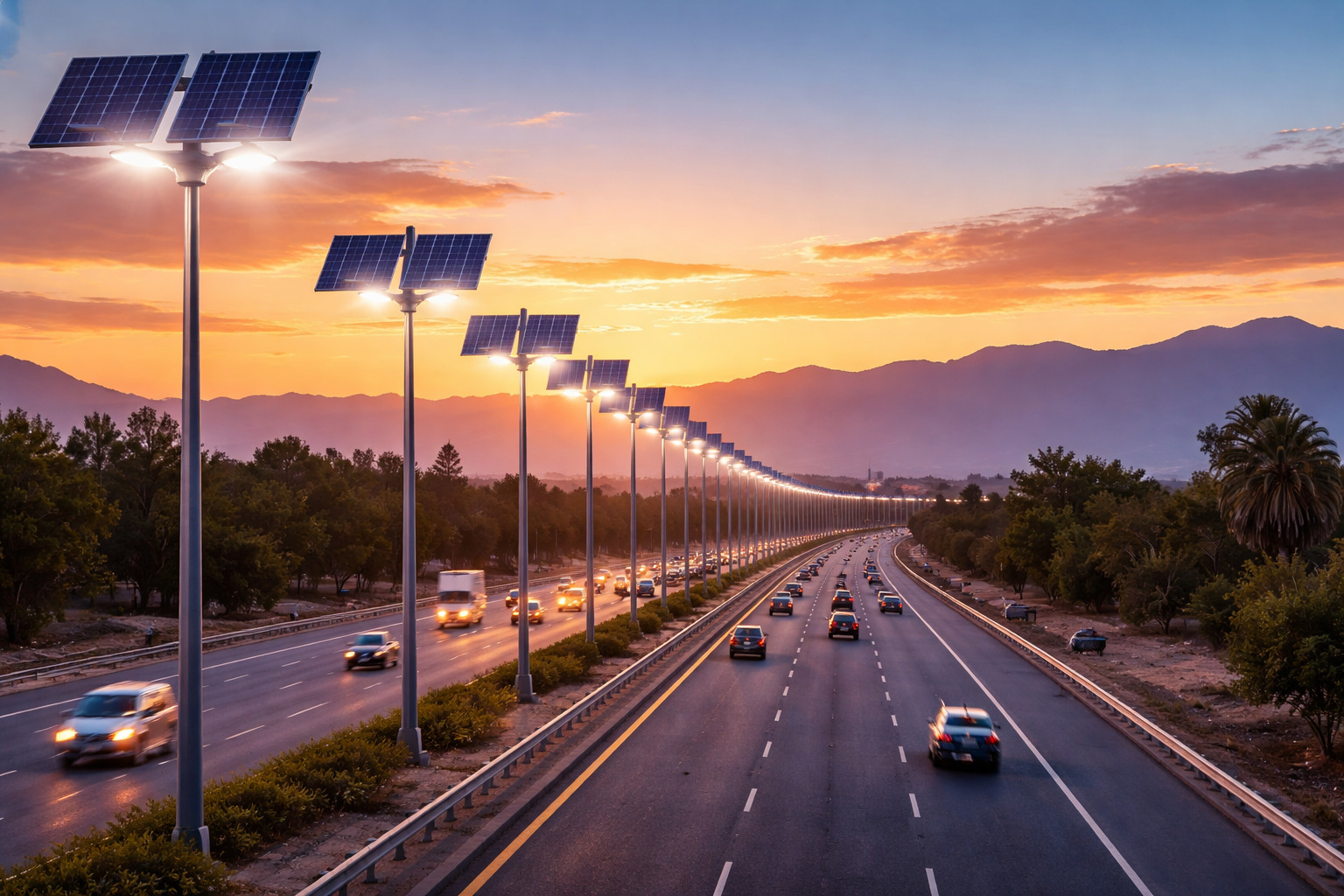
Argentina debuts its first 100% solar-powered highway and transforms an entire road into a showcase of clean energy.
-
Minas Gerais reaches a historic record and surpasses the power of Itaipu, but network costs generate debate: Understand why solar energy in MG impacts the electricity bill of those without panels.
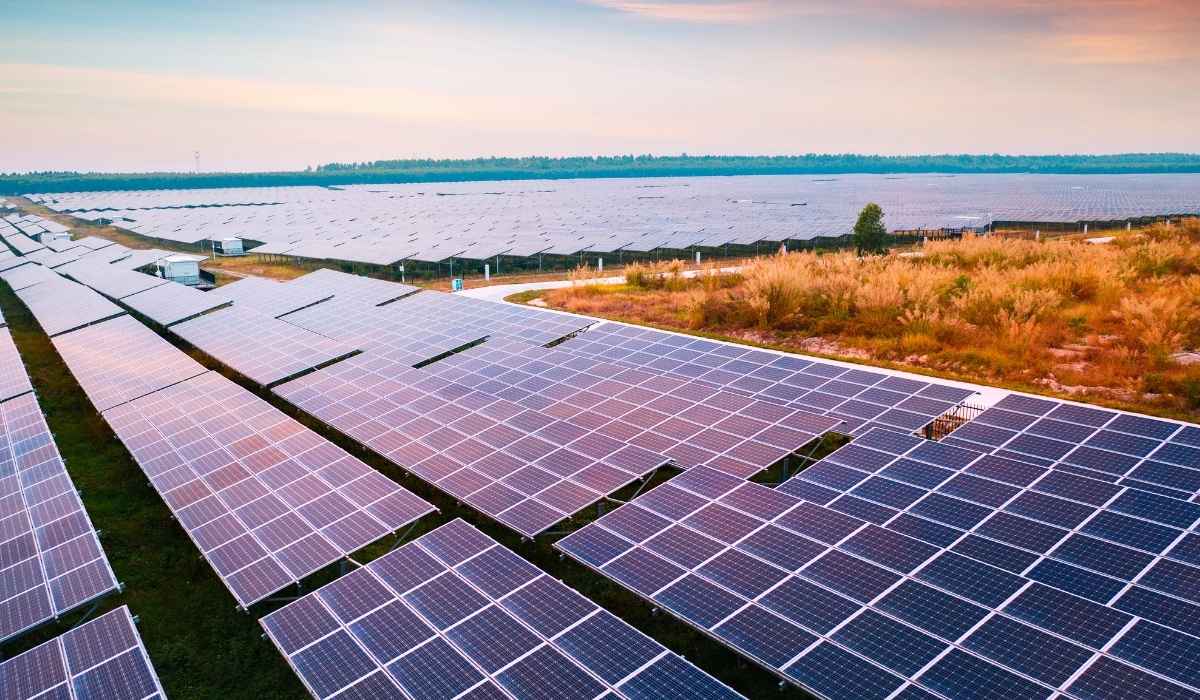

Thus, even unable to produce the same energy, it is “forced” to conduct the current of the entire string, creating a point of intense heat—the famous hot-spot—capable of exceeding 100 °C.
Therefore, the danger of shading in photovoltaic systems lies not only in the drop in generation but in the real risk of physical damage to the equipment and nearby structures.
Why Is Shading So Dangerous In Photovoltaic Systems?
In a typical solar panel, the cells are connected in series. This means that the performance of the entire set depends on the lowest performing cell.
When one of them is shaded, it limits the production of all the others.
Additionally, since this cell continues to conduct current even without receiving enough light, the heat generated concentrates in a single point.

This localized heating wears out the material, reduces its lifespan, and can lead to partial or total burning of the module.
Another aggravating factor is that shading does not need to be permanent to cause damage.
Moving shadows—like swaying branches, antennas, nearby walls, or accumulated dirt—can create constant variations in the electrical behavior of the module, increasing the risk of failures.
BC Technology: How It Reduces the Danger of Shading In Photovoltaic Systems
With the popularization of solar energy, the industry has been seeking solutions to minimize the risk of hot spots.
One alternative is the use of modules with BC (Back Contact) technology.
Unlike traditional modules, it shifts the electrical contacts to the back of the cells, allowing for a more efficient and safe flow of current.
Among the most relevant benefits are:
Automatic Current Bypass
In BC modules, when a cell is shaded, the current simply avoids that area. This drastically reduces the chance of overheating.
Reduction of Reverse Current
The technology limits the return of energy to shaded cells, preventing them from becoming critical heat points.
Lower Temperatures in Shaded Areas
Comparative tests show that BC modules maintain temperatures up to 80 °C lower than traditional modules under the same conditions. In extreme situations, the hot spot in these modules did not exceed 110 °C—a limit considered safe to avoid fire risks.
These factors make these modules a safer option, especially for installations subject to frequent partial shading.
Why Has Choosing Safer Modules Become a Priority?
The advancement of solar energy in Brazil has demanded more than just performance.
Today, safety and durability are essential criteria to avoid losses—both financial and structural.
Since photovoltaic systems are expected to operate for more than 20 years, any risk of thermal failure can compromise the entire installation.

Therefore, the search for equipment capable of minimizing critical heating points is increasing.
Modules with BC technology have been pointed out as a promising path to enhance reliability, especially in urban environments where the chances of partial shading are greater.
How to Avoid Fire Risks in Solar Panels
Those looking to install solar energy should consider factors such as:
- preliminary shadow analysis throughout the day and year;
- choosing safer modules, preferably with BC technology;
- regular cleaning to avoid accumulated dirt;
- periodic pruning of nearby trees;
- electrical design that considers the behavior of shadows.
The danger of shading in photovoltaic systems goes far beyond decreased productivity.
It involves real risks of overheating and fire, potentially causing serious damage to properties and equipment.
Therefore, understanding this phenomenon and choosing safer technologies—such as BC—is essential for those looking for an efficient, stable, and durable system.
With information from Canal Solar







Seja o primeiro a reagir!