





 Portuguese
  English
  Spanish
  5 min of reading
  9 comments


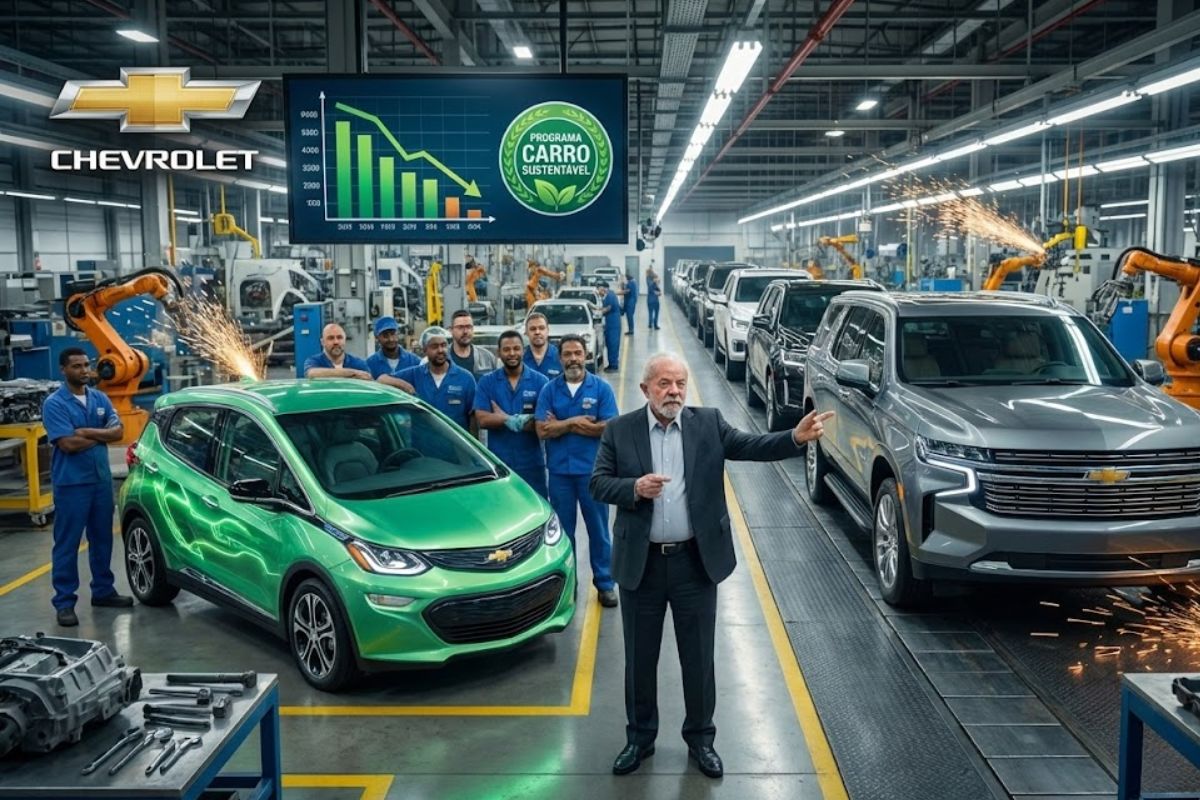


Lula Inaugurated the Production Line of the Electric Chevrolet Spark in Ceará, Pressured Automakers, Called for Affordable Cars for SUV Producers, Advocated for Better Income, and Bets on the Sustainable Car Program to Unlock Sales and Lower Average Prices in Brazil and Bring Cars Closer to Workers Again
According to the Estadão portal, posted on Friday, December 5, 2025, Lula turned the inauguration of the production line of the electric Chevrolet Spark at the Pace factory into a stage to pressure the industry to deliver cars that are affordable for workers. In front of workers and executives, the president signed the model assembled in Brazil and reiterated that those who manufacture SUVs need to be able to purchase their own cars.
The speech occurred at a time when the dream of owning a car has turned into a luxury for a large part of Brazilians. Since 2016, the average car price has jumped from R$ 70,900 to R$ 159,684 in 2025, an increase of 125%, well above the 63.9% inflation rate. At the same time, the government launched the Sustainable Car program in July of this year and saw, in 2025, the first significant deceleration: the public price of vehicles increased by 2.4%, below the IPCA of 3.64%, while cars under the program had sales 74% higher than others in October.
Lula Demands That SUV Producers Be Able to Buy Cars
At the event on December 5, 2025, Lula raised the stakes regarding access to new cars.
-
The true reason behind the Mercosur and European Union agreement is not in supermarkets or factories but rather buried in Brazilian soil in the form of rare earths and strategic minerals that the entire world desperately needs for the future.

-
Everyone has started talking about the end of the minimum retirement age in Brazil — but has this “silent change” really happened, or are we facing one of the biggest recent rumors about the INSS?

-
Contactless payments in 2026 soar in Brazil, exposing new invisible fraud gaps and forcing users to double their security precautions with contactless cards.

-
End of Sunday shopping: one state has already prohibited supermarkets from operating on the day of rest, and more regions in Brazil may join by 2026.
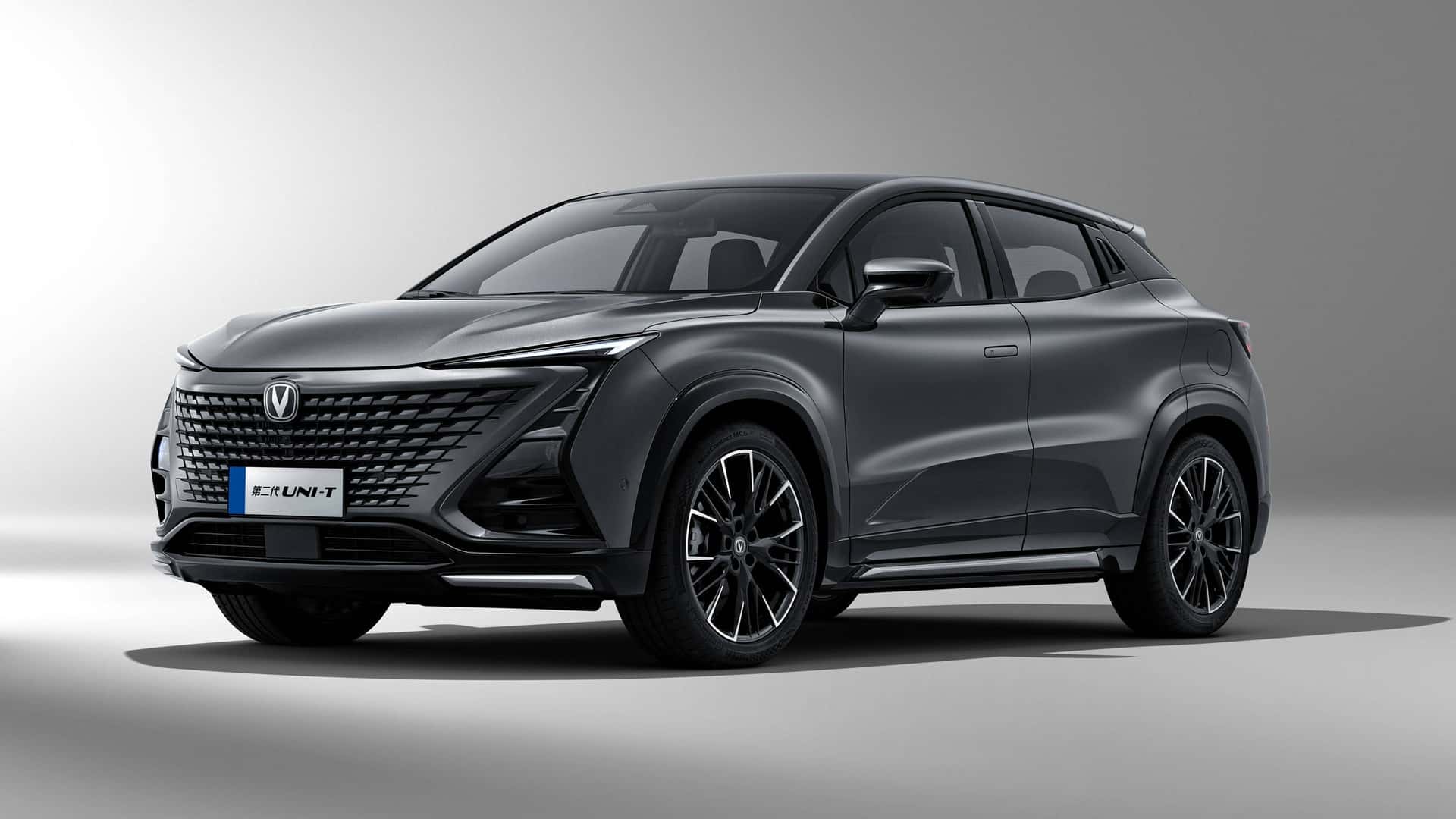
Pointing to the Chevrolet Spark on the newly inaugurated line, he stated that “those who make these beautiful SUVs need to be able to buy them”, directly linking the factory showcase to the wallets of those on the production floor.
He emphasized that the automotive industry’s primary focus should be on Brazilians, not just on exports.
The country is now the eighth largest vehicle market in the world and is expected to reach 2.76 million units in 2025, including cars, light commercial vehicles, trucks, and buses, according to Anfavea.
For the government, producing beautiful cars is not enough if they do not reach the worker’s garage.
The president also linked the discussion on affordable cars to income distribution.
By stating that “we work to have access to the things we produce,” Lula indicated that, without better salaries and lower prices, the car tends to remain a symbol of exclusion, rather than social mobility.
Car Prices Have Doubled and Turned into Luxury in Less Than Ten Years
Lula’s remarks are based on a harsh reality for those dreaming of owning their own car.
A survey by Bright Consulting shows that the average car price has more than doubled since 2016, rising from R$ 70,900 to R$ 159,684 in 2025.
In percentage terms, the jump of 125% far exceeds the 63.9% inflation during the period.
The trend was not linear. Until 2019, car price adjustments were moderate.
Starting in 2020, however, the rise accelerated due to pandemic-related supply shocks, currency devaluation, rising industrial costs, and high demand within a tight supply environment.
Cars became more expensive just when Brazilians had less room in their budgets, pushing many families into delays or giving up their dreams.
Nonetheless, 2025 marks a small turning point. For the first time in five years, the public price of vehicles rose less than inflation.
Cars increased by 2.4%, while the IPCA reached 3.64%.
While it is still a high level and far from the average person’s wallet, the brake on the escalation opens up space to discuss whether cars can return to being a life project, rather than just a dealership showcase.
Sustainable Car as a Showcase of Green Industrial Policy
In an effort to reconnect cars and purchasing power, the government launched, in July of this year, the Sustainable Car program, under the Mover industrial policy, aimed at Green Mobility and Innovation.
The strategy is to use taxes as a lever: there is a reduction of IPI for entry-level national cars, with low CO2 emissions and high recyclability rates.
The declared aim is to make this type of car cheaper, boost local production, and accelerate the energy transition in the automotive sector.
According to Anfavea, the effect appeared quickly: in October, sales of the cars under the program were 74% higher than those of other vehicles, a sign that when prices help, consumers respond.
In the view of the Planalto, the Sustainable Car should serve as a laboratory for a new cycle of affordable cars, especially among compact electrics like the Chevrolet Spark.
Lula’s pressure on automakers is for the benefit of tax relief to translate into real price reductions for cars at the end, and not just easing margins for companies.
Ceará on the Route of Electrification, SUVs, and the Promise of Cheaper Cars
The choice of Ceará for the event on December 5, 2025, is not accidental.
The state has been positioning itself as a hub for investments in electrification and SUVs, attracting automakers interested in new projects.
The production line of the Chevrolet Spark assembled in Brazil reinforces the image of a Northeast region engaged in the transition to electric vehicles.
For the government, concentrating investments in regions that still have strong pent-up demand for cars is a way to tackle two problems simultaneously: to expand industrial employment and bring workers closer to new cars.
If the production of electric cars and SUVs grows with the support of the Sustainable Car and Mover programs, the hope is that increased scale will help dilute costs and push the final car price down.
The Dream of Owning a Car Remains in Dispute
Even with the first signs of price deceleration and the boost from the Sustainable Car program, cars remain distant from the reality of many families.
The average value near R$ 160,000 still places new cars at a luxury tier, while salaries and credit advance at much slower rates.
By pressuring automakers on December 5, 2025, and repeating that those who produce SUVs need to be able to buy cars, Lula seeks to make the issue a central point of the economic and industrial agenda.
Whether the combination of tax incentives, compact electrics, and increased income will be enough to bring cars back into the workers’ budget remains an open question.
In your opinion, what should be the fair price for a new car for workers to fulfill their dream of owning a car in Brazil?






É impressionante a capacidade de terceirizar a culpa,esse cenário que ele descreve,é 100% culpa deles,dependendo do veículo, o governo come quase 50% do valor final em imposto, essa declaração é um escárnio.
Pra esse Demagogo é fácil falar , usa cartão corporativo pra gastar milhões com sigilo de 100 anos , não paga nada , seu filho de um tombo na Receita Federal em Impostos e foi morar em Madri , esse **** rabugento aumentou tanto imposto em 3 anos de governo que mal sobra para o brasileiro comer, como sonhar com carro novo bancando a vida de MARAJÁ desse vadio .
Um Suv médio deveria custar no máximo 100 mil.