





 Portuguese
  English
  Spanish
  3 min of reading
  0 comments


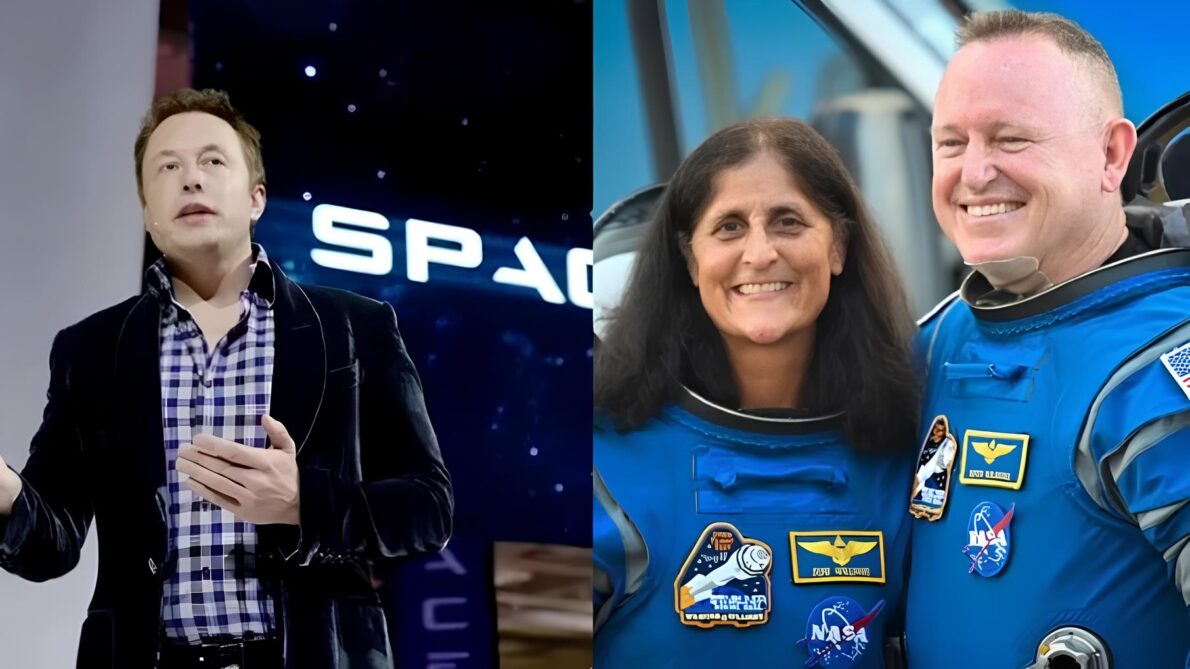
With a Critical Situation in Orbit, NASA Faces an Unprecedented Challenge: Astronauts Trapped in Space Without a Return Date. SpaceX, Led by Elon Musk, Emerges as the Hope of Rescue, Preparing an Emergency Mission That Could Change the Course of This Story and Bring the Astronauts Back Safely.
In recent months, a series of events at the International Space Station (ISS) has drawn the attention of the world. With a technical problem that is not yet fully understood, NASA finds itself in a delicate situation: astronauts are trapped in space, and their return to Earth has no defined date. Meanwhile, SpaceX, owned by billionaire Elon Musk, emerges as a potential solution to bring these professionals back to the planet. The scenario is complex, and the decisions made in the coming weeks could determine the future of these space missions.
Technical Challenges: NASA’s Stalemate
Since the astronauts became trapped at the ISS, NASA has been working tirelessly to solve the technical problem preventing their safe return to Earth. The main issue involves the integrity of the systems of the spacecraft that should bring them back, raising concerns about the safety of the astronauts during re-entry into the Earth’s atmosphere.
NASA is meticulously analyzing every detail of the spacecraft’s systems to ensure there are no risks during the return process. Discussions among engineers and scientists have been intense, with all eyes on finding a solution to this critical problem. However, uncertainty about when these astronauts will be able to return home remains.
-
Goodbye pet hair on clothes: a washer with an internal filter promises to remove up to 5 times more hair than regular machines and uses an XL trap dryer system to capture what remains.

-
The most overlooked waste in the electricity bill doesn’t come from the refrigerator or the air conditioner; it escapes through almost invisible cracks in doors and windows, operating all day long and can steal up to 20% of the energy used for climate control, while a low-cost seal takes just a few hours to eliminate this loss.

-
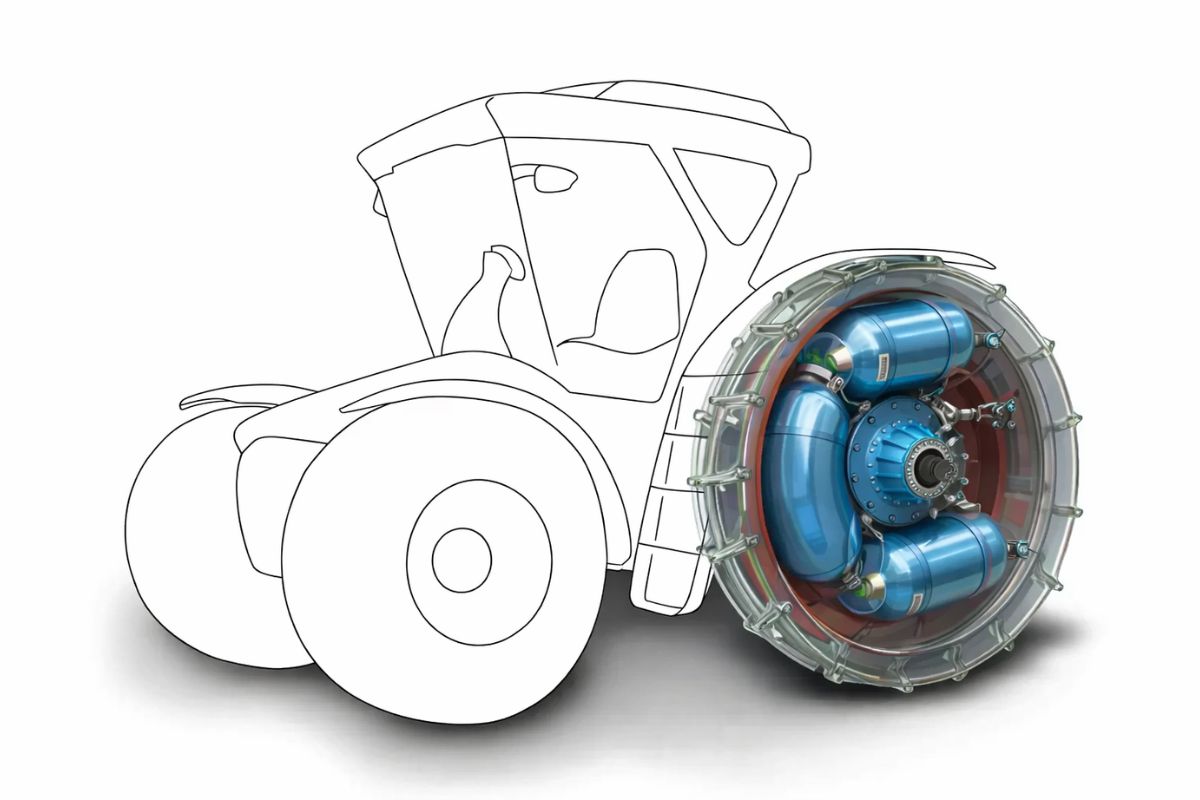
German engineers had an idea that no one had tried before: to hide the hydrogen tank inside the tractor’s wheels so that the machine can operate all day in the field without needing diesel.
-
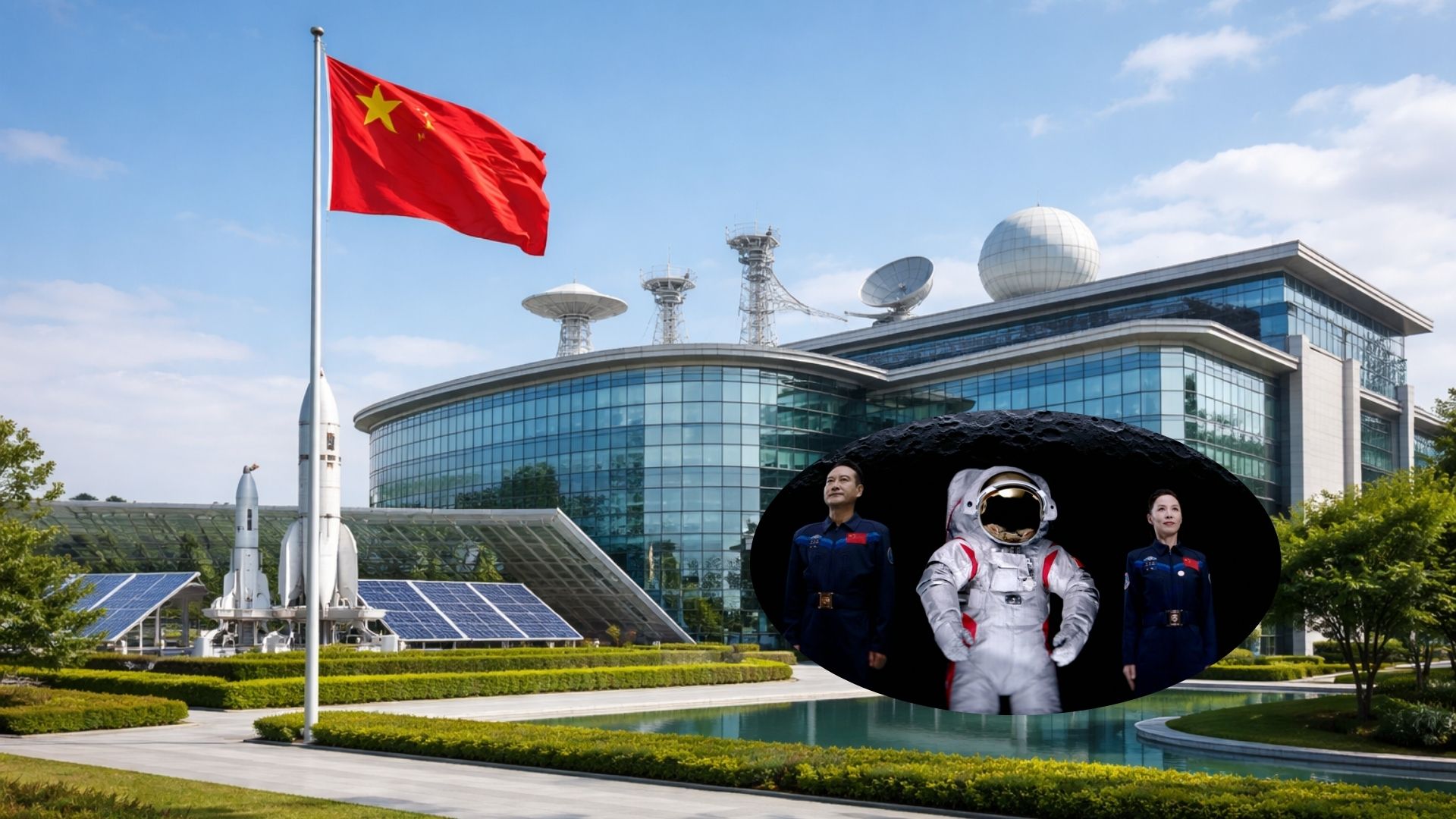
China has created its first space exploration school, an academic structure with 14 areas, 22 new subjects, and a focus on interstellar propulsion to prepare for missions beyond the Moon and Mars.

The SpaceX Solution: A Viable Exit?
With NASA’s inability to determine a safe date for the astronauts’ return, SpaceX has emerged as a potentially viable alternative. The company, led by Elon Musk, has already proven its ability to carry out complex and safe missions in space, making it a strong candidate for this rescue operation.


SpaceX operates a fleet of Dragon spacecraft, which have been used to transport cargo and astronauts to the ISS. Now, the discussion revolves around the possibility of adapting one of these spacecraft for the safe return of the astronauts to Earth. Talks between NASA and SpaceX are underway, and both parties are evaluating the pros and cons of this operation.
However, even with SpaceX offering an alternative, the process is still delicate. Adapting a previously planned mission for a rescue involves a series of technical and logistical challenges that must be overcome before any final decision.
The Impacts on Public Confidence and the Future of Space Missions
The situation of astronauts trapped in space affects not only the involved space agencies but also public confidence in space missions as a whole. In recent years, there has been a significant increase in interest in crewed missions to space, both from government agencies and private companies.
However, incidents like this can shake public perception of the safety of these missions. NASA and SpaceX, aware of this issue, are working hard to ensure that the astronauts’ return is carried out with complete safety, avoiding any incidents that could tarnish the reputation of these missions.
The future of crewed space travel may be influenced by how this situation is resolved. A successful rescue operation could bolster public and agency confidence in future missions, while a negative outcome could raise concerns and questions about the viability of such operations.
The Lessons Learned and the Process of Continuous Improvement
Regardless of the outcome, the current situation will serve as an important lesson for all parties involved. NASA, SpaceX, and other space agencies around the world will need to thoroughly analyze every aspect of this mission, identifying where failures occurred and what can be done to prevent similar situations in the future.
This learning process is essential for the advancement of space missions. Space exploration involves inherent risks, and each mission brings new discoveries and challenges. The important thing is that, with each problem faced, the involved agencies can refine their processes and technologies, ensuring that future missions are even safer and more efficient.







Seja o primeiro a reagir!