





 Portuguese
  English
  Spanish
  5 min of reading
  0 comments


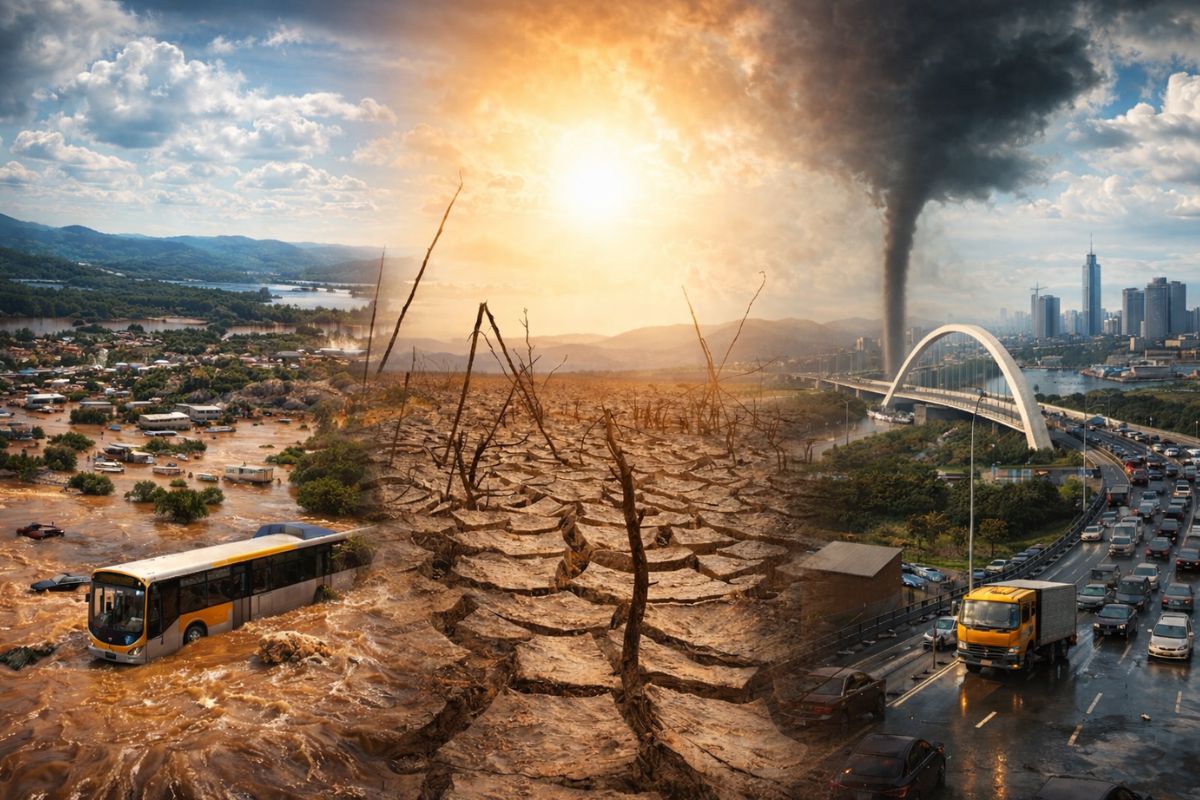
The El Niño that is forecasted for 2026 and 2027 could warm the waters of the Pacific above 2 degrees, causing severe droughts in northern Brazil, floods in Peru, heatwaves in Europe, and excessive rainfall with frequent storms in southern Brazil, where meteorologist Piter Scheuer already predicts floods and cyclones
The latest climate projections indicate the possibility of a super El Niño forming as early as this year, and if confirmed, it could be the strongest recorded in the last 140 years in the Pacific Ocean. The phenomenon has the potential to push the planet to record temperatures until 2027, with severe impacts in almost all regions of the world. This assessment is based on data from the European Centre for Medium-Range Weather Forecasts and reinforced by Professor Paul Roundy from the State University of New York at Albany.
According to information from the portal ndmais, for Brazil, the effects of El Niño are expected to be felt starting in June. Meteorologist Piter Scheuer warns that the southern part of the country will experience above-average rainfall, with frequent risks of floods, inundations, flash floods, severe storms, and even cyclones while northern Brazil may face prolonged droughts. The El Niño that is being announced is not just any weather event; it is a phenomenon with the potential to mark the meteorological history of the planet.
What makes this El Niño different from all previous ones
The so-called super El Niño differs from traditional events by exhibiting warming of more than 2 degrees Celsius in the equatorial Pacific waters.
-
Finland has created a giant sand battery that stores clean energy for months and promises to revolutionize the global electricity market.

-
New technology transforms ethanol into airplane fuel, promises large-scale production and cheaper fuel to ‘save’ the growing global demand by 2050.

-
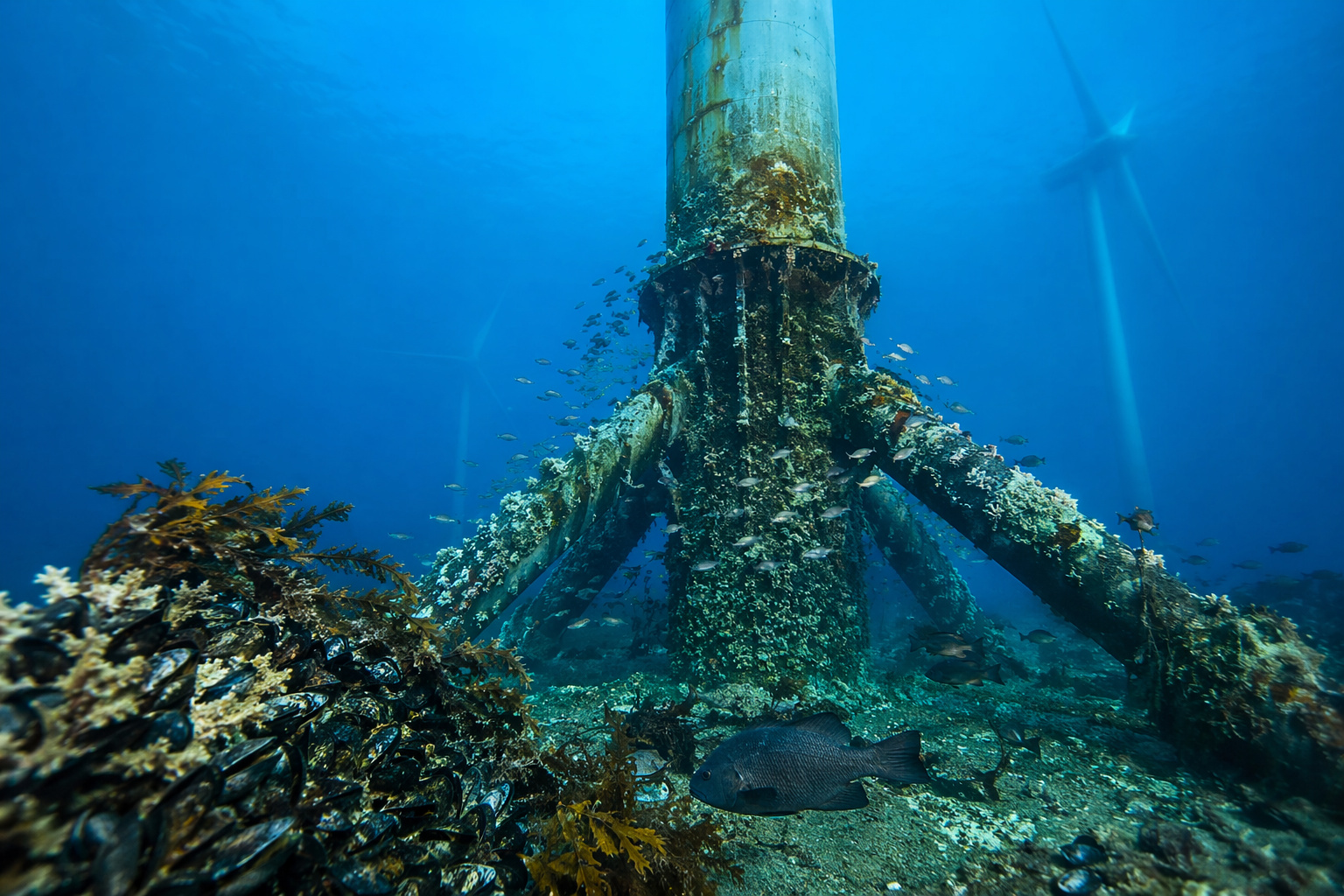
It seemed like just a clean energy project in the ocean, but over time offshore turbines began to provoke something unexpected: lifeless areas started to fill with species and form new ecosystems.
-
It seemed like just a clean energy project in the ocean, but over time, offshore turbines began to provoke something unexpected: lifeless areas started to fill with species and form new ecosystems.
This warming intensifies atmospheric responses and amplifies climate impacts on a global scale; it is as if the entire planet’s climate system were being reprogrammed for several months. Phenomena of this magnitude are rare and typically occur at intervals of 10 to 15 years.
What worries scientists is that the current scenario indicates potential for an event even more extreme than previous super El Niños.
Professor Paul Roundy highlighted the concrete possibility of a historic episode between 2026 and 2027, which would place this El Niño at an unprecedented level of intensity. Intense El Niño events release enormous amounts of heat from the ocean into the atmosphere, directly contributing to the rise in global average temperature. In this context, 2027 emerges as one of the main candidates to set new world heat records.
The global effects that the super El Niño may cause
The list of anticipated impacts is extensive and affects all continents. In South America, El Niño may cause severe droughts in Central America and northern Brazil, while countries near the equator, such as Peru and Ecuador, would face intense rainfall with the risk of devastating floods.
In Central Africa, Australia, Indonesia, and the Philippines, the trend is for prolonged drought; regions already suffering from water scarcity may reach critical levels.
Heatwaves are expected to intensify in broad areas: southern United States, Europe, Africa, Middle East, and India. El Niño also alters tropical storm patterns: cyclone and typhoon activity tends to increase in the Pacific, while the Atlantic may see a reduction in hurricane formation.
It is a reorganization of global climate systems that affects agriculture, infrastructure, public health, and the economy of dozens of countries simultaneously.
How El Niño will impact Brazil starting in June
The southern region of Brazil is the most vulnerable to the direct effects of El Niño. According to meteorologist Piter Scheuer, the phenomenon is expected to start influencing the weather from June, increasing the frequency of cold fronts and low-pressure systems.
“Cold fronts and low-pressure systems are more frequent in June. Rain showers, storms, and severe weather are much stronger and more active during this period,” warns the specialist.
Rainfall is expected to be above average in the states of Rio Grande do Sul, Santa Catarina, and Paraná, especially during the winter months. Scheuer is direct about what to expect: “The southern Brazil will have rainfall close to or above average, floods, inundations, flash floods, floods, storms, and severe weather quite frequently.”
The meteorologist also predicts the possibility of cyclones later on. For those who experienced the floods in Rio Grande do Sul in 2024, the warning is particularly concerning; a super El Niño could intensify scenarios that the state has already shown it is unprepared to face.
What the next months will define about this El Niño
The projections still need to be confirmed. The formation of a super El Niño depends on a series of oceanic and atmospheric conditions that will be monitored in the coming months.
But the fact that multiple independent sources—the European Centre for Medium-Range Weather Forecasts, American universities, and Brazilian meteorologists—converge on the same scenario significantly increases the likelihood that the El Niño of 2026-2027 will indeed be an extreme event.
If confirmed as the strongest in 140 years, the impact will be felt not only in the climate but in the global economy.
Crops destroyed by drought in some regions and by floods in others, disrupted supply chains, and soaring energy costs—all of these are direct consequences of a super El Niño that humanity will need to face.
The planet has already set consecutive temperature records in recent years. This El Niño could be the push that drives thermometers to levels that no living generation has ever witnessed.
Are you worried about the effects of this possible super El Niño in Brazil? How is your region affected in years of strong El Niño? Share in the comments.







Seja o primeiro a reagir!