






 Portuguese
  Spanish


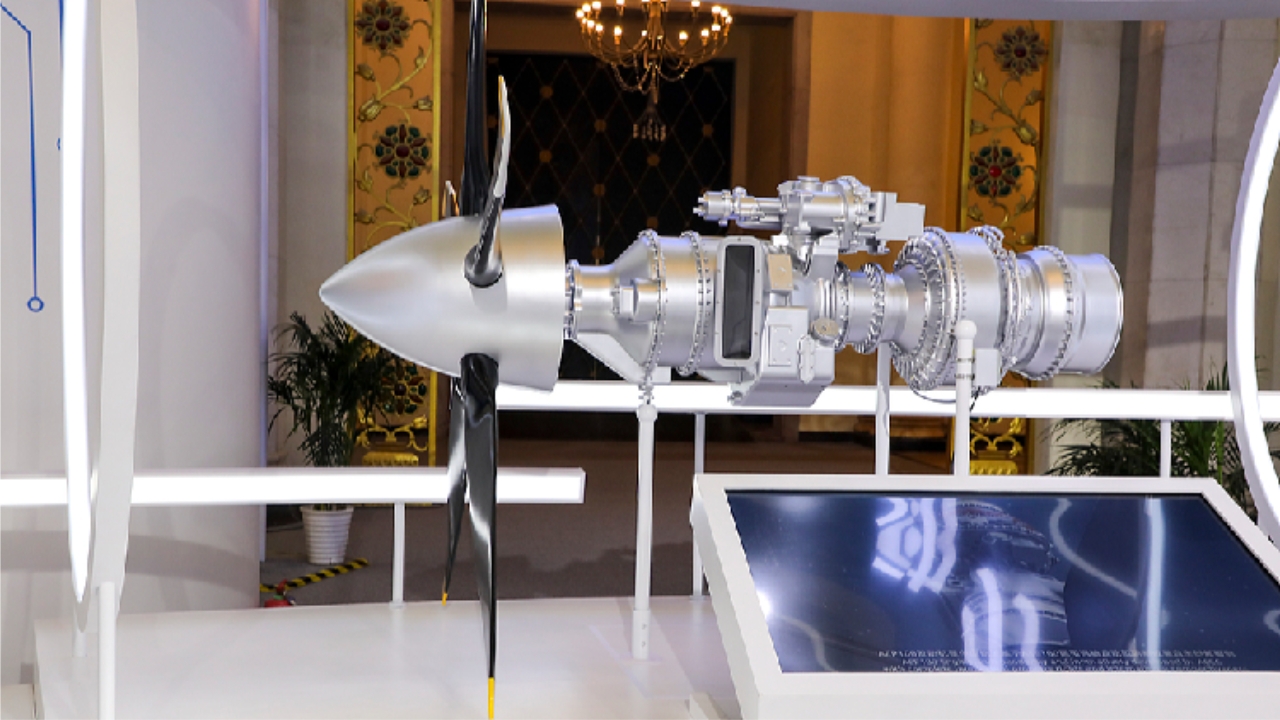

The Chinese test gained weight by using a 7.5-ton hydrogen-powered aircraft in real flight, uniting production, integration, and operation in a move that shakes up the global energy race
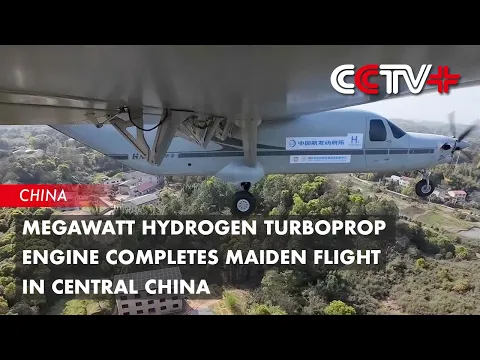
China conducted a test that elevates hydrogen to a new level within aviation. An unmanned cargo aircraft, weighing 7.5 tons, completed a 16-minute flight using a megawatt-class turboprop engine.
The result draws attention because the experiment moved from the realm of theory to real operation. In practice, the test shows that the quest for aviation with lower emissions is beginning to gain scale and more concrete applications.
16-minute flight took the aircraft to 36 km
During the trial, the aircraft traveled 36 km and reached a maximum speed of 220 km per hour. The operation took place at 300 meters altitude, within a typical environment for initial testing and validation.
-
2,000-Year-Old Gold Rings Found with Human Bones in Thailand Reveal Rare Burial and Feature Ancient Indian Inscription

-
Lenovo Unveils Legion Y700 Tablet with RGB Backlighting, 5G, and SIM Card Support

-
World’s First Nuclear Hydrogen Unit Begins Operation: Copper-Chlorine Technology with Initial Capacity of 150 Liters per Hour, Aiming for 3,000 Liters per Hour
-
Mechanics Retrofit Old Fiat Uno with BYD Electric Motor for Silent, Low-Voltage Operation Reaching Nearly 60 km/h in Home Test



The most important data is that the system operated stably throughout the entire journey. With no significant failures recorded, the flight reinforces that the engine can already respond under real usage conditions.

An unmanned cargo aircraft weighing 7.5 tons, equipped with the AEP100, a hydrogen turboprop engine independently developed by China, completed its maiden flight on Saturday at an airport in Zhuzhou, in the Hunan province, in central China.
Test in Zhuzhou indicates a leap beyond the laboratory
The advancement is not just in the engine. What weighs in this movement is the complete integration between design, aircraft adaptation, and in-flight operation, something that brings the technology closer to more practical uses.
When a solution of this magnitude leaves the laboratory and enters the sky, the sector begins to look at another scale. This affects the outlook on the future of emission-free aviation and the upcoming investments in the industry.
Hydrogen gains space where reducing emissions is more difficult
Aviation is among the most complex sectors of the energy transition. Sustainable fuels help, but they still do not completely eliminate emissions at the point of use.
With hydrogen, the promise is different. In engines or fuel cells, the main byproduct is water vapor, which increases interest in this route for operations that require high energy and competitive range.
Cost, storage, and safety still set the pace
The challenge remains significant. Hydrogen requires its own infrastructure, more complex storage systems, and strict safety measures, in addition to occupying more volume than kerosene to deliver comparable energy.
According to an unnamed source in the material provided, the project also involves consolidating a technological chain that includes production with renewables, storage, transportation, refueling, and new aeronautical components. This point is central because the bottleneck is often not just in the engine, but in the entire surrounding structure.

First applications should emerge in regional air logistics
The initial use is not expected to appear in long commercial flights. The most likely scenario is in low altitude operations, focusing on unmanned cargo transport, connections between islands, servicing remote areas, and regional aviation.
This approach makes sense because it reduces pressure on range, capacity, and infrastructure. By starting with shorter routes and more flexible operations, the technology gains space to mature without promising more than it can deliver.
Effect may reach other transport and energy sectors
The impact is not limited to airports. Solutions created for aviation can accelerate advancements in maritime transport, heavy industry, energy generation, and long-distance land mobility.
When materials, storage systems, and efficiency evolve at this level, the effect tends to spread. The Chinese test shows more than a successful flight and changes the strategic reading on hydrogen in hard-to-decarbonize sectors.
The combination of 36 km, 16 minutes, and a 7.5-ton aircraft does not alone solve the future of aviation. But it indicates that the technology is beginning to move from discourse to a phase with concrete signs of application.
If the costs of green hydrogen continue to fall and infrastructure advances at the same pace, the competition for leadership in this area may gain new industrial and energy weight. This pressures the aviation sector and repositions the global technological race.


