





 Portuguese
  English
  Spanish
  3 min of reading
  0 comments


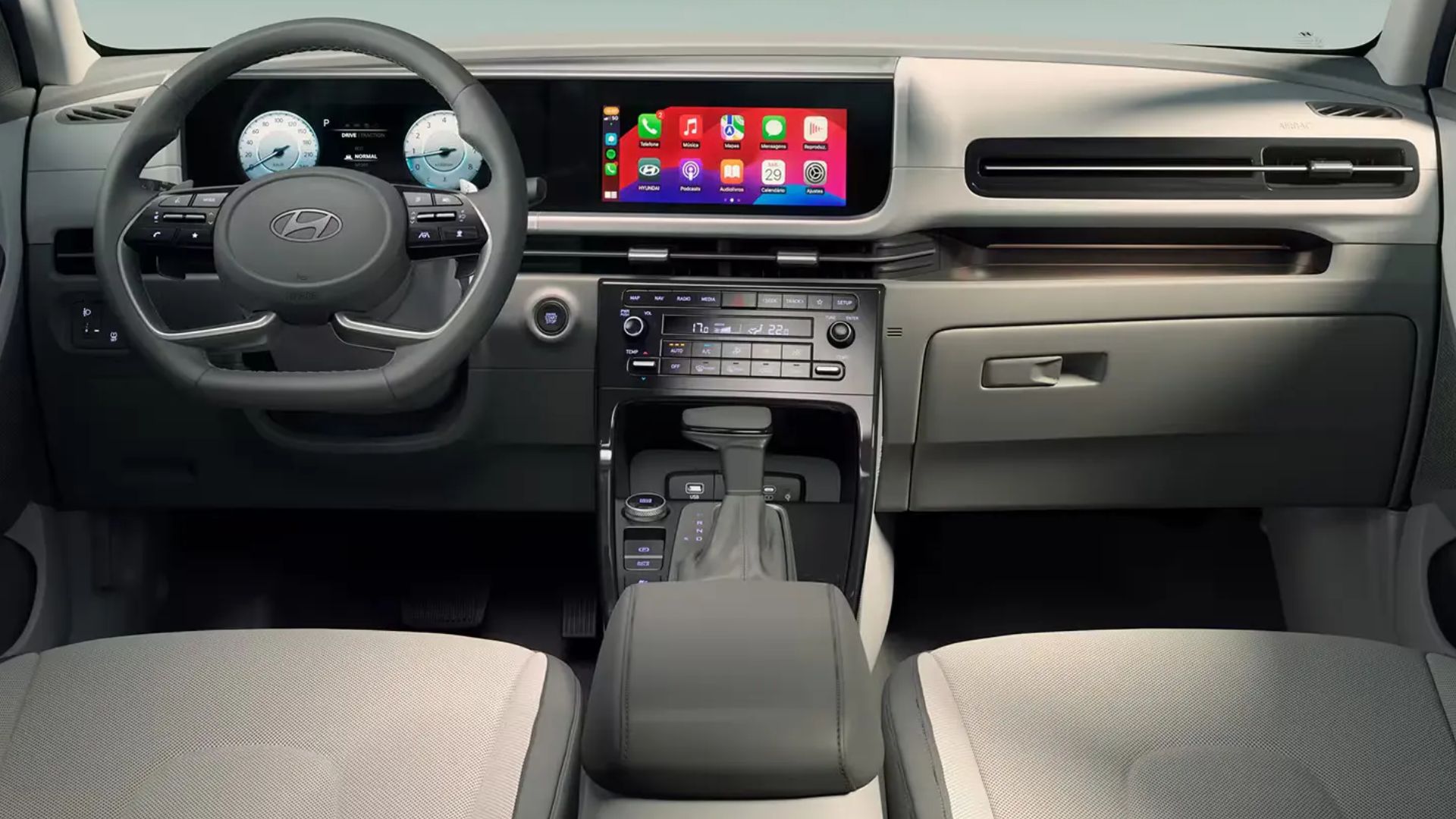
Even without leading the market, the model draws attention by surpassing direct competitors and even cheaper popular cars, indicating a change in the behavior of Brazilian consumers
The Hyundai Creta 2026 has been gaining more and more space in the Brazilian automotive market and, surprisingly, achieved a significant feat in March 2026. Even with an initial price of R$ 144,590, the compact SUV surpassed heavyweight competitors like Fiat Pulse, Volkswagen Nivus, and even the popular Renault Kwid in the monthly sales ranking.
This information was disclosed by the portal ‘Garagem360‘, based on the latest data from the automotive sector, highlighting the consistent advancement of the model within a highly competitive scenario. In this sense, the performance of the Creta reinforces an important change in the behavior of Brazilian consumers.
Moreover, the growth of Hyundai’s SUV highlights a clear trend: even in the face of cheaper options, many buyers are willing to invest more to obtain technology, comfort, and safety.
-
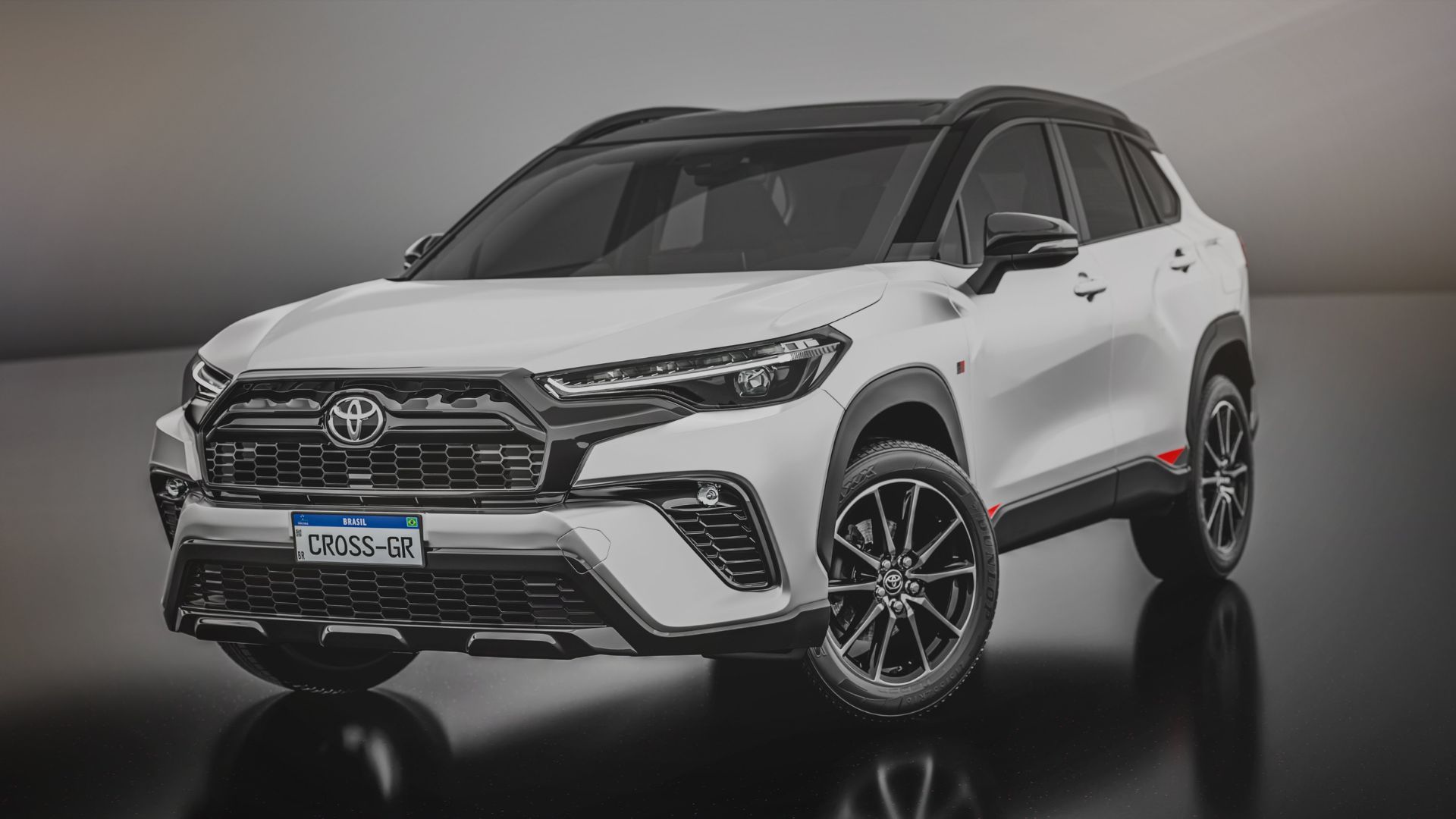
Used Toyota Corolla Cross features a 2.0 engine with up to 177 hp, a hybrid version that achieves up to 17 km/l and 122 hp combined, a 10-speed CVT transmission, a package with 6 airbags and adaptive cruise control, as well as prices starting from R$ 117,000 and reaching R$ 149,000 in versions such as XRE, XR, XRV Hybrid, and GR-S.
-
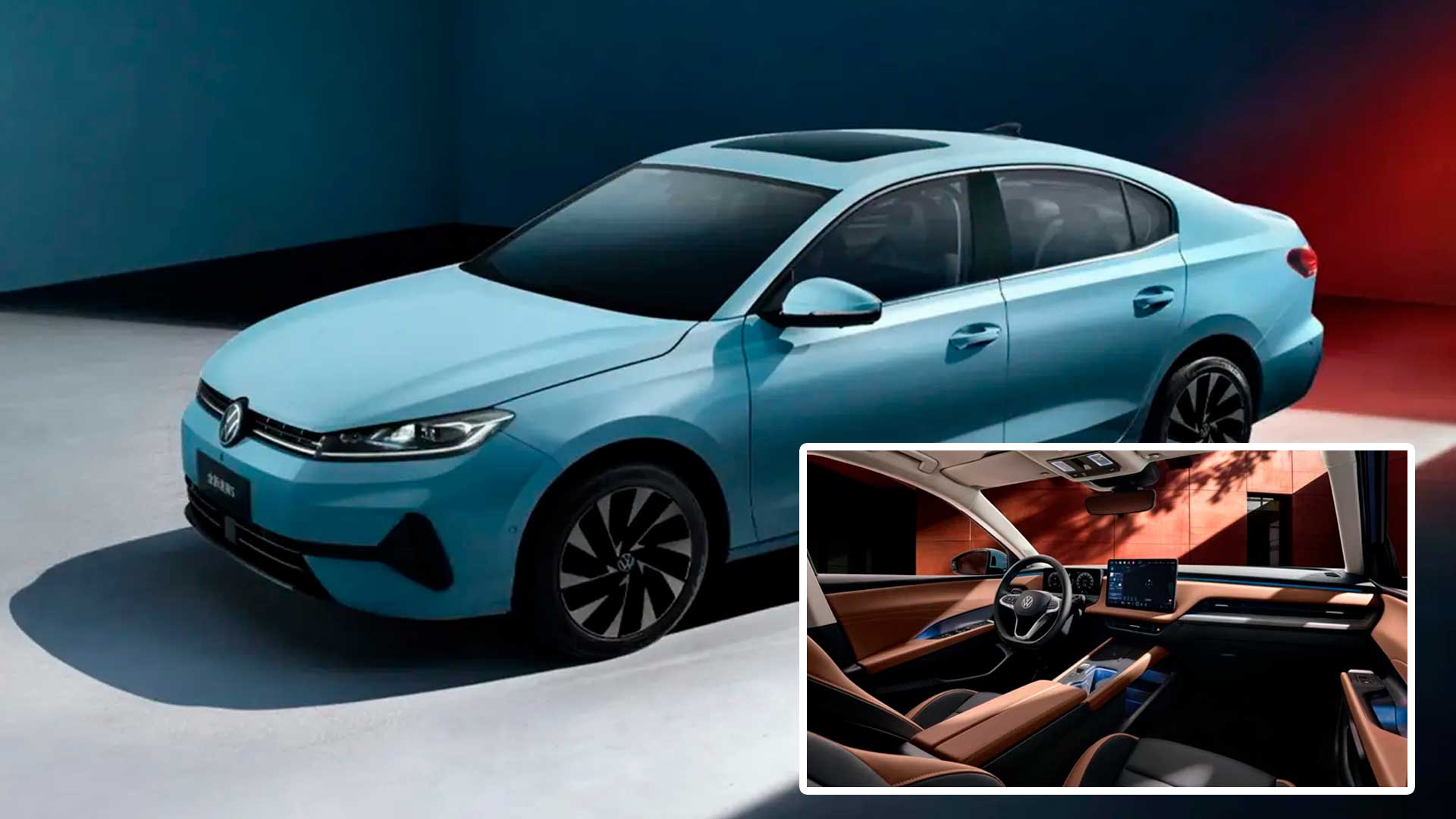
It looks like a Jetta, but costs half the price; Volkswagen launches the Sagitar S 2026 in China with a more modern design, a larger trunk, and a price much lower than the Jetta sold in Mexico.
-
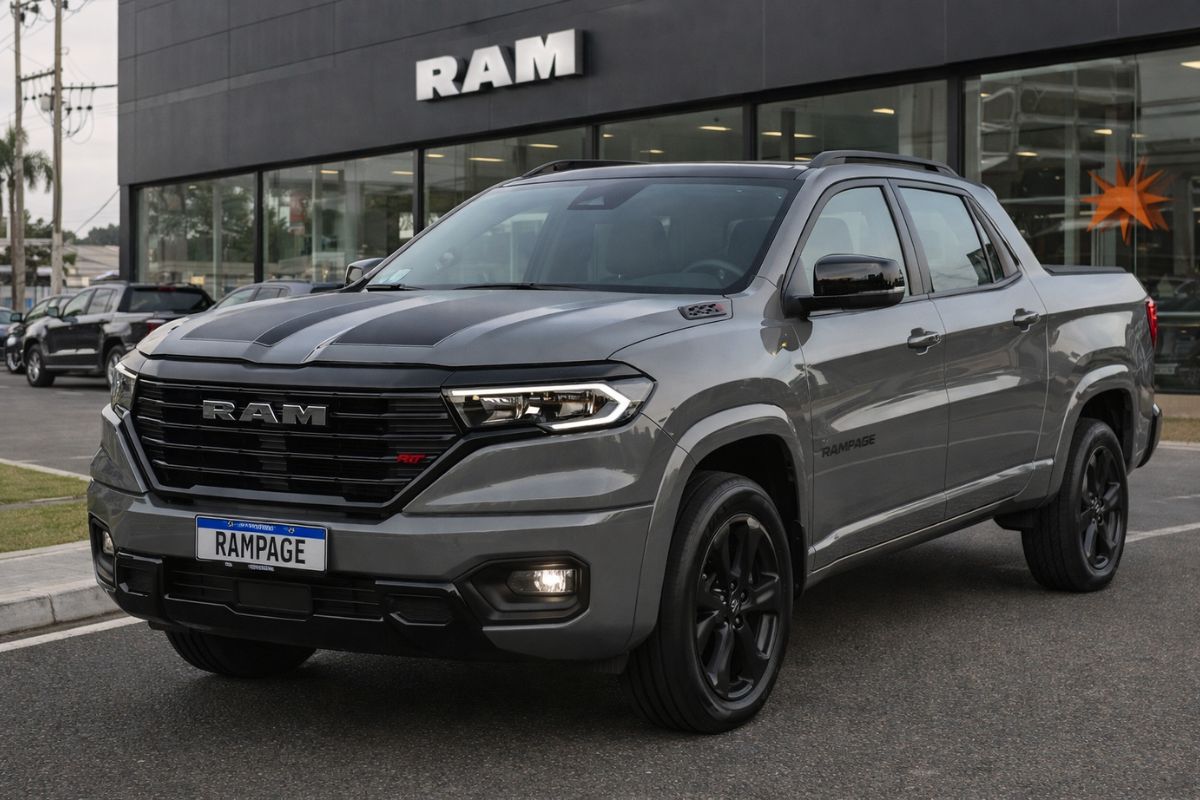
Ram had never made a flex engine in the brand’s history, but now the Rampage 2027 arrives in Brazil with 272 horsepower powered by gasoline or ethanol and is already available at dealerships.
-
Chevrolet resurrected the Sonic name to create a coupe SUV that will arrive by June, costing R$ 900 million to develop, and was made to compete directly with Nivus and Fastback.
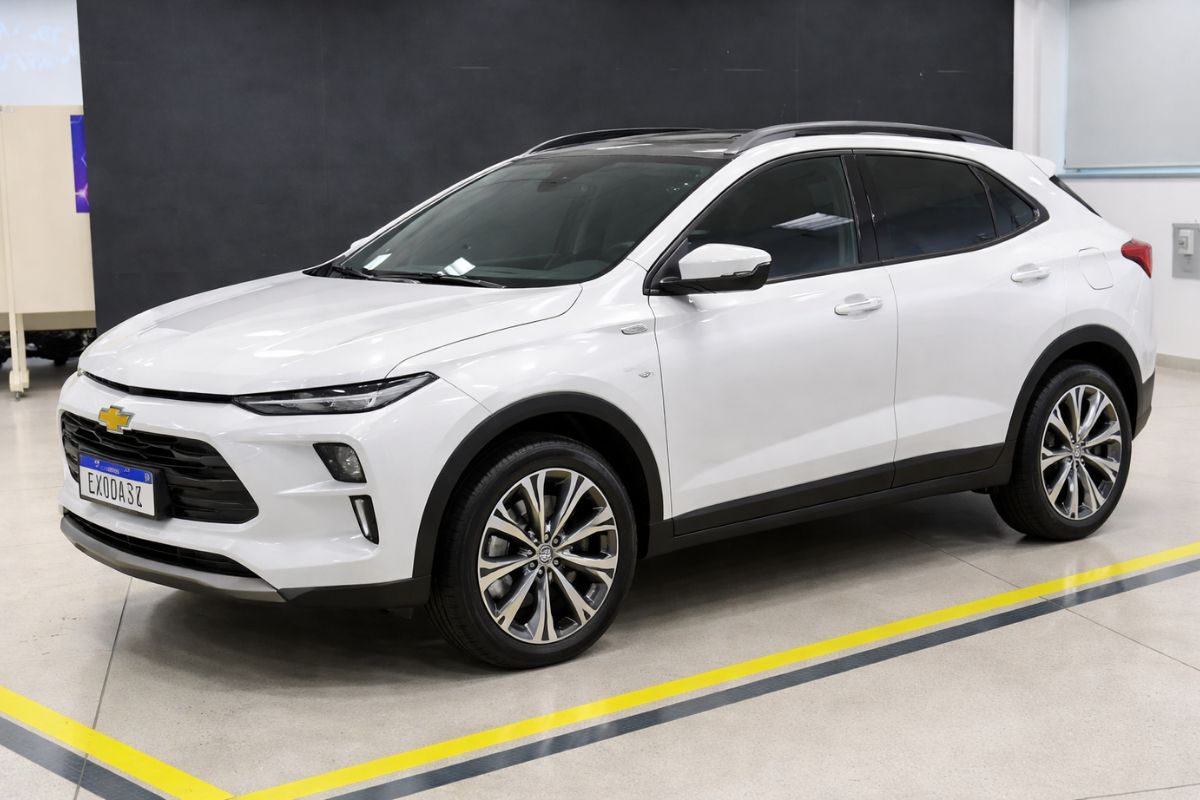


Creta surpasses direct rivals and even cheaper cars in March ranking
The sales figures for March show a fierce competition in the segment, but with an important highlight for the Hyundai Creta 2026. Check out the data:
- Creta: 6,673 units
- Kwid: 6,458 units
- Nivus: 5,795 units
- Tracker: 5,795 units
- Compass: 5,435 units
- Pulse: 5,168 units
In light of these numbers, it is evident that the Creta not only surpassed direct SUVs like Pulse and Nivus but also managed to stay ahead of one of the most affordable cars in Brazil, the Kwid.
As a result, this outcome shows that Brazilian consumers are increasingly open to upgrading categories. That is, the focus has shifted from just price to include embedded technology, safety, and perceived value.
Additionally, the consistent performance of the model reinforces Hyundai’s strategic positioning within the compact SUV segment, which continues to expand strongly in the country.
Creta’s technological package explains growth in sales
The advancement of the Hyundai Creta 2026 did not happen by chance. In practice, the model stands out precisely for the technological set offered within the price range.
Among the main differentiators, we can highlight:
- Complete ADAS package, including autonomous emergency braking and lane-keeping assist
- Multimedia center with wireless connectivity
- 10-inch digital panel
- Bluelink system with advanced connectivity
- 1.0 turbo engine paired with automatic transmission
Thus, the Creta delivers features that, until recently, were exclusive to more expensive SUVs. Consequently, this increases the perceived value for the consumer.
Moreover, the model manages to balance technology and cost-effectiveness, making it extremely competitive against direct rivals.

SUVs dominate the market and consumers are willing to pay more
The March ranking also reveals a broader scenario of the Brazilian automotive market. Currently, compact SUVs have consolidated as a national preference.
This movement occurs mainly due to three factors:
- Greater sense of security while driving
- Presence of more embedded technology
- Better resale value in the market
At the same time, the competition among models like Creta, Pulse, Nivus, and Tracker shows that the segment is more contested than ever.
In this context, the Hyundai Creta positions itself strategically. It is not the cheapest in the category, but it also does not reach the highest prices of medium SUVs like the Compass.
Therefore, this balance creates a clear advantage:
- More complete than entry-level SUVs
- More affordable than premium models
Creta 2026 represents a new phase in the automotive market
Overall, the growth of the Hyundai Creta 2026 is not an isolated case. On the contrary, it represents a consolidated trend in Brazil.
First, SUVs continue to dominate sales. Second, Brazilian consumers are more demanding and willing to pay more for technology and safety.
Finally, models that manage to balance price, technology, and performance — like the Creta — tend to gain even more space throughout 2026.
Thus, Hyundai’s SUV consolidates itself as one of the main protagonists of this new phase of the national automotive market.








Seja o primeiro a reagir!