





 Portuguese
  English
  Spanish
  3 min of reading


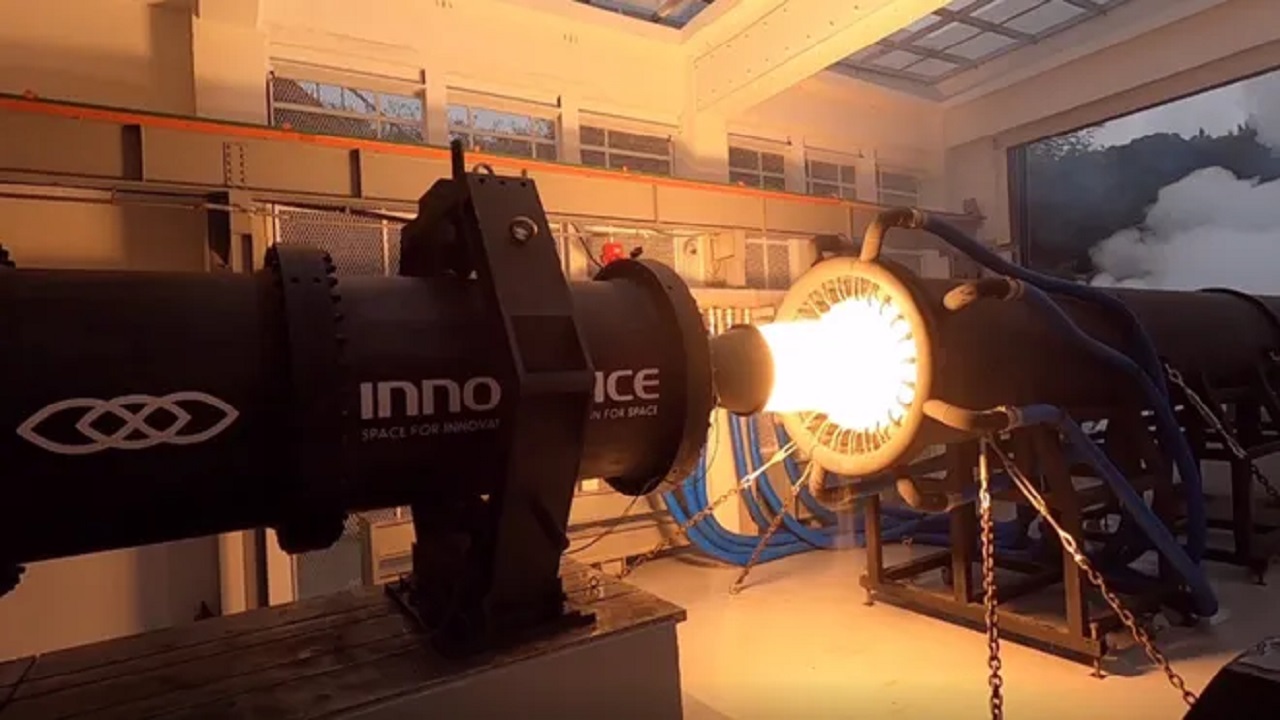
South Korean Startup, Innospace, Announced Plans to Make First Launch of Its Rocket at Alcântara Base. The Company’s Rocket Will Feature Technologies Developed by the Brazilian Air Force.
The South Korean aerospace startup, Innospace, plans to conduct its first suborbital launch in December 2022, departing from the launch center at the Alcântara Base, located in Maranhão. The launch will serve as a test for a single-stage rocket that is about 16.3 meters tall, named HANBIT-TLV. The rocket will serve as a development platform for the startup’s commercial satellite launcher, called HANBIT-Nano. This launcher is designed to carry a payload platform of up to 50 kg into a polar orbit, which crosses the planet’s poles, at an altitude of approximately 500 km.
Understand How the Rocket to Be Launched at Alcântara Base Works
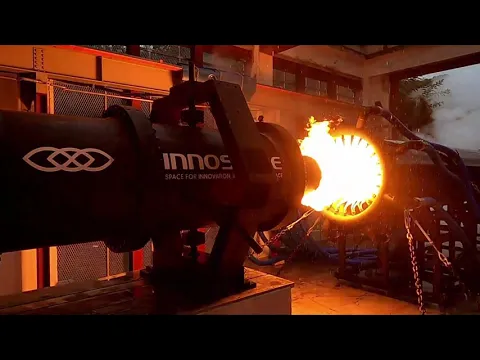

The two rockets from the startup have a first stage with a 15-ton hybrid engine, powered by paraffin and liquid oxygen. Additionally, the upper stage of the rocket to be launched at the Alcântara Base features a 3-ton hybrid engine. According to the spokesperson for the startup, Kim Jung-hee, if the launch is successful, the company will begin preparations for tests with the Hanbit-Nano.
The test rocket launched at the Alcântara Base will carry an inertial navigation system (SISNAV) developed by the Department of Aerospace Science and Technology (DCTA) of the Brazilian Air Force (FAB). The technology includes a computer, rotation sensors to determine the position, speed, and orientation of an object without an external reference, and motion sensors.
-
Historic bankruptcy of Centauro shocks the market, and the century-old company puts more than 500,000 products, machines, and complete infrastructure up for online auction.

-
Abandoned house for 15 years disappears in the woods, shocks owner with unrecognizable scenery and is reborn in an intense transformation after almost 90 hours of work in just 10 days.

-
In just three hours, a natural stone floor transforms the entrance of the house with an organic effect, immediate drainage, and a sophisticated non-slip finish that doesn’t puddle water, dries quickly, and impresses with the final result.
-
‘Interlocking brick’ made of earth arrives in the construction industry with cost reductions of up to 40% on the project.


However, according to the spokesperson for the startup, the payload will not be released in space. Jung-hee also stated that the country has made the Alcântara Launch Center available for the startup to conduct its flights from there. In return, the Brazilian Air Force will send its payload. It is worth noting that in May, the South Korean startup announced plans to conduct up to 20 launches from Brazil.
Alcântara Base Will Receive Improvements in Its Space Activities
A proposal filed this week with the General Secretariat of the Chamber of Deputies aims to generate advances in Brazilian space activities, primarily focusing on the Alcântara Launch Center (CLA).
The General Law of Space Activities will be instituted by PL 1006/2022, authored by Deputy Pedro Lucas Fernandes. According to the deputy, the aim of the proposal is to establish norms with international standards to develop the sector, considering that with general norms, there is the possibility of ensuring greater legal security for the sector and thus making it more attractive for private investments.
According to the congressman, there are infralegal norms that govern space activities, which were developed by the executive branch but have not been debated in the National Congress.
About Innospace
Innospace is a space company that develops and provides launch services for small satellite launchers using hybrid rocket technologies. These independently developed technologies enable cost innovation and reduce launch latency.
The company leverages the best technology with top experts to offer the ideal launch service that quickly transports small satellites to orbit.
Innospace aims to implement future innovations in the launch market with fast and low-cost launch technologies. Additionally, the company plans to develop its own next-generation space mobility platform, which could contribute to the development of a new space environment for a sustainable world.










Seja o primeiro a reagir!