





 Portuguese
  English
  Spanish
  4 min of reading
  1 comment



Industrial Cycle Will Be Boosted By Clean Energy, Use Of Ethanol, And Focus On Domestic Components
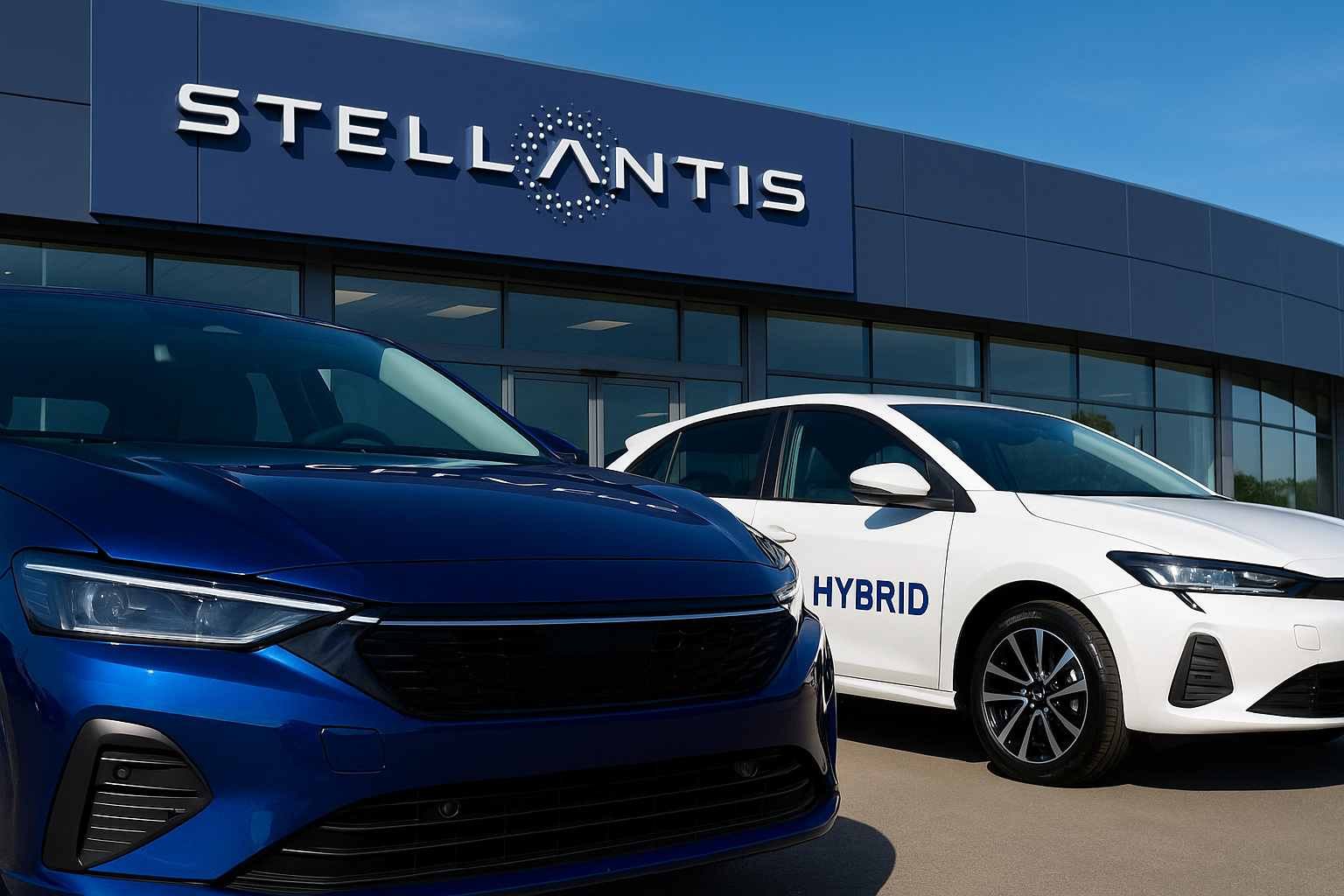
Stellantis has confirmed a robust investment plan for Brazil.
There will be R$ 30 billion between 2025 and 2030 allocated to the production of more than 40 new vehicles.
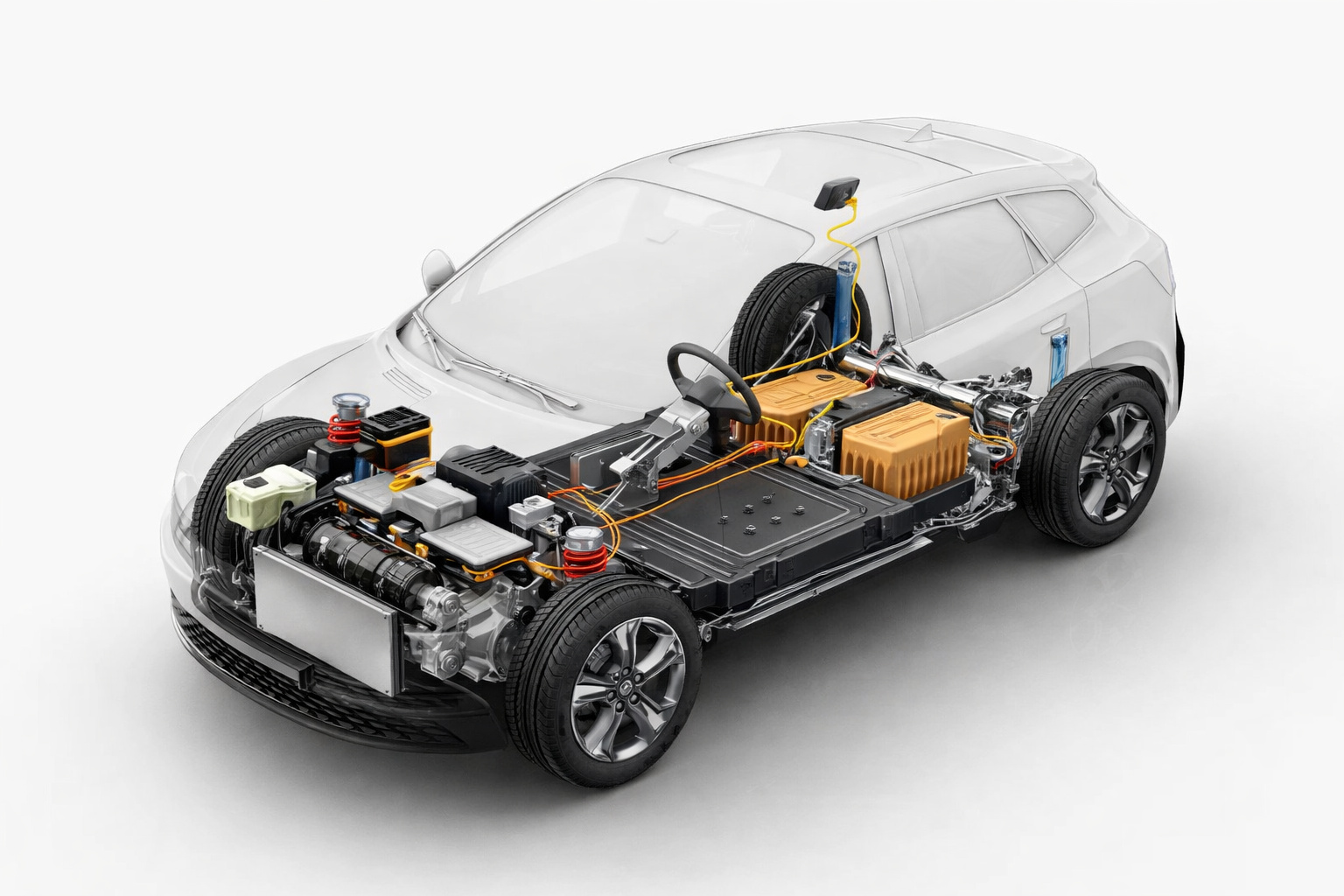
Among them, flex hybrids and pure electric models stand out.
The announcement marks the beginning of a new cycle of automotive industrialization in the country.
The focus is on energy transition and strengthening a more sustainable and nationalized production chain.
The automaker was the first industry giant to formalize its participation in the Mover program.
This industrial policy was launched by the Federal Government to encourage vehicles with low carbon emissions.
The measure was regulated in June 2025 and guarantees tax incentives and support for innovation.
With this, Stellantis aims to lead the technological transformation of the industry in Brazil.
The strategy seeks to position the company as a reference in clean mobility.
Facilities Will Be Modernized And Expand Research
Strategically, Stellantis will direct part of the investment to modernize the factories in Betim (MG), Goiana (PE) and Porto Real (RJ).
In addition, the research and development centers will be expanded.
This will allow for greater technical advancement based on local knowledge.
This measure will ensure more national autonomy in the production of parts and technologies related to electric and hybrid mobility.
-
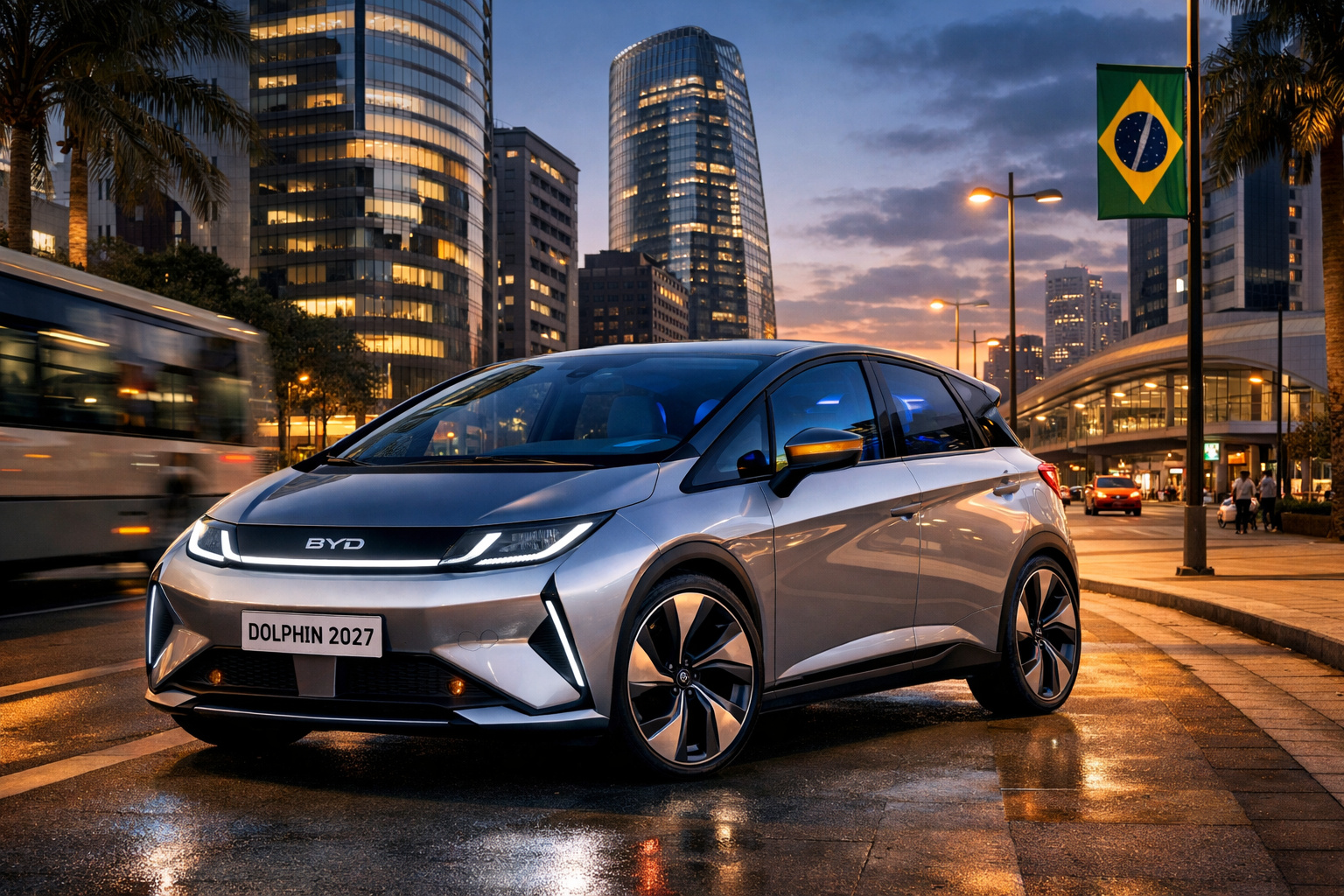
BYD Dolphin 2027 gains more power, increases in size, changes interior, and abandons controversial feature to face new competition in Brazil.
-
The German economist Wolf-Peter Schill has no doubts: “Electric cars are already far superior to cars with internal combustion engines.”

-
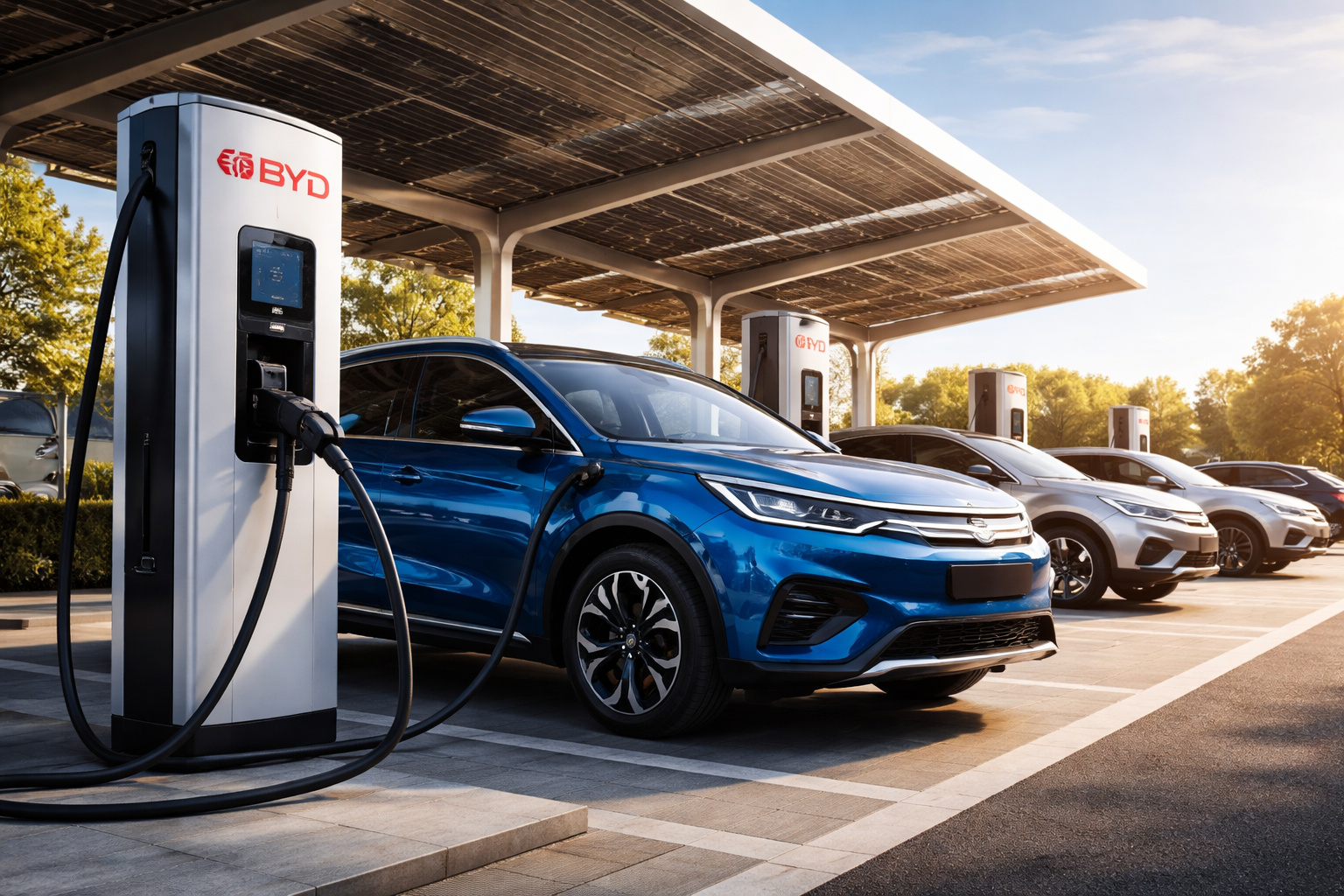
Largest public charging network in Brazil: BYD reaches 125 fast chargers and accelerates national expansion of electric mobility.
-
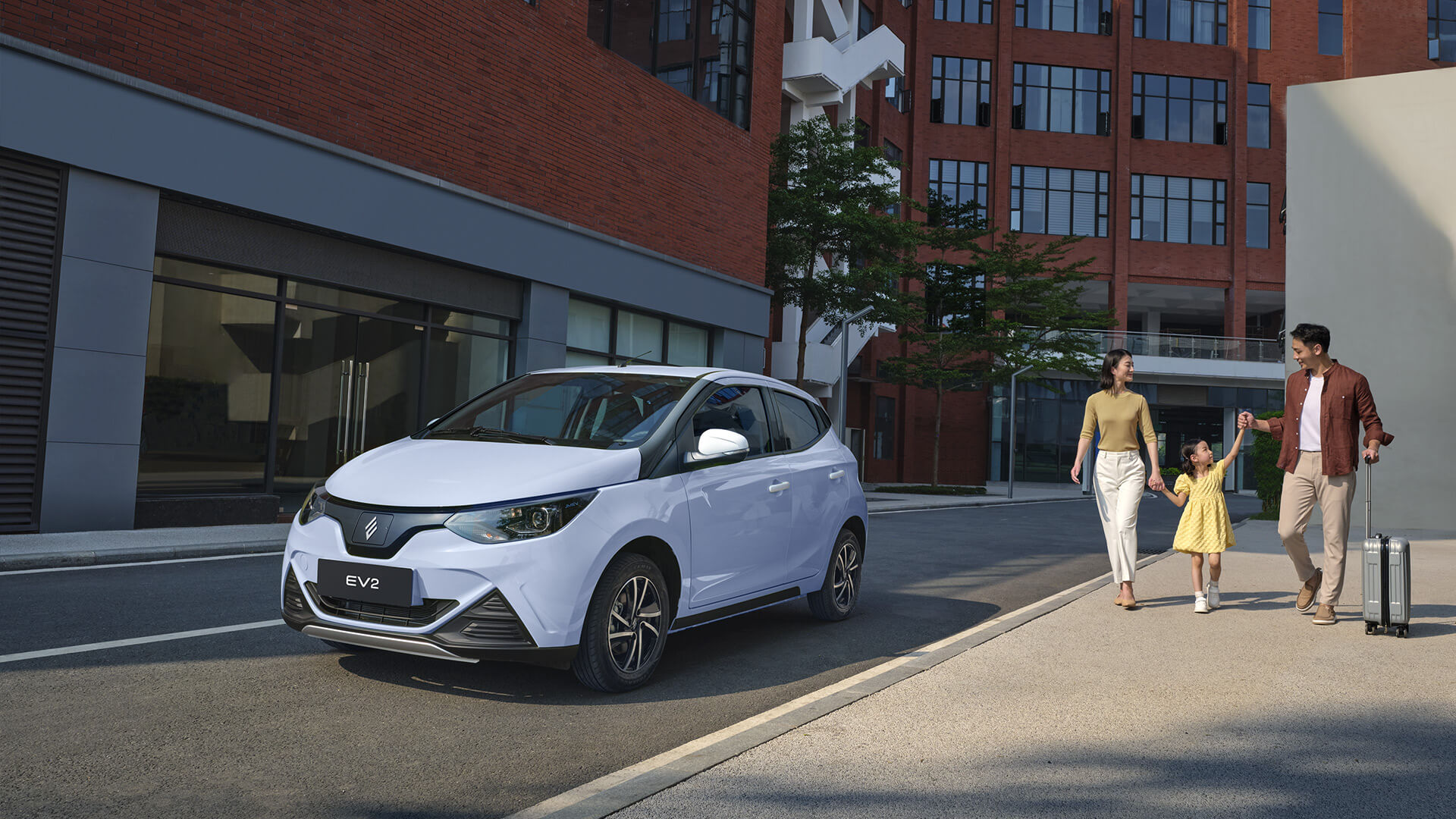
Goodbye expensive popular car: electric vehicle for less than R$ 70,000 starts being sold in Brazil with a range of 200 km and targets those looking to escape gasoline.

Another central focus of the project is the utilization of Brazil’s renewable energy matrix.
Therefore, the company will invest in expanding the use of ethanol in hybrid systems.
This solution combines cutting-edge technology with accessible energy reality.
As a result, flex hybrid models will be able to operate with low pollutant emissions.
They will not depend exclusively on electric charging infrastructure, which is still in the growth phase in the country.


Ethanol Is The Key To National Clean Technology
Focusing on technological accessibility, Stellantis bets on flex hybrids as an efficient solution tailored to the Brazilian market.
The versatility of ethanol, widely available in the country, will allow for the production of vehicles with less environmental impact.
Moreover, the use of ethanol ensures wider audience reach, even in areas with limited charging infrastructure.
This means that consumers in remote regions will be able to adopt cleaner models, without significant changes to their daily lives.
The plan also foresees the nationalization of components.
This measure reduces dependence on imports and stimulates local suppliers.
This movement favors the creation of a more robust industrial ecosystem.
It will be connected to the demands of the energy transition.
In a statement, the company emphasized that Brazil has “strategic potential” to be one of Stellantis’ most relevant centers in clean mobility.
Direct Impact On Job Creation And Innovation
According to the automaker, in addition to the direct investment, the new cycle should generate thousands of jobs, both direct and indirect, boosting the national economy.
These opportunities, in turn, will be distributed across different regions of the country, reinforcing the decentralization of economic impacts.
Furthermore, the dynamization of production chains will be one of the most visible reflections of the plan, as it involves various interconnected sectors.
Consequently, there will be positive impacts on the auto parts industry, national engineering, and also on professional qualification focused on clean technologies.
Startups, universities, and even innovation centers could, therefore, become strategic partners of the company in this transformation process.
Another relevant point will be the popularization of vehicles with low carbon emissions, which expands access to sustainable technologies.
In this way, Brazilian consumers will have access to new technologies without necessarily depending on pure electric cars.
This advancement, above all, meets the environmental urgency while simultaneously respecting the economic reality of the country.
Thus, the company states that its commitment is to deliver innovation with balance, valuing regional particularities and also the energy conditions of Brazil.
Brazil Could Become Stellantis’ Global Hub
Finally, through this initiative, Brazil could, in addition to industrial growth, transform into a strategic center for Stellantis in the global scenario.
Therefore, the company reaffirms its commitment to local production of innovative and sustainable solutions.
Moreover, the plan combines Brazilian engineering, clean energy, and a focus on lasting results.
This investment, therefore, represents a concrete response to the new Brazilian industrial policy.
With this, Stellantis connects tax incentives to long-term actions with real impact on the economy.
Thus, Stellantis already operates in Brazil with brands such as Fiat, Jeep, Peugeot, and Citroën.
Now, with the arrival of flex hybrid models, the automaker finally takes a decisive step towards the future of sustainable mobility.







Sim somos a Olá da vez no cenário mundial. Temos grande estrutura produtiva um ótimo parque tecnológico e mão de obra discutível mas relativamente moderna e barata. Único vilão é o apetite do governo por impostos. São altíssimos e cumulativos ao longo da **** produtiva. Precisamos reestrurar esses impostos. Daí sim a competitividade do câmbio e matérias primas vão elevar renda dos trabalhadores, lucros e retorno dos investimentos.