





 Portuguese
  English
  Spanish
  4 min of reading
  0 comments


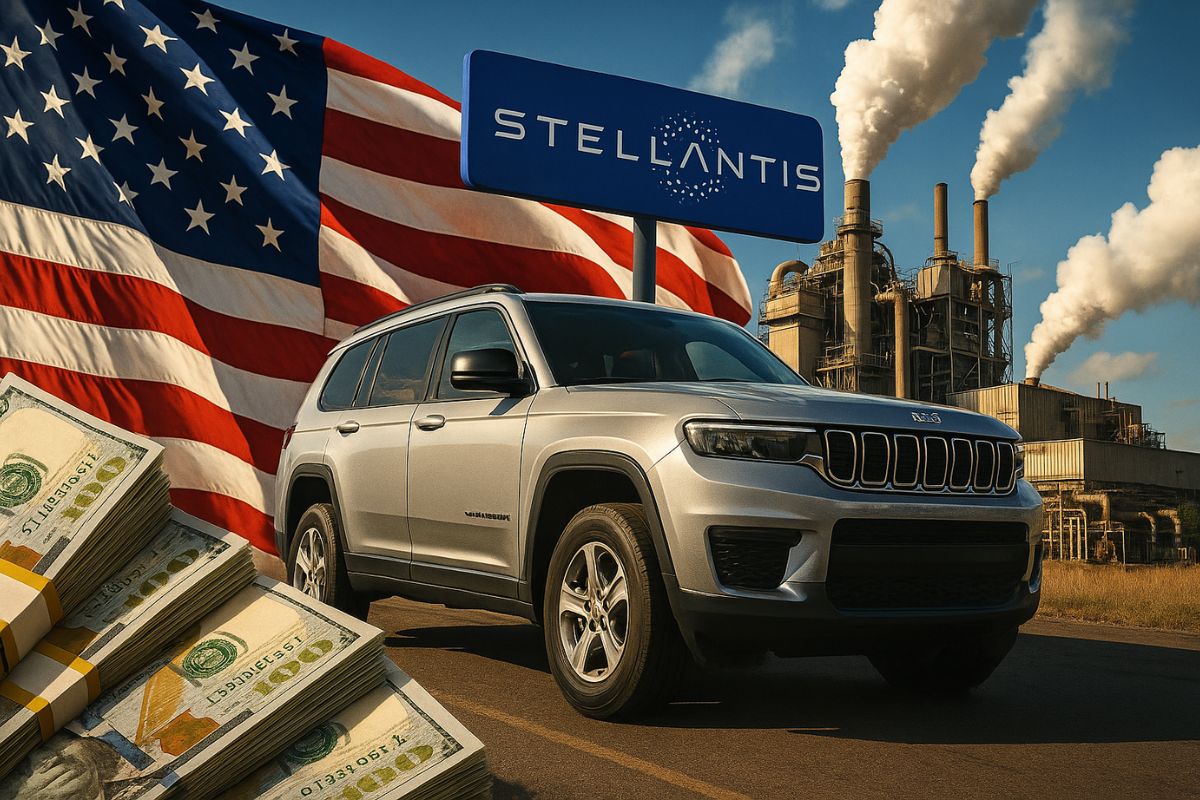
Italian-French Automaker, Owner of Fiat, Jeep, and Peugeot, Bets on Industrial Expansion in the United States to Circumvent Import Tariffs and Recover Space in the Global Market
Stellantis will invest US$ 10 billion in the United States to strengthen its local production and reduce the impact of the tariff imposed by the government of Donald Trump, which threatens the competitiveness of vehicles manufactured in Mexico and Europe. The move marks a strategic shift for the Italian-French automaker, which seeks to increase profitability in one of its key markets and recover the performance of iconic brands like Jeep, Dodge, and Chrysler.
According to sources linked to the company, the plan includes reopening factories, hiring, and new models that will be produced in the states of Illinois and Michigan, focusing on mid-size vehicles and Ram pickups. The initiative also reflects political and commercial pressure for major automakers to invest within American territory amid increasing trade tensions between the USA, China, and Mexico.
A Billion-Dollar Strategy to Circumvent the American Tariff
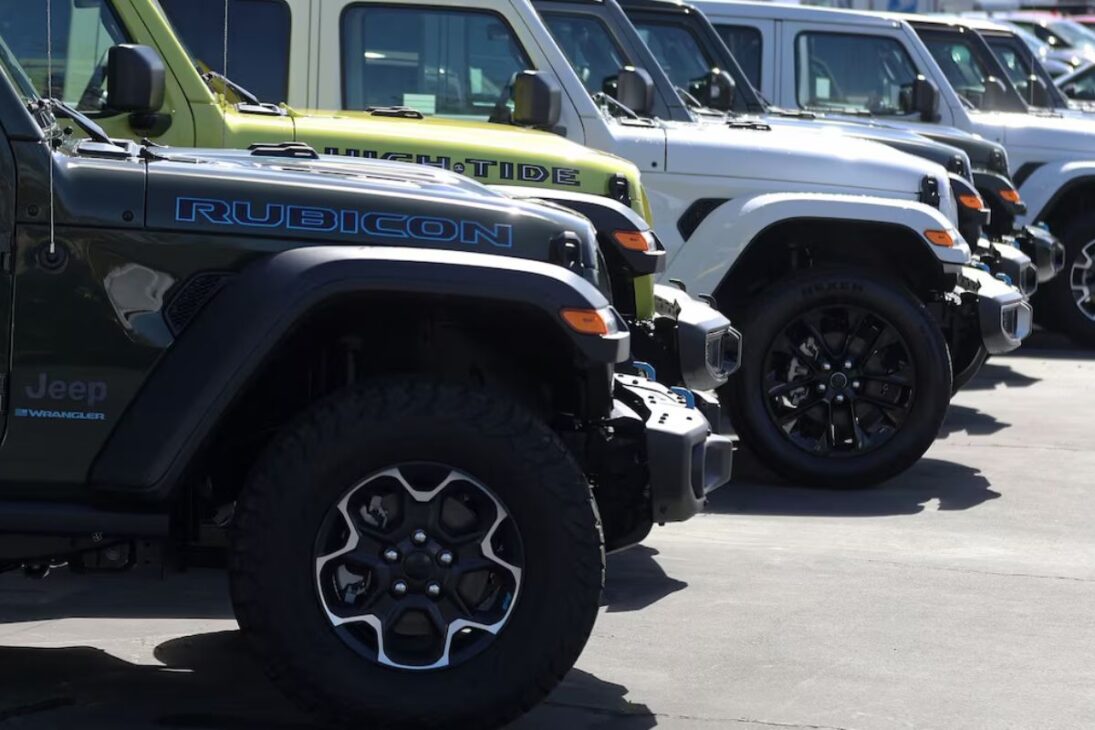
The announcement from Stellantis comes in the context of a global recalibration of investments and direct pressure from the Trump government, which seeks to impose tariffs of up to 25% on imported vehicles.
-
Around R$ 24,000: 4 used Ford SUVs with up to 253 hp, V6 engine, all-wheel drive, 7 airbags, panoramic sunroof, and a complete package that surprises with its price and performance in Brazil.
-
A brand new car starts at around R$ 75,000 in Brazil, but what stands out the most is seeing streets filled with SUVs and expensive sedans in a country where millions remain in debt.

-
For R$ 32,000, a brand new Hyundai car is a rival to the Kwid with a 1.2 engine producing 82 hp, 6 airbags as standard, multimedia with wireless Android Auto, up to 391 liters in the trunk, and a refreshed look for 2026 in India.
-
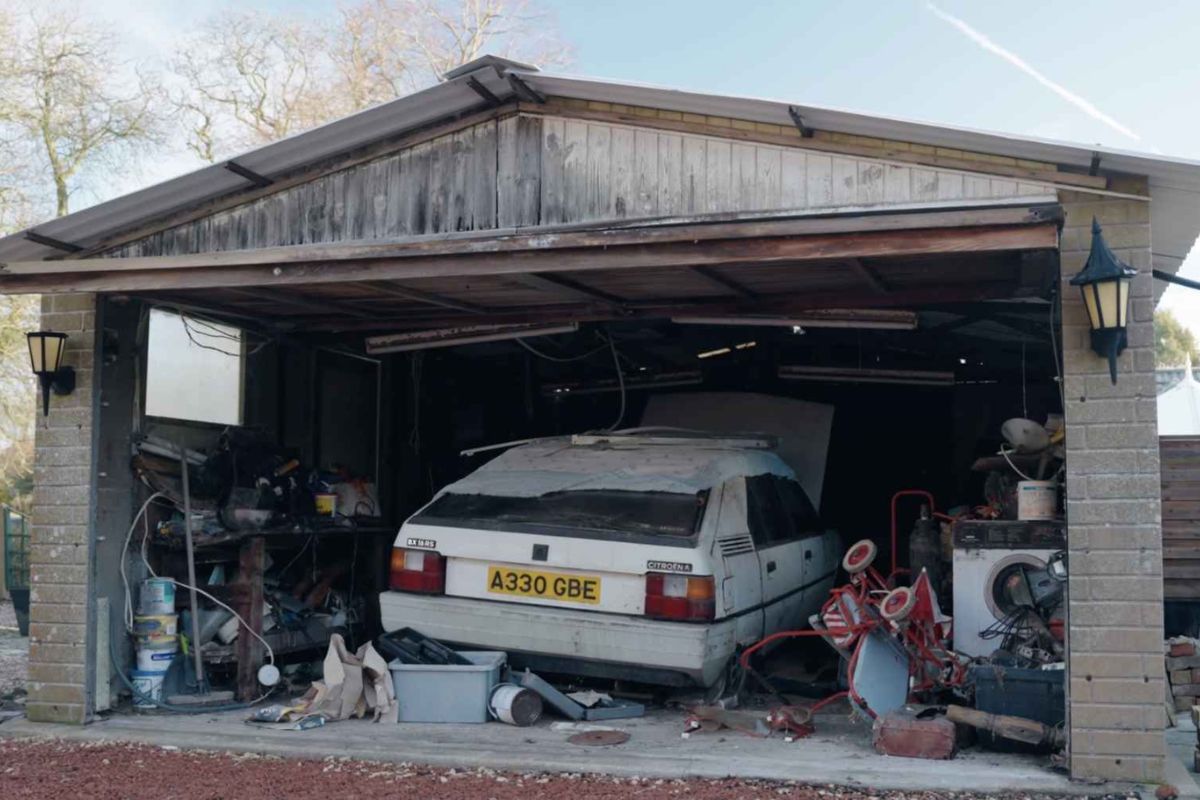
He bought a new car in 1983, locked it in the barn in 1988, and no one opened the door for 38 years until the family discovered what was stored inside and realized it looked like something out of a movie.

The US$ 10 billion plan, which will be implemented over several years, is expected to be officially announced after negotiations with the government and the United Auto Workers (UAW) union.
Part of this investment also aims to fulfill political promises made during meetings between John Elkann, chairman of the automaker, and Donald Trump, who demanded an increase in domestic production.
One of the planned measures is the reopening of the Belvidere (Illinois) factory, where about 1,500 workers are expected to be rehired to produce a new mid-size pickup.
Global Restructuring Under New Leadership
Since May, Stellantis has been under the command of Antonio Filosa, an Italian-Brazilian executive and former leader of Fiat Chrysler in Latin America.
His challenge is to reorganize the company’s investments, after years of focus on Europe and Mexico.
The previous management, led by Carlos Tavares, had prioritized shifting part of the engineering and production to lower-cost regions, a decision that ultimately reduced the company’s presence in the United States.
Filosa has been conducting a thorough review of the production plans and brands of the group.
He has already canceled investments in Europe and started assessing less profitable units, such as the Free2move car-sharing business.
Additionally, he hired McKinsey consulting to define the future of the Maserati and Alfa Romeo brands, which are under pressure from falling sales and increasing competition from Chinese manufacturers.
Jeep at the Center of Recovery and Focus on Profitability
Jeep will be the pillar of Stellantis’s new phase. The brand, which was once synonymous with success in the USA, has lost market share in recent years.
With the new investment, the automaker aims to launch hybrid and electric models tailored to American tastes, as well as strengthen production of Ram pickups to meet domestic demand.
According to sources close to the company, part of the funds may also be directed to Dodge and Chrysler, two historic brands that Stellantis is trying to revitalize with a focus on the North American market.
“The CEO is leading a detailed review of all future investments,” said a company spokesperson, without providing further details.
Reaction in Europe and Risk of Labor Tensions
The decision to prioritize the American market has generated concern among European unions, especially in Italy and France, where Stellantis faces excess production capacity and low demand for cars such as the Fiat Panda and Alfa Romeo Tonale.
The company has already temporarily suspended production in eight European factories, which has intensified criticism from union leaders and local authorities.
Filosa is expected to meet with labor representatives later this month amid protests and calls for job security guarantees.
“Europe fears losing industrial relevance within the group, while the USA becomes the new strategic axis,” analysts in the automotive sector assess.
Geopolitical Context and the New Game of Automakers
Stellantis’s billion-dollar bet follows a trend observed in several multinationals trying to adapt to Trump’s protectionist policies.
Companies like Hyundai and major European pharmaceutical firms have also announced increased investments in the USA, aiming to preserve access to the American market and reduce import costs.
At the same time, Chinese competition continues to pressure Western industry, with brands like BYD and Chery expanding their global presence with lower-cost electric vehicles.
In this scenario, Stellantis’s investment is seen as a survival strategy and geopolitical repositioning, capable of redefining the balance between the USA, Europe, and Asia in the automotive industry.
The investment of US$ 10 billion by Stellantis in the United States represents more than just an industrial expansion: it is a political, economic, and symbolic move to maintain relevance in the largest automotive market in the world.
By trying to navigate around Trump’s tariffs and resume its local production, the automaker bets on a reconciliation with the American government and with the American consumer.
Do you think this decision will strengthen Stellantis in the United States or weaken production in Europe? Is the billion-dollar investment a strategic move or a forced response to political pressure? Share your opinion in the comments — we want to hear from those closely following the automotive sector.





-

Uma pessoa reagiu a isso.