





 Portuguese
  English
  Spanish
  4 min of reading
  0 comments


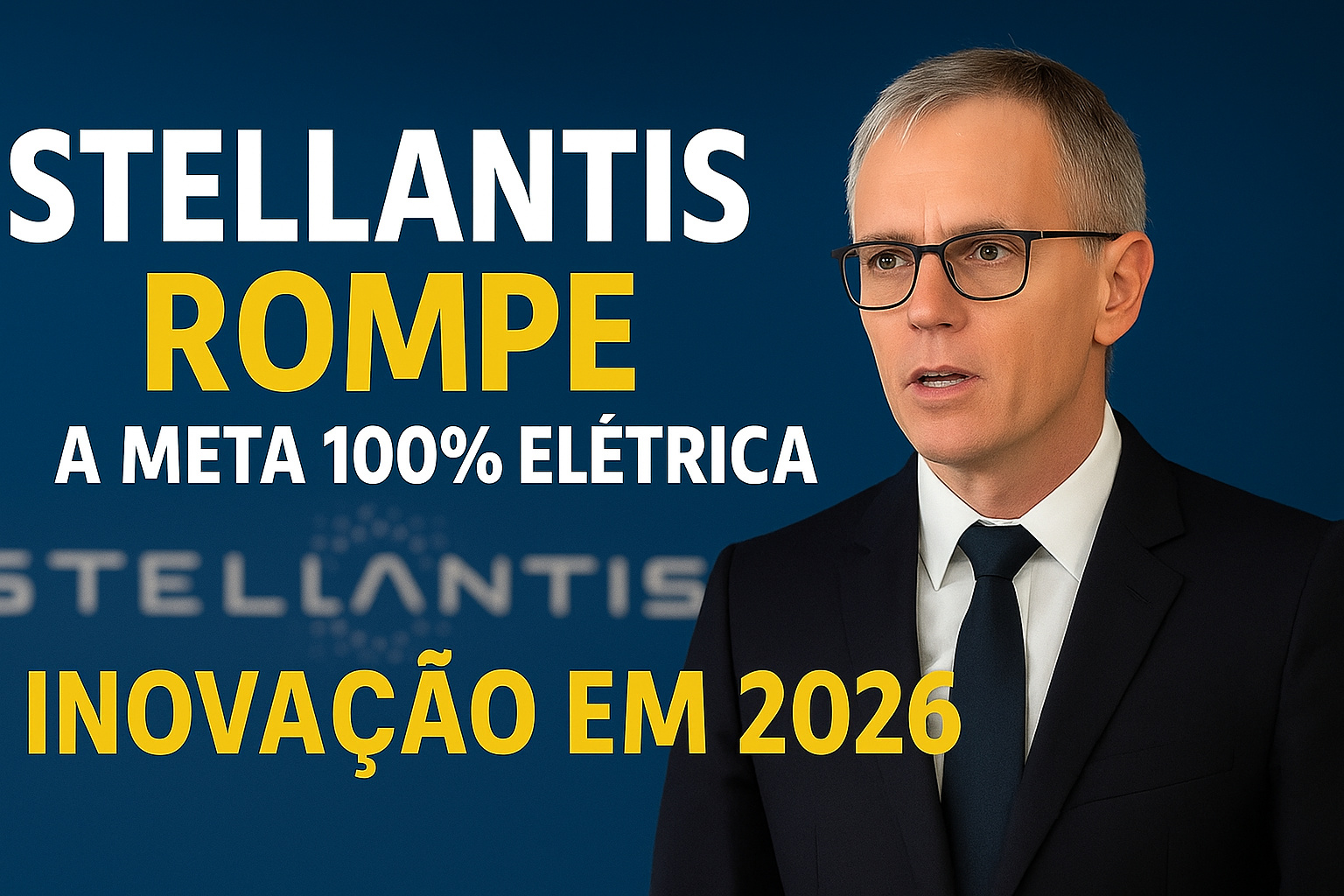
Stellantis Abandons 100% Electric Goal and Prepares for 2026: Innovation, New Electric Cars, and the Return of Classic Engines.
Stellantis revealed this week what its priorities will be for 2026, in an announcement made by Antonio Filosa, the current CEO of the group, during the Kepler Cheuvreux Autumn Conference in 2025.
The automaker announced that, in the first quarter of 2026, it will officially present a strategic plan with updates on the portfolio of electric cars, in addition to significant changes regarding the previous commitment to full electrification by 2030.
The decision marks an important shift, focusing on innovation, technological flexibility, and strengthening the brand’s position in strategic markets such as North America, South America, and Europe.
-
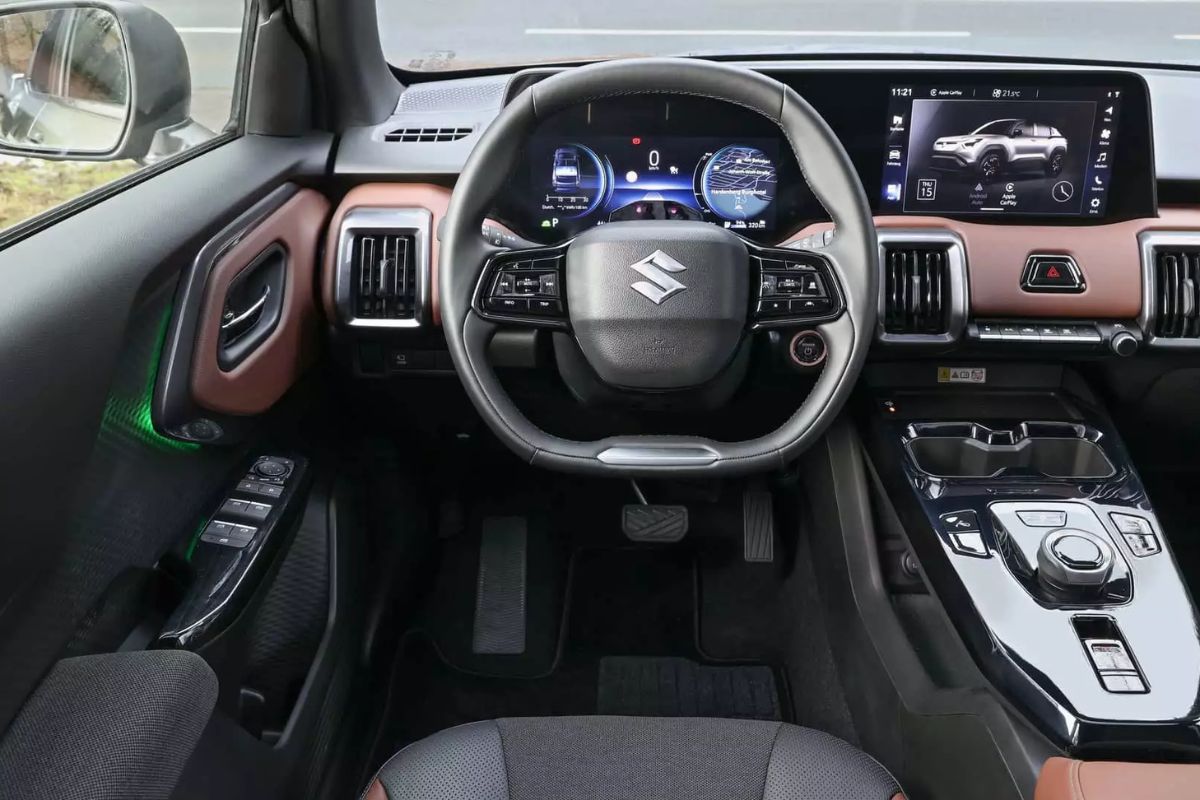
The 2026 electric Vitara arrives in Brazil and proves that Suzuki is not leaving: 4×4 traction, 184 hp, 61 kWh LFP battery, 293 km range, R$ 259,000, and a trunk capacity of 224 L.
-
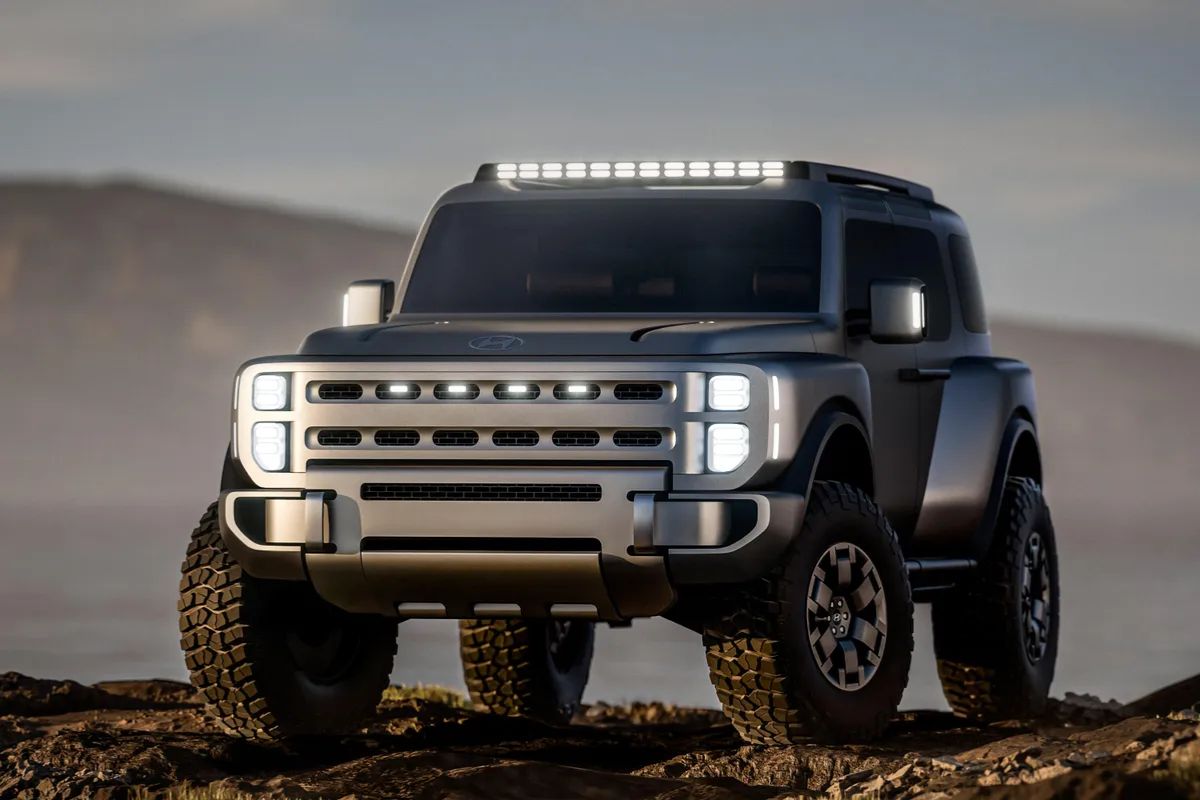
Hyundai has unveiled the Boulder, a square SUV with a body-on-frame design, 37-inch mud tires, and carriage-style doors that seems to be made to take on the Ford Bronco and the Scout Traveller in the United States.
-
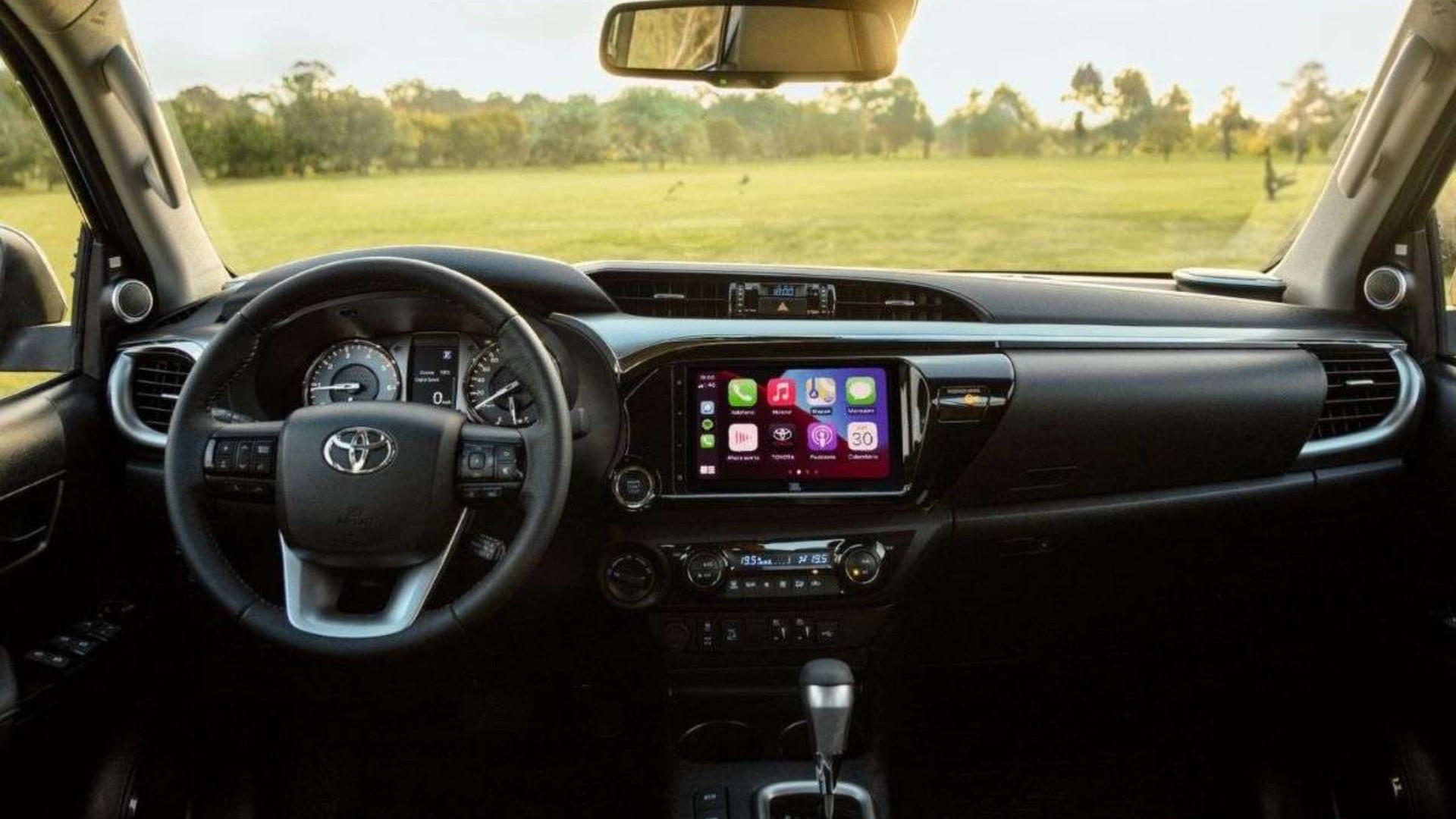
The Toyota Hilux is R$ 75.5 thousand cheaper and bets on the 2.8 turbodiesel engine with up to 204 hp and 50.9 kgfm to catch up with the VW Saveiro, which leads with 4,472 sales.
-
The new Renault Koleos has a screen exclusively for the passenger that is invisible to the driver, heated rear seats, and 29 assistance systems, but its Chinese competitors cost R$ 40,000 less and deliver more power.

Why Did Stellantis Change Its Electric Goal?
The group had announced, while still under the management of Carlos Tavares, the intention to become 100% electric by 2030.
However, Antonio Filosa acknowledged that the plan would not be sustainable given the current market demands.
He explained that the goal now is to offer consumers what they really want: variety and flexibility, combining electric, hybrid, and the continuation of combustion engines in strategic segments.
According to Filosa,
“we have the cars that drivers demand, developing models and know-how according to customer needs.”
This vision, according to the executive, will be essential for resuming the company’s global growth.
Three Priorities for 2026: Growth, Simplification, and Flexibility
During his presentation, Filosa highlighted three points that will guide the new plan:
- Business Growth, with the reintroduction of models that had been discontinued and the launch of new vehicles.
- Simplification of Internal Processes, with a leaner management team composed of only 15 leaders for the main departments.
- Technological Flexibility, allowing the company to meet different markets according to their energy and economic demands.
These guidelines reinforce Stellantis’s pursuit of innovation while maintaining competitiveness.
The Impact on the North American Market
Stellantis saw its market share in the North American market plummet from 12% in 2019 to 7% by the end of 2024. The decline is associated with the removal of iconic models such as Jeep Cherokee, Dodge Charger, Dodge Challenger, Chrysler 300, and some RAM pickups.
Now, the strategy is to reverse this trend. The group confirmed the return of the Dodge Charger with a V8 HEMI engine, a recurring request from the brand’s fans, along with the new generation of the Jeep Cherokee and a mid-size RAM pickup. These launches aim to win back customers who drifted away after the portfolio reduction.
South America: A Strategic Market for Stellantis
In South America, Stellantis maintains a leadership position and will continue to invest in models that meet local preferences. The company sees the South American market as less pressured by political issues related to the energy transition, which facilitates the balance between combustion vehicles and electric cars.
The flexibility of options is viewed as essential for preserving competitiveness and maintaining regional leadership, especially in countries like Brazil and Argentina.
Flexibility for the European Market
In Europe, Stellantis’s new phase has one key word: flexibility. The automaker has rejoined the ACEA (European Automobile Manufacturers Association) after leaving under Tavares’s management. With this, the group seeks to negotiate more realistic rules. The goal is to meet both the carbon emission targets for 2025 and the actual market demands.
Additionally, Filosa highlighted another critical point. He noted that the European fleet has a high average age. Therefore, he advocated for the value of small cars. According to him, “the small car consumes and emits less than the large one.” Thus, the executive reinforced the appeal for public policies that encourage more accessible and sustainable vehicles.
Comparison with Other Automakers
Stellantis’s new positioning will be closely watched in the automotive sector, as other giants maintain aggressive strategies toward total electrification. While some competitors stick to strict deadlines to eliminate combustion engines, Stellantis bets on a hybrid and more adaptable approach.
This comparison shows that by flexibilizing its goals, the automaker tries to differentiate itself by offering alternatives, ensuring competitiveness both in the electric vehicles segment and in combustion.
What to Expect from the Official Announcement in 2026
The complete strategic plan will be unveiled in the first quarter of 2026, and it is expected to bring not only new models but also a clear vision regarding investments in research, sustainability, and technological innovation.
For industry experts, the change in course may represent a more realistic way to navigate the global energy transition without sacrificing profitability or consumer satisfaction.










Seja o primeiro a reagir!